
 EN
EN
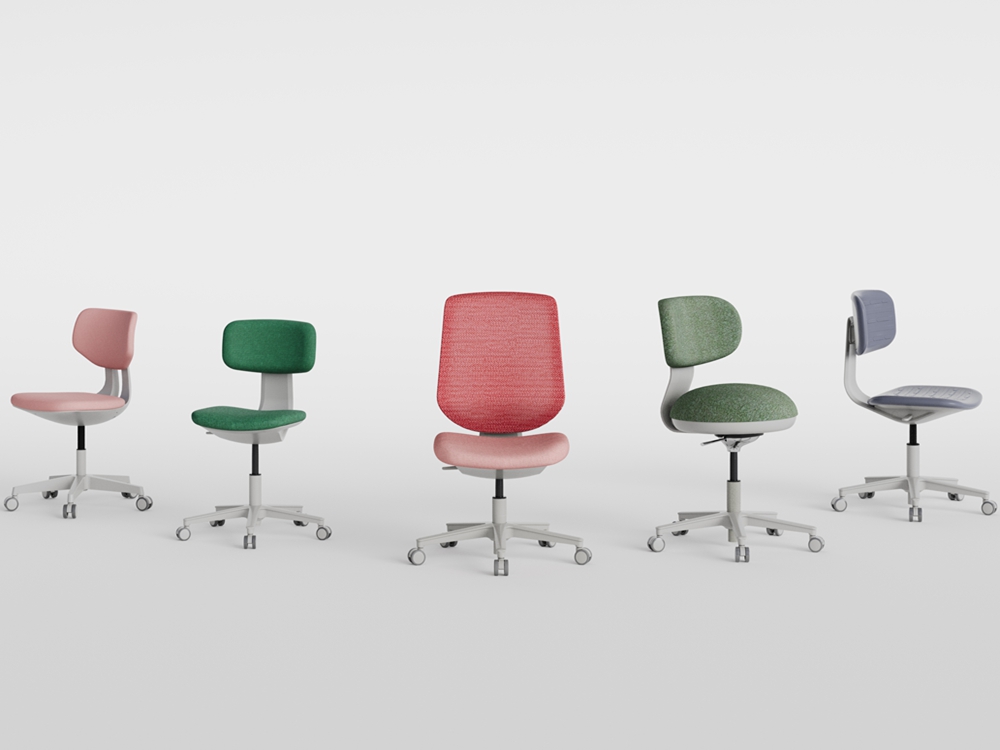
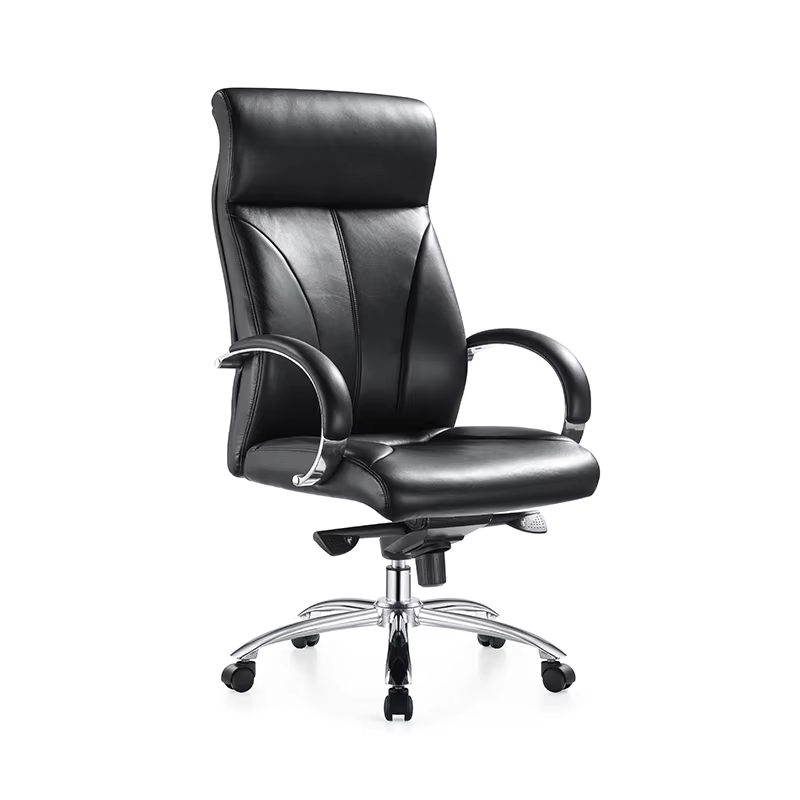
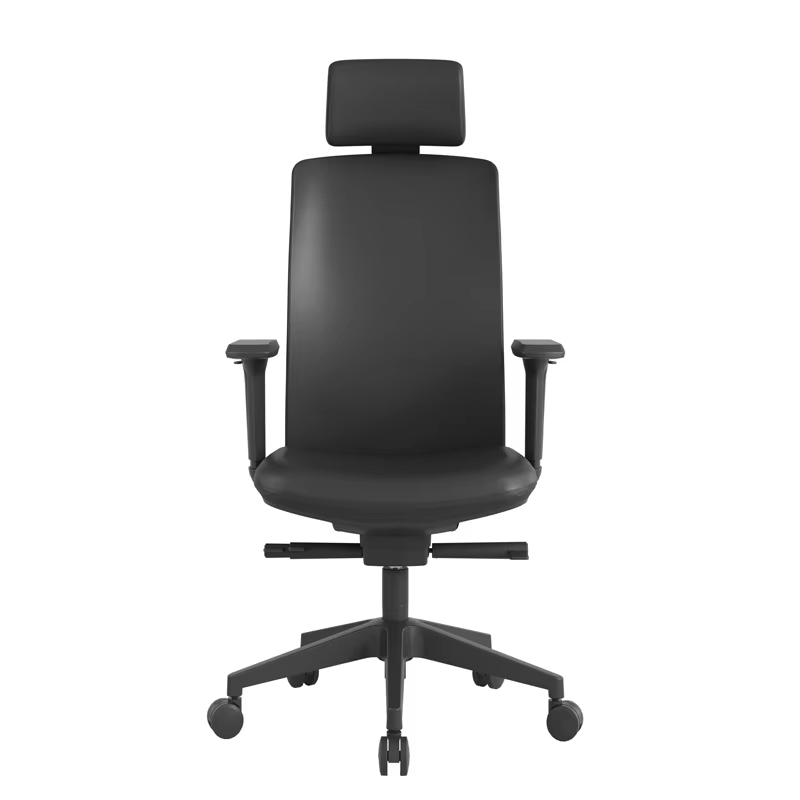
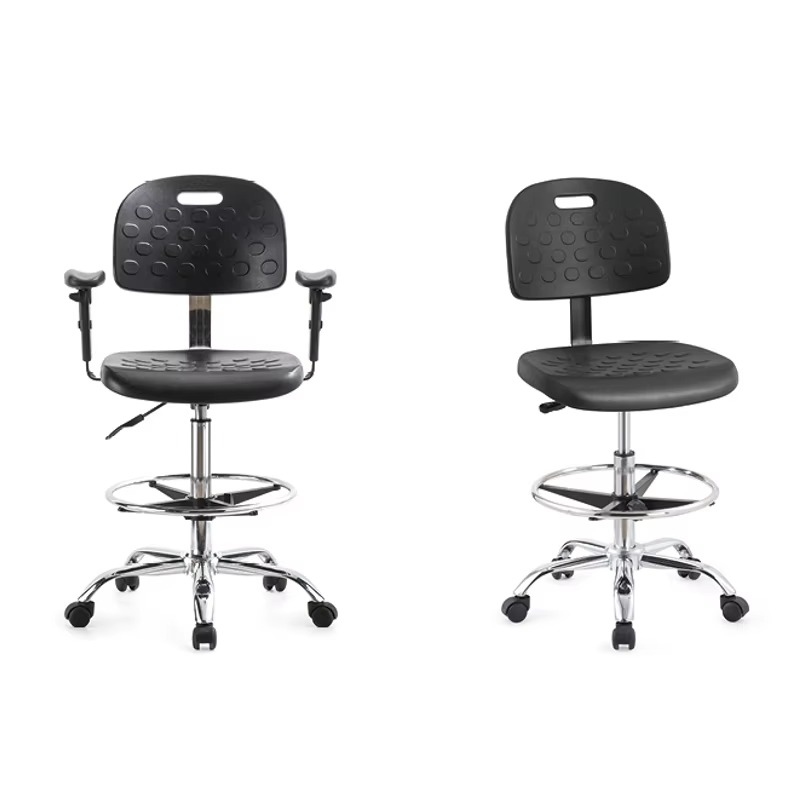
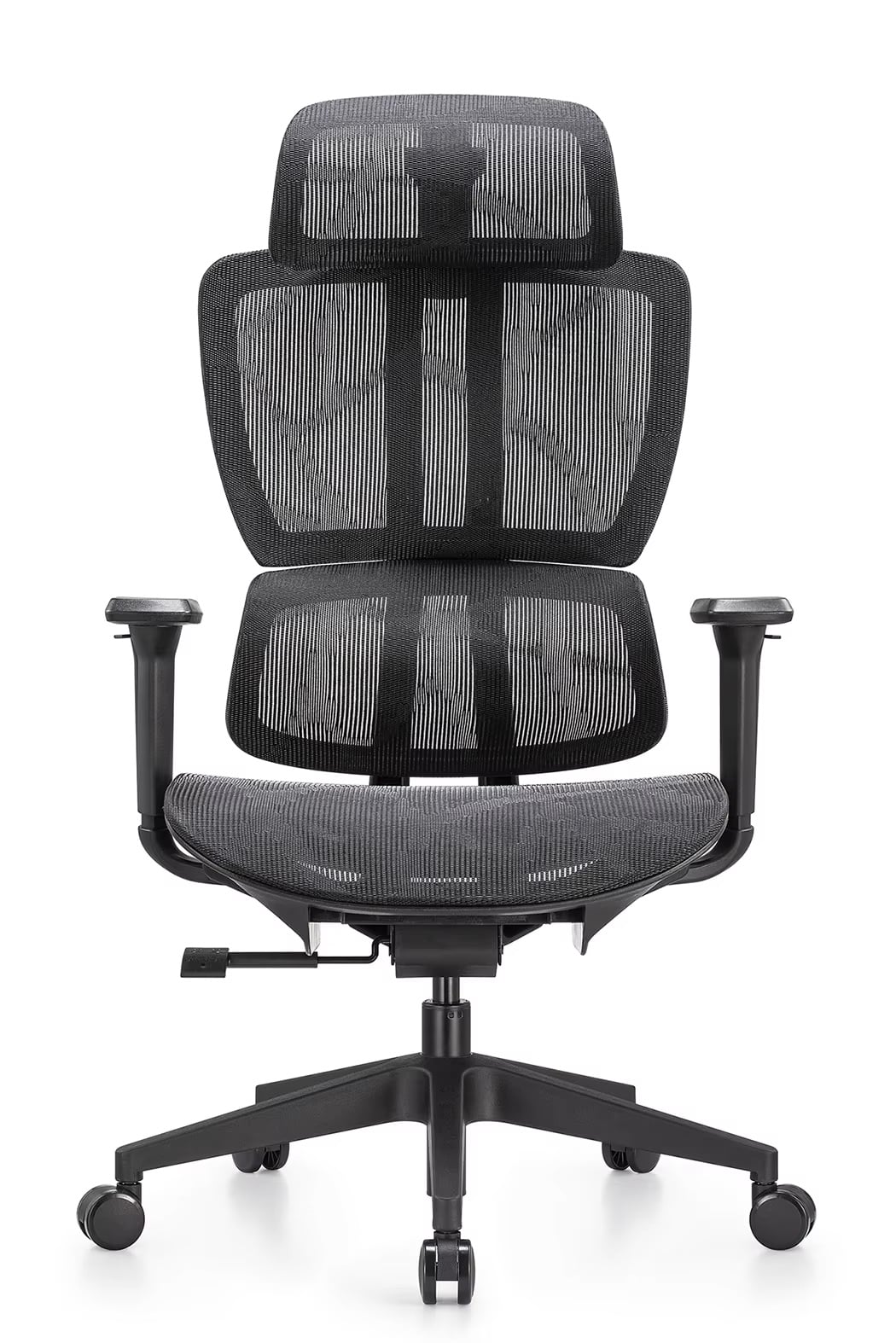
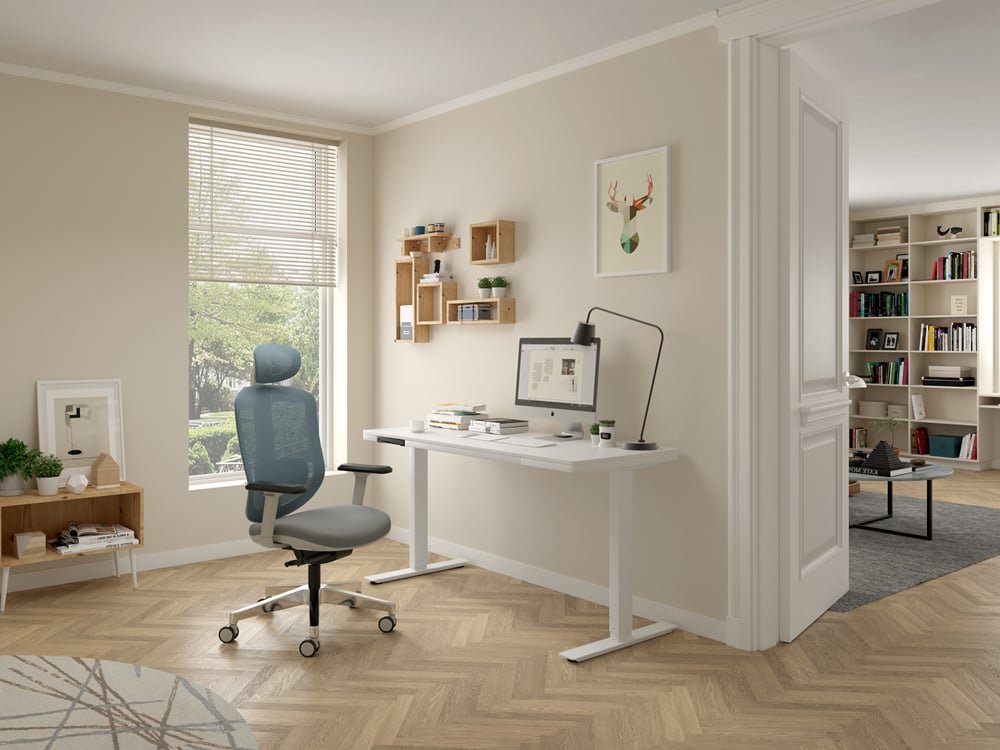
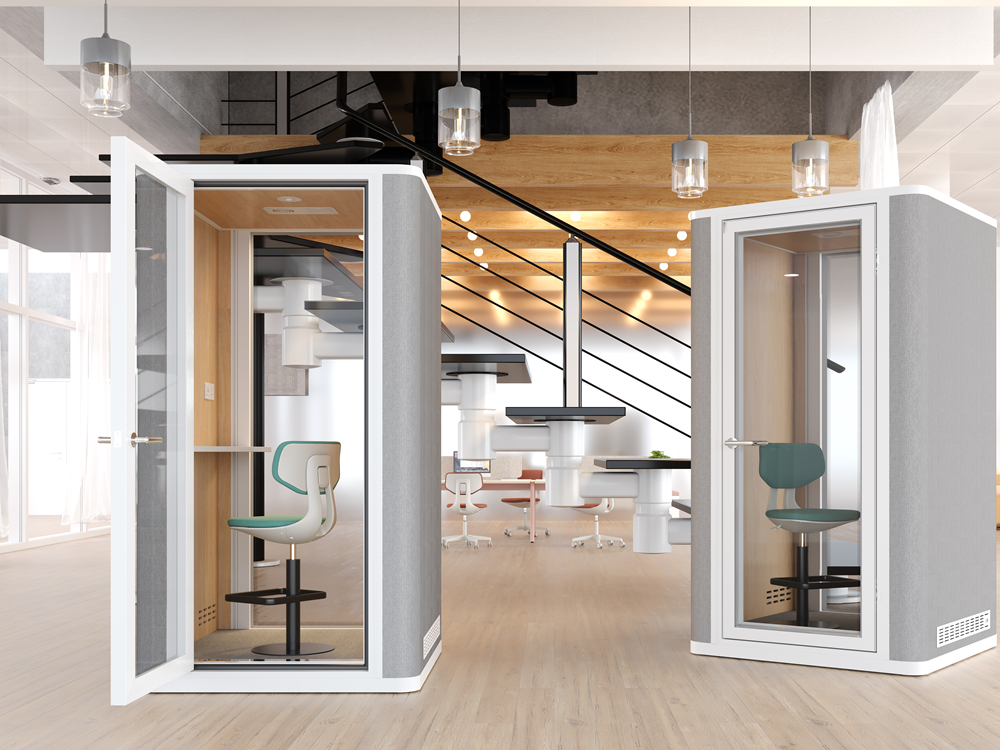
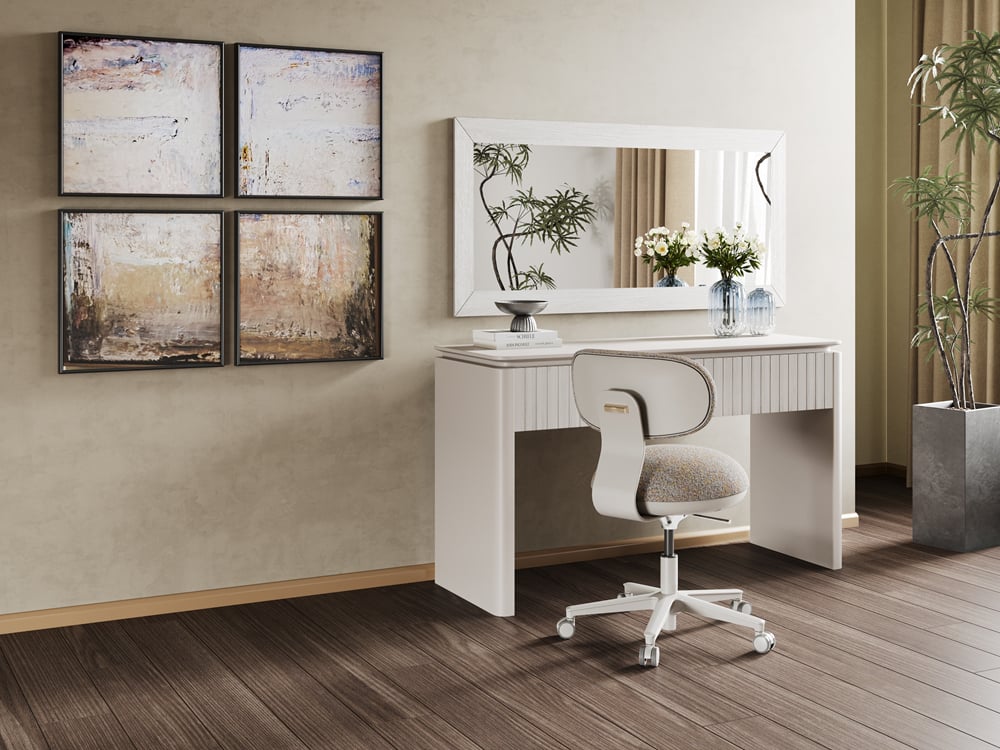
Modern workplaces are increasingly diverse, encompassing employees of different ages, body types, work styles, and physical needs. This diversity presents unique challenges for employers seeking to create comfortable and productive work environments. Ergonomic office chairs have emerged as a critical solution for addressing the varied requirements of today's workforce, offering customizable features that accommodate different employee groups while promoting health, comfort, and productivity across the organization.
The traditional one-size-fits-all approach to office seating fails to recognize the unique physiological and ergonomic needs of individual employees. Different body sizes, heights, weights, and medical conditions require specific adjustments and support mechanisms. Companies that invest in versatile ergonomic office chairs demonstrate their commitment to employee wellbeing while reducing the risk of workplace injuries and associated costs. These specialized chairs provide the flexibility needed to accommodate diverse employee groups effectively.
Understanding the relationship between proper seating and employee performance is essential for creating inclusive work environments. When employees feel comfortable and supported throughout their workday, they experience less fatigue, fewer distractions from discomfort, and improved focus on their tasks. This directly translates to enhanced productivity and job satisfaction across all employee demographics.
Understanding Diverse Employee Ergonomic Requirements
Physical Variations and Body Types
Employee populations encompass significant variations in height, weight, and body proportions that directly impact seating needs. Taller employees require chairs with higher seat backs and adjustable armrests to properly support their frame, while shorter individuals need seats that allow their feet to rest flat on the floor with appropriate thigh support. Ergonomic office chairs with extensive adjustment ranges can accommodate these physical differences through features like pneumatic height adjustment, seat depth modification, and variable lumbar support positioning.
Weight distribution also plays a crucial role in determining appropriate seating solutions. Heavier employees benefit from chairs with reinforced frames, wider seat cushions, and enhanced stability mechanisms. Conversely, lighter individuals may prefer chairs with more responsive tilt mechanisms and lighter adjustment forces. Modern ergonomic office chairs incorporate weight-sensitive features that automatically adjust to user preferences, ensuring optimal comfort regardless of body type.
Gender differences in body structure further influence seating requirements. Women typically have different hip-to-shoulder ratios and may require chairs with narrower seat widths and differently positioned lumbar support. Men often need broader seats and armrests positioned to accommodate wider shoulder spans. Quality ergonomic office chairs address these variations through comprehensive adjustability features that allow fine-tuning for individual anatomical differences.
Age-Related Considerations
Different age groups within the workforce present distinct ergonomic challenges that must be addressed through thoughtful seating solutions. Younger employees often have greater flexibility and may prefer dynamic seating options that encourage movement throughout the day. Ergonomic office chairs with active sitting features, such as flexible backrests and tilt mechanisms, can help maintain energy levels and prevent stiffness in younger workers who may sit for extended periods.
Middle-aged employees frequently begin experiencing the early signs of age-related physical changes, including reduced flexibility and increased susceptibility to back pain. These workers benefit from ergonomic office chairs with enhanced lumbar support, adjustable headrests, and cushioning that reduces pressure points. The chairs should provide stable support while still allowing for natural movement and position changes throughout the workday.
Older employees may have established musculoskeletal conditions, arthritis, or reduced mobility that requires specialized accommodation. Ergonomic office chairs for this demographic should feature easy-to-operate adjustment mechanisms, additional padding for joint comfort, and stable bases that facilitate safe entry and exit. Height-adjustable armrests and seats that rotate smoothly can significantly improve accessibility and comfort for senior employees.
Accommodation Strategies for Special Needs
Medical Conditions and Disabilities
Employees with medical conditions such as chronic back pain, arthritis, or mobility limitations require specialized seating solutions that go beyond standard ergonomic features. Ergonomic office chairs designed for medical accommodation often include memory foam cushioning, advanced lumbar support systems, and therapeutic positioning options. These chairs must provide consistent support throughout extended sitting periods while reducing strain on affected areas of the body.
Wheelchair users or employees with limited mobility may need chairs that facilitate easy transfers or accommodate assistive devices. Some ergonomic office chairs feature removable armrests, swivel mechanisms that lock in position, and height ranges that align with wheelchair transfers. These specialized features ensure that all employees can participate fully in the workplace regardless of their physical limitations.
Pregnant employees represent another group with changing ergonomic needs throughout their employment period. ergonomic office chairs with adjustable seat depth, removable lumbar support, and flexible positioning can adapt to the changing body shape and comfort requirements during pregnancy. The ability to modify seating arrangements as needed ensures continued comfort and support throughout this period.
Work Style Adaptations
Different job functions and work styles require varying levels of mobility and support from office seating. Employees who spend most of their time at computers need chairs that promote proper typing posture and reduce eye strain through appropriate height positioning. Ergonomic office chairs with synchronized tilt mechanisms allow these workers to maintain optimal screen distance while shifting positions throughout the day.
Collaborative workers who frequently move between desks, meeting rooms, and workstations benefit from lightweight, mobile ergonomic office chairs with smooth-rolling casters and compact designs. These chairs should provide immediate comfort without requiring extensive adjustment time, allowing employees to remain productive during frequent relocations. Quick-adjust features and intuitive controls enhance the user experience in dynamic work environments.
Creative professionals and executives who spend time in meetings or client interactions may prioritize aesthetic appeal alongside ergonomic function. High-quality ergonomic office chairs can combine sophisticated design elements with comprehensive support features, ensuring that professional image requirements do not compromise employee comfort. These chairs often feature premium materials and refined styling while maintaining all essential ergonomic capabilities.
Implementation and Management Best Practices
Assessment and Selection Processes
Successful implementation of ergonomic office chairs for diverse employee groups begins with comprehensive workplace assessments that identify specific needs and preferences across the organization. Conducting employee surveys, physical evaluations, and workstation analyses provides valuable data for selecting appropriate seating solutions. This information helps determine the range of adjustability required and identifies any special accommodation needs within the workforce.
Involving employees in the selection process ensures higher satisfaction rates and better utilization of ergonomic features. Trial periods with different ergonomic office chairs allow workers to experience various options and provide feedback on comfort, functionality, and ease of use. This participatory approach helps identify the most suitable chairs for different employee groups while building buy-in for the ergonomic program.
Working with qualified ergonomic specialists or occupational health professionals can provide expert guidance in chair selection and fitting processes. These professionals can assess individual employee needs, recommend specific ergonomic office chairs, and provide training on proper adjustment techniques. Their expertise ensures that seating solutions address both immediate comfort needs and long-term health considerations.
Training and Support Programs
Providing comprehensive training on ergonomic office chairs usage is essential for maximizing the benefits of diverse seating solutions. Training programs should cover proper adjustment techniques, optimal sitting postures, and the importance of regular position changes throughout the workday. Employees need to understand how to customize their chairs to meet their individual needs and preferences effectively.
Ongoing support and maintenance programs ensure that ergonomic office chairs continue to function properly and meet employee needs over time. Regular check-ins with employees can identify emerging issues, changes in comfort requirements, or the need for adjustments as job roles evolve. Maintenance schedules that include cleaning, lubrication, and component replacement help preserve chair functionality and extend service life.
Creating internal ergonomic champions or ambassadors can help sustain proper usage practices and identify opportunities for improvement. These trained employees can assist colleagues with chair adjustments, recognize potential ergonomic issues, and serve as liaisons between management and staff regarding seating concerns. This peer support system enhances the overall effectiveness of the ergonomic program.
Technology Integration and Future Considerations
Smart Chair Technologies
Advanced ergonomic office chairs now incorporate sensor technologies that monitor sitting patterns, posture quality, and movement frequency throughout the workday. These smart chairs can provide real-time feedback to users and generate reports for occupational health professionals. The data collected helps optimize individual seating configurations and identify trends across different employee groups that may require attention.
Integration with workplace wellness platforms allows ergonomic office chairs to contribute to broader employee health initiatives. Chairs equipped with activity sensors can encourage regular movement breaks, track daily sitting time, and provide personalized recommendations for posture improvement. This technology helps employees develop healthier sitting habits while providing employers with valuable insights into workplace ergonomics effectiveness.
Artificial intelligence applications in ergonomic office chairs can automatically adjust settings based on user behavior patterns and preferences. Machine learning algorithms analyze sitting patterns over time and make predictive adjustments to optimize comfort and support throughout the day. These intelligent systems reduce the burden on employees to manually adjust their chairs while ensuring consistent ergonomic benefits.
Sustainability and Long-Term Planning
Sustainable design principles in ergonomic office chairs focus on durability, repairability, and environmental responsibility. Chairs constructed with high-quality materials and modular designs can adapt to changing employee needs over extended periods, reducing replacement frequency and environmental impact. Manufacturers increasingly offer refurbishment programs and component replacement services that extend chair lifespan significantly.
Planning for workforce evolution requires consideration of demographic trends and changing work patterns that may influence future seating needs. As remote work becomes more prevalent, ergonomic office chairs must accommodate hybrid work arrangements where employees may use the same chair in different environments. Portable adjustment mechanisms and universal compatibility features help chairs adapt to various workspace configurations.
Investment in high-quality ergonomic office chairs represents a long-term commitment to employee wellbeing that can yield significant returns through reduced healthcare costs, improved productivity, and enhanced employee retention. Organizations that prioritize inclusive seating solutions demonstrate their commitment to creating equitable work environments where all employees can thrive regardless of their individual physical needs or characteristics.
FAQ
How do I determine which ergonomic office chair features are most important for my diverse workforce
Start by conducting a comprehensive assessment of your employee demographics, including age ranges, physical variations, job functions, and any known medical conditions or accessibility needs. Survey employees about their current comfort levels and specific pain points with existing seating. Consider factors such as height and weight ranges, work styles, and any special accommodation requirements. This data will help identify the most critical adjustability features needed, such as seat height ranges, lumbar support options, and armrest configurations that can accommodate your specific employee population.
What is the recommended process for transitioning to new ergonomic office chairs across different employee groups
Implement a phased rollout that begins with pilot testing among representative employee groups to gather feedback and identify any issues before full deployment. Provide comprehensive training sessions that cover proper chair adjustment techniques and ergonomic best practices tailored to different user needs. Establish a support system with designated ergonomic coordinators who can assist employees with chair setup and ongoing adjustments. Allow for a transition period where employees can request modifications or alternative options if the initial chair selection does not meet their specific requirements.
How often should ergonomic office chairs be reassessed or replaced to maintain effectiveness for diverse employee needs
Conduct annual ergonomic assessments to evaluate chair condition, employee satisfaction, and any changes in workforce demographics or job requirements. Monitor wear patterns and mechanical function of chair components, particularly in high-use environments. Replace chairs when adjustment mechanisms fail, cushioning loses support properties, or when employee needs change significantly due to medical conditions or job role modifications. High-quality ergonomic office chairs typically maintain effectiveness for 7-10 years with proper maintenance, but individual replacement needs may vary based on usage patterns and employee requirements.
What are the key metrics for measuring the success of ergonomic office chair implementation across diverse employee groups
Track employee satisfaction surveys focusing on comfort levels, pain reduction, and overall seating experience across different demographic groups. Monitor workplace injury reports, particularly those related to musculoskeletal disorders, to identify trends and improvements following chair implementation. Measure productivity indicators and absenteeism rates before and after ergonomic chair deployment to assess broader workplace impact. Conduct regular follow-up assessments to ensure chairs continue meeting diverse employee needs and identify opportunities for program refinement or expansion.


