
 EN
EN
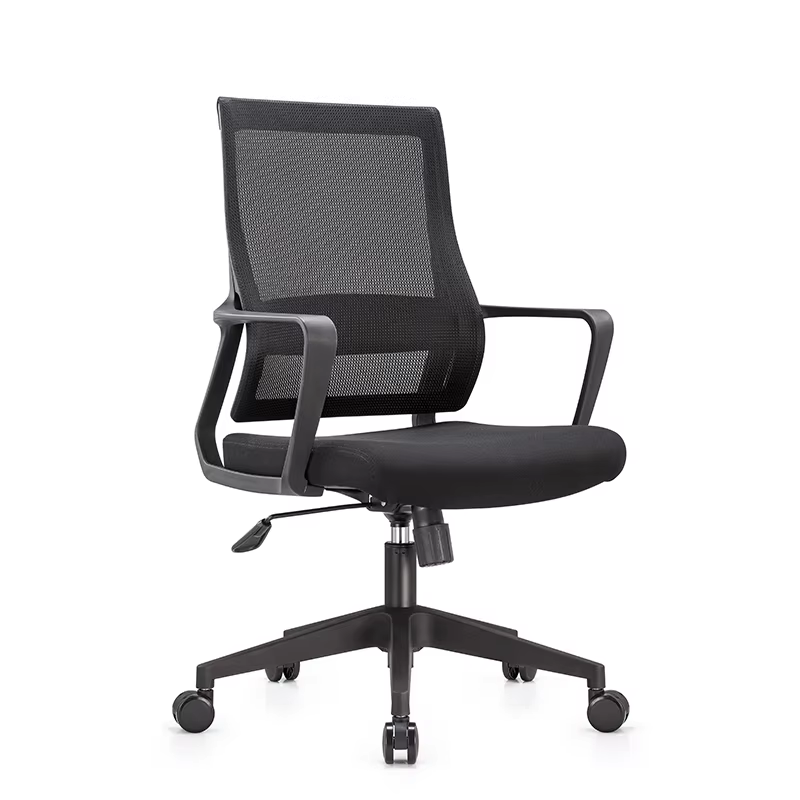
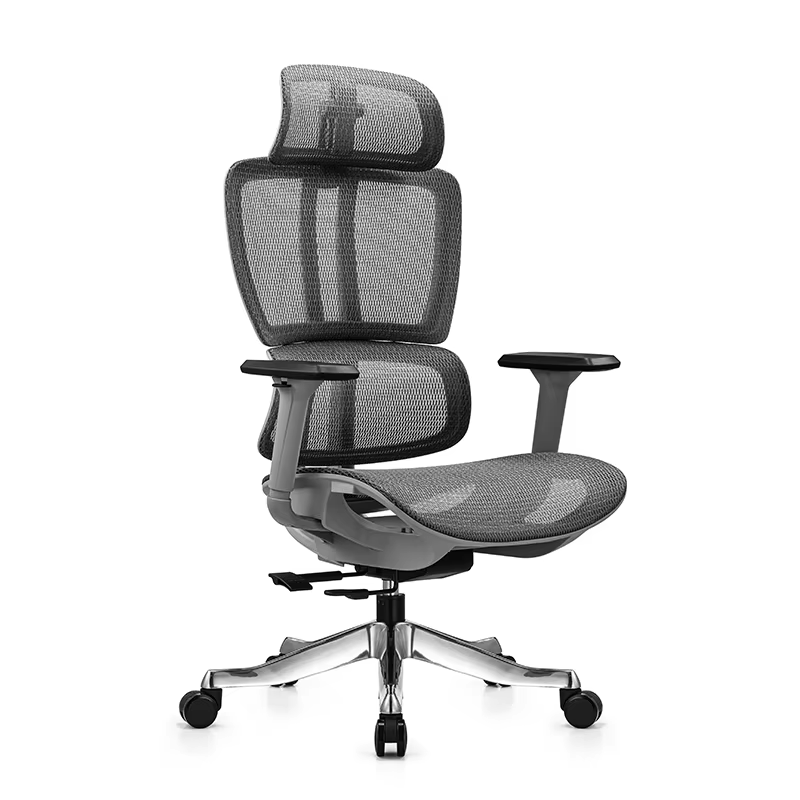
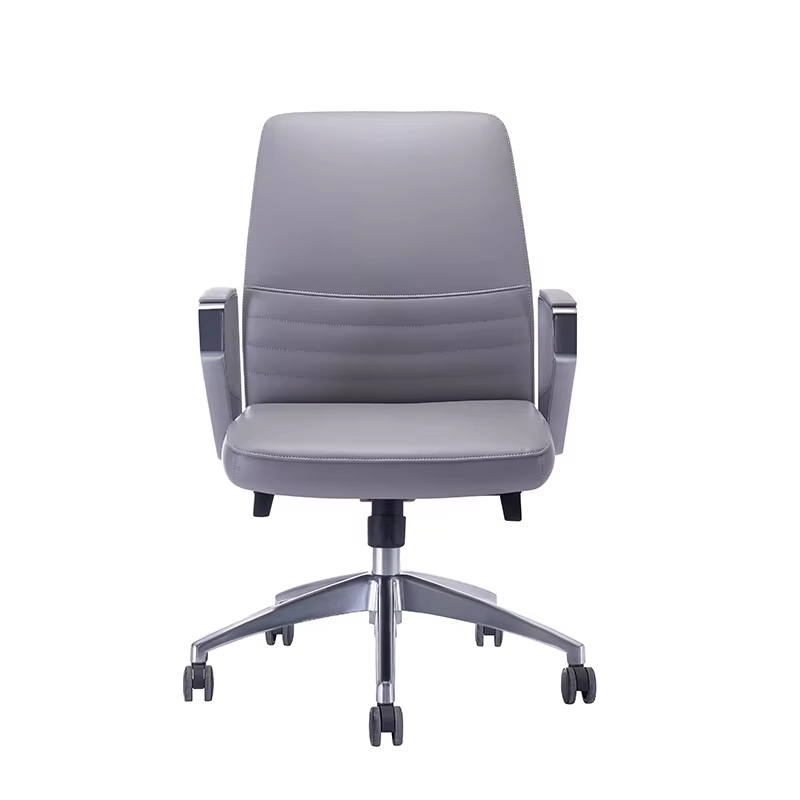
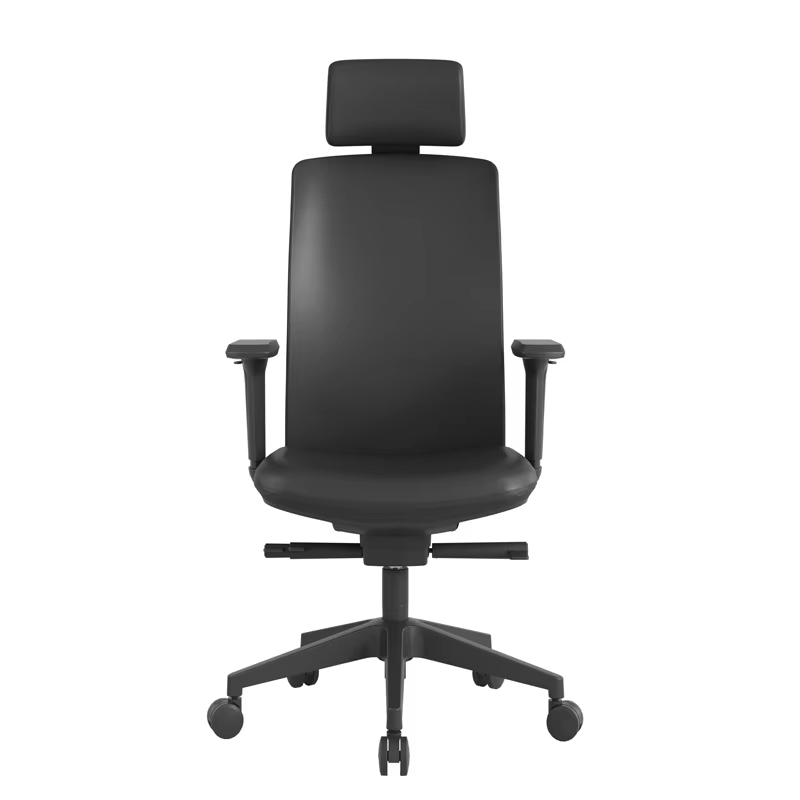
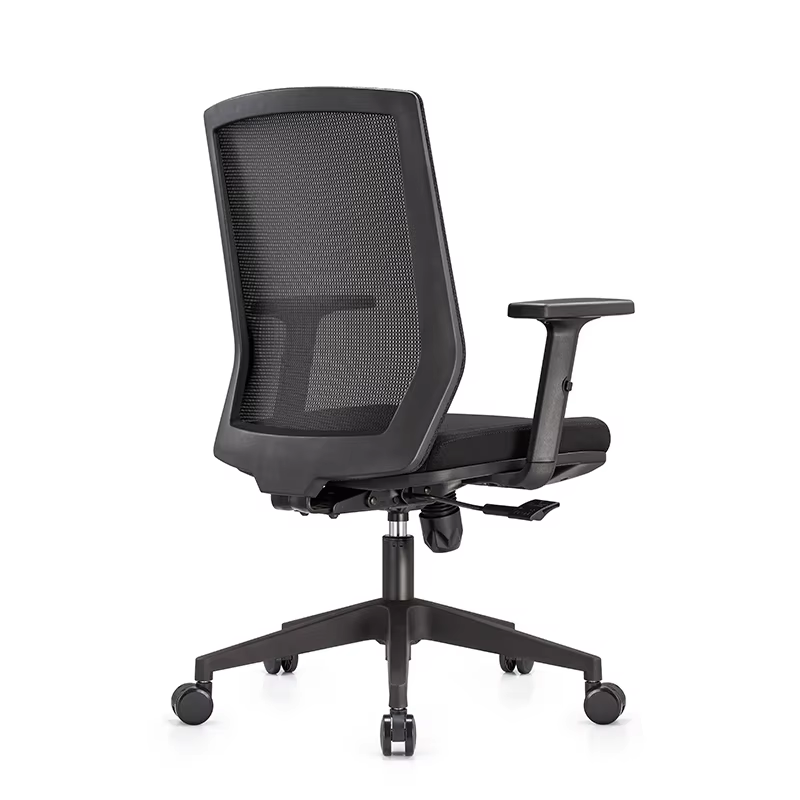
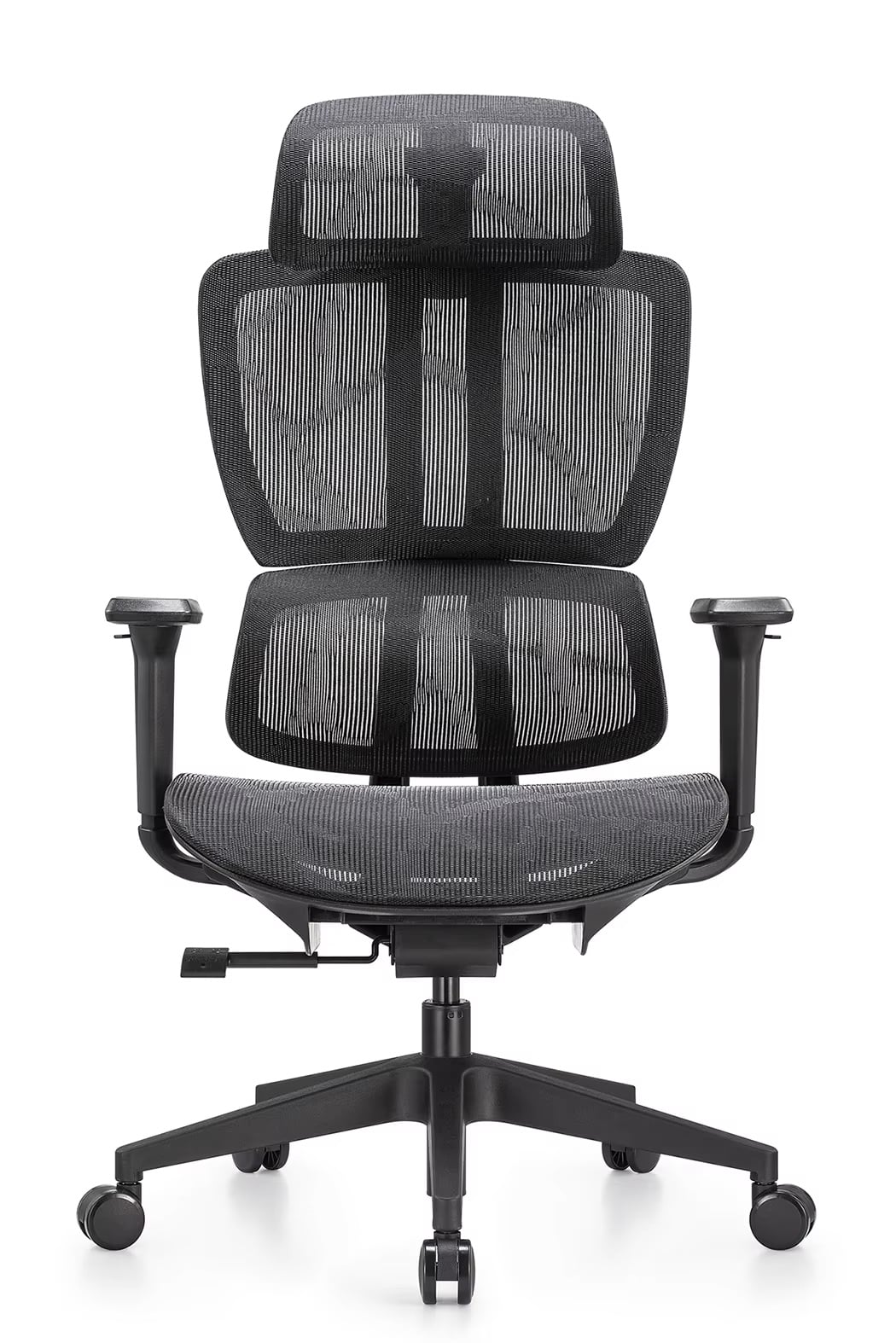
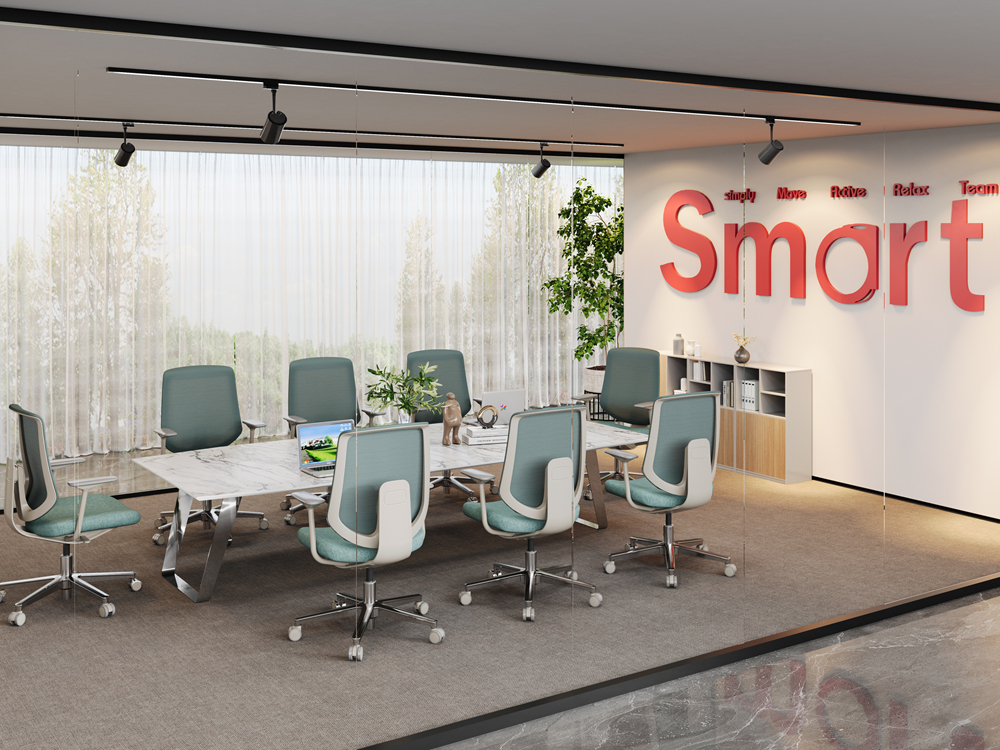
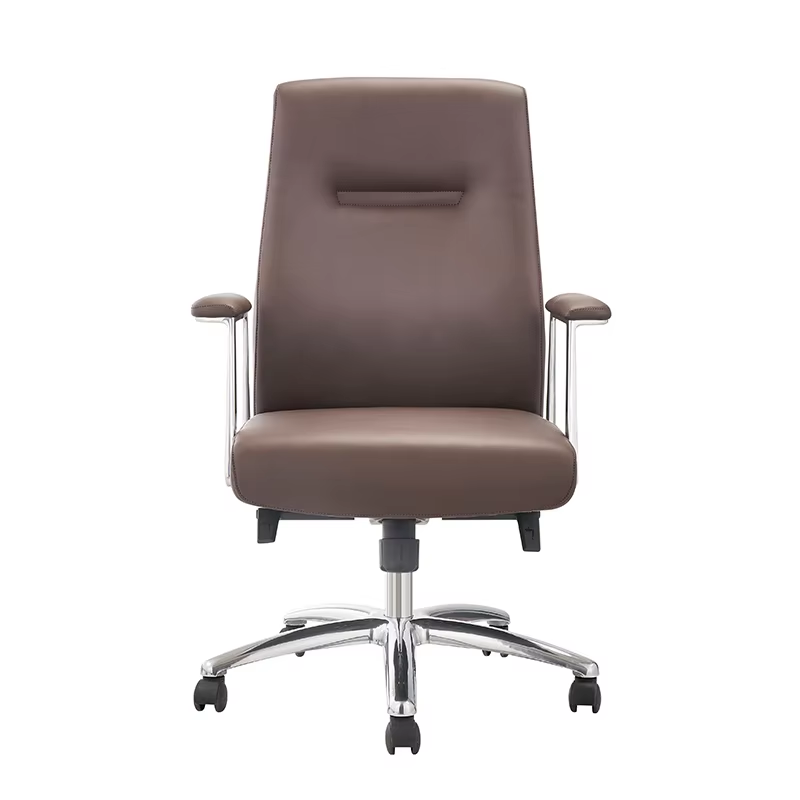
Modern workplace design has evolved significantly over the past decade, with organizations increasingly recognizing the critical role that furniture selection plays in creating efficient, productive work environments. Among all office furniture elements, office chairs stand out as fundamental components that directly influence space utilization, employee comfort, and overall operational efficiency. The strategic selection and placement of office chairs can transform cramped, inefficient workspaces into streamlined environments that maximize every square foot while supporting employee wellbeing and productivity.
Space management in contemporary offices extends far beyond simple furniture arrangement. It encompasses comprehensive planning that considers traffic flow, ergonomic requirements, collaborative needs, and future scalability. Office chairs serve as anchor points in this complex equation, determining not only seating capacity but also influencing desk spacing, walkway dimensions, and overall room functionality. Understanding how different chair designs and configurations impact spatial efficiency enables facility managers and business owners to make informed decisions that optimize their real estate investments.
Ergonomic Design Impact on Workspace Efficiency
Adjustability Features and Space Utilization
Modern ergonomic office chairs incorporate multiple adjustment mechanisms that directly affect space requirements and utilization patterns. Height adjustment capabilities allow the same chair to accommodate various desk configurations and user preferences without requiring additional furniture modifications. Armrest adjustments enable chairs to slide completely under desks when not in use, significantly reducing the spatial footprint during non-working hours or when reconfiguring spaces for meetings and events.
The tilt and recline functions of quality office chairs create dynamic space usage patterns throughout the workday. When employees can adjust their seating position for different tasks, they naturally create varying spatial requirements that can be optimized through strategic planning. Forward tilt positions require less clearance behind the chair, while reclined positions demand additional space but often indicate break periods when walkways experience reduced traffic.
Compact Footprint Considerations
Contemporary office chairs are increasingly designed with space efficiency as a primary consideration. Slender profiles, reduced base dimensions, and streamlined armrest designs enable facility managers to position workstations closer together without compromising employee comfort or mobility. These space-conscious designs become particularly valuable in high-rent urban environments where every square foot carries significant cost implications.
The integration of storage solutions within office chairs represents an emerging trend that further enhances space efficiency. Some models incorporate under-seat storage compartments or side-mounted accessories that eliminate the need for additional storage furniture, creating cleaner, more organized work environments while maximizing available floor space for productive activities.
Traffic Flow Optimization Through Strategic Chair Placement
Corridor Width Planning
Effective space management requires careful consideration of how office chairs affect pedestrian traffic patterns throughout the workplace. Standard workplace safety guidelines recommend minimum corridor widths of 44 inches to accommodate wheelchair accessibility and emergency evacuation requirements. However, the actual space needed varies significantly based on chair design, user behavior patterns, and peak traffic periods.
Office chairs with swivel capabilities and smooth-rolling casters facilitate easier movement in and out of workstations, reducing the space required for user transitions. This improved mobility translates to more efficient traffic flow and enables facility managers to optimize desk spacing without creating bottlenecks or congestion during busy periods. The office chairs selected for high-traffic areas should prioritize mobility features that support seamless movement patterns.
Meeting and Collaboration Area Design
Flexible office chairs play crucial roles in creating adaptable spaces that can quickly transition between individual work and collaborative activities. Lightweight, easily movable chairs enable spontaneous meeting formations without disrupting adjacent workstations or requiring dedicated conference room reservations. This flexibility becomes increasingly important as organizations adopt hybrid work models that demand dynamic space utilization throughout the day.
The ability to nest or stack certain office chairs provides additional space management benefits for organizations that regularly reconfigure their layouts. During large meetings, presentations, or special events, chairs that can be efficiently stored or relocated maximize available floor space while maintaining the option to quickly restore normal working configurations.
Density Optimization and Capacity Planning
Workstation Layout Strategies
Maximizing seating density while maintaining comfortable working conditions requires sophisticated planning that considers both human factors and spatial constraints. Office chairs with compact designs enable closer workstation spacing, potentially increasing capacity by 15-20% compared to traditional bulky seating options. However, this optimization must balance density gains against employee comfort, privacy needs, and acoustic considerations.
The selection of office chairs with appropriate back heights significantly impacts sight lines and perceived privacy within open office environments. Lower-profile chairs maintain visual openness that can make spaces feel larger and more connected, while higher-back options provide greater privacy and focus but may create a more enclosed feeling that could negatively impact spatial perception.
Scalability and Future Growth Planning
Forward-thinking space management involves selecting office chairs that support future organizational growth and changing work patterns. Modular chair systems that can be easily reconfigured, upgraded, or expanded provide long-term value while maintaining consistency in design and functionality. This approach reduces the need for complete furniture replacements during office expansions or relocations.
The durability and longevity of office chairs directly impact space management efficiency over time. High-quality chairs that maintain their appearance and functionality for extended periods reduce the disruption and spatial inefficiencies associated with frequent furniture replacement cycles. This stability enables more effective long-term space planning and reduces the hidden costs associated with furniture turnover.
Technology Integration and Smart Space Solutions
Connected Chair Systems
Emerging smart office chairs equipped with sensors and connectivity features are revolutionizing space management by providing real-time occupancy data and usage patterns. These intelligent systems enable facility managers to identify underutilized areas, optimize cleaning schedules, and make data-driven decisions about space reallocation. The insights generated by connected office chairs support more efficient space planning and can identify opportunities for capacity optimization.
Integration with building management systems allows smart office chairs to contribute to environmental controls, automatically adjusting lighting, temperature, and ventilation based on actual occupancy rather than scheduled assumptions. This integration improves energy efficiency while ensuring that occupied spaces maintain optimal comfort conditions, supporting both sustainability goals and employee satisfaction.
Mobile and Flexible Work Support
The rise of mobile work styles within office environments has created new demands for office chairs that can easily transition between different workspace configurations. Lightweight, mobile chairs with integrated technology support enable employees to move seamlessly between individual work areas, collaboration zones, and temporary meeting spaces while maintaining consistent ergonomic support.
Wireless charging capabilities integrated into office chairs eliminate the need for power outlets at every workstation, enabling more flexible space layouts and reducing infrastructure requirements. This technology integration supports hot-desking initiatives and activity-based working models that maximize space utilization by allowing employees to work from any available location.
Cost-Effectiveness and ROI in Space Management
Real Estate Optimization Value
The financial impact of effective office chairs selection extends beyond initial purchase costs to encompass significant real estate optimization benefits. In markets where commercial space costs exceed $50 per square foot annually, the space efficiency gained through strategic chair selection can generate substantial cost savings. Organizations that optimize their seating arrangements can often accommodate the same workforce in 10-15% less space, translating to meaningful reductions in occupancy costs.
The relationship between office chairs quality and employee productivity creates additional financial benefits that support space management investments. Comfortable, well-designed seating reduces absenteeism, improves focus, and supports longer productive work sessions, effectively increasing the value generated per square foot of office space. This productivity enhancement often justifies premium chair investments through improved output rather than increased space requirements.
Maintenance and Lifecycle Considerations
Durable office chairs with extended warranties and serviceable components reduce the long-term costs associated with space management by minimizing disruption from furniture repairs and replacements. High-quality chairs that maintain their functionality and appearance for 10-12 years provide stable space planning foundations and reduce the administrative burden of managing furniture inventories and replacement cycles.
The serviceability of office chairs impacts space management efficiency by determining whether repairs can be completed in place or require furniture removal and temporary replacements. Chairs designed for easy maintenance and component replacement minimize workspace disruption and maintain consistent space utilization patterns throughout their operational lifecycle.
FAQ
How much space should be allocated per office chair in an open workspace
Standard space allocation recommendations suggest 35-50 square feet per workstation, including the chair area, in open office environments. However, the specific space required depends on chair design, desk configuration, and traffic patterns. Ergonomic office chairs with compact footprints may require as little as 30 square feet per station, while executive chairs in private offices might need 60-80 square feet to accommodate larger dimensions and increased functionality.
What chair features contribute most to space efficiency in modern offices
The most impactful features for space efficiency include adjustable armrests that allow chairs to slide under desks, compact base designs that minimize floor space requirements, and lightweight construction that facilitates easy repositioning. Additionally, chairs with nesting or stacking capabilities provide significant space savings during reconfiguration, while swivel mechanisms and smooth casters improve traffic flow and reduce space needed for user movements.
How do office chairs affect compliance with accessibility requirements
Office chairs play a crucial role in maintaining ADA compliance by ensuring adequate clearance for wheelchair access and emergency egress. Properly selected office chairs help maintain the required 32-inch minimum clear width for accessible routes and 44-inch corridors for two-way traffic. Chair height adjustability also supports reasonable accommodation requirements by enabling workstations to accommodate users with varying physical needs without requiring custom furniture solutions.
What is the optimal replacement cycle for office chairs from a space management perspective
From a space management standpoint, office chairs should be replaced every 8-12 years, depending on usage intensity and quality. This cycle balances the benefits of newer, more space-efficient designs against the disruption and costs of furniture replacement. However, organizations experiencing rapid growth or significant layout changes may benefit from shorter replacement cycles of 5-7 years to ensure their seating supports evolving space management needs and maintains consistency with contemporary workplace design standards.


