
 EN
EN
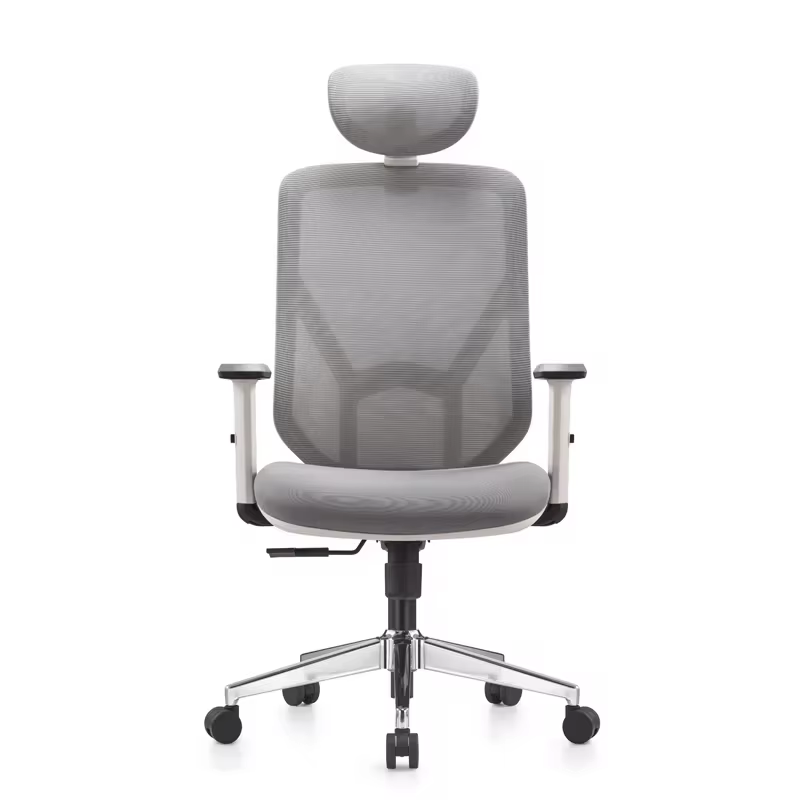
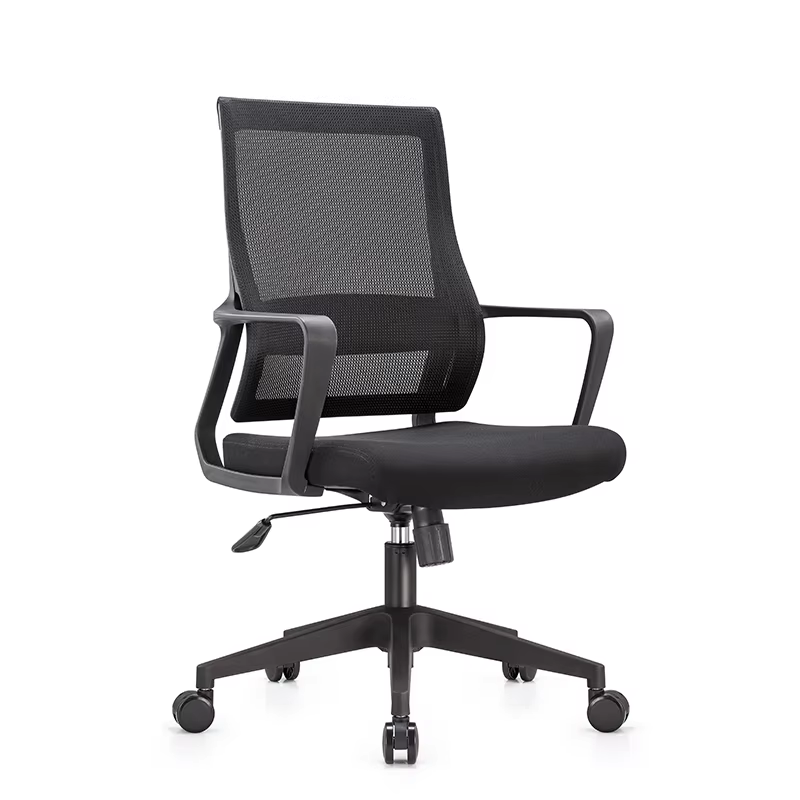
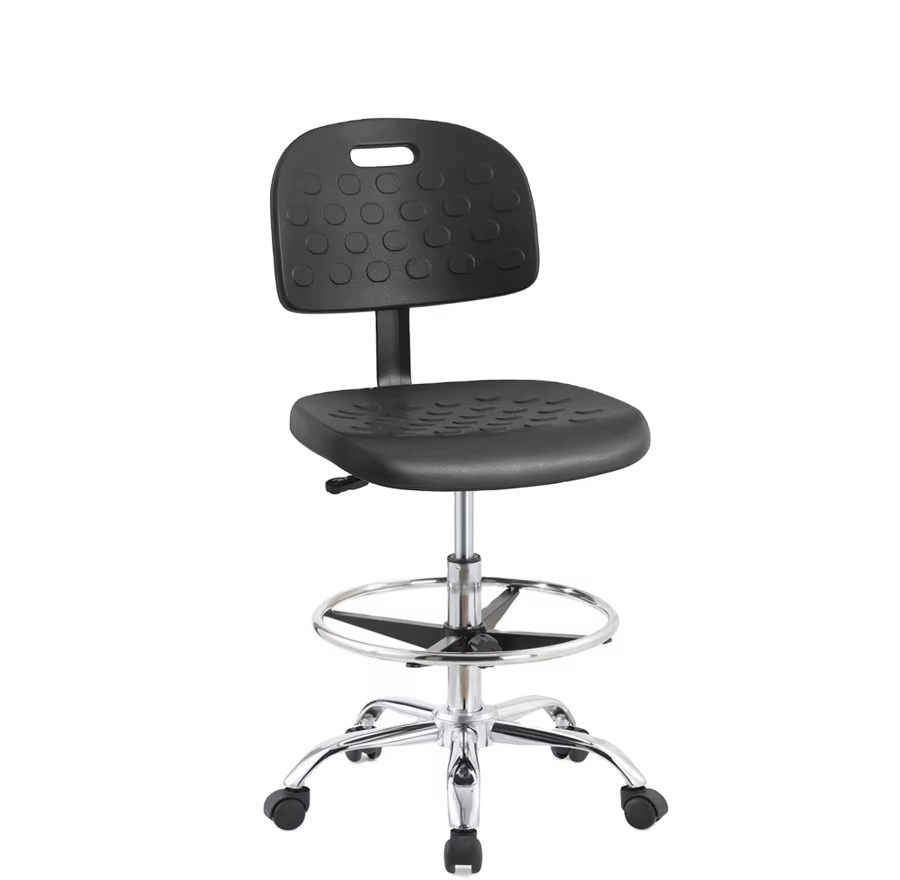
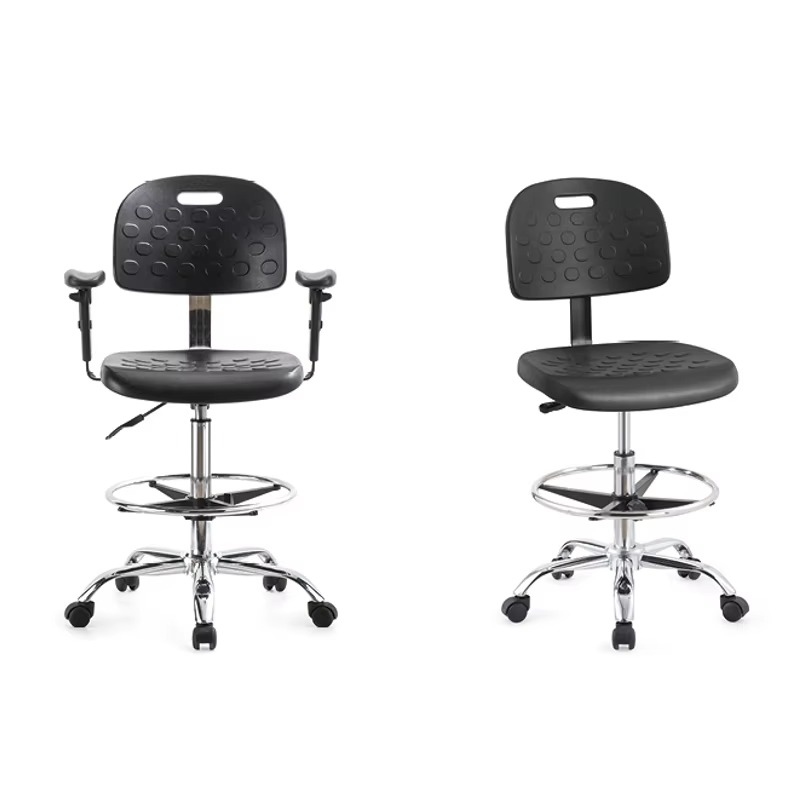
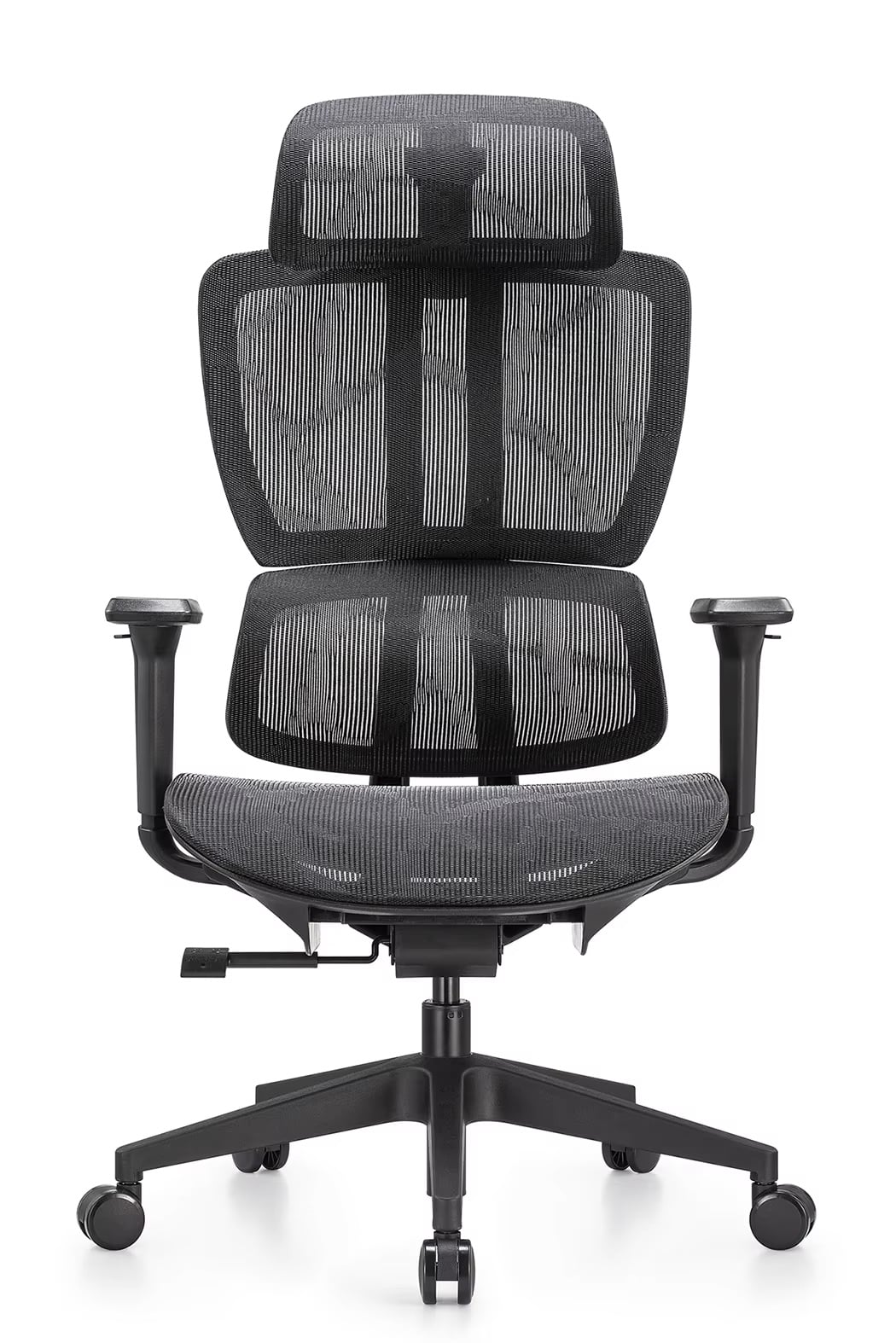
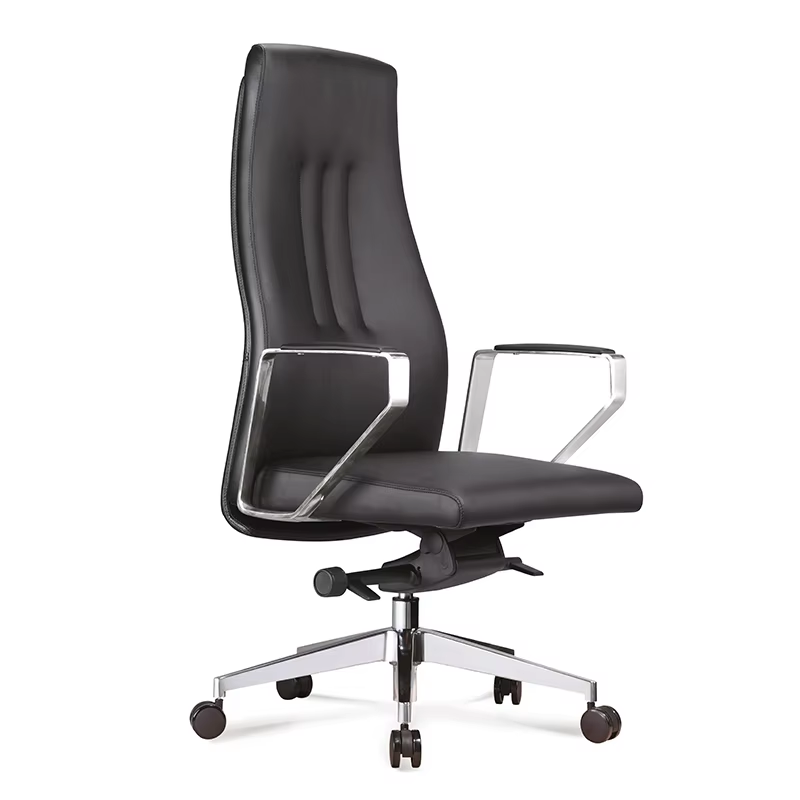
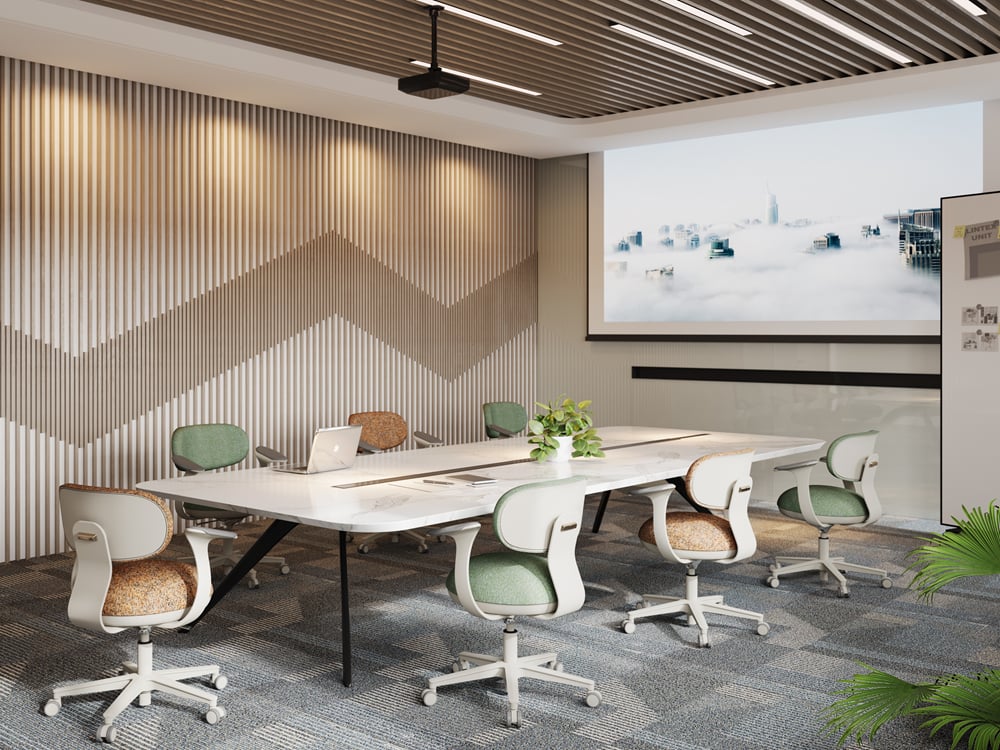
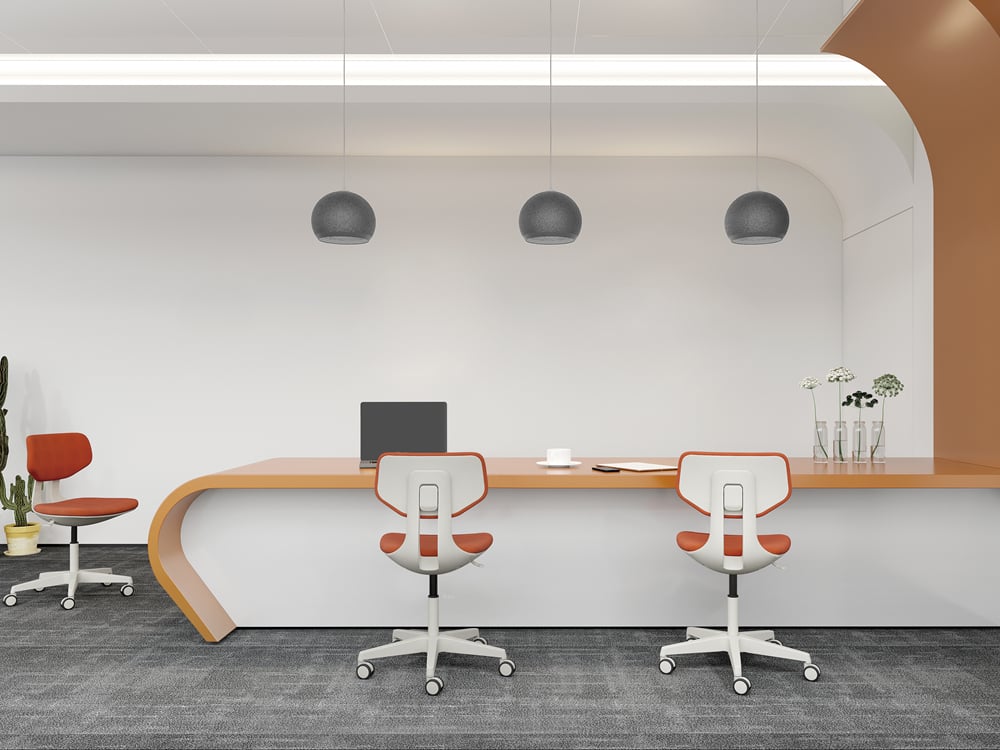
Healthcare professionals spend countless hours on their feet and in seated positions, making ergonomic seating solutions essential for maintaining comfort and productivity throughout demanding workdays. A well-designed medical office chair serves as more than just a place to sit—it becomes a critical tool that supports proper posture, reduces fatigue, and enhances overall job performance. The unique demands of medical environments require specialized seating that can adapt to various tasks while providing consistent support during long shifts.
The physical demands placed on healthcare workers extend far beyond what most office environments require. From conducting patient examinations to performing detailed procedures, medical professionals need seating that can seamlessly transition between different working positions. Traditional office chairs often fall short in medical settings, lacking the specific features necessary to support the dynamic nature of healthcare work. Understanding how specialized medical seating addresses these unique challenges is crucial for creating comfortable and efficient work environments.
Ergonomic Design Features That Matter in Healthcare Settings
Height Adjustability and Mobility Requirements
Medical environments demand exceptional flexibility in seating arrangements, with healthcare professionals frequently moving between patients, workstations, and equipment. A quality medical office chair incorporates pneumatic height adjustment mechanisms that allow users to quickly modify their seating position to match varying work surfaces and patient bed heights. This adaptability proves essential when transitioning from desk work to patient care activities throughout the day.
The mobility aspect extends beyond simple height adjustment to include smooth-rolling casters designed for medical flooring surfaces. These specialized wheels must navigate seamlessly across different floor types commonly found in healthcare facilities, from carpeted administrative areas to smooth clinical surfaces. The ability to move effortlessly between locations reduces physical strain and improves workflow efficiency during busy periods.
Lumbar Support Systems for Extended Use
Proper lumbar support represents one of the most critical features in medical seating, as healthcare professionals often maintain seated positions for extended periods during documentation, consultation, and administrative tasks. Advanced medical office chair designs incorporate adjustable lumbar support systems that conform to the natural curvature of the spine, preventing the development of lower back pain and related musculoskeletal issues.
The integration of memory foam and contoured support structures helps maintain proper spinal alignment even during long documentation sessions or detailed procedure planning. These features become particularly important for healthcare professionals who spend significant portions of their shifts reviewing patient records, updating treatment plans, or conducting telehealth consultations from their workstations.
Material Selection and Hygiene Considerations
Antimicrobial Fabric Technologies
Healthcare environments require seating materials that can withstand frequent cleaning and disinfection protocols without compromising comfort or durability. Modern medical office chairs utilize advanced antimicrobial fabrics and vinyl coverings that resist bacterial growth while maintaining their structural integrity through repeated sanitization cycles. These materials play a crucial role in infection control efforts within medical facilities.
The selection of appropriate upholstery materials extends beyond hygiene considerations to include breathability and comfort factors. High-quality medical seating incorporates moisture-wicking properties that help regulate temperature during long work periods, preventing the discomfort associated with traditional non-breathable materials commonly found in standard office furniture.
Durability Standards for High-Traffic Environments
Medical facilities represent some of the most demanding environments for furniture durability, with equipment experiencing constant use across multiple shifts and various users. Professional-grade medical office chairs must meet stringent durability standards that account for 24/7 operational demands and frequent repositioning throughout busy workdays. This requirement necessitates robust construction materials and reinforced connection points that can withstand continuous use.
The investment in durable medical seating pays dividends through reduced replacement costs and consistent performance over extended periods. Quality chairs maintain their ergonomic properties and comfort levels even after years of intensive use, ensuring that healthcare professionals continue to receive proper support throughout the furniture's operational lifespan.
Impact on Professional Performance and Well-being
Reducing Physical Strain and Fatigue
The correlation between proper seating and reduced physical strain becomes particularly evident in healthcare settings where professionals face demanding work schedules and high-stress environments. Ergonomic medical office chairs help distribute body weight evenly, reducing pressure points that can lead to discomfort and distraction during critical patient care activities. This support system allows healthcare workers to maintain focus on their primary responsibilities without the distraction of physical discomfort.
Fatigue reduction extends beyond immediate comfort to impact long-term career sustainability for healthcare professionals. By providing proper support for the spine, shoulders, and arms, quality medical seating helps prevent the development of repetitive strain injuries and chronic pain conditions that can affect job performance and quality of life. This preventive approach to ergonomic support represents a valuable investment in staff well-being and retention.
Enhancing Focus and Productivity
Comfortable seating directly influences cognitive performance and attention span, factors that prove critical in healthcare environments where precision and focus can impact patient outcomes. When healthcare professionals are free from physical discomfort and postural strain, they can dedicate their full attention to patient care, documentation accuracy, and clinical decision-making processes.
The psychological benefits of comfortable seating extend to job satisfaction and workplace morale. Healthcare professionals who feel physically supported in their work environment report higher levels of job satisfaction and are more likely to maintain consistent performance standards throughout demanding shifts. This positive cycle contributes to better patient care outcomes and improved workplace dynamics.
Specialized Features for Different Medical Disciplines
Surgical and Procedure Room Requirements
Surgical environments demand specialized seating solutions that accommodate the unique positioning requirements of different procedures while maintaining sterile conditions. Medical office chairs designed for surgical applications often feature sealed construction that prevents contamination while providing the precise positioning control necessary for detailed work. These chairs must support various working postures while allowing for easy cleaning and sterilization between procedures.
The integration of advanced positioning mechanisms allows surgeons and surgical staff to maintain optimal working postures during lengthy procedures. Features such as tilting seats, adjustable armrests, and precision height control help reduce muscle tension and improve steady hand control during delicate operations. These specialized features contribute directly to procedural success and surgeon comfort during extended surgical sessions.
Dental and Clinical Examination Applications
Dental professionals and clinical examiners require seating that supports close-proximity work while allowing for frequent position changes throughout patient appointments. Medical office chairs designed for these applications incorporate compact designs that fit efficiently within examination rooms while providing comprehensive ergonomic support. The ability to position themselves optimally relative to patients and equipment directly impacts work quality and professional comfort.
These specialized chairs often feature 360-degree swivel capabilities and precise height adjustment ranges that accommodate different patient positioning and examination requirements. The seamless transition between positions helps maintain workflow efficiency while ensuring that healthcare professionals can access all areas of their work environment without compromising postural support or comfort levels.
Cost-Benefit Analysis of Quality Medical Seating
Long-term Health Benefits for Staff
Investing in quality medical office chairs represents a proactive approach to employee health and wellness that yields measurable returns through reduced injury rates and improved job satisfaction. Healthcare facilities that prioritize ergonomic seating solutions typically experience lower rates of work-related musculoskeletal disorders among their staff, resulting in decreased workers' compensation claims and reduced absenteeism rates.
The prevention of chronic pain conditions and repetitive strain injuries through proper seating support helps healthcare professionals maintain their careers longer and perform at higher levels throughout their tenure. This benefit extends to improved patient care outcomes, as comfortable and physically supported healthcare workers can focus more effectively on their clinical responsibilities without the distraction of physical discomfort.
Facility Efficiency and Staff Retention
The relationship between workplace comfort and staff retention becomes particularly important in healthcare settings where experienced professionals command premium salaries and replacement costs can be substantial. Facilities that invest in quality medical office chairs demonstrate their commitment to staff well-being, contributing to higher employee satisfaction scores and improved retention rates across all departments.
Operational efficiency gains from proper seating extend to reduced downtime for equipment adjustments and fewer interruptions related to comfort-related complaints. When healthcare professionals have access to properly adjusted, comfortable seating, they can maintain consistent productivity levels throughout their shifts without frequent breaks or position adjustments that can disrupt workflow patterns.
FAQ
What makes a medical office chair different from a regular office chair
Medical office chairs are specifically designed to meet the unique demands of healthcare environments, featuring antimicrobial materials, enhanced mobility, and specialized adjustment mechanisms that support the dynamic nature of medical work. They must withstand frequent cleaning and disinfection while providing superior ergonomic support for healthcare professionals who transition between various tasks throughout their shifts. Additionally, medical chairs often incorporate features like sealed construction for sterile environments and materials that resist staining and odor retention.
How often should medical office chairs be replaced in a healthcare facility
The replacement schedule for medical office chairs depends on usage intensity, maintenance quality, and the specific demands of each healthcare environment. Generally, high-quality medical chairs should provide 7-10 years of service with proper maintenance, though chairs in high-traffic areas or intensive-use departments may require replacement every 5-7 years. Regular assessment of chair condition, including checking for worn components, compromised hygiene features, and reduced ergonomic support, helps determine optimal replacement timing.
Can medical office chairs help reduce workplace injuries among healthcare staff
Yes, properly designed medical office chairs significantly contribute to injury prevention by providing ergonomic support that reduces strain on the spine, shoulders, and other body parts prone to repetitive stress injuries. Studies have shown that healthcare facilities investing in quality ergonomic seating experience lower rates of work-related musculoskeletal disorders, reduced workers' compensation claims, and decreased absenteeism due to back pain and related conditions. The key is selecting chairs with appropriate adjustability features and ensuring staff receive proper training on optimal positioning.
What features should I prioritize when selecting medical office chairs for different departments
Priority features vary by department, but universal considerations include height adjustability, lumbar support, easy-clean materials, and smooth mobility. Surgical areas require chairs with sealed construction and precise positioning controls, while administrative areas benefit from enhanced comfort features for extended sitting periods. Clinical examination areas need compact designs with excellent maneuverability, and laboratory settings require chairs with chemical-resistant materials and anti-static properties. Always consider the specific tasks, space constraints, and hygiene requirements of each department when making selections.


