
 EN
EN
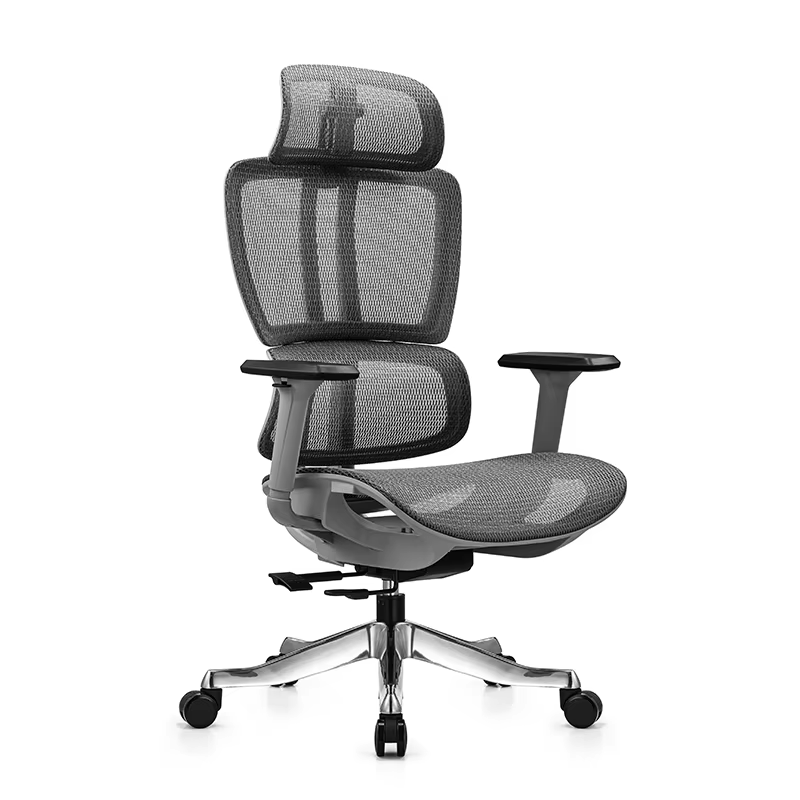
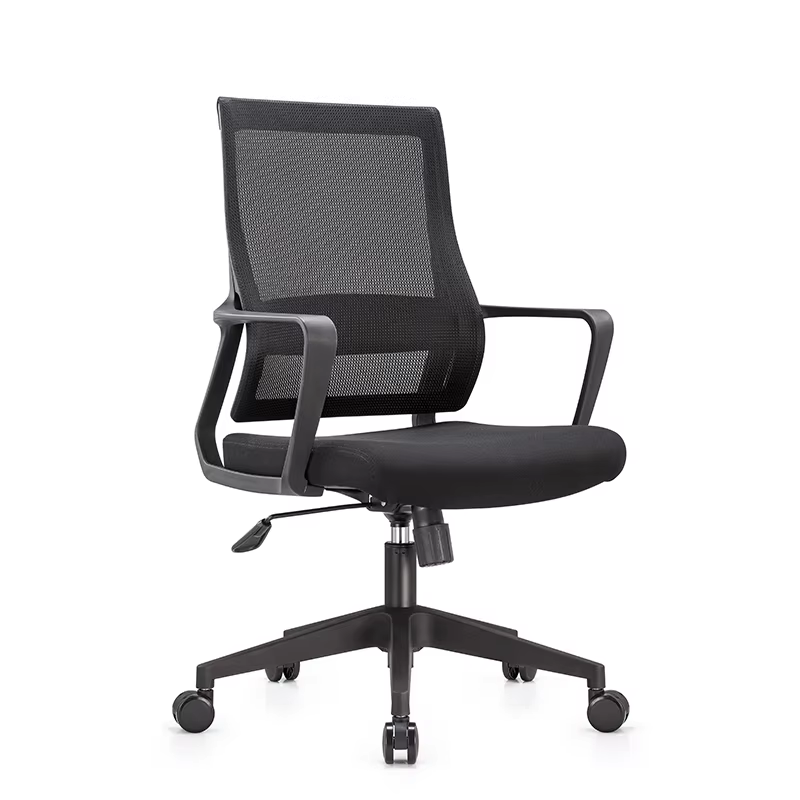
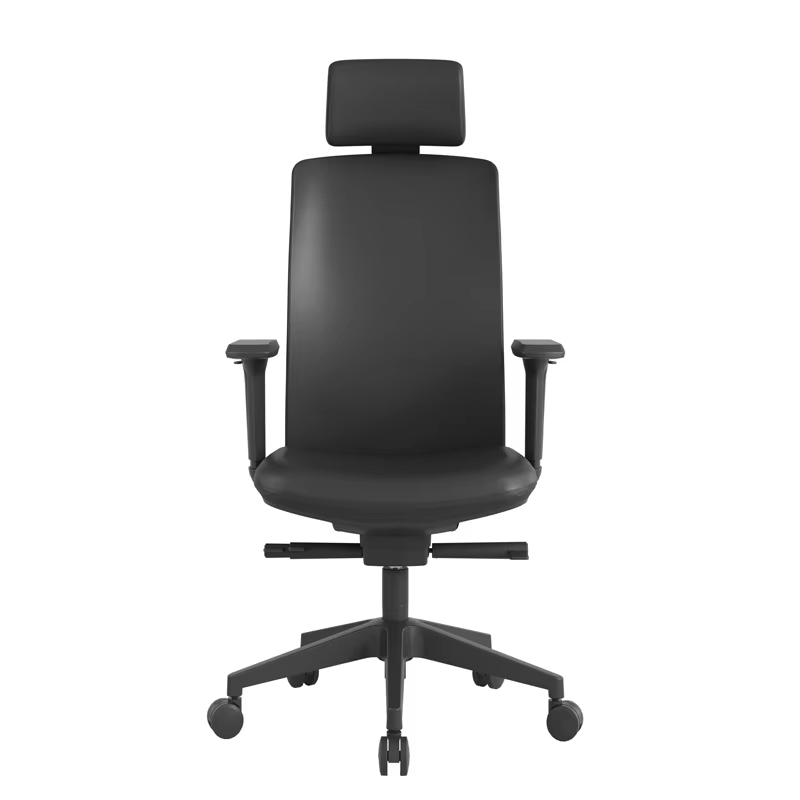
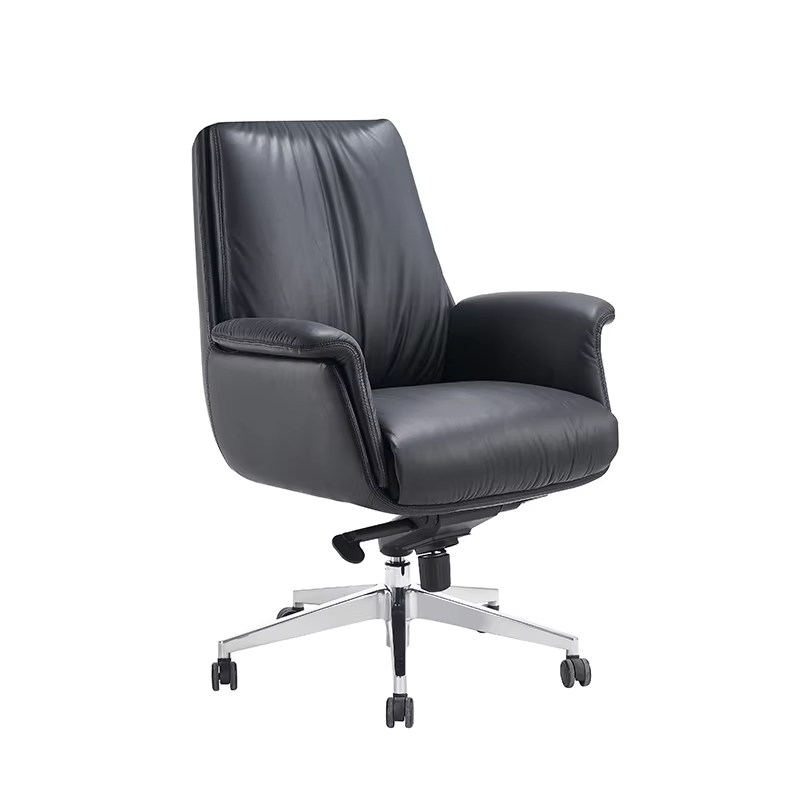
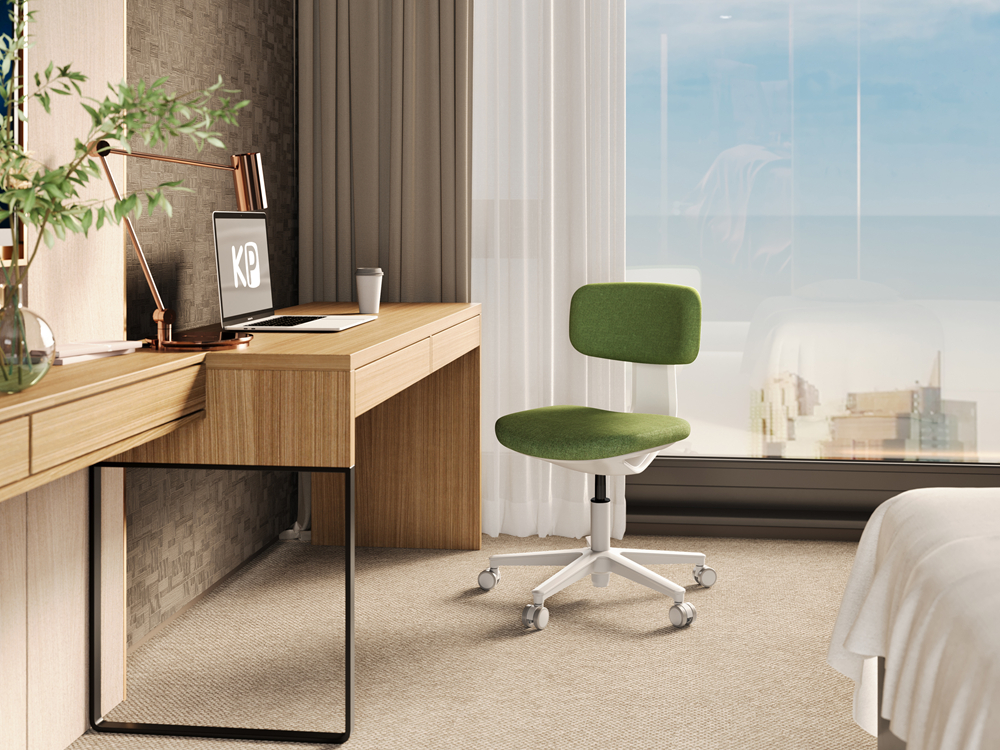
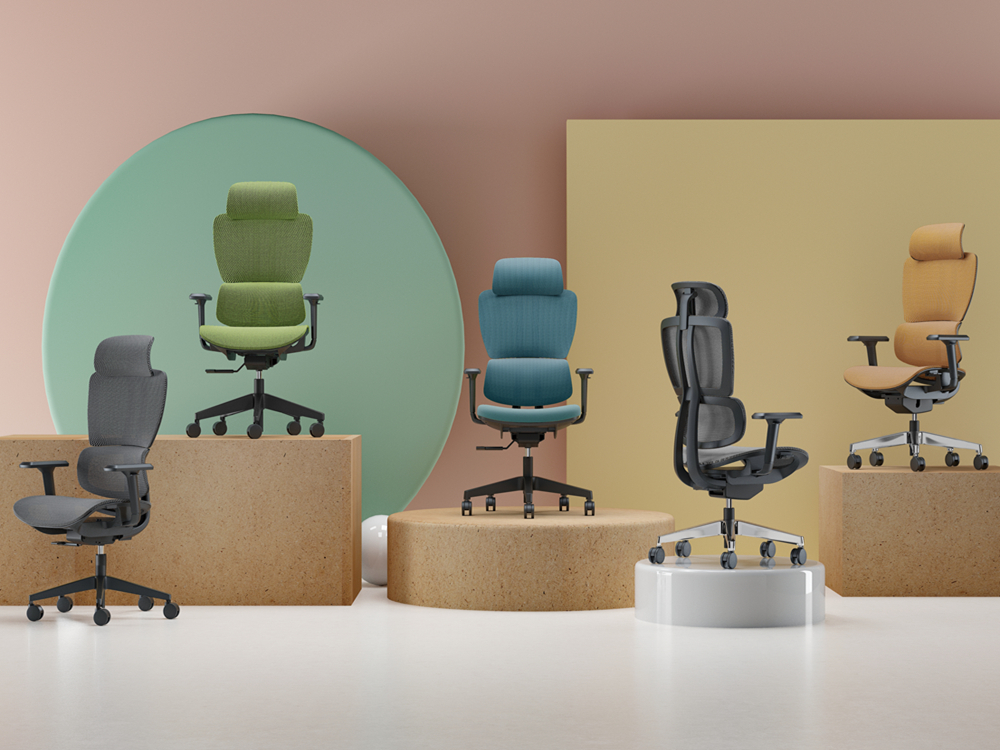
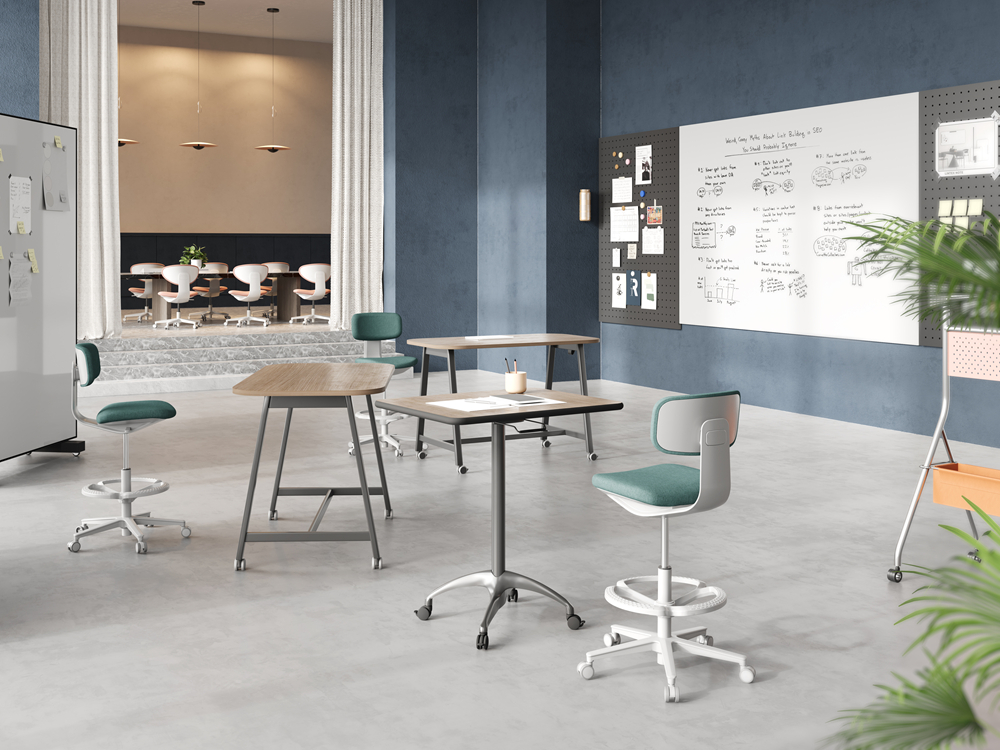
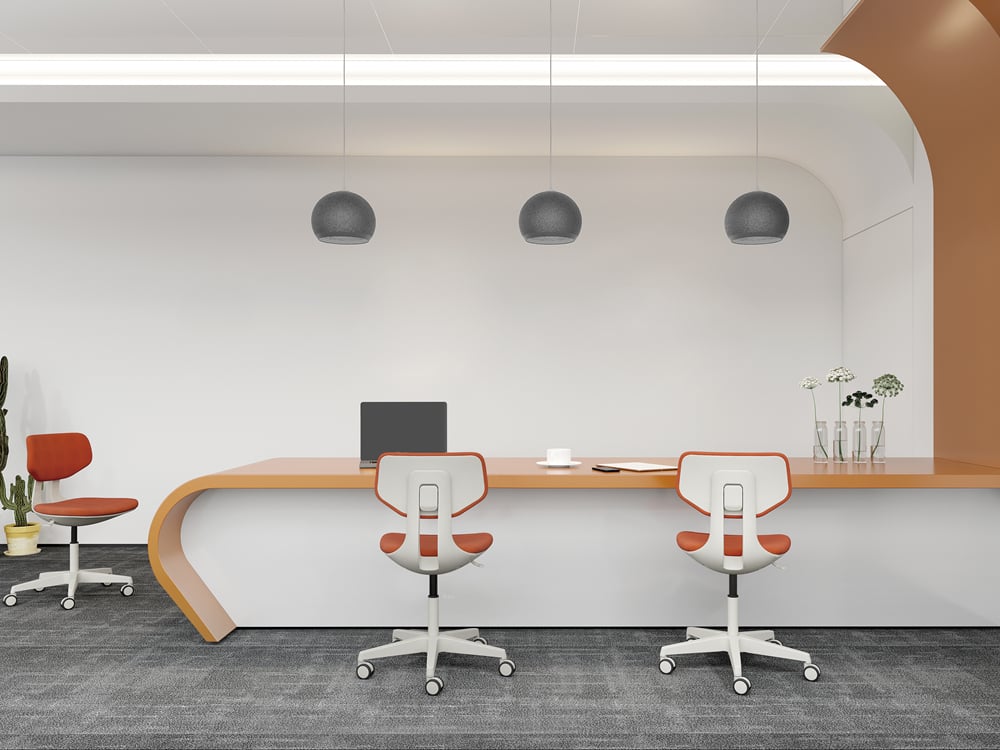
Healthcare professionals spend countless hours on their feet and seated during patient consultations, procedures, and administrative tasks. The physical demands of medical practice require furniture solutions that prioritize both comfort and functionality. Adjustable medical office chairs have emerged as essential equipment in modern clinical environments, offering healthcare providers the ergonomic support needed to maintain optimal performance throughout demanding workdays. These specialized seating solutions address the unique challenges faced by medical professionals while contributing to improved patient care outcomes.
Enhanced Ergonomic Support for Healthcare Professionals
Reducing Musculoskeletal Strain and Fatigue
Medical professionals frequently experience back pain, neck strain, and other musculoskeletal issues due to prolonged periods of poor posture during patient care activities. Adjustable medical office chairs combat these problems by providing customizable lumbar support that conforms to the natural curvature of the spine. The ability to modify seat height, backrest angle, and armrest positioning allows healthcare workers to maintain proper spinal alignment regardless of their body type or the specific task at hand. This adaptability significantly reduces the risk of developing chronic pain conditions that could impact both professional performance and personal well-being.
The ergonomic design features of these chairs extend beyond basic adjustability to include advanced support mechanisms. High-quality models incorporate memory foam cushioning that distributes weight evenly, reducing pressure points that can lead to discomfort during extended sitting periods. Additionally, the breathable materials used in construction help regulate body temperature, preventing the heat buildup that can cause distraction and discomfort during critical medical procedures.
Improving Focus and Concentration During Patient Care
When healthcare professionals are comfortable and properly supported, their ability to concentrate on patient needs improves dramatically. Adjustable medical office chairs eliminate the constant need to shift positions or adjust posture, allowing medical staff to focus entirely on patient interactions and clinical tasks. This enhanced concentration leads to more accurate diagnoses, improved patient communication, and reduced likelihood of medical errors that could compromise patient safety.
Research has consistently shown that workplace comfort directly correlates with cognitive performance and decision-making abilities. In clinical settings where split-second decisions can mean the difference between life and death, the mental clarity provided by proper ergonomic support becomes a critical factor in delivering exceptional patient care. The investment in quality seating translates directly into improved clinical outcomes and enhanced patient satisfaction scores.
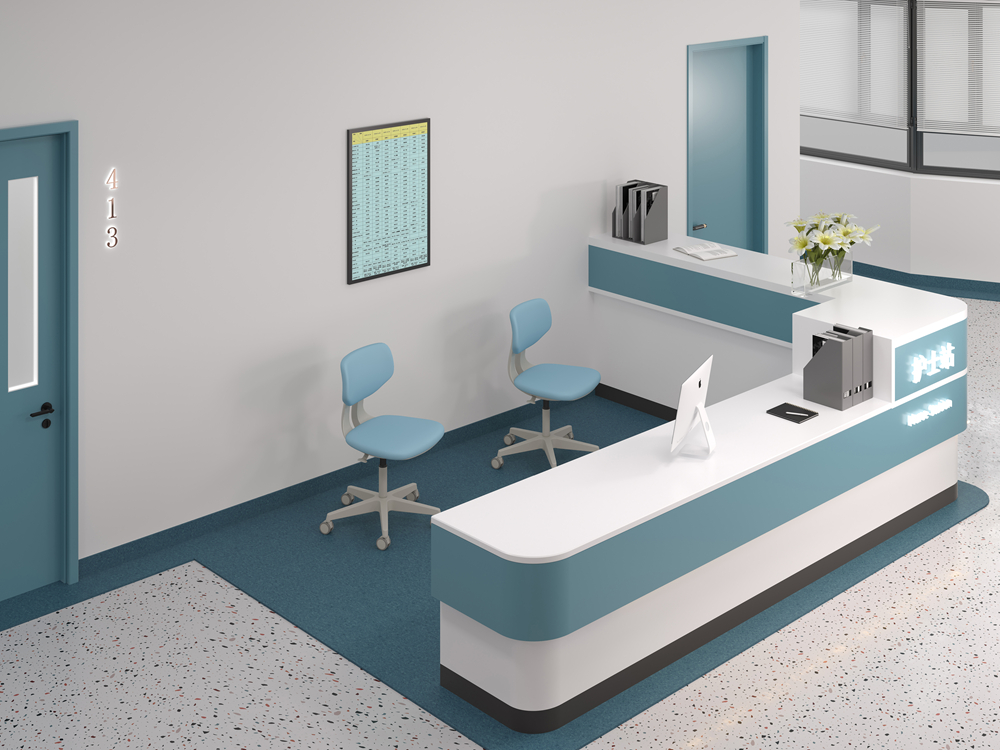
Versatility and Adaptability in Clinical Settings
Multi-User Functionality Across Different Shifts
Modern healthcare facilities operate around the clock with multiple staff members sharing workspace and equipment. Adjustable medical office chairs excel in these multi-user environments by offering quick and easy customization options that accommodate different body types and preferences. The intuitive adjustment mechanisms allow incoming staff to modify chair settings within seconds, ensuring optimal comfort regardless of who previously used the chair. This adaptability eliminates the time wasted on uncomfortable seating arrangements and reduces the likelihood of workplace injuries related to improper ergonomic positioning.
The durability of these chairs ensures they maintain their adjustment capabilities even with frequent modifications throughout busy clinical days. Heavy-duty construction materials and reinforced adjustment mechanisms withstand the rigorous demands of healthcare environments while continuing to provide reliable performance. This longevity makes them a cost-effective investment for medical facilities looking to maximize their equipment budget while maintaining high standards of staff comfort and safety.
Seamless Integration with Medical Equipment
Clinical environments require furniture that complements rather than interferes with medical equipment and procedures. Adjustable medical office chairs feature compact designs and smooth-rolling casters that facilitate easy movement around examination rooms, procedure areas, and patient bedside locations. The height adjustability ensures healthcare professionals can position themselves at optimal levels for various medical tasks, from detailed examinations to equipment operation.
Many specialized models include features specifically designed for medical environments, such as antimicrobial surfaces that resist bacterial growth and fluid-resistant materials that can be easily cleaned and disinfected. These characteristics ensure the chairs meet strict healthcare hygiene standards while maintaining their aesthetic appeal and functional capabilities throughout years of intensive use.
Cost-Effectiveness and Long-Term Value
Reducing Healthcare Facility Operating Costs
The initial investment in high-quality adjustable medical office chairs pays dividends through reduced healthcare costs and improved operational efficiency. By preventing work-related injuries and reducing staff absenteeism due to musculoskeletal problems, these chairs help healthcare facilities avoid the significant costs associated with worker compensation claims and temporary staffing solutions. The improved comfort and job satisfaction they provide also contribute to better staff retention rates, reducing the expensive process of recruiting and training replacement personnel.
Additionally, the enhanced productivity that results from comfortable working conditions translates into improved patient throughput and more efficient use of clinical time. When healthcare professionals can work without physical discomfort or distraction, they can see more patients, complete procedures more efficiently, and maintain higher standards of care quality. This operational improvement directly impacts the facility's bottom line while enhancing its reputation for excellent patient care.
Durability and Maintenance Advantages
Quality adjustable medical office chairs are engineered to withstand the demanding conditions of healthcare environments while requiring minimal maintenance. The robust construction materials and precision-engineered adjustment mechanisms maintain their functionality even after years of intensive use. This durability eliminates the need for frequent replacements and reduces long-term equipment costs significantly compared to standard office seating options.
The ease of cleaning and maintenance also contributes to their cost-effectiveness. Many models feature removable cushions and covers that can be machine washed or replaced as needed, extending the chair's lifespan while maintaining hygiene standards. The smooth surfaces and minimal crevices in the design prevent the accumulation of dirt and bacteria, making routine cleaning quick and efficient for busy healthcare staff.
FAQ
How do adjustable medical office chairs differ from regular office chairs?
Adjustable medical office chairs are specifically designed to meet the unique demands of healthcare environments. They feature enhanced durability to withstand frequent adjustments by multiple users, antimicrobial surfaces that resist bacterial growth, and fluid-resistant materials that can be easily disinfected. The adjustment mechanisms are typically more robust and precise than those found in standard office chairs, allowing for quick customization while maintaining stability during medical procedures. Additionally, they often include specialized features like height ranges suitable for medical equipment interaction and caster designs that work effectively on various clinical flooring surfaces.
What adjustability features should healthcare facilities prioritize when selecting medical office chairs?
Healthcare facilities should prioritize chairs with comprehensive height adjustment capabilities, lumbar support customization, and armrest positioning options. Seat depth adjustment is particularly important for accommodating different body types among staff members. The backrest should offer both angle and height adjustability to support proper spinal alignment during various medical tasks. Easy-to-operate adjustment mechanisms are essential for quick transitions between users during busy clinical periods. Additionally, consider chairs with tilt tension control and swivel locks for enhanced stability during precise medical procedures.
How often should adjustable medical office chairs be replaced in clinical settings?
The replacement timeline for adjustable medical office chairs depends on usage intensity and maintenance quality, but most high-quality models can serve effectively for 8-12 years in typical clinical environments. Signs that replacement may be needed include diminished adjustment capability, worn cushioning that no longer provides adequate support, or visible damage to the chair's structure. Regular inspection of adjustment mechanisms, casters, and upholstery helps identify potential issues before they impact user comfort and safety. Facilities with particularly high usage rates may need to consider replacement every 5-7 years to maintain optimal ergonomic support for their healthcare staff.
Can adjustable medical office chairs help reduce workplace injury claims in healthcare facilities?
Yes, properly selected and utilized adjustable medical office chairs can significantly reduce workplace injury claims related to musculoskeletal disorders. By providing appropriate ergonomic support and allowing healthcare professionals to maintain proper posture during extended periods of sitting, these chairs help prevent the development of back pain, neck strain, and other repetitive stress injuries. The key is ensuring staff members are trained on proper chair adjustment techniques and encouraging them to customize their seating position for optimal comfort. Healthcare facilities that have implemented comprehensive ergonomic programs, including quality adjustable seating, often report substantial reductions in workers' compensation claims and associated costs.


