
 EN
EN


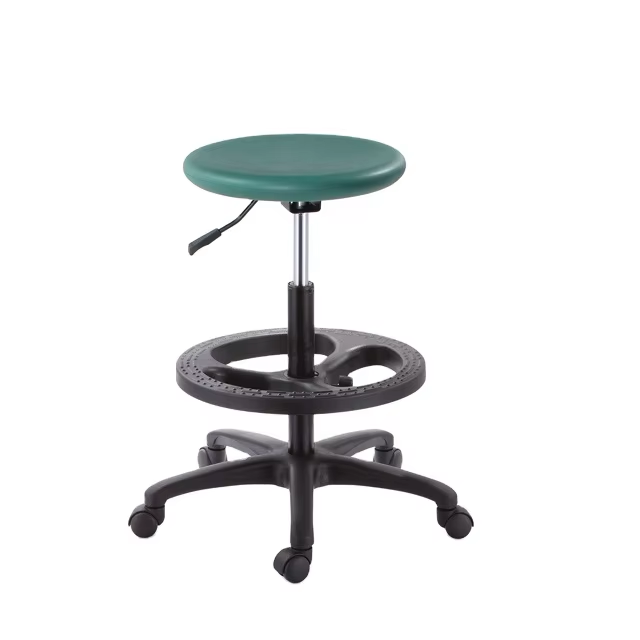
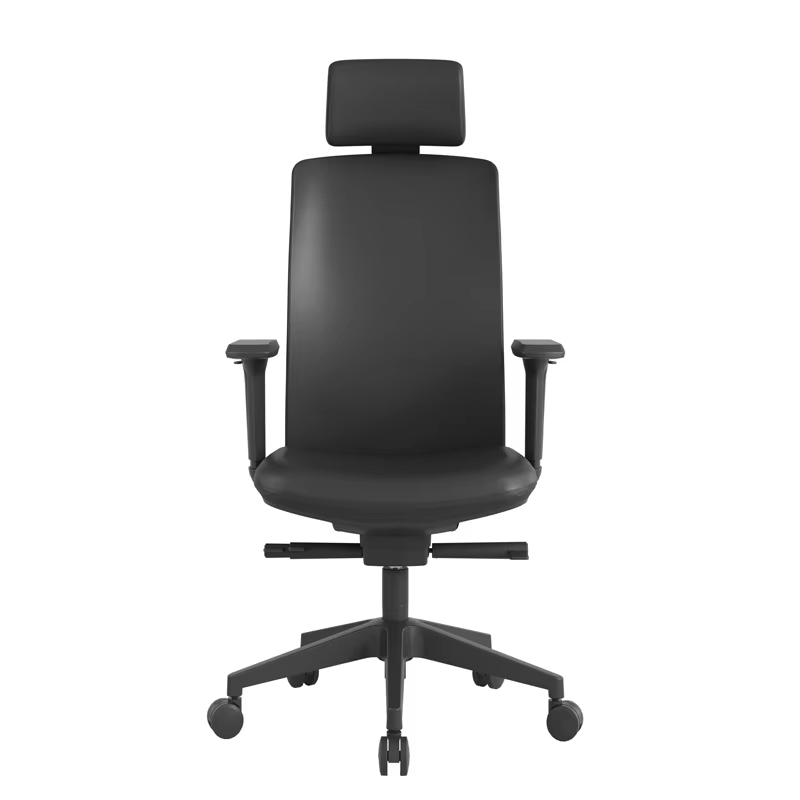
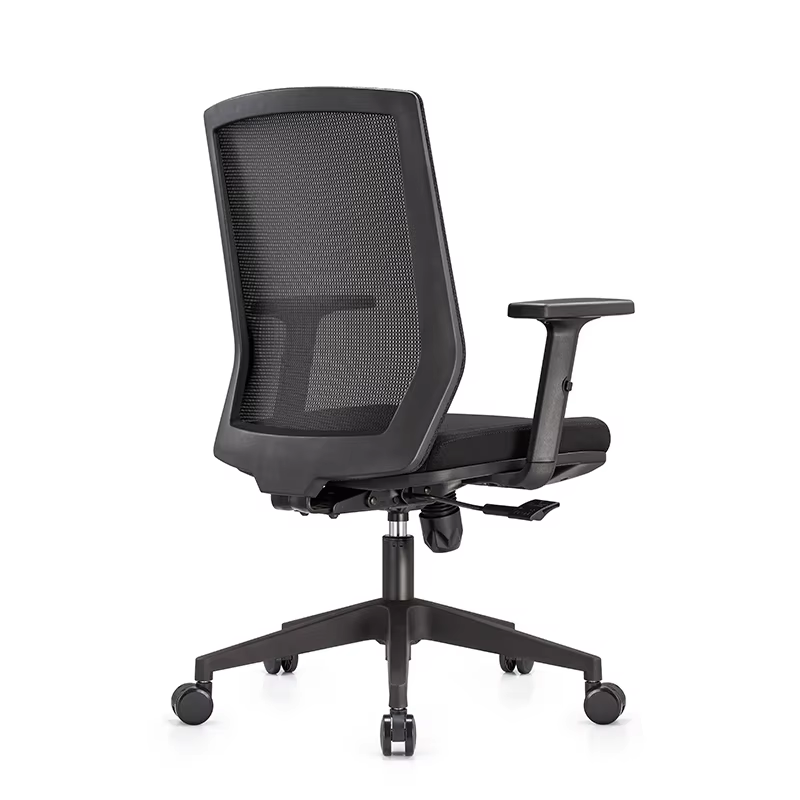
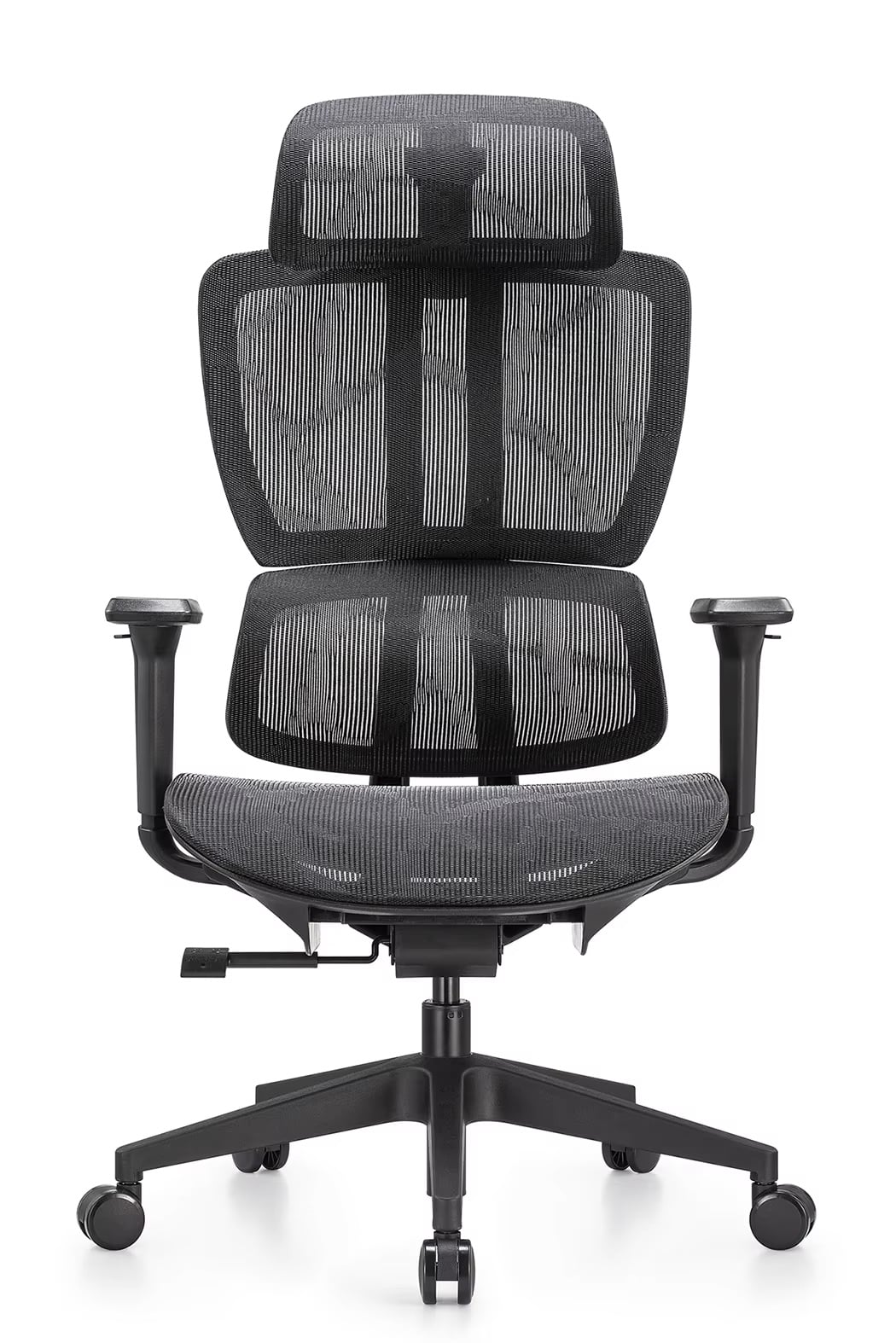
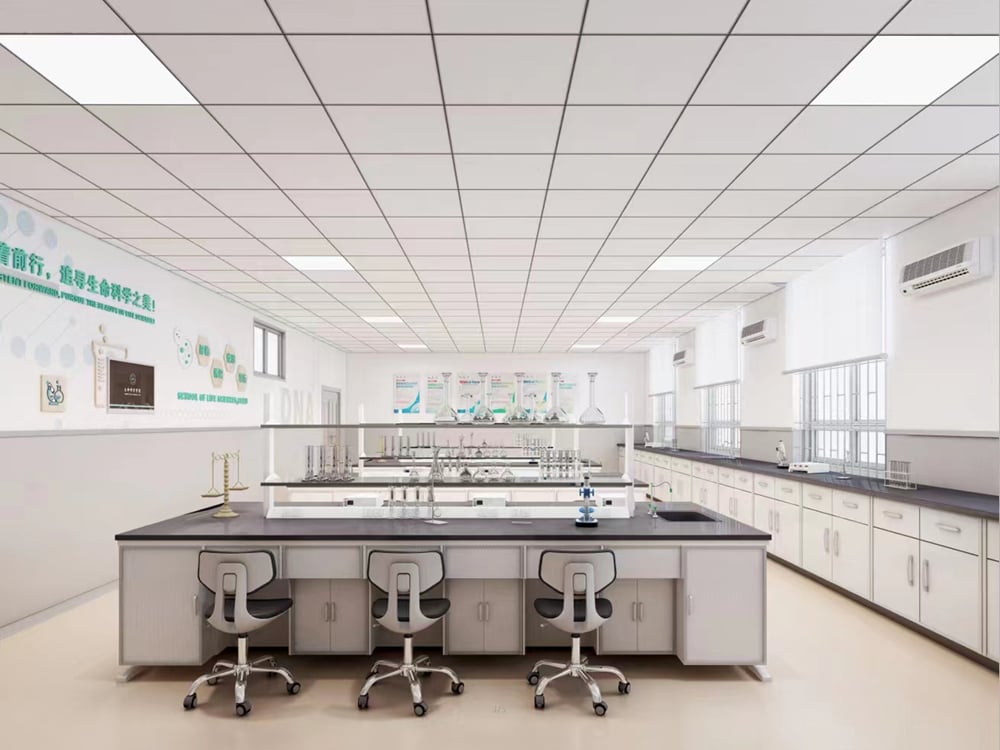
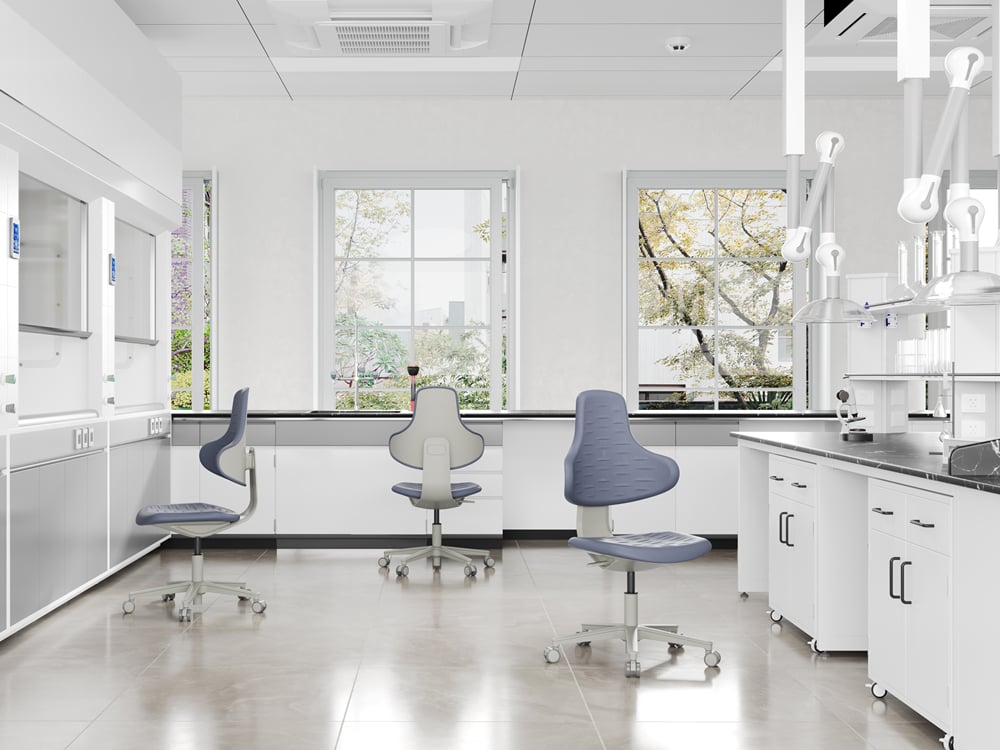
When sourcing furniture for scientific environments, institutional buyers face unique challenges that extend far beyond standard office seating requirements. Laboratory chairs must withstand demanding conditions while providing ergonomic support for extended research sessions, chemical exposure, and specialized work environments. Understanding the critical factors that distinguish quality laboratory seating from conventional office chairs is essential for procurement professionals tasked with outfitting modern research facilities.
The selection process for laboratory seating involves multiple stakeholders, from facility managers to lead researchers who understand daily operational demands. Investment in appropriate laboratory chairs directly impacts researcher productivity, safety compliance, and long-term operational costs. Poor seating choices can lead to increased maintenance expenses, safety incidents, and reduced staff satisfaction that ultimately affects institutional research output.
Material Composition and Chemical Resistance Requirements
Understanding Chemical Compatibility Standards
Laboratory environments expose seating to various chemicals, solvents, and cleaning agents that can rapidly deteriorate standard furniture materials. Quality laboratory chairs feature specialized polymer compositions or treated surfaces that resist common laboratory chemicals including acids, bases, and organic solvents. Material selection should align with specific laboratory applications, as biochemistry labs may require different resistance properties than analytical chemistry environments.
Procurement teams must evaluate material certifications and chemical resistance data sheets provided by manufacturers. These documents specify which chemicals the chair materials can withstand and for what duration of exposure. Understanding these specifications prevents premature furniture replacement and ensures compliance with laboratory safety protocols that govern equipment selection in research environments.
Cleanability and Decontamination Protocols
Effective decontamination procedures are fundamental to laboratory operations, making chair cleanability a critical selection criterion. Seamless surfaces without fabric joints or difficult-to-reach crevices facilitate thorough cleaning and prevent contamination buildup. Materials should withstand repeated exposure to industrial-grade disinfectants and bleach solutions commonly used in laboratory decontamination protocols.
Surface textures significantly impact cleaning efficiency and contamination control. Smooth, non-porous surfaces allow for rapid decontamination between users or experimental procedures. Textured surfaces that might trap particles or chemicals should be avoided in favor of materials that can be completely sanitized using standard laboratory cleaning procedures without degrading over time.
Ergonomic Design Features for Extended Laboratory Work
Adjustability and User Accommodation
Laboratory work often involves extended periods at benches, microscopes, or specialized equipment that requires precise positioning. Effective laboratory chairs provide extensive height adjustment ranges to accommodate different user heights and varying work surface elevations. Pneumatic height adjustment mechanisms should offer smooth operation and reliable positioning under frequent daily adjustments.
Seat depth and backrest positioning directly affect user comfort during detailed laboratory procedures that require sustained concentration. Adjustable features should operate smoothly even when users wear gloves or protective equipment commonly required in laboratory environments. Consider chairs with memory foam or specialized cushioning that maintains shape and support characteristics over extended use periods.
Postural Support for Specialized Laboratory Tasks
Laboratory work frequently involves forward-leaning postures for microscopy, pipetting, or detailed manipulation tasks that differ significantly from standard office work positions. Chair design should support these specialized postures without causing strain or discomfort. Seat edges should be rounded to prevent pressure points when users lean forward, and backrest curvature should accommodate various working positions.
Armrest design requires careful consideration for laboratory applications, as traditional armrests may interfere with laboratory bench work or equipment access. Some laboratory chairs feature removable or flip-up armrests that provide support when needed but can be moved aside for unobstructed equipment access. Evaluate whether armrests enhance or hinder typical laboratory workflows in your specific research environment.
Safety and Compliance Considerations
Static Control and ESD Protection
Electronics laboratories, clean rooms, and environments handling sensitive equipment require specialized seating with electrostatic discharge protection capabilities. ESD-compliant laboratory chairs incorporate conductive materials or grounding mechanisms that safely dissipate static electricity buildup. These features prevent damage to sensitive electronic components and protect against static-related safety hazards in specialized research environments.
Verify that ESD protection features meet relevant industry standards and certification requirements for your specific laboratory applications. Some facilities require continuous ground monitoring or specific resistance measurements that influence chair selection criteria. Understanding these requirements during the procurement phase prevents costly compliance issues and ensures seamless integration with existing laboratory safety protocols.
Fire Resistance and Emergency Response
Laboratory chairs must meet stringent fire resistance standards due to the presence of flammable chemicals and specialized equipment that may generate heat or sparks. Materials should comply with relevant fire safety codes and resist ignition when exposed to common laboratory hazards. Flame-retardant treatments should not compromise chemical resistance or introduce toxic fumes when exposed to laboratory conditions.
Emergency evacuation procedures may require rapid chair movement or repositioning, making mobility features an important safety consideration. Chairs with smooth-rolling casters facilitate quick evacuation procedures, while locking mechanisms ensure stability during normal operations. Balance these mobility needs with the stability requirements for precision laboratory work to optimize both safety and functionality.
Durability and Total Cost of Ownership Analysis
Mechanical Component Reliability
Laboratory chairs experience intensive daily use across multiple shifts, requiring robust mechanical components that maintain functionality under demanding conditions. Pneumatic cylinders, swivel mechanisms, and adjustment controls must withstand frequent operation while maintaining smooth performance. Evaluate manufacturer warranties and service records to assess long-term reliability expectations for critical mechanical components.
Component standardization affects long-term maintenance costs and parts availability. Chairs using standard industry components typically offer better parts availability and lower replacement costs compared to proprietary designs. Consider maintenance requirements and local service support when evaluating different manufacturer options, as specialized laboratory furniture may require specific technical expertise for repairs.
Lifecycle Cost Evaluation
Initial purchase price represents only one component of total ownership costs for laboratory chairs. Factor in maintenance expenses, replacement part costs, and expected service life when comparing different options. Higher-quality chairs with premium materials and construction often provide better long-term value despite higher upfront costs through reduced maintenance needs and extended service life.
Budget planning should include provisions for periodic refurbishment or component replacement to maintain chairs in optimal condition throughout their service life. Some manufacturers offer refurbishment programs that extend chair lifespans while maintaining performance standards. Evaluate these options as part of comprehensive lifecycle cost analysis to optimize budget allocation across the institution's laboratory furniture portfolio.
Vendor Selection and Procurement Best Practices
Manufacturer Expertise and Industry Experience
Laboratory furniture manufacturers vary significantly in their understanding of specialized laboratory requirements and regulatory compliance obligations. Vendors with extensive laboratory market experience typically provide better product design, technical support, and compliance documentation. Evaluate manufacturer case studies and client references from similar institutional settings to assess their capability to meet your specific requirements.
Technical support capabilities become crucial when integrating laboratory chairs with existing facility infrastructure or addressing compliance questions. Manufacturers should provide detailed technical specifications, installation guidance, and ongoing support for maintenance and troubleshooting. Consider vendors who offer training programs for facility staff responsible for furniture maintenance and safety compliance.
Customization and Specification Flexibility
Standard laboratory chair configurations may not address all institutional requirements, making customization capabilities an important vendor selection criterion. Manufacturers should accommodate specific material requirements, color coding systems, or specialized features needed for particular laboratory applications. Evaluate their willingness and capability to modify standard products to meet institutional specifications without compromising quality or safety.
Bulk procurement often enables cost savings and specification standardization across multiple laboratory spaces. Negotiate volume pricing structures and delivery schedules that align with institutional budget cycles and facility renovation timelines. Consider phased procurement strategies that allow for pilot testing and refinement of specifications before committing to large-scale purchases across the institution.
FAQ
How do laboratory chairs differ from standard office chairs in terms of safety requirements?
Laboratory chairs must meet more stringent safety standards including chemical resistance, fire retardancy, and in some cases electrostatic discharge protection. They feature specialized materials that withstand exposure to laboratory chemicals and cleaning agents that would damage standard office furniture. Additionally, laboratory chairs often require easier decontamination procedures and may need to accommodate users wearing protective equipment like gloves and lab coats.
What is the typical lifespan of laboratory chairs in institutional settings?
Quality laboratory chairs typically last 7-10 years in institutional settings with proper maintenance, though this varies based on usage intensity and environmental conditions. Chairs in high-use research facilities may require replacement sooner, while those in occasional-use spaces may last longer. Regular maintenance, proper cleaning procedures, and timely replacement of wear components can significantly extend chair lifespans and maintain safety compliance throughout their service life.
Are there specific certifications or standards that laboratory chairs should meet?
Laboratory chairs should comply with relevant ANSI/BIFMA standards for commercial furniture, plus specialized certifications depending on the laboratory environment. Clean room applications may require specific particle emission standards, while electronics labs need ESD compliance certifications. Fire resistance ratings, chemical compatibility testing, and ergonomic certifications are also important depending on the specific laboratory applications and institutional safety requirements.
How should institutions evaluate the total cost of ownership for laboratory chairs?
Total cost evaluation should include initial purchase price, shipping and installation costs, expected maintenance expenses, replacement parts availability, and projected service life. Factor in productivity impacts from ergonomic design, potential safety incident costs from inadequate equipment, and disposal costs at end-of-life. Consider warranty terms, service support availability, and manufacturer reputation for reliability when calculating long-term ownership costs for comprehensive budget planning.


