
 EN
EN
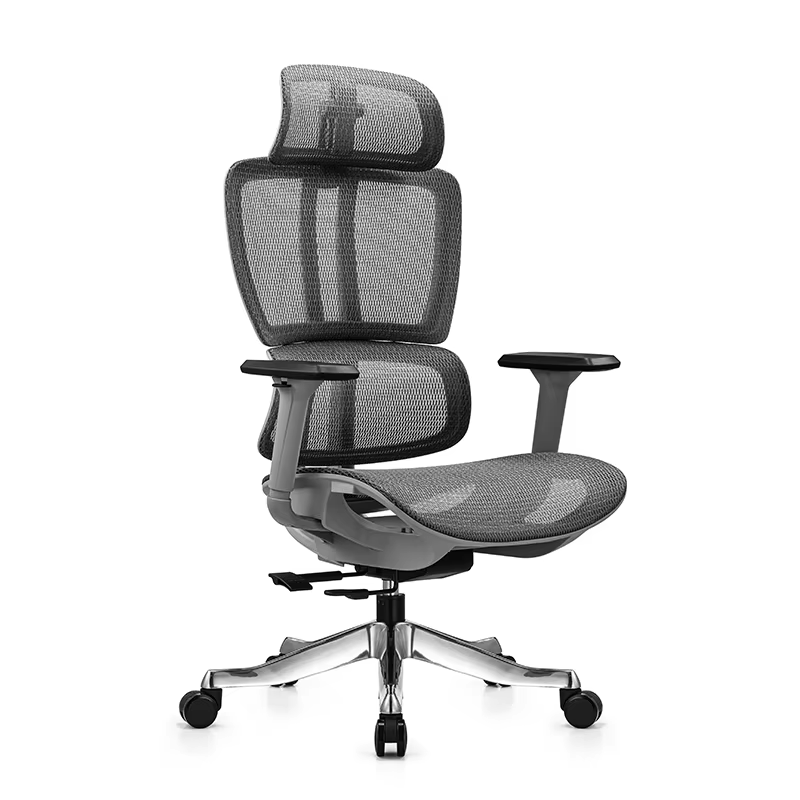
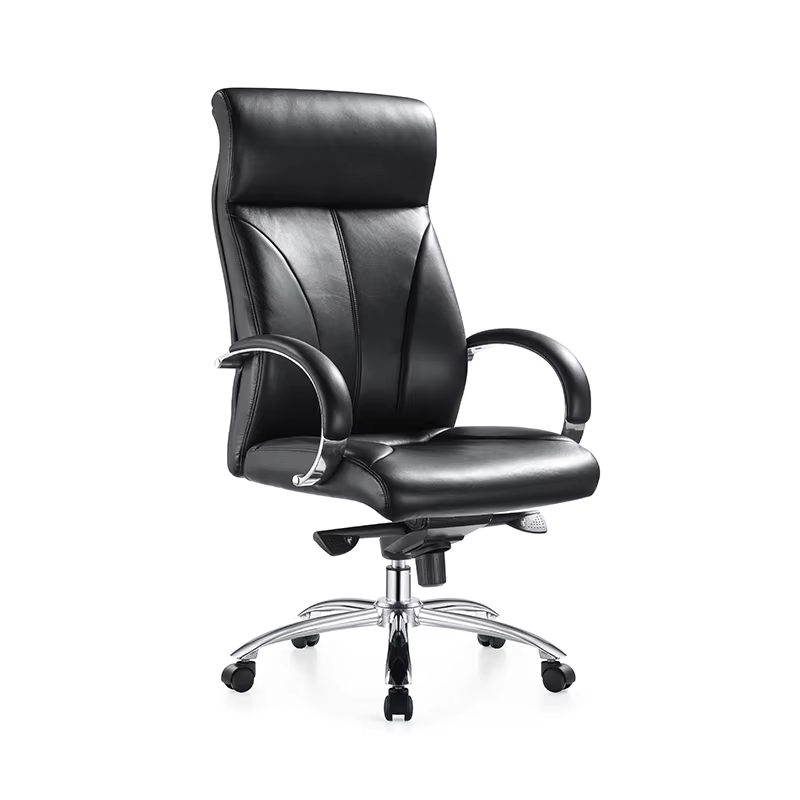
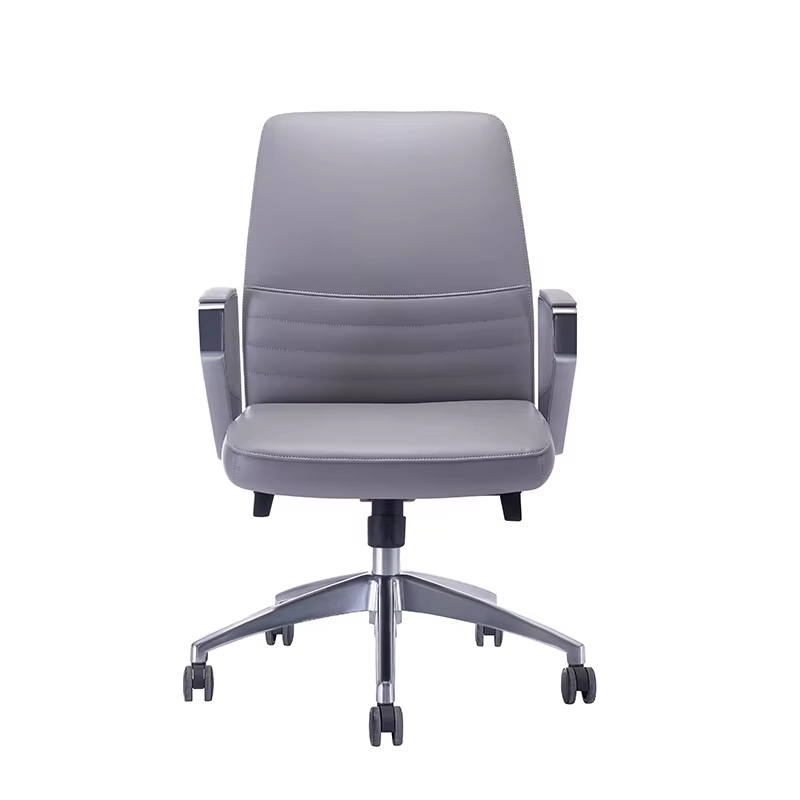
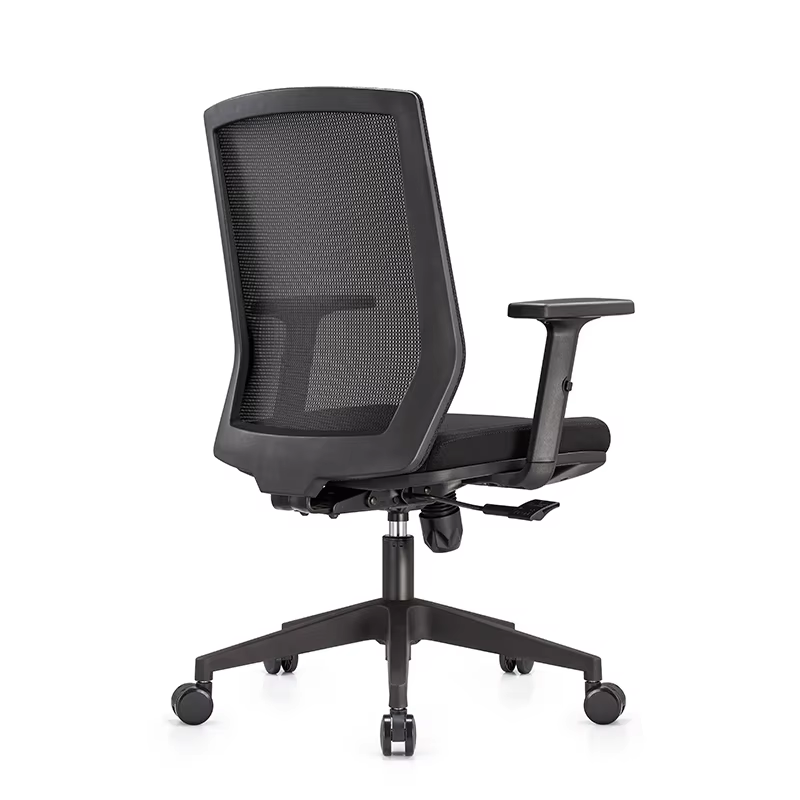

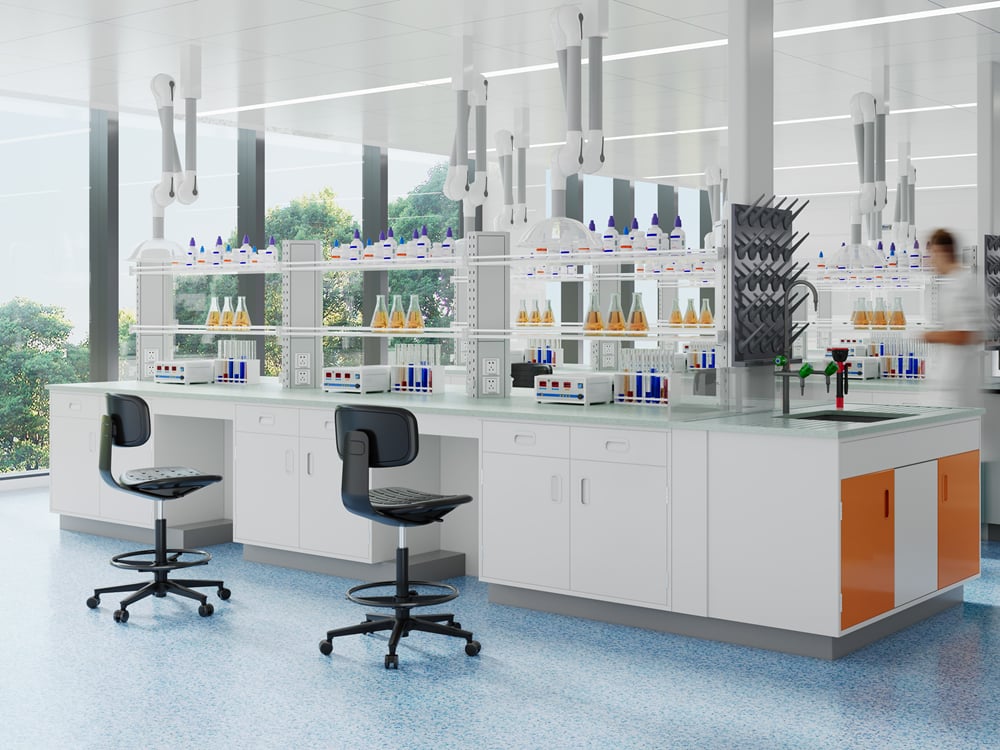
In modern scientific environments, the importance of proper seating cannot be overstated. Laboratory chairs serve as the foundation for countless hours of meticulous research, experimentation, and analysis. These specialized seating solutions go far beyond ordinary office chairs, incorporating unique design elements that address the specific challenges faced by laboratory professionals. From chemical resistance to electrostatic discharge protection, laboratory chairs represent a critical investment in both safety protocols and researcher wellbeing.
Essential Safety Features of Professional Laboratory Seating
Chemical Resistance and Material Durability
Laboratory environments expose seating to various chemicals, solvents, and cleaning agents that would quickly deteriorate standard furniture. Professional laboratory chairs utilize specialized materials such as chemical-resistant polyurethane, vinyl compounds, and treated fabrics that maintain their integrity when exposed to acids, bases, and organic solvents. These materials undergo rigorous testing to ensure they meet industry standards for chemical compatibility and long-term durability.
The construction of laboratory seating extends beyond surface materials to include corrosion-resistant hardware and sealed mechanisms. Stainless steel components, powder-coated finishes, and specialized lubricants ensure that height adjustment mechanisms, swivel functions, and caster systems continue operating smoothly even after exposure to harsh laboratory conditions. This attention to material selection prevents premature failure and reduces the risk of sudden seat collapse or malfunction during critical work periods.
Electrostatic Discharge Protection
Static electricity poses significant risks in laboratories dealing with sensitive electronic equipment, explosive materials, or precision measurements. ESD-safe laboratory chairs incorporate conductive materials and grounding mechanisms that safely dissipate static charges before they can build to dangerous levels. These chairs typically feature conductive vinyl upholstery, static-dissipative foam, and grounding chains or drag straps that maintain electrical continuity with the floor.
The effectiveness of ESD protection depends on proper installation and maintenance of the grounding system. Regular testing of resistance levels ensures that the chair maintains its protective properties over time. Some advanced laboratory chairs include integrated resistance monitoring systems that provide visual indicators when grounding integrity is compromised, alerting users to potential safety issues before they become critical.
Ergonomic Design Principles for Laboratory Work
Height Adjustability and Positioning
Laboratory work often requires precise positioning relative to equipment, benches, and microscopes of varying heights. Advanced laboratory chairs feature pneumatic height adjustment systems with extended range capabilities, allowing users to achieve optimal positioning for tasks ranging from detailed microscope work to standing-height bench operations. The smooth, stepless adjustment prevents jarring movements that could disrupt delicate procedures or measurements.
Beyond basic height adjustment, many laboratory chairs incorporate multi-level positioning systems including adjustable backrests, armrests, and footrings. These features enable researchers to maintain proper posture during extended work sessions while accommodating the unique physical demands of laboratory tasks. Proper positioning reduces fatigue, minimizes the risk of repetitive strain injuries, and improves overall work quality and accuracy.
Support Systems for Extended Use
Laboratory professionals often spend hours performing detailed, concentration-intensive tasks that require sustained focus and precise manual dexterity. Ergonomic laboratory chairs provide targeted support through contoured backrests that maintain the natural curve of the spine, reducing pressure on vertebral discs and supporting proper posture throughout extended work sessions. Memory foam cushioning and breathable materials prevent heat buildup and pressure points that could cause discomfort or distraction.
Lumbar support systems in laboratory chairs are typically adjustable both in height and depth, allowing customization for individual users and different work positions. This adjustability is particularly important in shared laboratory environments where multiple researchers may use the same workstation throughout the day. Quick-release adjustment mechanisms enable rapid reconfiguration without compromising the precision and stability required for laboratory work.
Mobility and Workspace Integration
Caster Systems and Movement
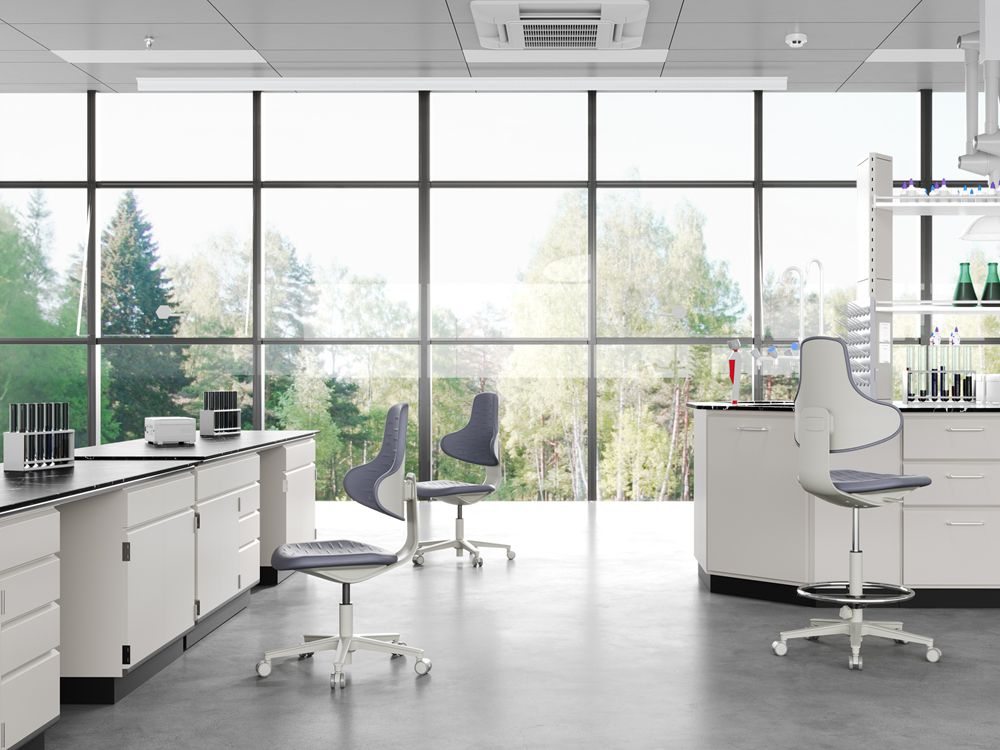
Laboratory work frequently requires movement between different workstations, equipment, and storage areas within a confined space. High-quality laboratory chairs feature precision caster systems designed for smooth, controlled movement across various flooring types commonly found in laboratory environments. Hard-tread casters work effectively on carpeted surfaces while soft-tread options protect sensitive flooring materials such as vinyl composition tile or epoxy coatings.
The design of laboratory chair casters also considers the need for stability during precision work. Many models include brake mechanisms or resistance systems that prevent unwanted rolling while allowing deliberate movement when needed. Some specialized laboratory chairs feature caster systems designed to navigate around cables, hoses, and other equipment commonly found in research environments without causing damage or creating safety hazards.
Space Efficiency and Storage
Laboratory space is often at a premium, requiring furniture that maximizes functionality while minimizing footprint. Compact laboratory chairs feature streamlined designs that fit easily under benches and workstations when not in use. Some models include stackable designs for storage in shared facilities or multi-use spaces that serve both laboratory and educational functions.
Integration with laboratory infrastructure extends beyond simple space considerations to include compatibility with specialized work surfaces, fume hoods, and safety equipment. Laboratory chairs must operate effectively within the constraints imposed by emergency shower stations, eyewash facilities, and emergency exits while maintaining full functionality and safety compliance. This integration requires careful attention to dimensions, clearances, and movement patterns during the design process.
Maintenance and Longevity Considerations
Cleaning and Decontamination Protocols
Laboratory environments require regular cleaning and decontamination procedures that can be harsh on furniture components. Laboratory chairs must withstand frequent exposure to disinfectants, bleach solutions, and other cleaning chemicals without degrading or losing their protective properties. Seamless construction and easy-to-clean surfaces minimize areas where contaminants can accumulate and simplify the decontamination process.
The design of laboratory chairs considers the need for thorough cleaning access to all surfaces and components. Removable cushions, accessible mechanisms, and smooth surface transitions allow cleaning personnel to effectively sanitize all areas that may come into contact with potentially hazardous materials. Some laboratory chairs feature antimicrobial treatments that provide ongoing protection against bacterial and fungal growth between cleaning cycles.
Service Life and Replacement Planning
Investment in quality laboratory chairs represents a significant capital expenditure that must be justified through extended service life and reliable performance. Premium laboratory chairs typically feature modular construction that allows replacement of individual components such as casters, gas cylinders, and upholstery without requiring complete chair replacement. This modular approach reduces long-term costs and minimizes downtime during maintenance activities.
Proper maintenance scheduling extends the service life of laboratory chairs and ensures continued safety and performance. Regular inspection of critical components such as height adjustment mechanisms, caster assemblies, and ESD grounding systems helps identify potential issues before they result in equipment failure or safety hazards. Documentation of maintenance activities and component replacement schedules supports budget planning and regulatory compliance requirements in many laboratory environments.
FAQ
What makes laboratory chairs different from regular office chairs
Laboratory chairs are specifically designed to withstand chemical exposure, provide ESD protection, and meet stringent safety standards required in research environments. They feature specialized materials, enhanced durability, and safety features not found in standard office seating. The construction materials resist degradation from cleaning chemicals and laboratory solvents while maintaining ergonomic support for extended work sessions.
How often should laboratory chairs be inspected for safety compliance
Laboratory chairs should undergo monthly visual inspections for obvious damage or wear, with comprehensive safety inspections performed quarterly. ESD-protected chairs require more frequent testing of grounding systems, typically monthly or as specified by facility safety protocols. Any chair showing signs of material degradation, mechanical failure, or compromised safety features should be immediately removed from service until proper repairs or replacement can be completed.
Can laboratory chairs be used in cleanroom environments
Many laboratory chairs can be adapted for cleanroom use, but specific models designed for controlled environments are recommended. Cleanroom-compatible laboratory chairs feature low-particle-generating materials, sealed construction, and specialized coatings that minimize contamination risks. The level of cleanroom compatibility varies by chair model and should be verified against specific facility requirements and ISO cleanliness standards.
What is the typical lifespan of a quality laboratory chair
High-quality laboratory chairs typically provide 8-12 years of reliable service under normal laboratory conditions with proper maintenance. Factors affecting lifespan include frequency of use, exposure to chemicals, maintenance quality, and user weight limits. Chairs in high-use environments or those exposed to particularly harsh conditions may require replacement sooner, while those in lighter-duty applications often exceed their expected service life with appropriate care.


