
 EN
EN
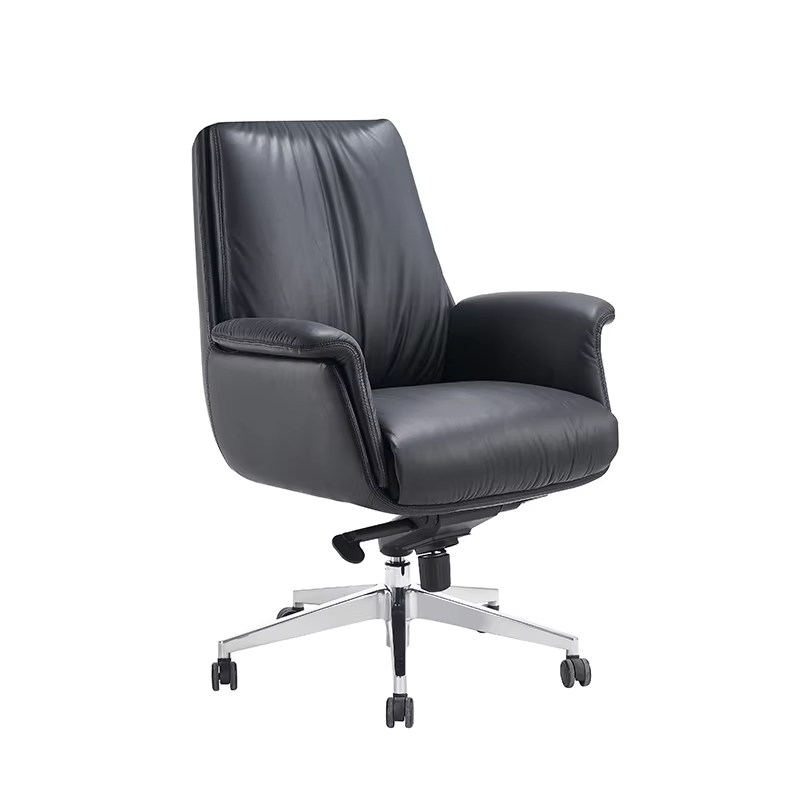
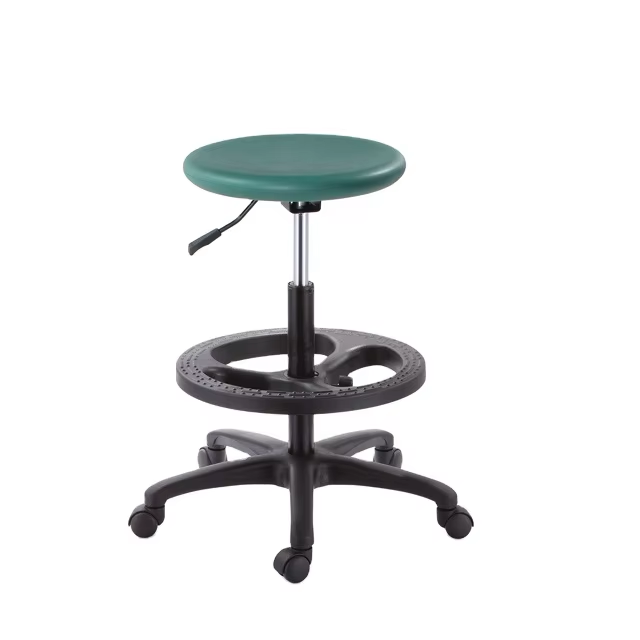
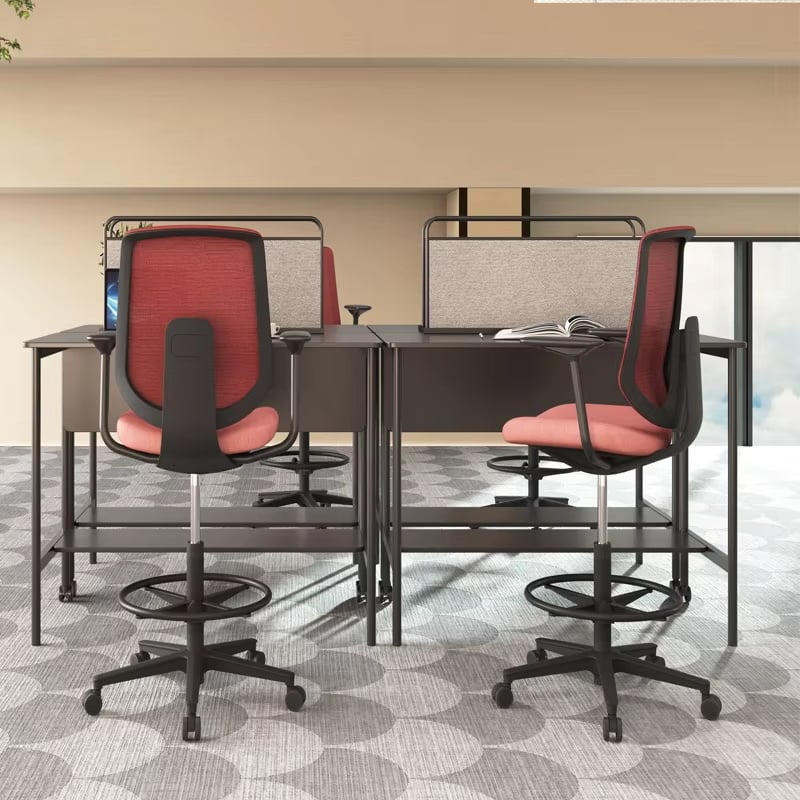
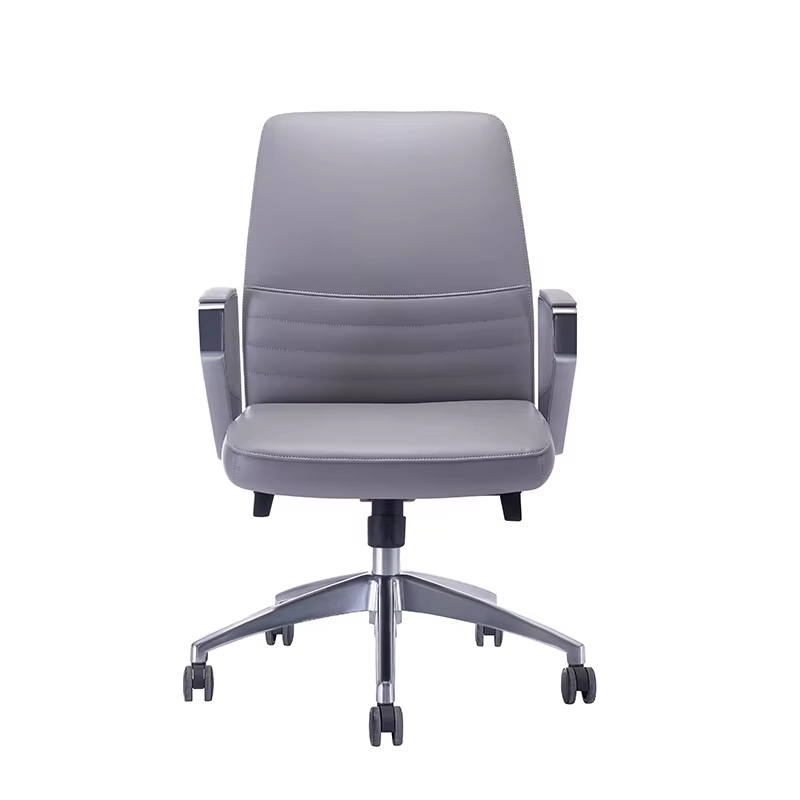
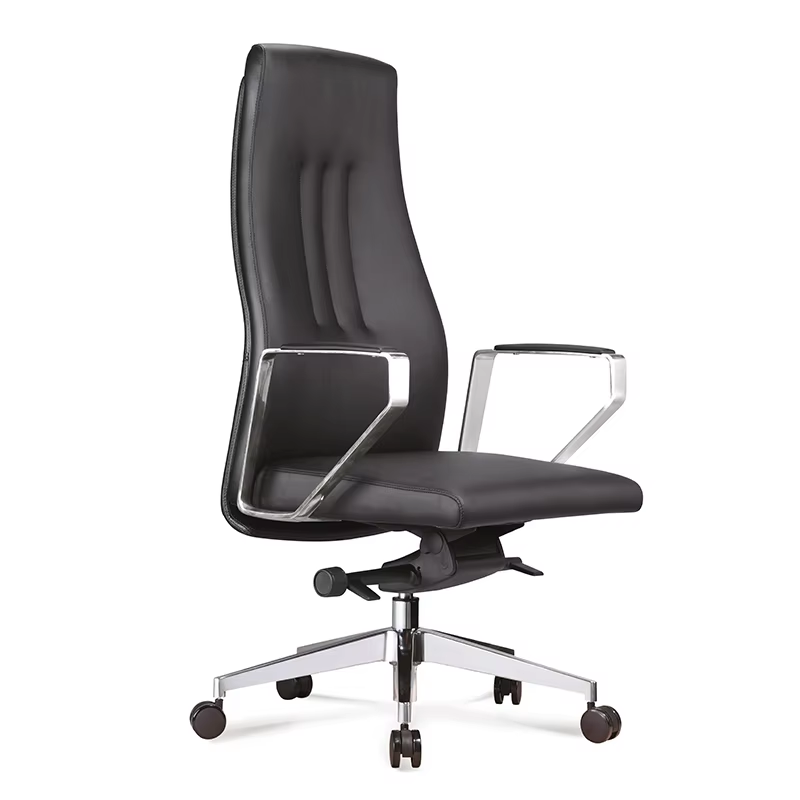
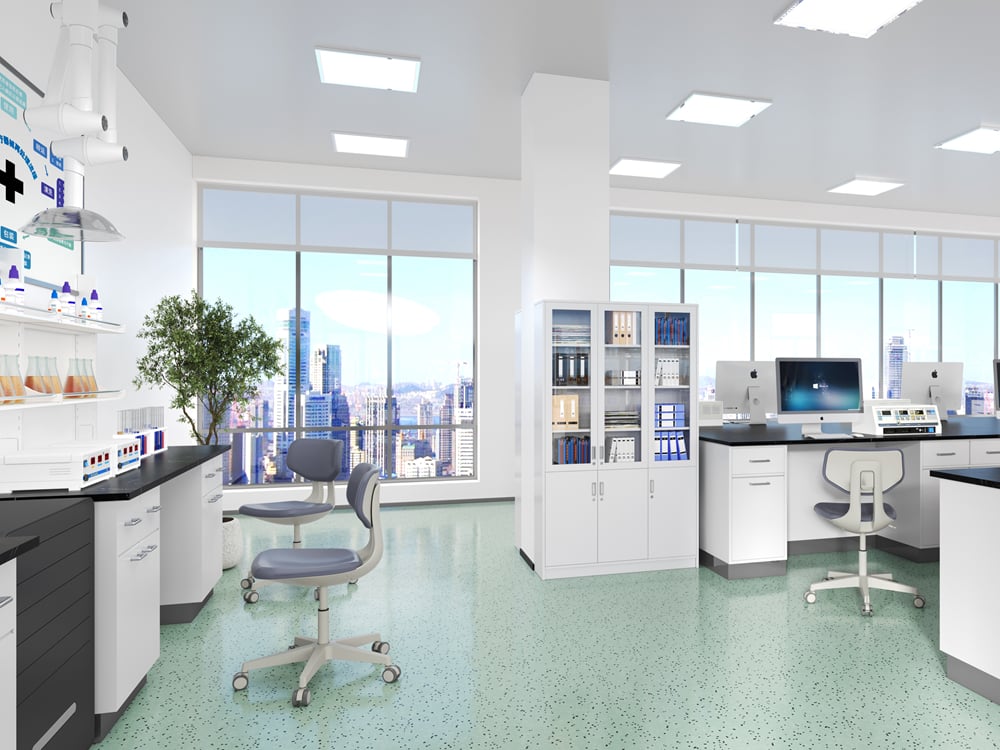
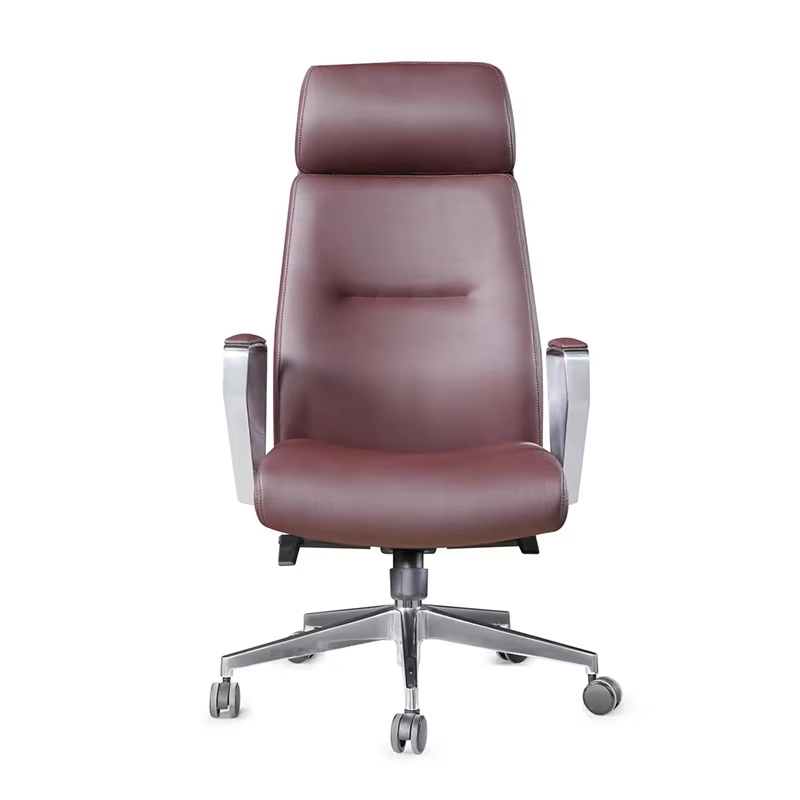
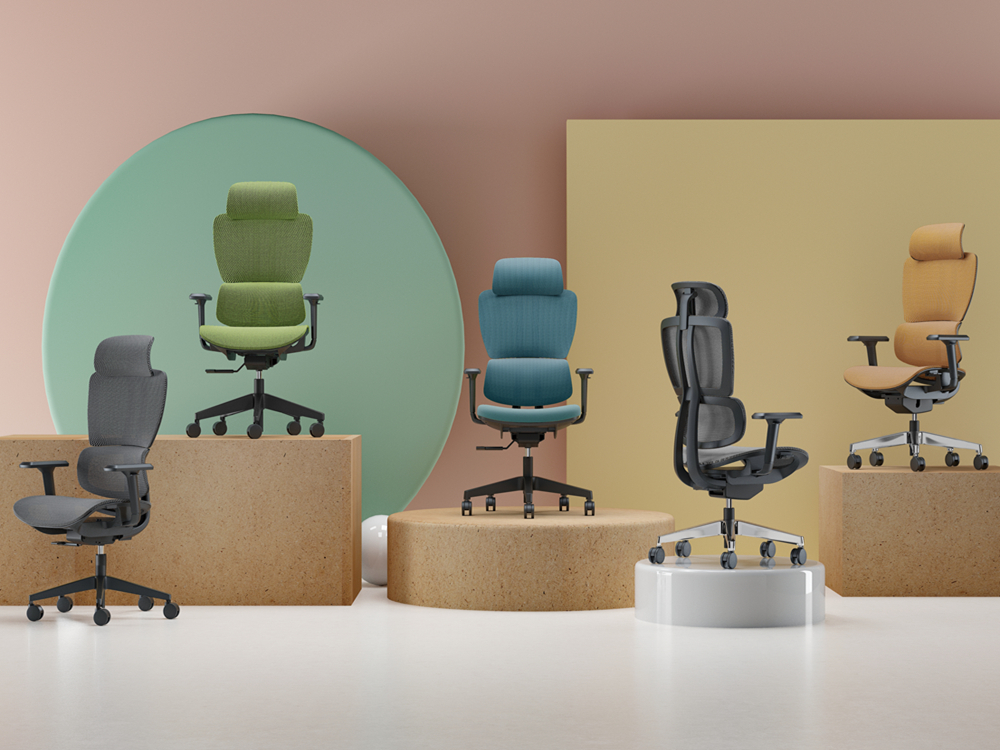
Corporate environments are rapidly evolving, and the furniture choices companies make reflect their commitment to employee wellness, productivity, and operational efficiency. Modern office chairs have become the cornerstone of contemporary workplace design, offering a perfect blend of ergonomic support, aesthetic appeal, and practical functionality that traditional seating solutions simply cannot match. The shift toward these advanced seating systems represents more than just a trend—it's a strategic business decision that impacts everything from employee satisfaction to long-term operational costs.
The emphasis on easy assembly and maintenance in modern office furniture reflects the changing dynamics of corporate facility management. Companies are increasingly seeking solutions that minimize downtime, reduce installation costs, and allow for flexible workspace reconfiguration. This practical approach to office furniture selection demonstrates how businesses are prioritizing efficiency at every level of their operations, from initial setup to ongoing maintenance protocols.
The Business Case for Modern Office Chair Adoption
Cost-Effectiveness and Long-Term Value
Modern office chairs deliver exceptional value through their durability and reduced maintenance requirements. Unlike traditional office seating that may require frequent repairs or replacements, contemporary designs incorporate high-quality materials and engineering that withstand years of daily use. The initial investment in premium seating solutions typically pays for itself through reduced replacement costs and minimal maintenance expenses over the chair's operational lifespan.
The modular design approach of many modern office chairs allows companies to replace individual components rather than entire units when maintenance is required. This component-based system significantly reduces long-term costs while ensuring that seating remains functional and aesthetically consistent throughout the office environment. Companies can maintain inventory of common replacement parts, further reducing downtime and service costs.
Operational Efficiency Through Smart Design
The streamlined assembly process of modern office chairs directly impacts operational efficiency during office setup and reconfiguration projects. Many contemporary designs feature tool-free assembly or require only basic tools, allowing facility managers to handle installation and adjustments without specialized technical support. This self-sufficiency reduces project timelines and eliminates the need for expensive professional installation services.
Quick assembly capabilities also support the growing trend toward agile workplace design, where office layouts may need to change rapidly to accommodate shifting team structures or project requirements. Companies can easily relocate, reconfigure, or expand their seating arrangements without significant logistical challenges or extended downtime periods that could impact productivity.
Employee Health and Productivity Benefits
Ergonomic Innovation in Modern Designs
The ergonomic features integrated into modern office chairs represent significant advances in workplace health support. These chairs incorporate adjustable lumbar support, customizable armrest positions, and seat height mechanisms that accommodate a wide range of body types and working preferences. Such personalization options help prevent musculoskeletal disorders and reduce the risk of work-related injuries that could result in costly workers' compensation claims.
Advanced materials used in modern office chairs provide superior breathability and comfort during extended work sessions. Mesh backing systems, for example, promote air circulation and temperature regulation, helping employees maintain focus and comfort throughout the workday. These design elements contribute to higher productivity levels and reduced fatigue-related performance declines.
Supporting Diverse Work Styles
Contemporary office environments accommodate various work styles, from focused individual tasks to collaborative team activities. Modern office chairs support this diversity through their adaptability and mobility features. Smooth-rolling casters and swivel mechanisms enable seamless transitions between different work zones, while adjustable features allow individuals to optimize their seating for specific tasks or preferences.
The aesthetic appeal of modern office chairs also contributes to creating an inspiring work environment that can boost employee morale and attract top talent. Companies increasingly recognize that workplace ambiance affects recruitment and retention, making stylish, functional furniture an important component of their employee value proposition.
Assembly and Maintenance Advantages
Simplified Installation Processes
The assembly process for modern office chairs has been revolutionized through user-centric design principles. Manufacturers have eliminated complex hardware configurations and reduced the number of components required for proper assembly. Clear visual instructions, color-coded parts, and intuitive connection systems enable even non-technical personnel to complete chair assembly quickly and accurately.
Many modern office chairs feature snap-together components and pre-assembled sub-units that significantly reduce installation time. This efficiency is particularly valuable for large-scale office deployments where dozens or hundreds of chairs must be assembled within tight project timelines. The reduced complexity also minimizes the risk of assembly errors that could compromise chair safety or functionality.
Maintenance-Friendly Design Features
Preventive maintenance is simplified through thoughtful design elements that make cleaning and component access straightforward. Smooth surfaces, minimal crevices, and removable cushions facilitate regular cleaning protocols that maintain hygiene standards and extend chair lifespan. These features are especially important in shared workspace environments where seating may be used by multiple individuals.
The diagnostic capabilities built into some modern office chairs allow facility managers to identify potential issues before they become major problems. Tension adjustments, height mechanisms, and swivel functions are designed for easy testing and calibration, enabling proactive maintenance approaches that prevent unexpected failures and service disruptions.
Technology Integration and Future Readiness
Smart Features and Connectivity
Advanced modern office chairs increasingly incorporate technology features that enhance user experience and provide valuable data insights. Sensors that monitor posture, usage patterns, and adjustment preferences can help companies optimize workplace ergonomics and identify opportunities for further improvements. This data-driven approach supports evidence-based decisions about employee health initiatives and workplace design modifications.
Integration capabilities with workplace management systems allow modern office chairs to participate in broader facility optimization strategies. Occupancy sensors, for example, can provide real-time information about space utilization that helps companies make informed decisions about office layout and capacity planning. Such features position these chairs as components of intelligent workplace ecosystems rather than standalone furniture pieces.
Adaptability for Evolving Work Environments
The modular nature of modern office chairs supports evolving workplace needs and technologies. As new ergonomic research emerges or workplace requirements change, many contemporary designs can accommodate upgrades or modifications without requiring complete chair replacement. This adaptability protects the company's furniture investment while ensuring continued relevance and functionality.
Future-ready design principles incorporated into modern office chairs anticipate workplace trends such as increased mobility, flexible scheduling, and hybrid work arrangements. Features like lightweight construction, easy reconfiguration, and enhanced durability support these evolving work patterns while maintaining the comfort and support employees expect from premium office seating.
Environmental and Sustainability Considerations
Sustainable Materials and Manufacturing
Modern office chairs increasingly incorporate recycled materials and sustainable manufacturing processes that align with corporate environmental responsibility goals. Companies can demonstrate their commitment to sustainability through furniture choices that minimize environmental impact while maintaining high performance standards. This alignment between operational decisions and corporate values resonates with environmentally conscious employees and stakeholders.
The durability of modern office chairs contributes to sustainability by reducing replacement frequency and associated waste generation. Extended product lifecycles mean fewer chairs end up in landfills, while the ability to replace individual components rather than entire units further reduces environmental impact. Companies can achieve their sustainability targets while maintaining functional, attractive office environments.
End-of-Life Considerations
Thoughtful design of modern office chairs includes consideration of disposal and recycling processes. Many contemporary chairs are constructed with separable materials that can be processed through different recycling streams, maximizing the recovery of valuable components. This design approach supports circular economy principles and helps companies meet increasingly stringent environmental compliance requirements.
Manufacturer take-back programs for modern office chairs provide companies with responsible disposal options that align with corporate sustainability policies. These programs often include refurbishment services that can extend chair lifecycles or ensure proper recycling when chairs reach end-of-life status, creating closed-loop systems that minimize waste generation.
FAQ
How long does it typically take to assemble modern office chairs?
Most modern office chairs can be assembled in 15-30 minutes by following the included instructions. The simplified design and pre-assembled components significantly reduce installation time compared to traditional office furniture. Companies deploying multiple chairs can often complete entire office setups within a few hours rather than days.
What maintenance is required to keep modern office chairs functioning properly?
Regular maintenance for modern office chairs typically involves periodic cleaning, checking adjustment mechanisms, and lubricating moving parts annually. The user-friendly design allows facility staff to perform most maintenance tasks without specialized training or tools. Preventive maintenance schedules help ensure optimal performance and extend chair lifespan significantly.
Are modern office chairs suitable for different body types and sizes?
Yes, modern office chairs are designed with extensive adjustability to accommodate diverse user needs. Features like adjustable seat height, lumbar support positioning, armrest customization, and seat depth modifications ensure proper ergonomic support for users of various sizes. This inclusivity makes them ideal for diverse corporate workforces.
How do modern office chairs compare to traditional seating in terms of total cost of ownership?
While modern office chairs may have higher upfront costs, their total cost of ownership is typically lower due to reduced maintenance requirements, longer lifespans, and modular replacement options. The combination of durability, easy maintenance, and component replaceability often results in significant savings over the chair's operational life compared to traditional alternatives.


