
 EN
EN
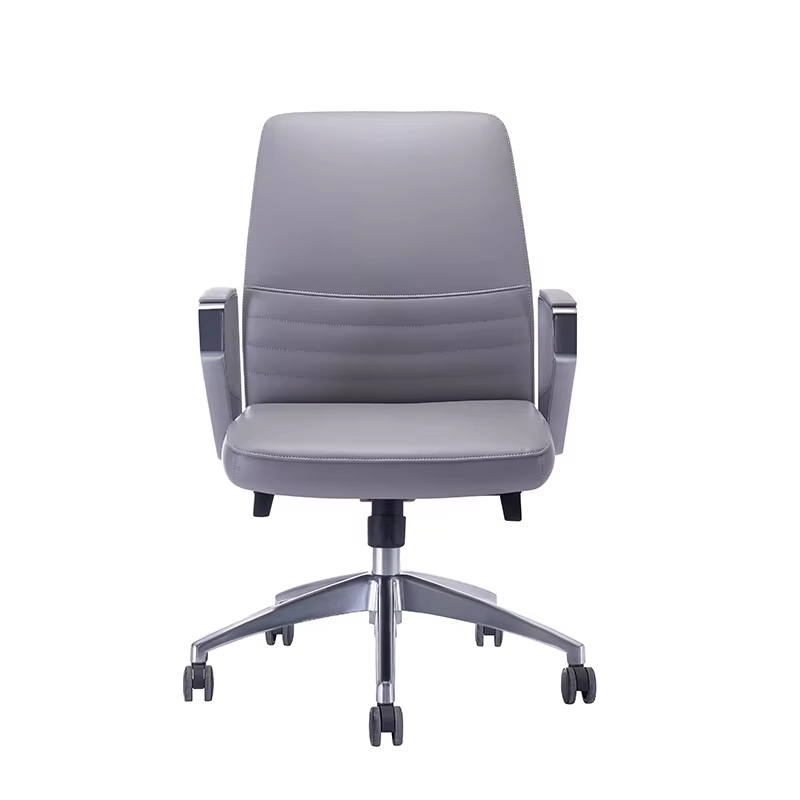
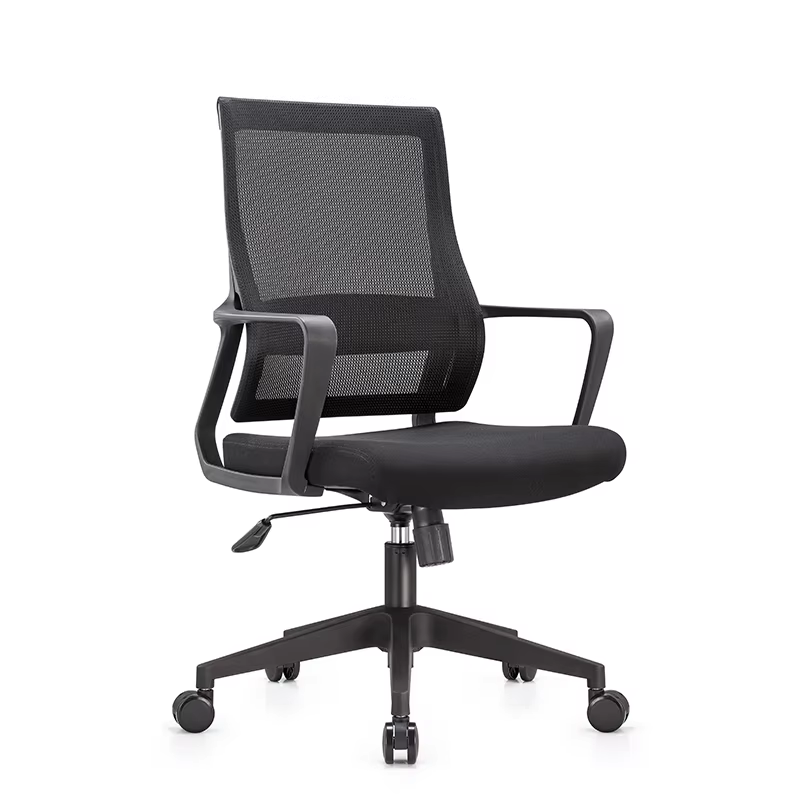
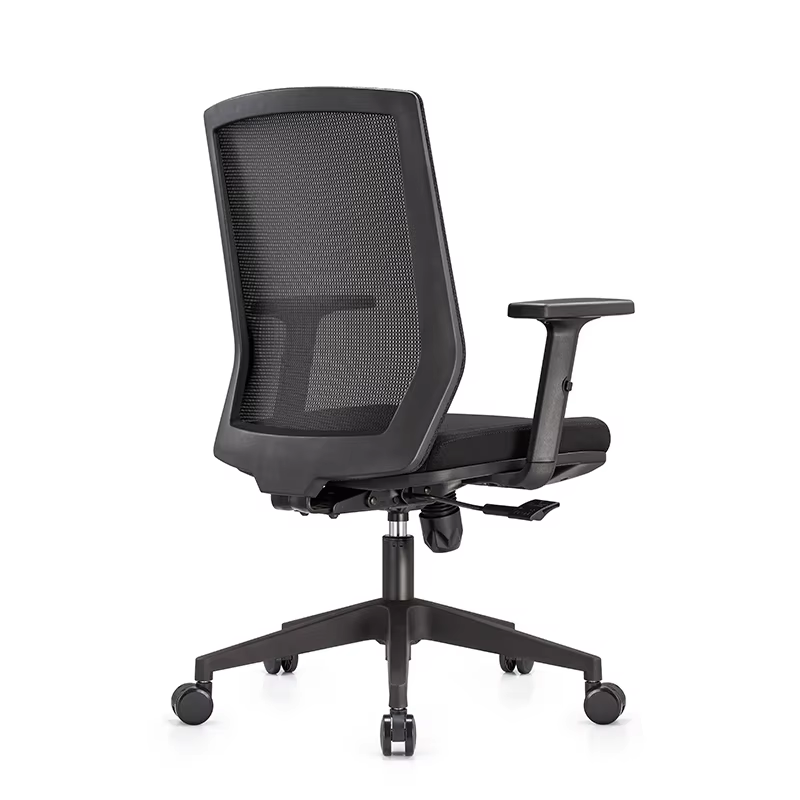
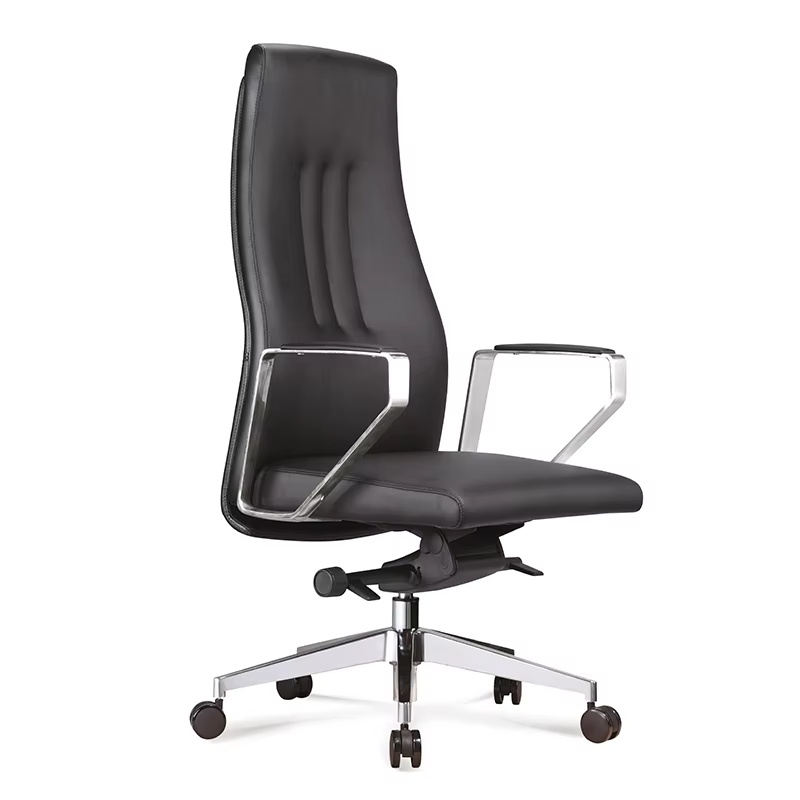
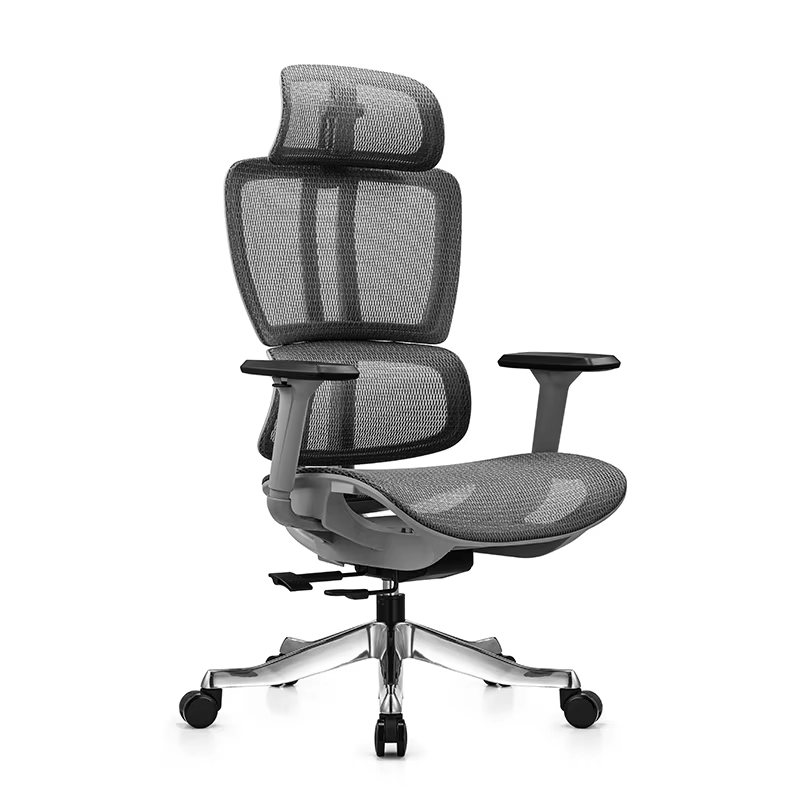
In today's competitive business landscape, global buyers are increasingly seeking direct partnerships with manufacturers to optimize their supply chains and reduce costs. When it comes to office furniture procurement, working directly with an office chair factory has become a strategic advantage that forward-thinking companies cannot afford to ignore. This direct approach eliminates intermediaries, reduces overhead costs, and provides buyers with unprecedented control over product specifications, quality standards, and delivery timelines.
The traditional supply chain model, which involves multiple layers of distributors and retailers, often results in inflated prices and communication barriers. By establishing direct relationships with an office chair factory, buyers gain access to wholesale pricing, customization capabilities, and real-time production updates that simply cannot be matched through conventional retail channels. This fundamental shift in procurement strategy has revolutionized how businesses approach their office furniture investments.
Cost Advantages of Direct Factory Partnerships
Elimination of Middleman Markups
One of the most compelling reasons global buyers choose to work directly with an office chair factory is the significant cost savings achieved by removing intermediary markups. Traditional retail channels typically involve multiple layers of distribution, each adding their own profit margins to the final product price. These markups can range from 30% to 150% above the factory cost, making retail purchases substantially more expensive than direct factory procurement.
When buyers establish direct relationships with manufacturing facilities, they access true wholesale pricing that reflects actual production costs plus reasonable factory margins. This transparent pricing structure allows companies to allocate their furniture budgets more effectively, often purchasing higher quality products or larger quantities within the same financial constraints. The cumulative savings from direct factory partnerships can be substantial, particularly for businesses requiring multiple office locations or large-scale furniture installations.
Volume Pricing Benefits
Office chair factory partnerships become increasingly advantageous as order volumes grow. Manufacturers are typically willing to offer progressive pricing tiers based on quantity commitments, rewarding larger orders with deeper discounts. These volume-based pricing structures are rarely available through retail channels, where fixed pricing models dominate regardless of purchase quantities.
Additionally, factories can provide flexible payment terms and seasonal pricing adjustments that accommodate business cash flow requirements. This financial flexibility is particularly valuable for growing companies or those with cyclical purchasing patterns. The ability to negotiate favorable payment terms directly with the manufacturing source creates operational advantages that extend beyond simple cost reduction.
Quality Control and Customization Capabilities
Direct Quality Oversight
Working with an office chair factory provides buyers with unprecedented visibility into the manufacturing process and quality control procedures. This direct oversight capability allows companies to implement their own quality standards and inspection protocols, ensuring that finished products meet specific requirements before shipment. Factory partnerships enable regular facility visits, production line inspections, and collaborative quality improvement initiatives.
The transparency inherent in direct factory relationships builds confidence in product consistency and reliability. Buyers can witness firsthand the materials selection, assembly processes, and testing procedures that determine final product quality. This level of insight is impossible to achieve through traditional retail channels, where products arrive as finished goods without any visibility into their manufacturing journey.
Custom Design and Specification Options
Perhaps one of the most valuable aspects of partnering directly with an office chair factory is the ability to customize products according to specific requirements. Manufacturers can modify existing designs, adjust dimensions, change materials, or create entirely new products based on buyer specifications. This customization capability enables companies to align their office furniture with brand identity, ergonomic requirements, or unique workspace configurations.
Custom manufacturing also allows businesses to differentiate their office environments and create unique employee experiences. Whether requiring specific color schemes, logo integration, or specialized functionality, direct factory partnerships make these customizations feasible and cost-effective. The collaborative design process between buyers and manufacturers often results in innovative solutions that would be impossible to achieve through standard retail offerings.
Supply Chain Efficiency and Communication
Streamlined Communication Channels
Direct partnerships with an office chair factory establish clear communication channels that eliminate the confusion and delays often associated with multi-tier supply chains. Buyers can communicate directly with production managers, quality control teams, and logistics coordinators to address concerns, modify orders, or expedite deliveries. This direct access to decision-makers significantly reduces response times and improves problem resolution efficiency.
The elimination of communication intermediaries also reduces the risk of information distortion or misinterpretation that commonly occurs when messages pass through multiple parties. Direct factory communication ensures that specifications, delivery requirements, and quality expectations are clearly understood and accurately implemented throughout the manufacturing process.
Flexible Production Scheduling
Office chair factory partnerships provide buyers with greater flexibility in production scheduling and delivery timing. Manufacturers can accommodate rush orders, split shipments, or seasonal delivery requirements that align with business needs. This scheduling flexibility is particularly valuable for companies with multiple locations, phased office expansions, or time-sensitive project requirements.
Direct relationships also enable better demand forecasting and capacity planning. Buyers can share their anticipated needs with manufacturers, allowing for more efficient resource allocation and production planning. This collaborative approach benefits both parties by optimizing manufacturing efficiency while ensuring buyer requirements are met consistently.
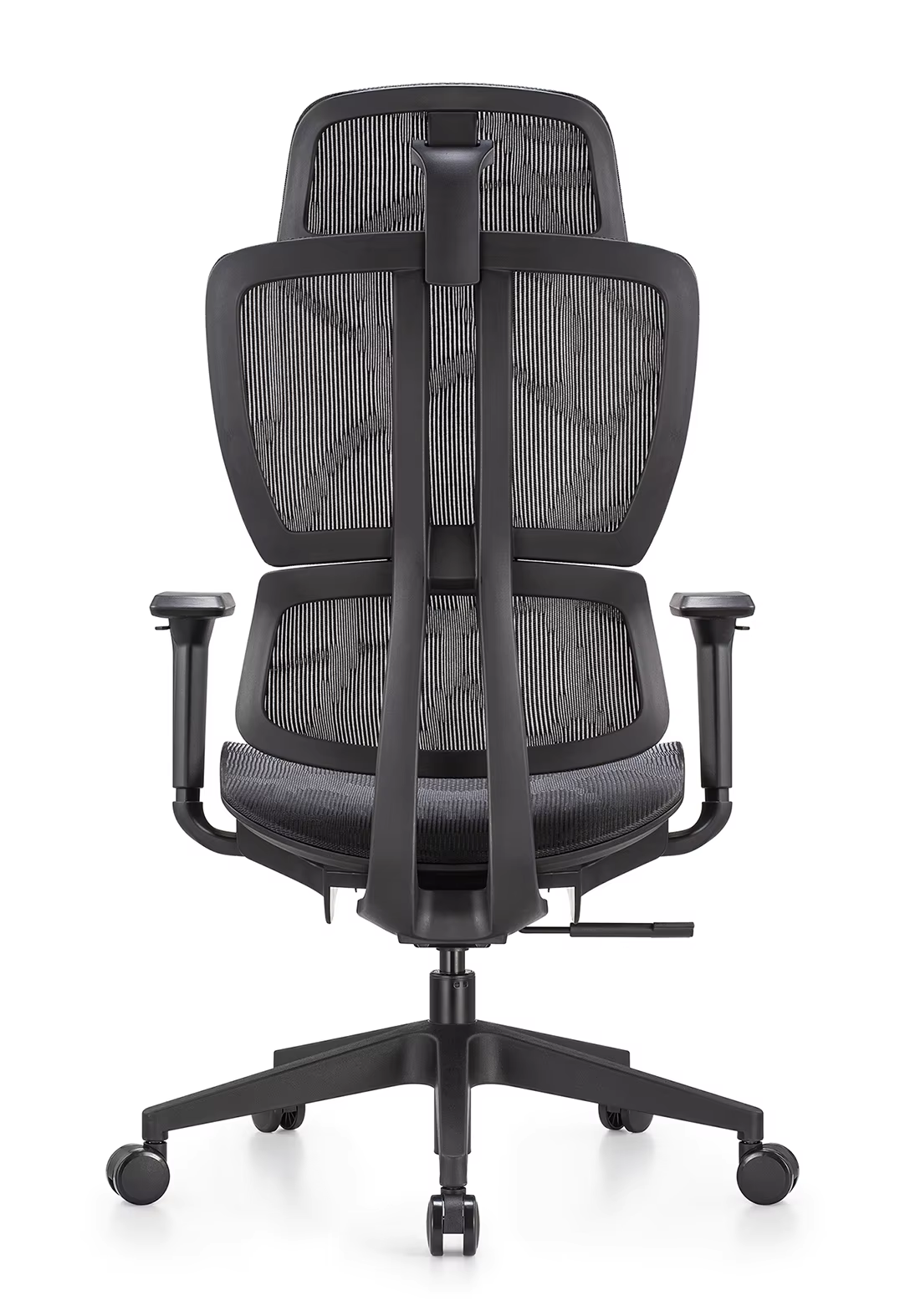
Global Market Trends and Competitive Advantages
Market Responsiveness and Innovation
Leading office chair factory operations are increasingly focused on market responsiveness and continuous innovation. Direct partnerships provide buyers with early access to new product developments, emerging technologies, and design innovations before they become widely available through retail channels. This early access can provide competitive advantages in office design and employee satisfaction initiatives.
Factory partnerships also enable buyers to influence product development directions by providing feedback on existing products and suggesting improvements or new features. This collaborative relationship creates a dynamic where manufacturers develop products that better serve actual market needs rather than perceived market demands.
Sustainability and Corporate Responsibility
Modern businesses increasingly prioritize sustainability and corporate responsibility in their procurement decisions. Working directly with an office chair factory allows buyers to verify environmental practices, material sourcing, and labor conditions firsthand. This transparency supports corporate sustainability goals and enables more responsible purchasing decisions.
Many manufacturers are implementing sustainable production practices, using recycled materials, and developing environmentally friendly manufacturing processes. Direct partnerships provide visibility into these initiatives and allow buyers to support suppliers who align with their corporate values and sustainability objectives.
Risk Management and Long-term Partnerships
Supply Chain Risk Mitigation
Direct relationships with manufacturing facilities provide better supply chain visibility and risk management capabilities. Buyers can assess factory capacity, backup production capabilities, and contingency planning measures to ensure consistent supply availability. This risk assessment capability is crucial for businesses that cannot afford supply chain disruptions or product availability issues.
Working directly with an office chair factory also enables better inventory management and demand planning. Manufacturers can maintain strategic inventory levels based on buyer forecasts, reducing the risk of stockouts or excessive inventory carrying costs. This collaborative inventory management approach optimizes working capital while ensuring product availability when needed.
Strategic Partnership Development
Long-term partnerships with manufacturing facilities create mutual benefits that extend beyond transactional relationships. Buyers receive priority production scheduling, preferential pricing, and dedicated account management services. Manufacturers benefit from predictable demand, stable revenue streams, and collaborative product development opportunities.
These strategic partnerships often evolve into exclusive arrangements or preferred supplier relationships that provide additional competitive advantages. The trust and collaboration developed through direct factory relationships create sustainable business advantages that are difficult for competitors to replicate through traditional retail procurement approaches.
Technology Integration and Digital Capabilities
Digital Manufacturing Platforms
Modern office chair factory operations increasingly leverage digital technologies to enhance customer collaboration and production efficiency. Advanced manufacturing facilities offer online portals for order management, production tracking, and quality monitoring. These digital platforms provide real-time visibility into order status, production schedules, and delivery timelines.
Digital integration also enables more sophisticated customization options through online configuration tools and virtual prototyping capabilities. Buyers can visualize custom products, test different configurations, and approve designs before production begins. This technology-enhanced collaboration reduces development cycles and improves final product satisfaction.
Data Analytics and Performance Optimization
Direct partnerships with technologically advanced manufacturing facilities provide access to detailed performance analytics and optimization insights. Factories can share production data, quality metrics, and efficiency measurements that help buyers optimize their procurement strategies and performance expectations.
These analytics capabilities enable continuous improvement initiatives and data-driven decision making. Buyers can identify trends, predict maintenance requirements, and optimize replacement schedules based on actual usage data and performance metrics provided by their manufacturing partners.
FAQ
What are the minimum order quantities typically required for direct factory partnerships
Most office chair factory operations require minimum order quantities ranging from 50 to 500 units, depending on the complexity of the product and customization requirements. However, many manufacturers offer flexible arrangements for strategic partners, including consolidated orders across multiple delivery dates or mixed product configurations to meet minimum quantity requirements.
How can buyers verify the quality and reliability of potential factory partners
Due diligence should include factory audits, quality certification reviews, reference checks with existing customers, and sample product evaluations. Many reputable manufacturers maintain ISO certifications, industry-specific quality standards, and third-party audit reports that provide objective assessments of their capabilities and reliability.
What support services do factories typically provide to direct customers
Comprehensive factory partnerships usually include dedicated account management, technical support, warranty administration, and logistics coordination services. Many manufacturers also provide installation guidance, maintenance training, and replacement parts support to ensure long-term customer satisfaction and product performance.
How do direct factory partnerships compare to working with authorized distributors
While authorized distributors provide local support and smaller minimum orders, direct factory relationships offer superior pricing, customization capabilities, and production flexibility. The choice depends on order volumes, customization requirements, and the importance of local support services versus cost optimization and product control.


