
 EN
EN
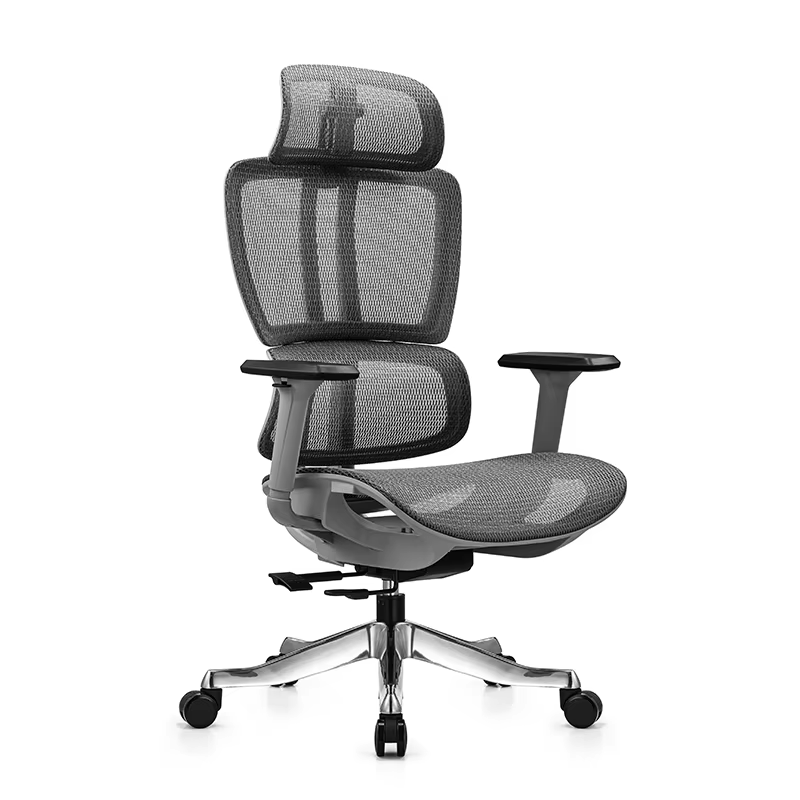
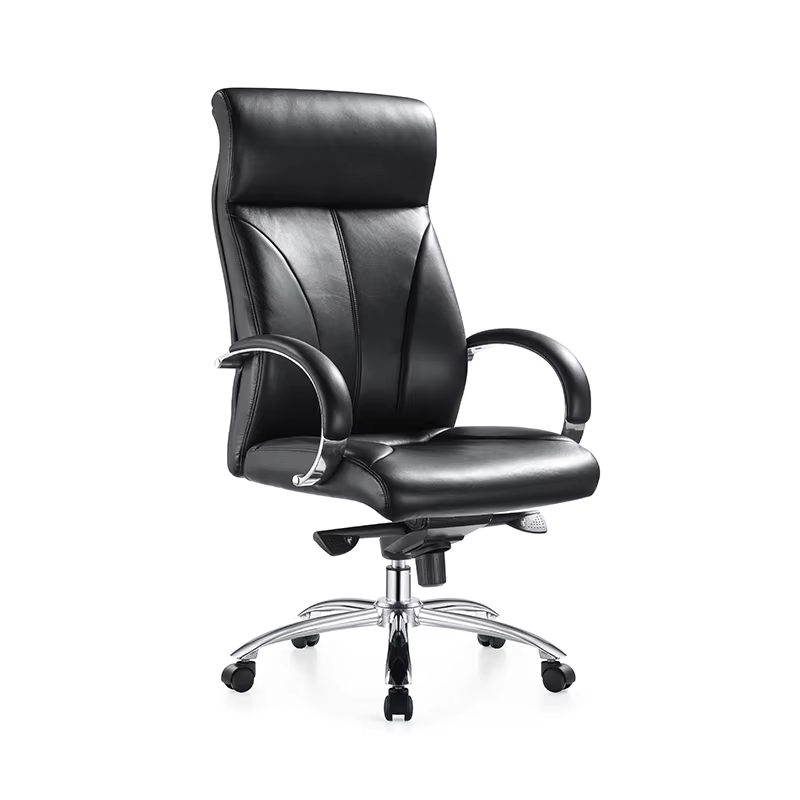
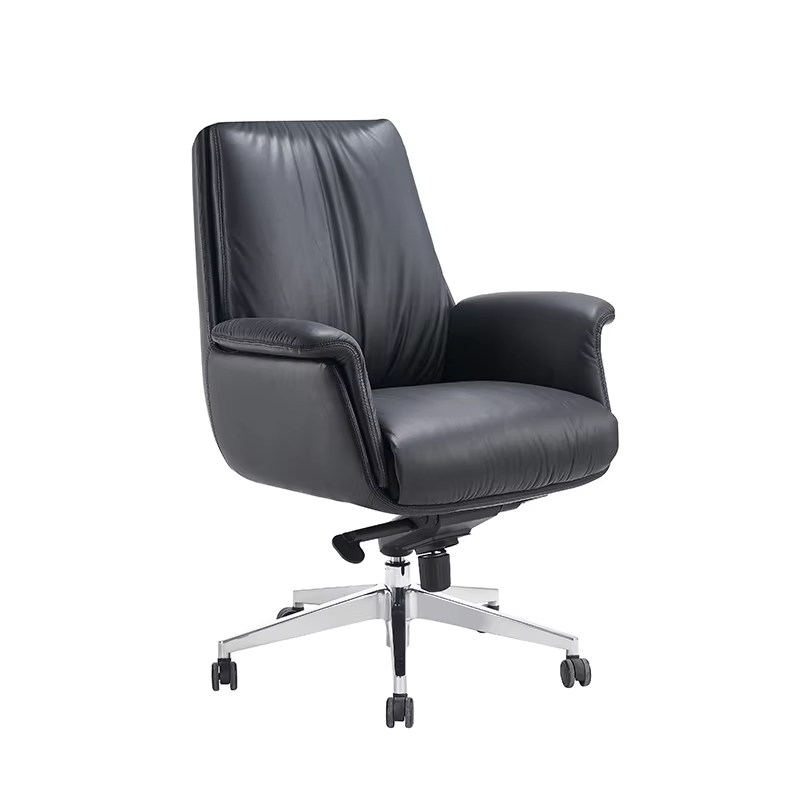
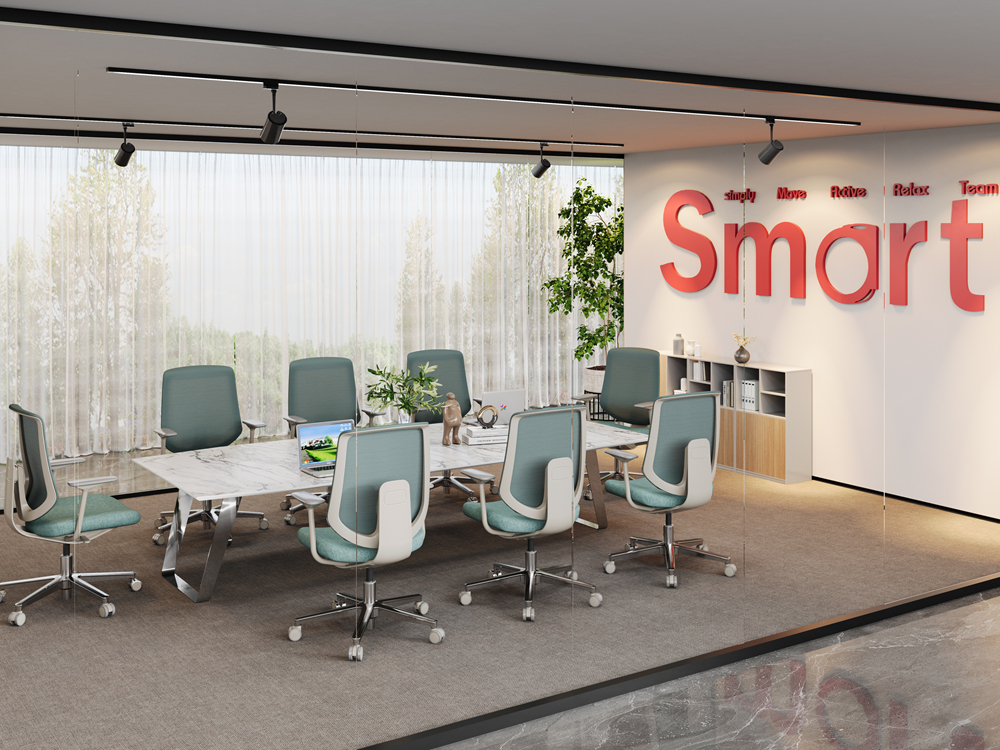
In today's competitive business environment, creating productive and comfortable meeting spaces has become essential for organizational success. The selection of an appropriate office conference chair plays a pivotal role in establishing an atmosphere that promotes focused discussions, creative collaboration, and professional presentations. When employees and clients spend extended periods in conference rooms discussing critical business matters, the comfort and functionality of seating arrangements directly impact meeting outcomes, participant engagement, and overall workplace satisfaction.
The Physical Health Impact of Conference Room Seating
Reducing Musculoskeletal Strain During Extended Meetings
Extended conference sessions often require participants to remain seated for several hours, making the ergonomic design of an office conference chair crucial for preventing physical discomfort and health issues. Poor seating choices can lead to back pain, neck strain, and reduced blood circulation, which ultimately affects concentration and decision-making abilities. Quality conference chairs feature adjustable lumbar support, proper seat depth, and armrest positioning that accommodate various body types and sitting preferences.
Research consistently demonstrates that employees experiencing physical discomfort during meetings show decreased productivity and engagement levels. An ergonomically designed office conference chair supports natural spinal alignment, reducing pressure on vertebrae and promoting healthy posture throughout lengthy discussions. This physical comfort translates into improved cognitive function, allowing meeting participants to focus on content rather than managing discomfort.
Supporting Circulation and Energy Levels
Proper circulation during extended sitting periods becomes critical when selecting conference room furniture. An office conference chair with adequate seat cushioning and breathable materials helps maintain blood flow to the lower extremities, preventing the numbness and fatigue commonly associated with prolonged sitting. Modern conference chairs often incorporate mesh backing or perforated surfaces that promote air circulation and temperature regulation.
The height adjustability feature in quality conference seating ensures that participants can position their feet flat on the floor, promoting proper leg positioning and reducing pressure on the back of the thighs. This seemingly minor detail significantly impacts comfort levels during long strategic planning sessions or detailed project reviews where sustained attention is required.
Psychological Comfort and Professional Image
Creating a Welcoming Meeting Environment
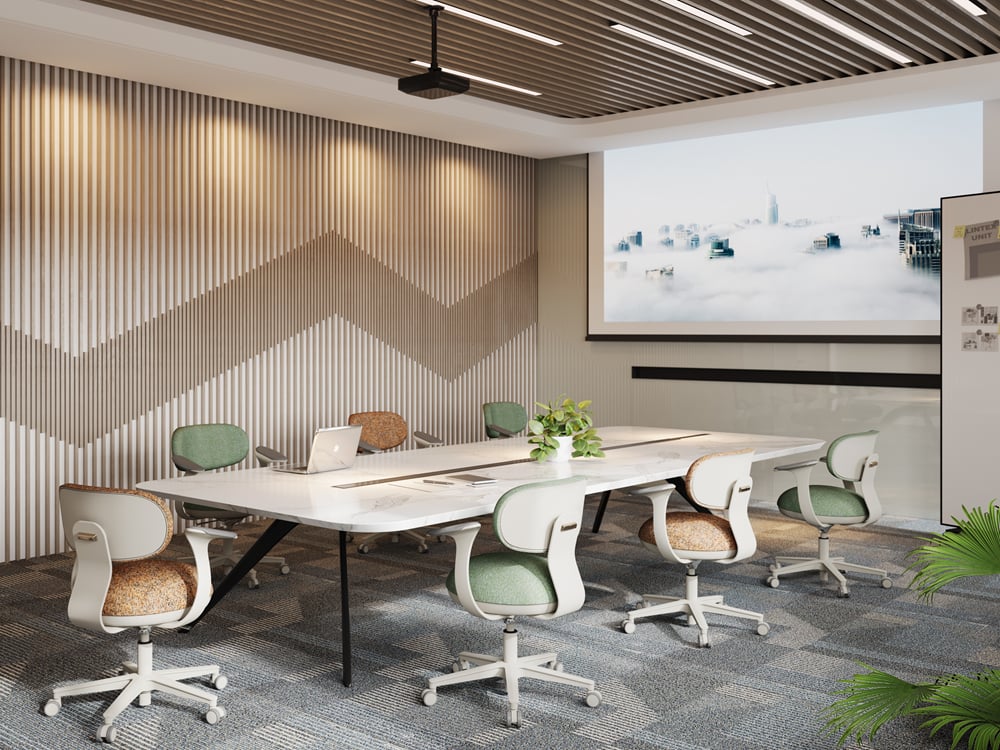
The psychological impact of comfortable seating extends beyond physical considerations, influencing the overall meeting atmosphere and participant mindset. When attendees feel physically supported by their office conference chair, they are more likely to contribute actively to discussions and maintain positive attitudes throughout the session. Comfortable seating removes a potential distraction, allowing participants to concentrate fully on meeting objectives and collaborative problem-solving.
Environmental psychology studies indicate that comfortable physical surroundings contribute to reduced stress levels and enhanced creative thinking. A well-chosen office conference chair communicates attention to detail and consideration for participant comfort, establishing a foundation for productive business relationships and successful negotiations.
Projecting Professional Standards
The selection of conference room furniture, particularly seating, reflects organizational values and professional standards to both employees and external visitors. High-quality office conference chair options demonstrate investment in employee wellbeing and attention to detail that clients and partners notice. This visual communication of professionalism can influence business relationships and create positive first impressions during important meetings.
Contemporary office design trends emphasize the importance of cohesive, professional aesthetics that support brand identity and corporate culture. An appropriately selected office conference chair contributes to the overall visual appeal of meeting spaces while maintaining functional comfort requirements.
Productivity Enhancement Through Proper Seating
Minimizing Meeting Interruptions
Uncomfortable seating frequently leads to meeting disruptions as participants shift positions, take unnecessary breaks, or become distracted by physical discomfort. An appropriately designed office conference chair minimizes these interruptions by providing consistent comfort throughout extended sessions. This stability allows meetings to maintain momentum and achieve objectives more efficiently.
Professional facilitators and meeting managers recognize that environmental factors, including seating comfort, directly correlate with meeting effectiveness. When participants remain comfortable and focused, discussions flow more naturally, decisions are made more efficiently, and overall meeting satisfaction increases significantly.
Supporting Different Meeting Types and Durations
Modern business operations require various types of meetings, from brief status updates to full-day strategic planning sessions. A versatile office conference chair must accommodate these diverse requirements while maintaining consistent comfort levels. Adjustable features allow the same seating to support both formal presentations and casual brainstorming sessions effectively.
The flexibility to modify seat height, armrest position, and back support enables conference rooms to accommodate participants of varying heights and preferences without requiring multiple chair types. This adaptability maximizes the utility of conference room investments while ensuring consistent comfort standards across different meeting formats.
Long-term Cost Considerations
Durability and Maintenance Requirements
Investing in quality office conference chair options provides long-term financial benefits through reduced replacement frequency and lower maintenance costs. Well-constructed conference chairs withstand frequent use and adjustment cycles typical in busy meeting environments. High-grade materials and construction methods ensure that comfort levels remain consistent over extended periods of use.
The total cost of ownership for conference room seating includes initial purchase price, ongoing maintenance requirements, and eventual replacement costs. Premium office conference chair models often feature replaceable components and comprehensive warranties that protect investments and reduce long-term expenses associated with conference room furniture.
Employee Health and Productivity Returns
Organizations that prioritize comfort in conference room design often experience reduced employee health issues related to prolonged sitting and improved overall workplace satisfaction. These benefits translate into measurable returns through decreased absenteeism, increased productivity, and enhanced employee retention rates. The investment in quality office conference chair options pays dividends through improved human resource outcomes.
Healthcare costs associated with work-related musculoskeletal disorders represent significant organizational expenses that can be mitigated through proper ergonomic furniture selection. Preventive measures, including appropriate conference seating, demonstrate corporate responsibility and reduce liability exposure related to workplace health issues.
Selection Criteria for Optimal Conference Seating
Evaluating Ergonomic Features
The selection process for an office conference chair should prioritize ergonomic features that support diverse user needs and extended sitting periods. Key considerations include lumbar support adjustability, seat depth and width dimensions, armrest functionality, and overall build quality. These features directly impact user comfort and meeting effectiveness.
Professional furniture specialists recommend testing conference chairs under realistic meeting conditions to evaluate comfort levels accurately. This evaluation process should include participants of various heights and body types to ensure that selected seating accommodates the diverse needs of meeting attendees effectively.
Balancing Aesthetics with Functionality
Modern office conference chair designs successfully integrate visual appeal with functional comfort requirements. Contemporary options offer sophisticated aesthetics that complement various interior design themes while maintaining the ergonomic features necessary for extended use. This balance allows organizations to create visually appealing conference spaces without compromising participant comfort.
Color coordination, material selection, and design consistency contribute to cohesive meeting space aesthetics that reflect organizational professionalism. The visual impact of well-chosen conference seating enhances the overall meeting environment and supports positive business impressions.
Technology Integration and Modern Features
Accommodating Contemporary Meeting Technologies
Modern conference environments increasingly incorporate various technologies that influence seating requirements and room layouts. An office conference chair must accommodate participants using laptops, tablets, and mobile devices while maintaining comfortable positioning for traditional meeting activities. Adjustable features become particularly important when participants need to transition between different technology interfaces during meetings.
The integration of presentation technologies, video conferencing systems, and interactive displays requires flexible seating arrangements that support both focused attention and collaborative interaction. Quality conference chairs provide the adjustability necessary to optimize viewing angles and maintain comfort during technology-enhanced meetings.
Supporting Hybrid Work Environments
Contemporary workplace trends toward hybrid and flexible work arrangements place additional demands on conference room furniture, including seating selections. An office conference chair must serve both in-person attendees and support effective video conferencing by providing appropriate positioning and professional appearance on camera. These dual requirements influence both comfort and aesthetic considerations in the selection process.
The flexibility to quickly reconfigure meeting spaces for different group sizes and meeting formats requires adaptable seating solutions that maintain comfort standards across various arrangements. This adaptability ensures that conference rooms remain functional and comfortable regardless of the specific meeting requirements or participant locations.
FAQ
How does an uncomfortable office conference chair affect meeting productivity
Uncomfortable conference seating creates physical distractions that reduce participant focus and engagement during meetings. When attendees experience discomfort, they become preoccupied with adjusting their position, taking breaks, or managing pain rather than contributing to discussions. This distraction leads to decreased participation, longer meeting durations, and reduced decision-making effectiveness. Additionally, uncomfortable seating can cause fatigue that affects cognitive performance and creative thinking throughout extended sessions.
What ergonomic features are most important in a conference chair
The most critical ergonomic features for an office conference chair include adjustable lumbar support to maintain natural spine curvature, appropriate seat depth that accommodates different leg lengths, and height adjustability to ensure proper desk and table positioning. Armrests should be adjustable in height and width to support various body types, while seat cushioning should provide adequate support without creating pressure points. Breathable materials and swivel functionality also contribute significantly to comfort during extended meeting periods.
How long should a quality conference chair last in a business environment
A well-constructed office conference chair should provide reliable service for seven to ten years in typical business environments with proper maintenance. High-quality chairs often feature replaceable components such as casters, armrests, and cushioning that extend overall lifespan beyond the initial construction period. The frequency of use, user weight ranges, and maintenance practices significantly influence chair longevity. Investing in commercial-grade conference seating with comprehensive warranties typically provides better long-term value than lower-cost alternatives requiring frequent replacement.
Should conference chairs match other office furniture throughout the workspace
While conference chairs should complement the overall office design aesthetic, they do not necessarily need to match other workspace furniture exactly. The priority should be selecting an office conference chair that meets comfort and functionality requirements while coordinating appropriately with the conference room environment. Many organizations choose to maintain design consistency through color schemes, material choices, or style elements rather than identical furniture pieces. This approach allows for optimization of each furniture type for its specific use while maintaining visual cohesion throughout the workplace.


