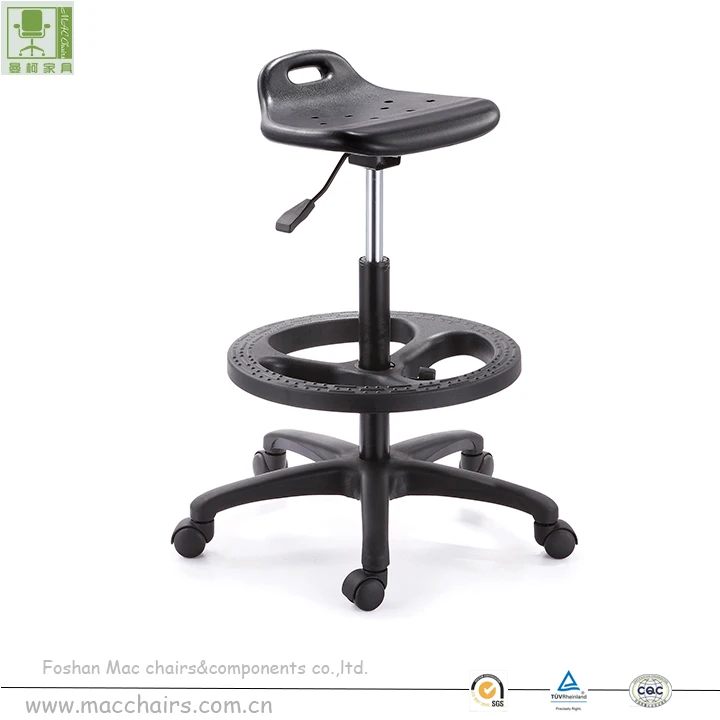
Chemical-Resistant Construction and Easy Maintenance
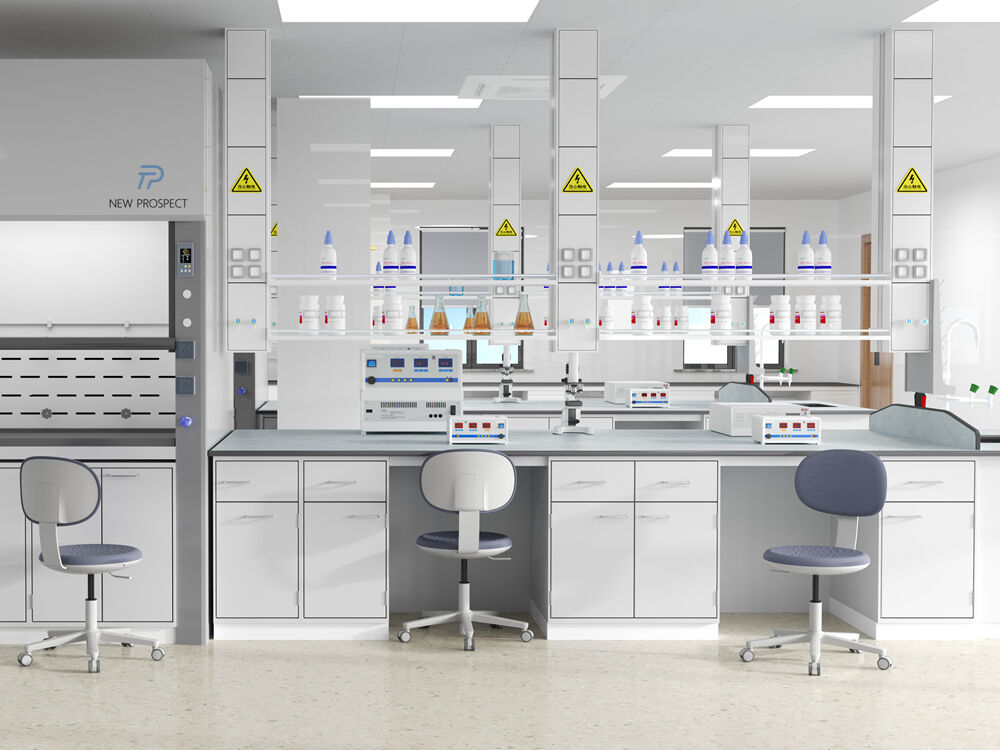
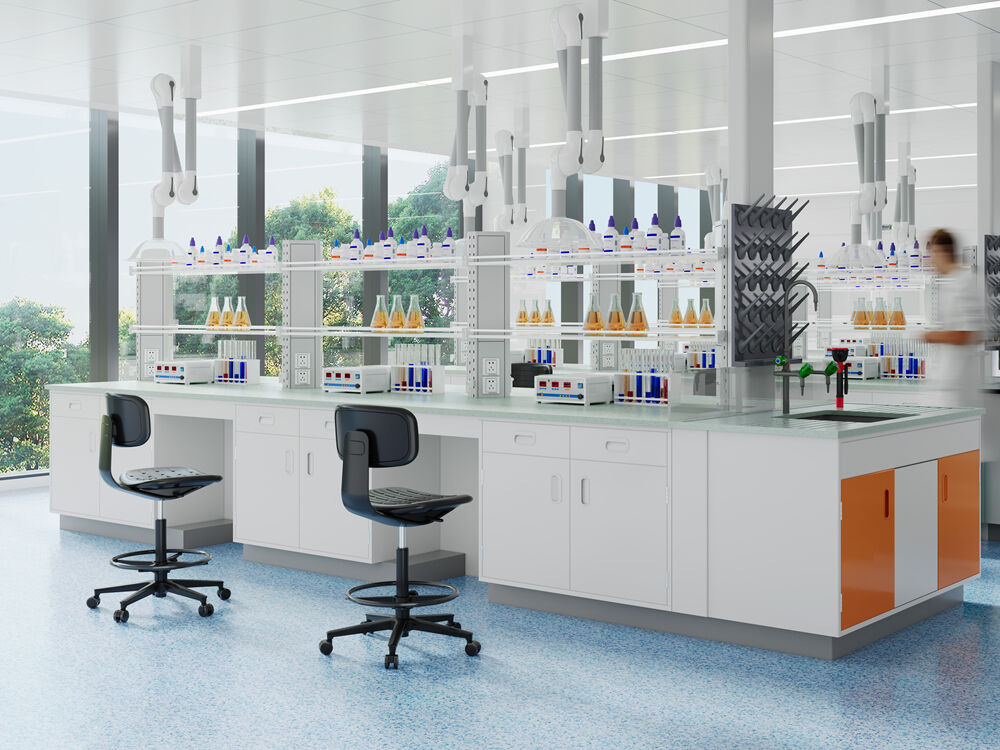
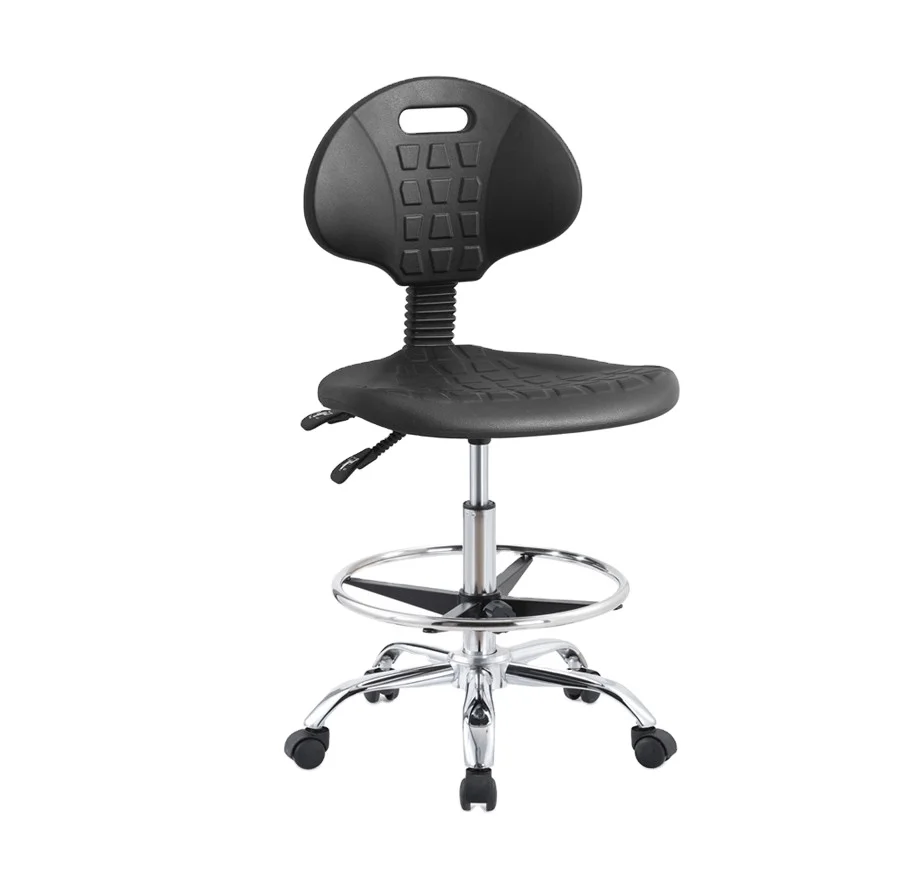
The laboratory stool chair's chemical-resistant construction represents a critical advantage for facilities where exposure to corrosive substances, solvents, and cleaning agents is routine. The seating surface utilizes specialized polyurethane or vinyl materials that have been specifically formulated to withstand contact with common laboratory chemicals without degrading, staining, or absorbing odors. This resistance extends to acids, bases, organic solvents, and disinfectants commonly used in research environments. The seamless construction of the seat eliminates crevices where chemicals could accumulate, ensuring thorough cleaning and preventing bacterial growth that could compromise sterile conditions. The laboratory stool chair's maintenance requirements are minimal, with cleaning protocols involving simple wipe-down procedures using standard laboratory disinfectants. The non-porous surface materials prevent absorption of spills, making cleanup immediate and effective. This feature is particularly valuable in environments where cross-contamination prevention is critical, such as pharmaceutical research, biotechnology laboratories, and clinical settings. The frame construction incorporates corrosion-resistant metals and coatings that maintain structural integrity even when exposed to aggressive cleaning chemicals or accidental spills. The caster wheels are manufactured from materials that resist chemical damage while maintaining smooth rolling characteristics across various laboratory flooring types. The overall design philosophy prioritizes durability in harsh chemical environments, ensuring that the laboratory stool chair maintains its functionality and appearance over years of intensive use. The chemical resistance extends to UV exposure, preventing fading and material degradation in laboratories with significant natural or artificial lighting. This construction approach significantly reduces the total cost of ownership by extending the chair's service life and reducing replacement frequency. The ability to withstand frequent decontamination procedures without material degradation supports laboratory safety protocols and maintains professional appearance standards expected in scientific facilities.