
 EN

Choosing an office chair manufacturer for a long-term relationship involves more than reviewing a product photo or initial quote. You need evidence that the company can understand your requirements, maintain consistent production, communicate clearly, and respond constructively when plans change. A structured evaluation helps procurement teams distinguish a promising conversation from a workable partnership.
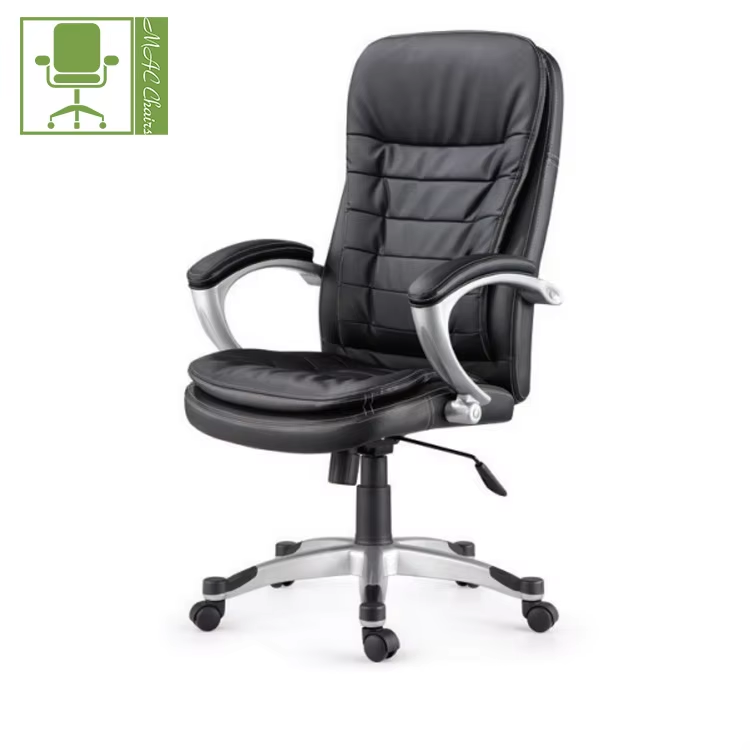
The right office chair manufacturer should be assessed against your actual business needs, including product specifications, order patterns, quality expectations, and service requirements. Rather than relying on broad assurances, ask for concrete examples and documented processes. This approach gives your team a practical basis for deciding whether cooperation can remain dependable as volumes, designs, or timelines evolve.
Assessing strategic and product alignment
Confirming product capability and specification control
Start by explaining the chair application, intended users, operating environment, and required configuration. Ask the office chair manufacturer how it translates these requirements into written specifications covering dimensions, materials, finishes, components, packaging, and acceptable tolerances. A capable office chair manufacturer will clarify ambiguous details before production instead of treating assumptions as approval.
Request product drawings, material descriptions, samples, or other relevant records, then compare them with your internal brief. Discuss how revisions are identified and approved, and how the office chair manufacturer prevents an outdated specification from reaching the production floor. Clear revision control matters because a small change in fabric, mechanism, or finish can affect inspection criteria and consistency across repeat orders.
Matching the relationship to your commercial needs
Consider whether the office chair manufacturer understands your forecast patterns, order cadence, customization needs, and delivery constraints. Share realistic demand ranges rather than presenting an untested volume promise. Ask how the office chair manufacturer handles changes in quantity or delivery timing, and what information it needs from your team to plan responsibly.
Commercial fit also includes payment terms, quotation detail, packaging expectations, and ownership of approved designs or specifications. Review what is included in a quote and which items may create additional cost. A transparent office chair manufacturer explains assumptions early, allowing procurement and finance teams to compare proposals accurately and avoid surprises after a purchase order is issued.
Verifying operational reliability
Reviewing quality processes and corrective action
Ask the office chair manufacturer to describe inspection points from incoming materials through final packing. Look for a process that defines checks, records results, and identifies who can stop or correct work when a requirement is missed. The office chair manufacturer should be able to explain how defects are contained, investigated, and addressed rather than offering only a general statement about quality.
Discuss how samples are approved, how production batches are linked to specifications, and how concerns are documented after delivery. Ask for an example of a corrective action process without requesting confidential customer information. A responsive office chair manufacturer will explain how it identifies causes, assigns follow-up, and verifies changes, helping both parties reduce repeat problems through evidence rather than informal assurances.
Testing capacity, lead times, and supply continuity
Request a realistic explanation of production capacity, typical planning stages, and dependencies that could affect lead times. Ask the office chair manufacturer how it manages materials with longer replenishment cycles and what notice it needs for forecast updates. This discussion reveals whether stated timelines reflect a considered workflow or merely an optimistic estimate offered before requirements are understood.
Capacity should be evaluated against your likely order profile, not an abstract maximum. Explore how the office chair manufacturer schedules repeat orders, communicates delays, and handles changes that affect confirmed plans. You can also ask how it monitors critical components and what alternatives require your approval. These questions help identify continuity risks early, when the parties can still agree on practical safeguards.
Establishing durable cooperation
Evaluating communication and problem-solving habits
Observe how quickly and precisely the office chair manufacturer answers technical and commercial questions. Good communication is not simply frequent contact; it means clear ownership, accurate updates, and prompt notice when an issue needs a decision. During evaluation, provide a realistic scenario, such as a specification clarification, and see whether the office chair manufacturer asks relevant questions before proposing a solution.
Agree on routine contacts, escalation paths, and the information each side should share at key milestones. The office chair manufacturer should know who approves samples, artwork, or specification changes on your side, while your team should know whom to contact about planning or quality concerns. Defined communication reduces ambiguity and makes ordinary coordination easier across purchasing, product, and operations teams.
Using a controlled trial before scaling
Before making a larger commitment, consider a sample order or limited initial run with agreed acceptance criteria. Document what will be reviewed, who will inspect it, and how any deviations will be resolved. This gives your team a practical way to assess the office chair manufacturer against actual requirements, from order confirmation and packing details to product consistency and delivery communication.
After the trial, hold a structured review with the office chair manufacturer and record what worked, what needs correction, and who owns each action. Compare outcomes with the original specification rather than relying only on impressions. If the evidence supports moving forward, establish a review rhythm for future orders. If gaps remain, agree on corrective steps and confirm them before increasing commitment.
FAQ
What documents should we request during evaluation?
Request relevant specifications, drawings, sample or approval records, quality inspection procedures, and clear commercial terms. The office chair manufacturer should explain how these records are controlled and updated. Keep the request proportionate to your project, and make sure your team can review the information against its own product, compliance, and purchasing requirements.
How can we assess quality before placing a large order?
Define acceptance criteria, review a representative sample, and consider a limited production run when practical. Ask the office chair manufacturer to explain inspection and corrective action processes, then compare delivered results with approved requirements. Record findings and resolve open issues before scaling so the decision rests on observable performance, not assumptions.
What signals support long-term cooperation?
Look for consistent specifications, realistic planning, transparent updates, documented quality controls, and constructive responses to problems. A dependable office chair manufacturer can explain its processes and acknowledge limitations without overpromising. Long-term confidence grows when both parties share information, assign responsibility, and review performance against agreed expectations.


