Multi-Dimensional Adjustability Features
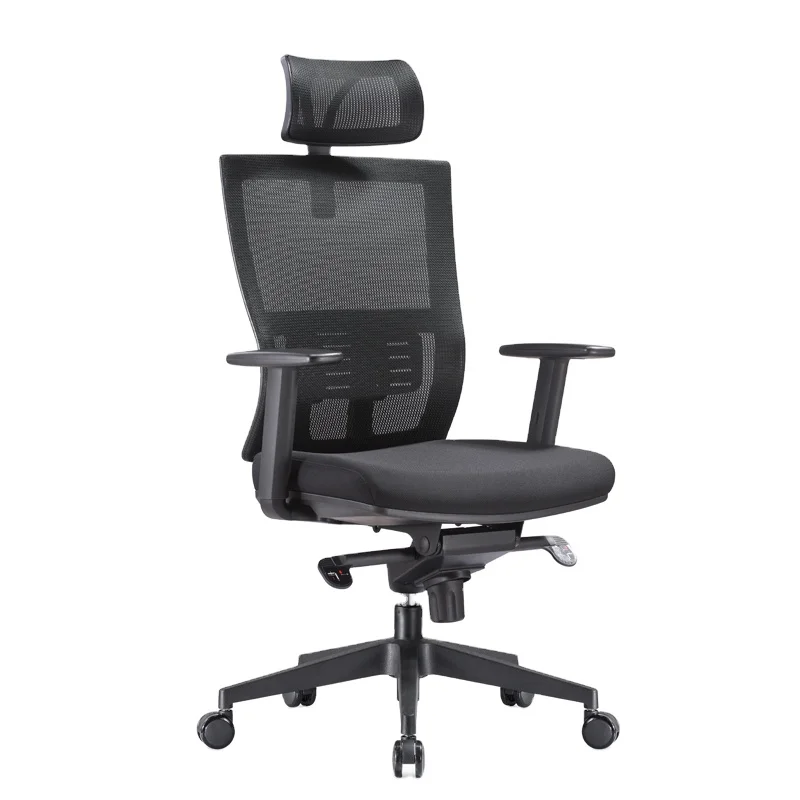
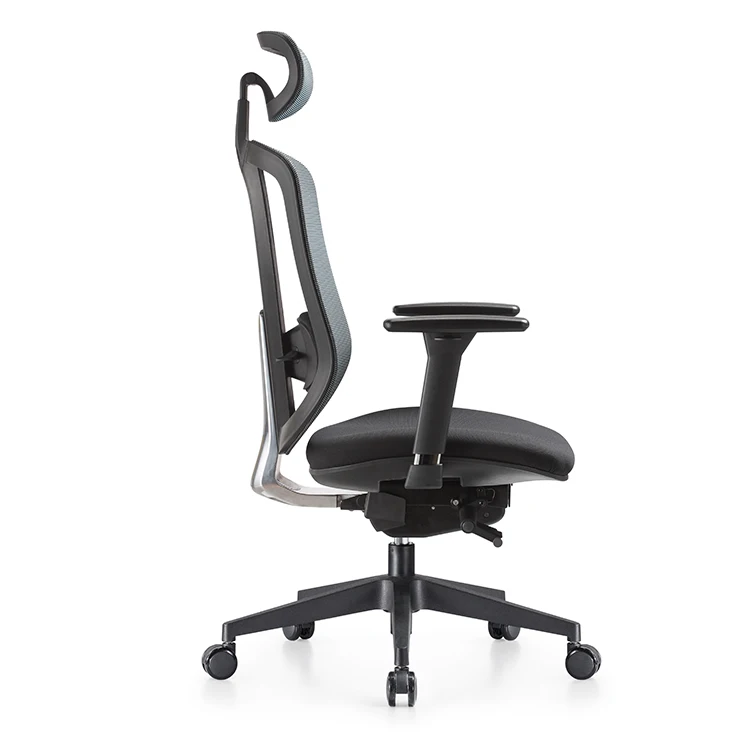
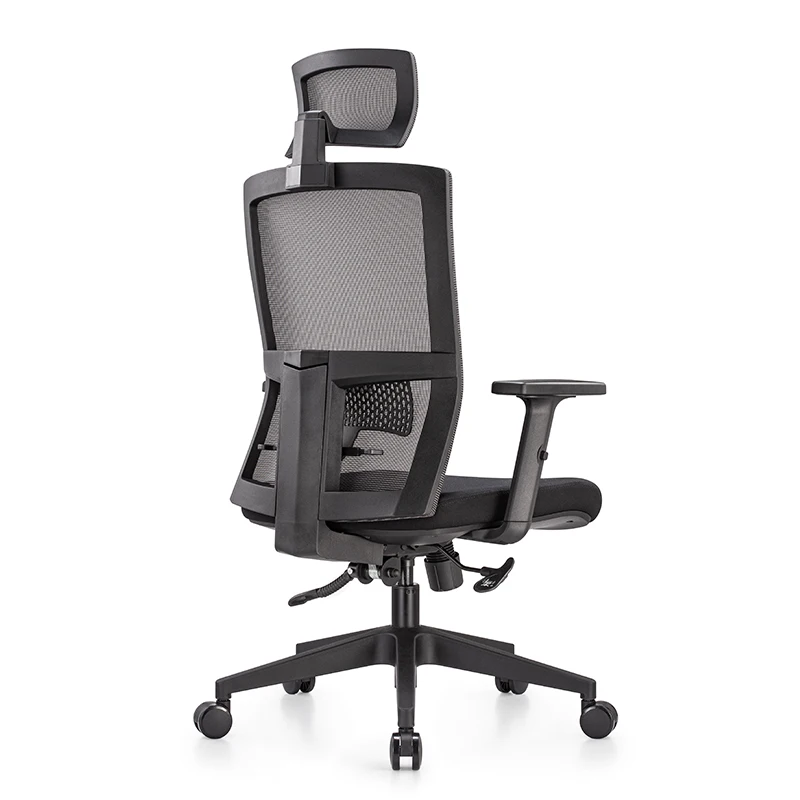
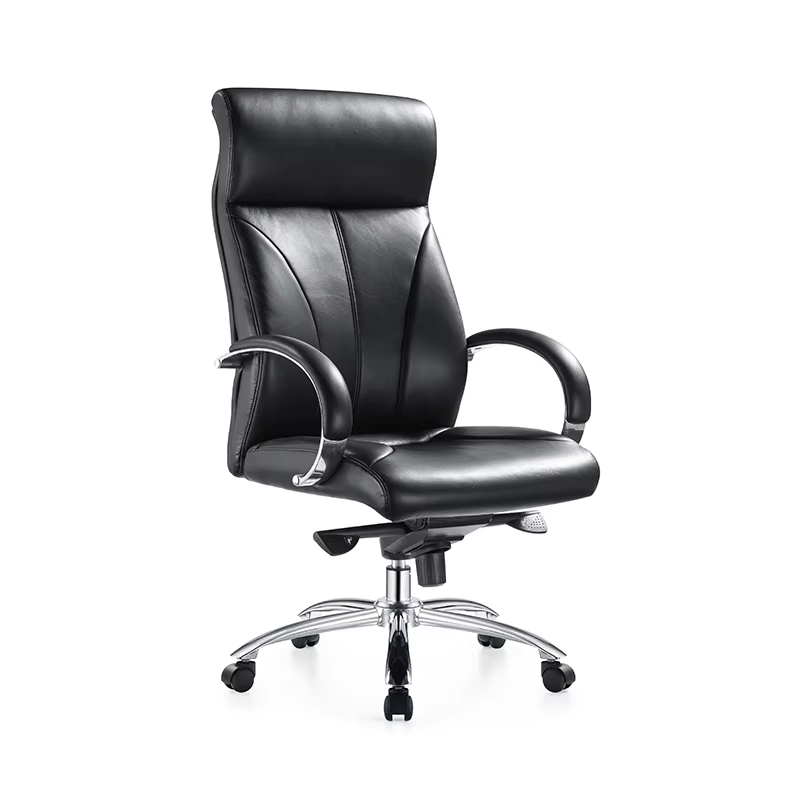
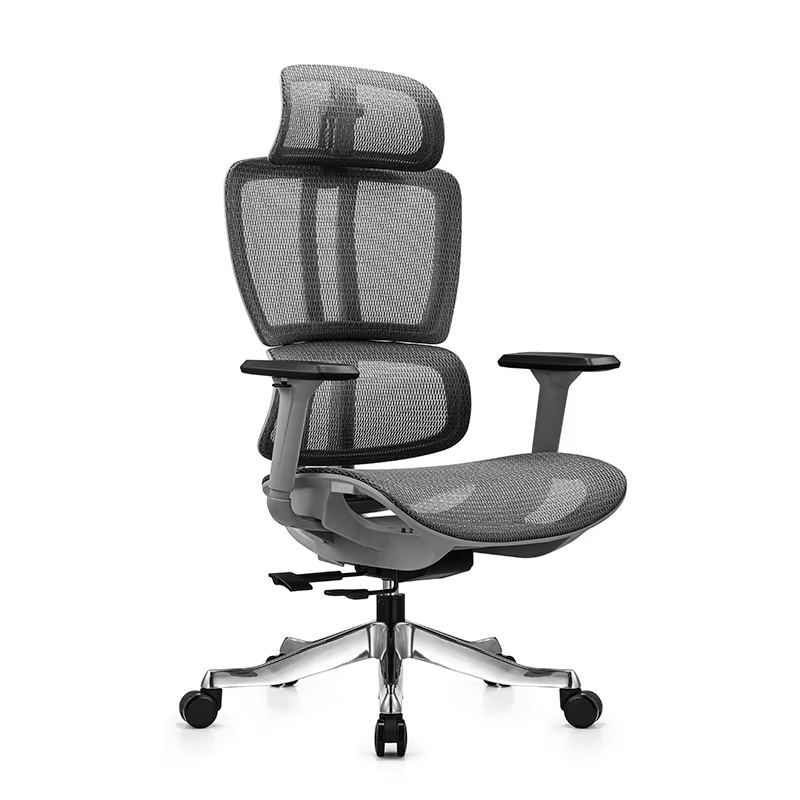
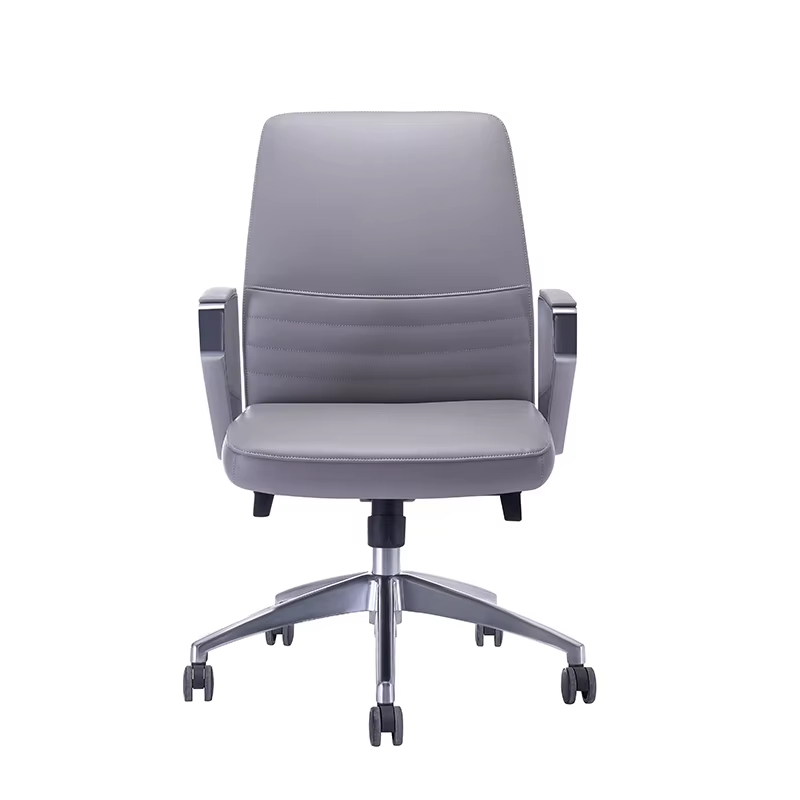
The comprehensive adjustability options available in an ergonomic executive office chair provide users with unprecedented control over their seating experience, ensuring optimal comfort and support for individuals of all sizes and work styles. These sophisticated adjustment mechanisms encompass multiple dimensions of customization, including seat height, armrest positioning, backrest angle, and tilt tension, allowing each user to create their perfect seating configuration. The pneumatic height adjustment system utilizes smooth, reliable mechanisms that enable precise positioning of the seat relative to desk height and user leg length, ensuring that feet rest comfortably on the floor while maintaining proper thigh support and circulation. Armrest adjustability typically includes multiple directions of movement, such as height, width, depth, and angle modifications, accommodating various arm lengths, shoulder widths, and work surface heights while providing consistent support for the arms and shoulders during typing, writing, and other desk activities. The backrest adjustment features allow users to modify the angle and position of the chair back, providing options for upright work postures, relaxed positions, and everything in between, while maintaining proper spinal alignment throughout the range of motion. Tilt tension controls enable users to customize the resistance level when leaning back in the chair, accommodating different body weights and personal preferences for movement and support during work activities. The synchronized tilt mechanism ensures that the seat and backrest move together in a coordinated motion that maintains proper support relationships as the user changes positions throughout the day. Advanced ergonomic executive office chair models may include additional adjustability features such as seat depth modification, headrest positioning, and specialized controls for different support zones, providing even greater customization options for users with specific comfort requirements or physical considerations. The intuitive design of these adjustment mechanisms ensures that users can easily modify their settings without requiring technical expertise or interrupting their work activities, promoting regular position changes and optimal comfort maintenance throughout extended work sessions.

 EN
EN