Versatile Customization and Adjustment Options
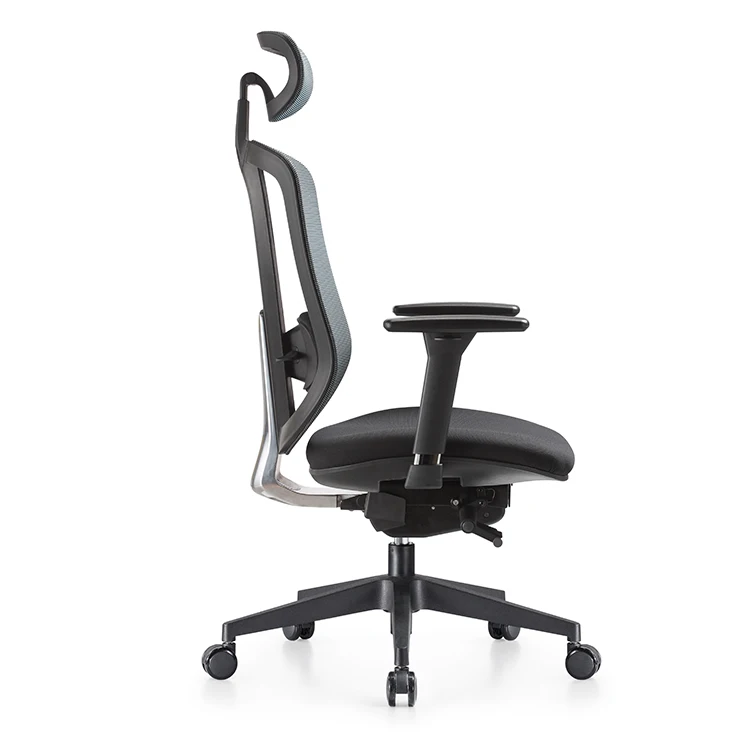
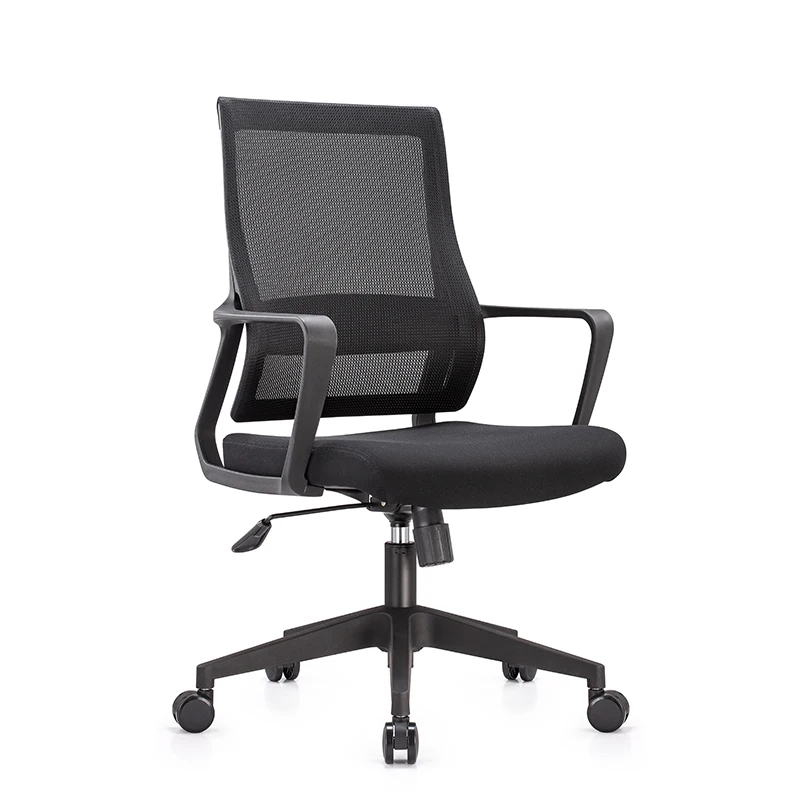
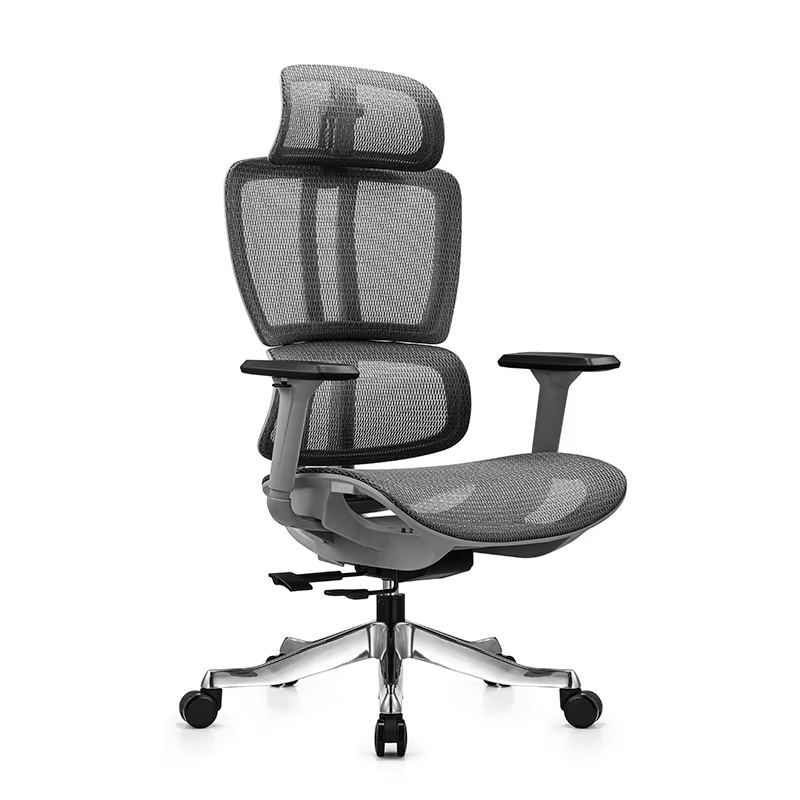
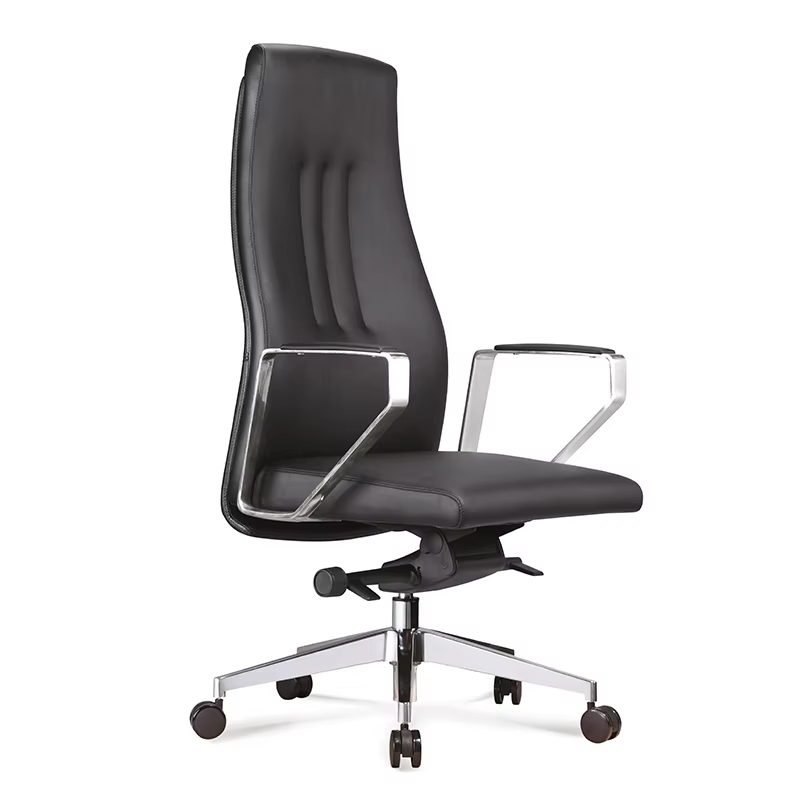
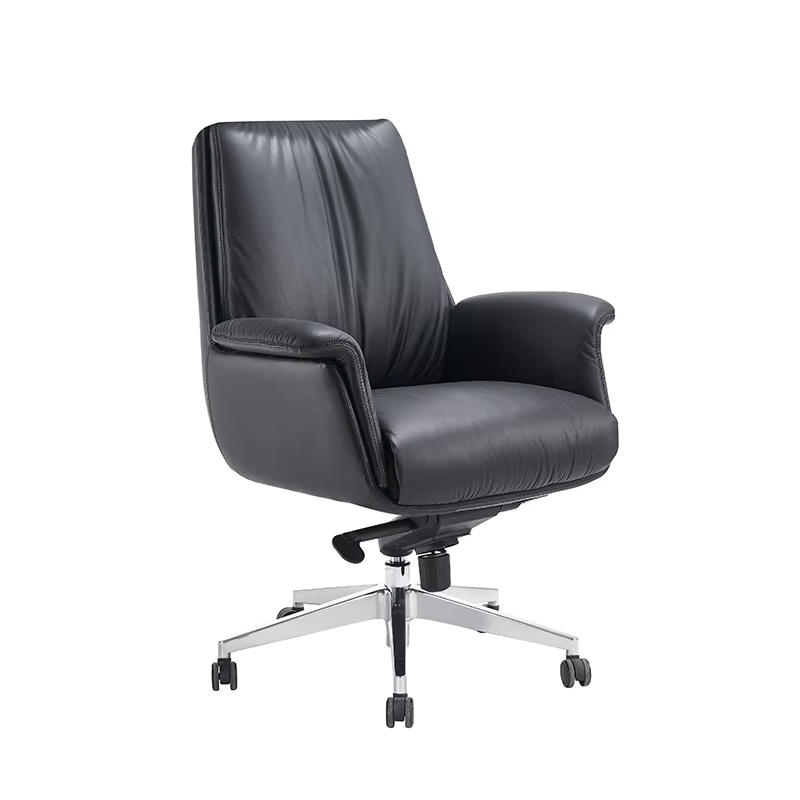
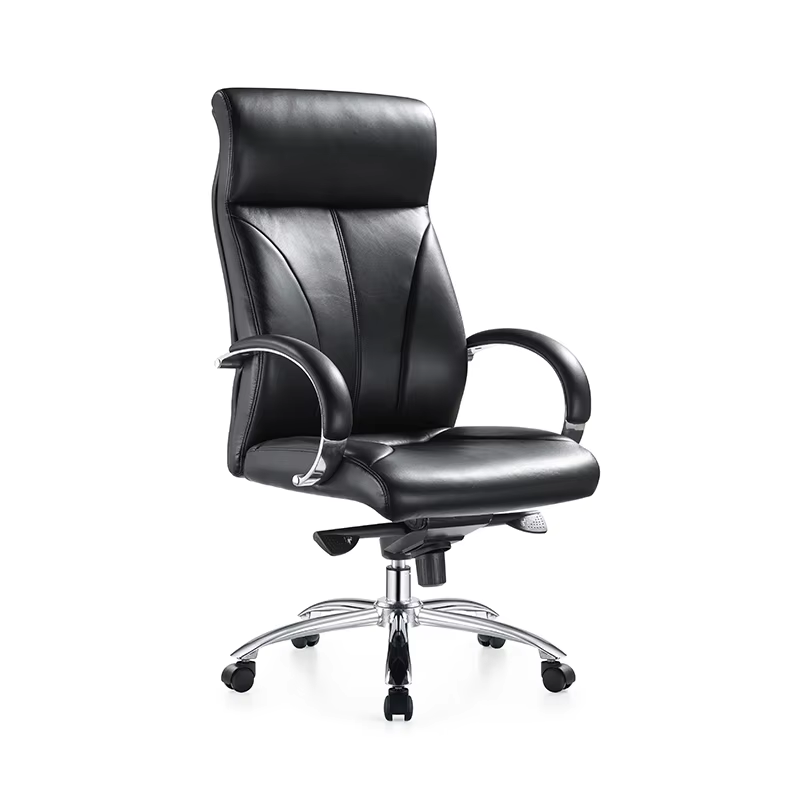
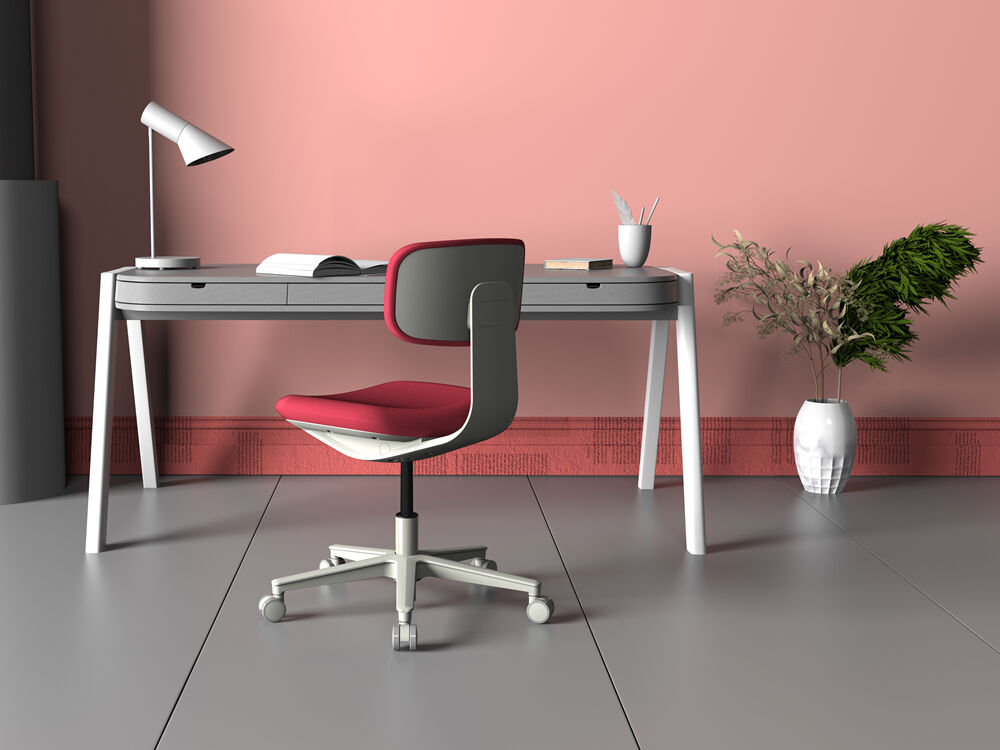
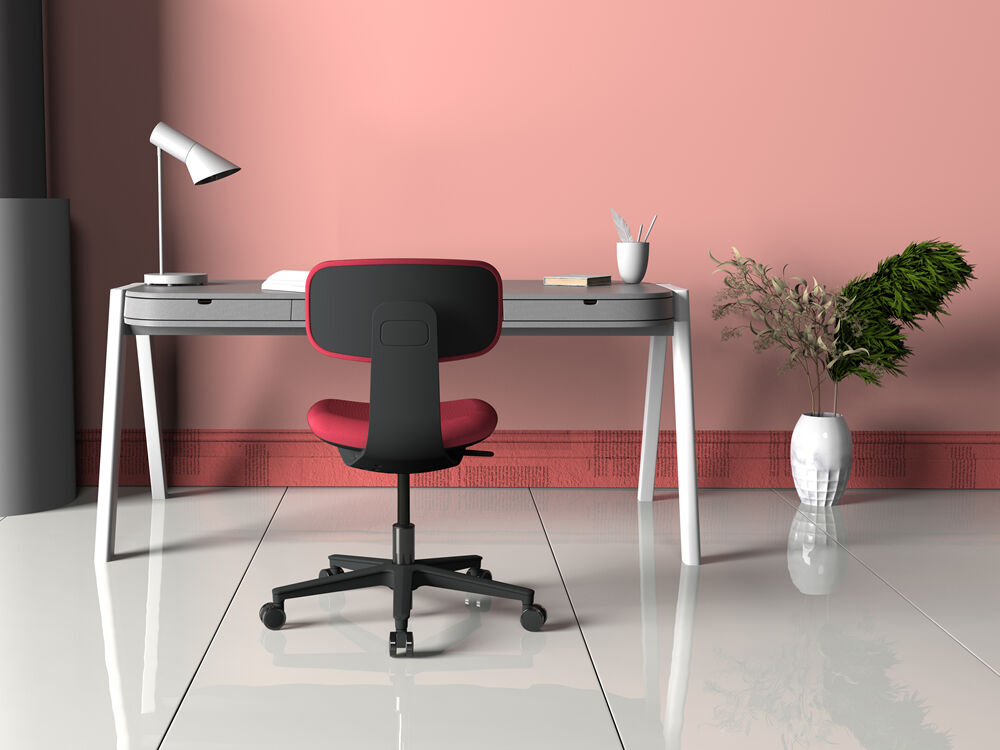
Versatile customization and adjustment options transform the home office swivel chair into a personalized workstation component that adapts to individual preferences and changing work requirements throughout the day. The comprehensive adjustment system begins with pneumatic height control that provides smooth, precise positioning across a wide range to accommodate different desk heights and user statures. Multi-position tilt mechanisms offer various recline angles, from upright task positions to relaxed conference postures, with tension controls that adjust resistance based on user weight and preference. Armrest customization reaches new levels of sophistication with 4D adjustment capabilities, including height, width, depth, and angle modifications that support different arm positions during typing, mouse work, and phone conversations. Advanced models feature memory settings that store preferred configurations, allowing quick transitions between different work modes or multiple users sharing the same workspace. Seat depth adjustment mechanisms accommodate varying leg lengths, ensuring proper support without restricting circulation or creating pressure points behind the knees. Headrest positioning systems provide cervical support that adjusts both vertically and horizontally, maintaining proper neck alignment during different activities from computer work to video conferencing. The customization extends to aesthetic preferences with multiple color options, fabric choices, and finish selections that complement diverse office décor schemes. Lumbar support intensity adjustment allows users to fine-tune back support levels based on personal comfort requirements and changing needs throughout their workday. Some premium home office swivel chair models incorporate smart technology that learns user preferences and automatically adjusts settings based on time of day or detected activity patterns. The importance of customization becomes evident when considering the diverse nature of modern work activities, from focused computer tasks requiring upright positioning to creative brainstorming sessions benefiting from relaxed postures. Professional productivity improves significantly when seating accommodates natural working preferences rather than forcing users to adapt to rigid configurations. The value of comprehensive adjustment options extends beyond individual comfort to include workspace flexibility, allowing the same chair to serve effectively in different roles or locations as professional needs evolve over time.
 EN
EN