Premium Medical Office Chairs - Ergonomic Healthcare Seating Solutions

medical office chairs

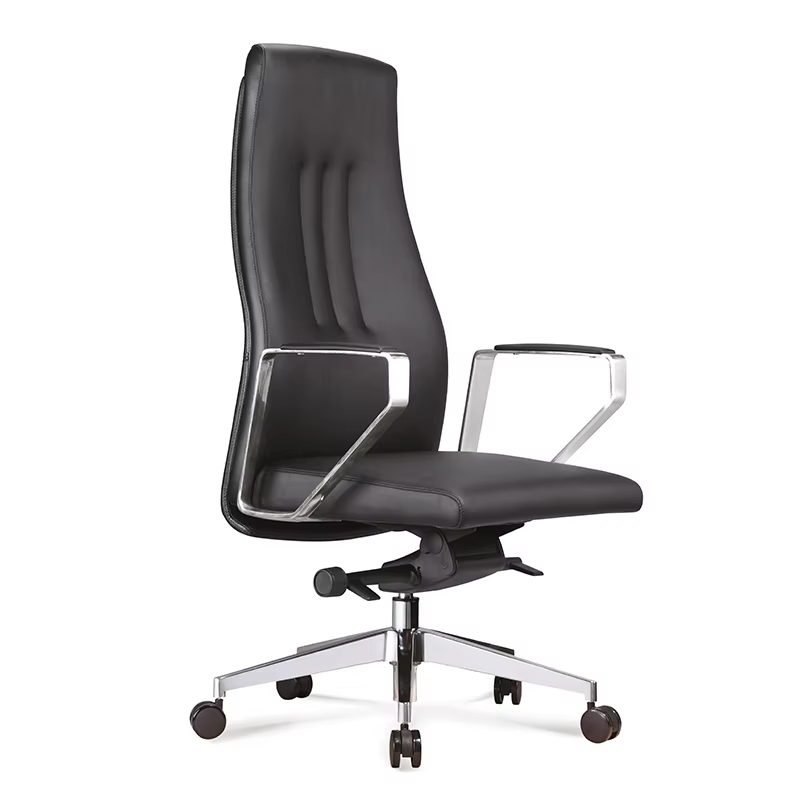
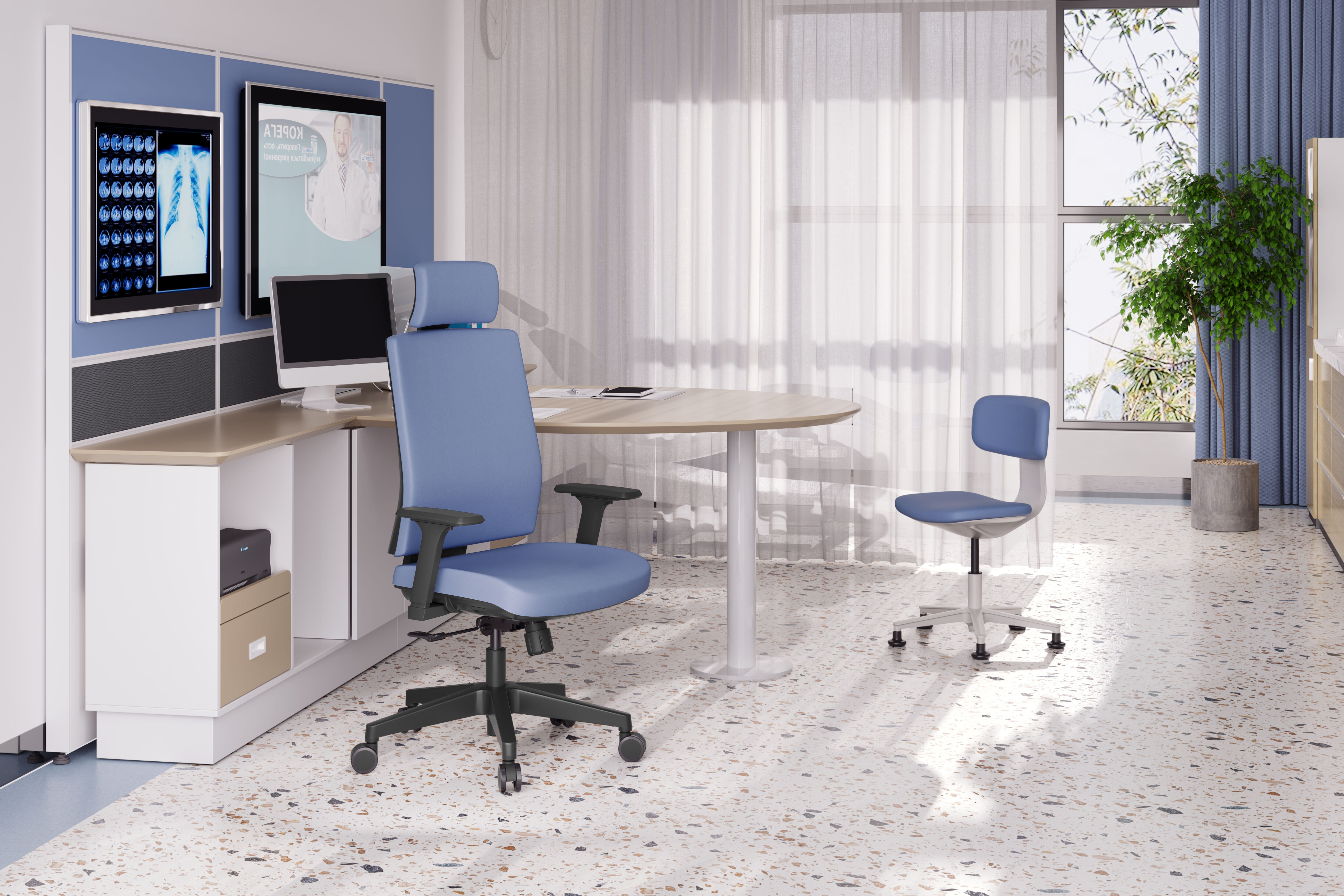
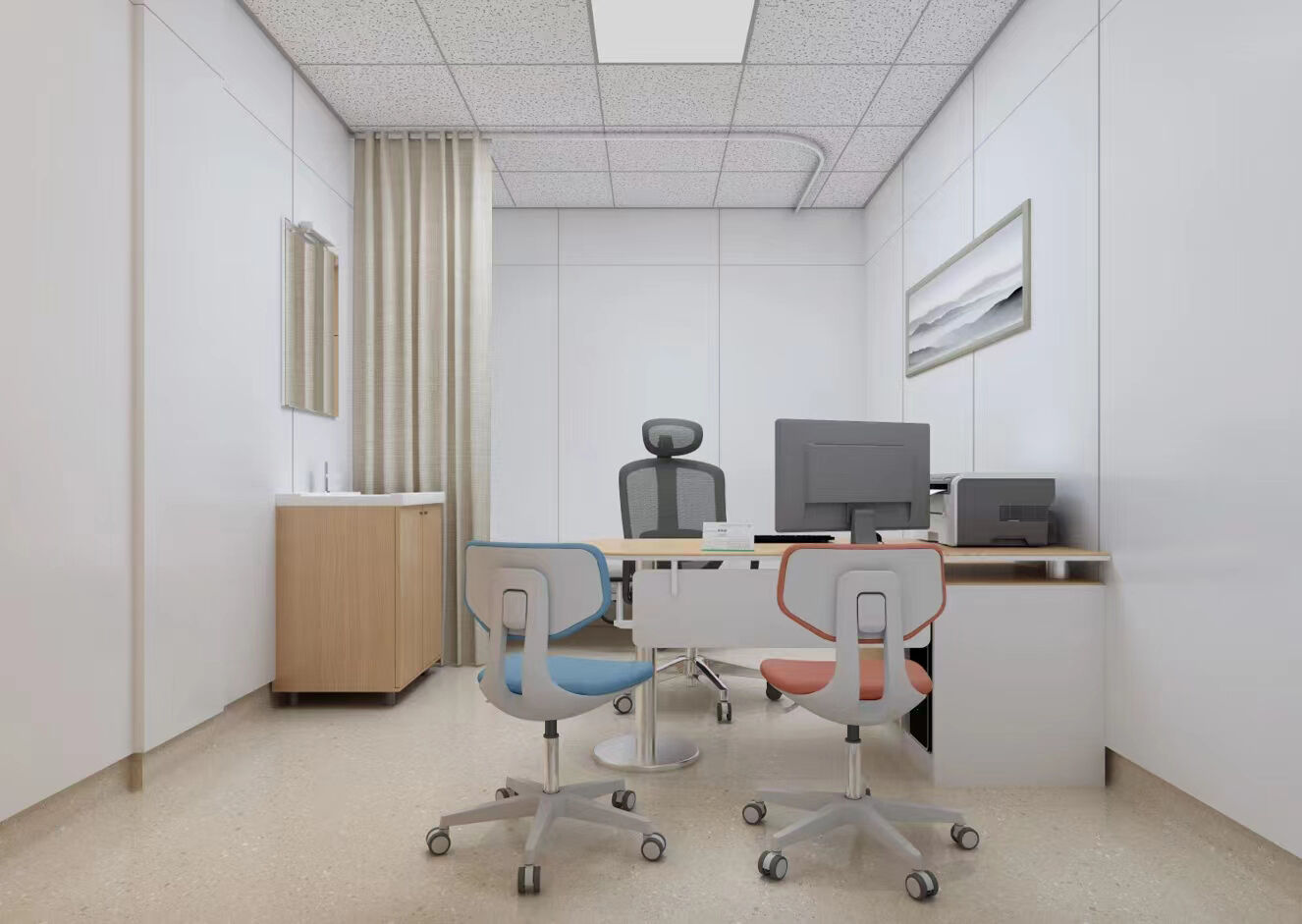
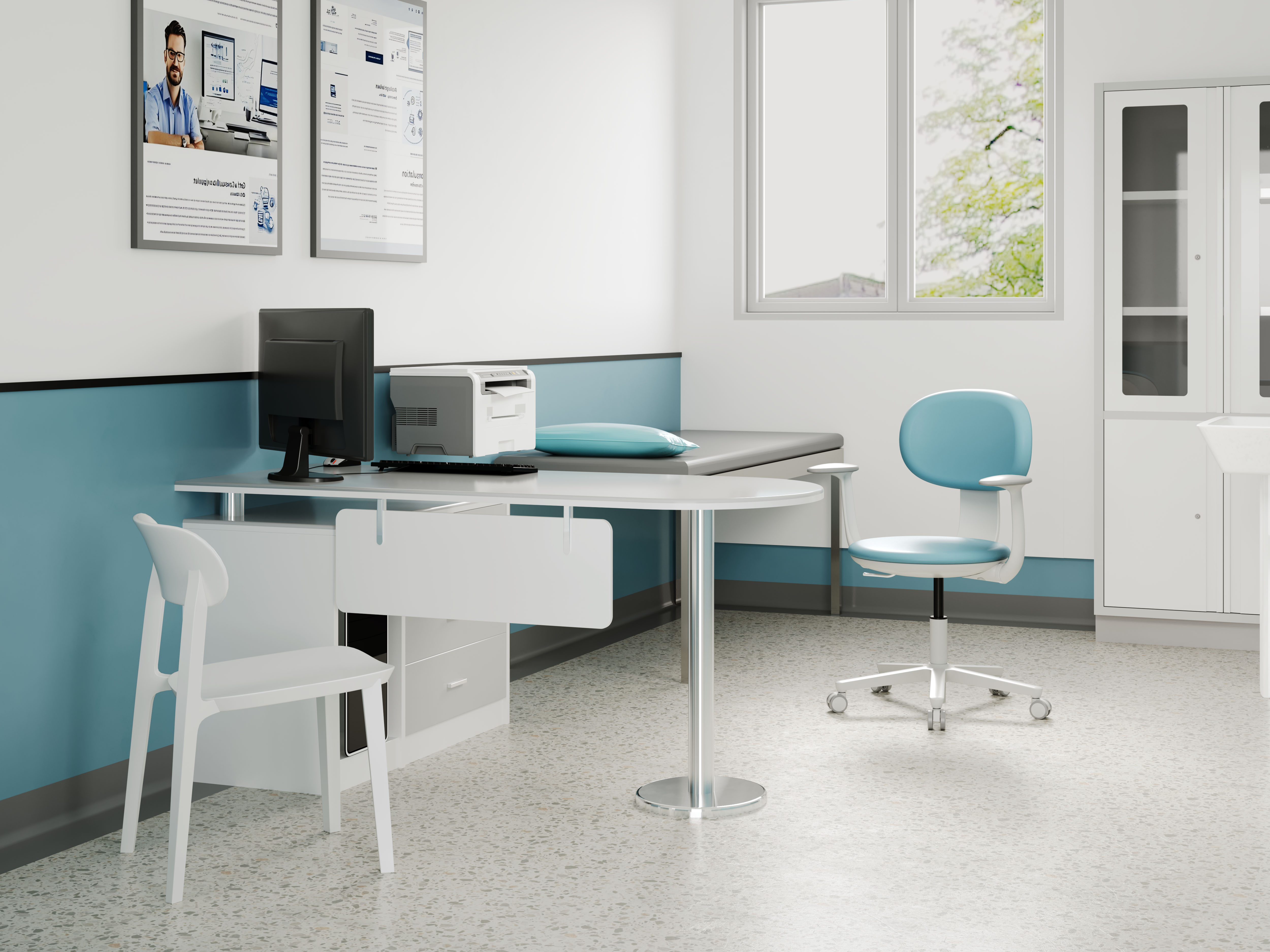
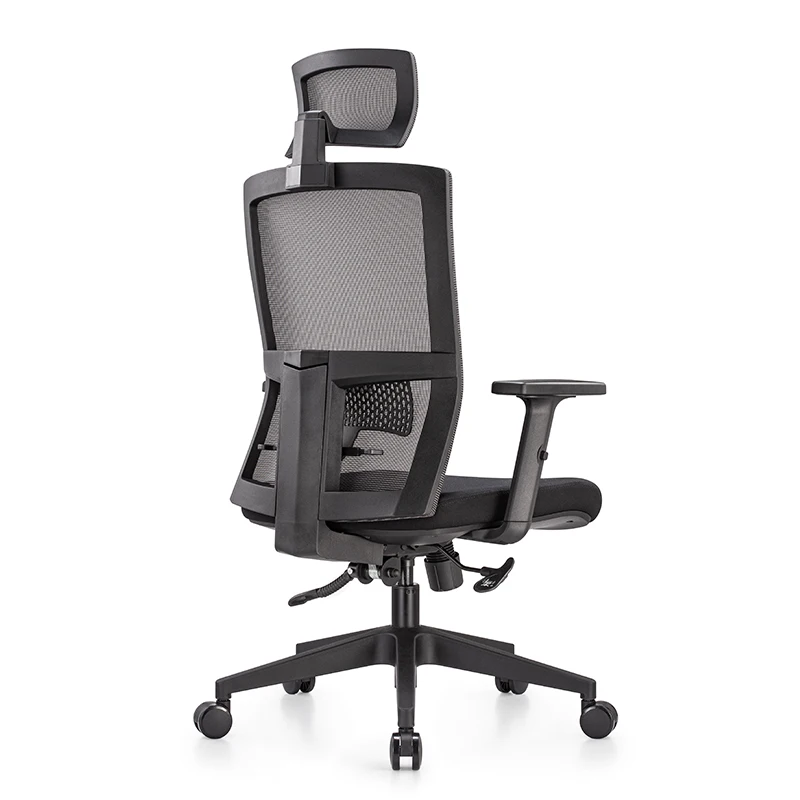
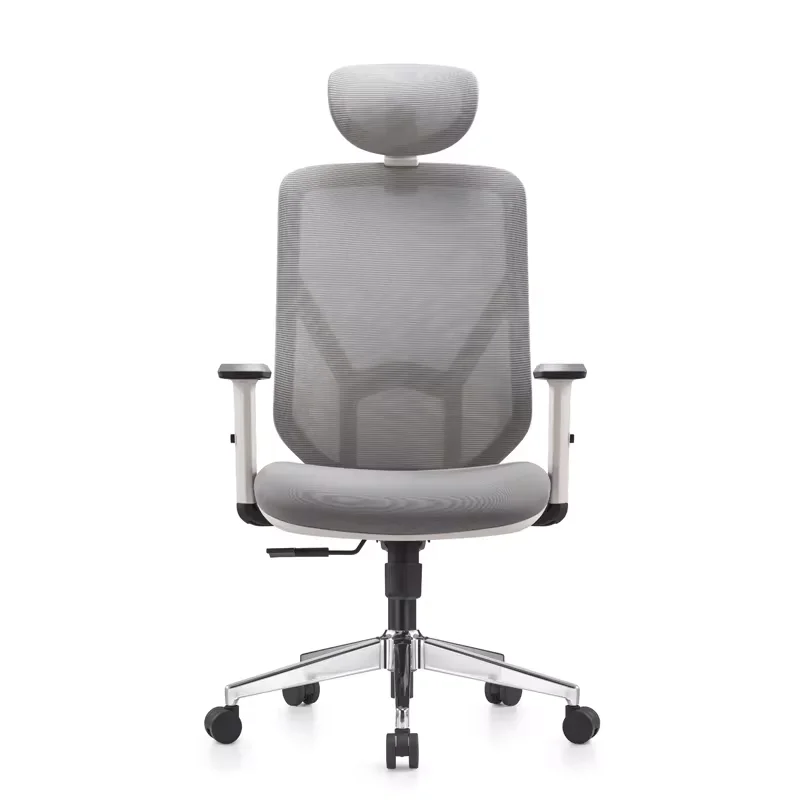
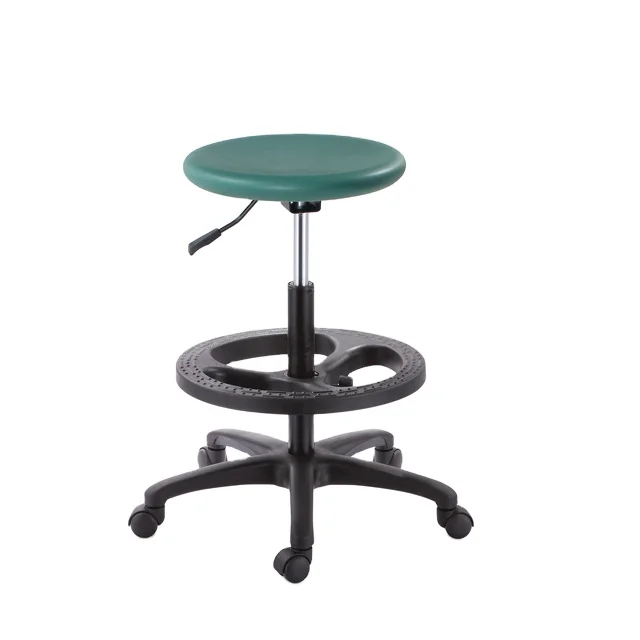
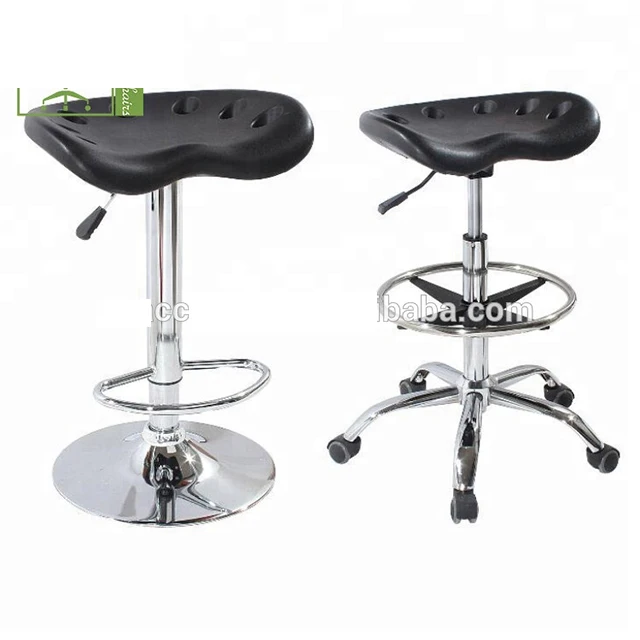
Medical office chairs represent a specialized category of seating solutions designed specifically for healthcare environments, combining ergonomic excellence with clinical functionality. These chairs serve as essential equipment in medical facilities, supporting healthcare professionals during extended work periods while maintaining hygiene standards crucial for patient care environments. Medical office chairs integrate advanced ergonomic principles with antimicrobial materials, creating seating solutions that address the unique demands of healthcare settings. The primary functions of medical office chairs encompass providing optimal support for healthcare workers who spend considerable time at workstations, examination areas, and administrative zones. These chairs feature height-adjustable mechanisms that accommodate users of varying statures, ensuring proper positioning relative to medical equipment and patient examination tables. The technological features incorporated into medical office chairs include pneumatic height adjustment systems, multi-directional swivel capabilities, and specialized caster wheels designed for smooth movement across various flooring surfaces common in medical facilities. Many models incorporate memory foam padding that contours to individual body shapes, reducing pressure points during prolonged sitting sessions. The backrest design typically follows lumbar support principles, maintaining the natural curvature of the spine to prevent fatigue and discomfort. Medical office chairs applications extend across diverse healthcare environments, from private practice offices to large hospital systems. Physicians utilize these chairs during patient consultations, administrative staff rely on them for documentation tasks, and nursing personnel depend on them in various clinical settings. The chairs prove particularly valuable in environments requiring frequent position changes, such as examination rooms where healthcare providers move between patients and equipment. Specialized features like easy-clean surfaces, fluid-resistant upholstery, and corrosion-resistant hardware ensure these chairs maintain functionality and appearance despite exposure to cleaning agents and medical substances commonly used in healthcare facilities.


New Products

Medical office chairs deliver substantial benefits that directly impact healthcare facility operations and staff wellbeing. These specialized seating solutions enhance productivity by reducing physical strain on healthcare professionals, allowing them to focus entirely on patient care rather than managing discomfort from inadequate seating. The ergonomic design of medical office chairs significantly decreases the likelihood of work-related musculoskeletal disorders, which commonly affect healthcare workers due to prolonged sitting and repetitive movements. Healthcare facilities investing in quality medical office chairs experience reduced absenteeism rates as staff members suffer fewer back injuries and related health issues. The adjustability features built into medical office chairs accommodate diverse body types and working preferences, ensuring every team member can customize their seating position for optimal comfort and efficiency. This personalization capability proves especially valuable in healthcare environments where multiple staff members may use the same workspace throughout different shifts. Medical office chairs constructed with antimicrobial materials contribute to infection control protocols essential in healthcare settings. These materials actively resist bacterial growth, supporting the sterile environment requirements that healthcare facilities must maintain. The easy-clean surfaces of medical office chairs streamline sanitation procedures, allowing housekeeping staff to quickly and thoroughly disinfect seating between uses without compromising the chair's structural integrity or appearance. The durability of medical office chairs provides exceptional value for healthcare facilities by withstanding the rigorous daily use typical in medical environments. High-quality components ensure these chairs maintain their functionality and appearance even after years of continuous operation, reducing replacement costs and minimizing disruptions to daily operations. The mobility features of medical office chairs, including smooth-rolling casters and swivel mechanisms, enable healthcare professionals to move efficiently between patients, equipment, and workstations without leaving their seats. This mobility reduces physical exertion and saves valuable time during busy clinical periods. The professional appearance of medical office chairs contributes to the overall aesthetic of healthcare facilities, creating environments that inspire confidence in patients and support the professional image healthcare providers work to maintain. These chairs blend seamlessly with medical equipment and office furniture, maintaining visual consistency throughout healthcare facilities while providing the specialized functionality medical environments require.

Tips And Tricks

MAC Chairs 2024 Year-end Party

06

Apr

MAC Chairs 2024 Year-end Party

View More
Experience MAC’s Office Chairs at CIFF 2025

06

Apr

Experience MAC’s Office Chairs at CIFF 2025

View More
Innovative Materials in Office Chair Manufacturing

Innovative Materials in Office Chair Manufacturing

Explore the evolution of office chair materials, from traditional wood and leather to innovative plastics and sustainable options like recycled polymers and bio-based foams. Discover cutting-edge advancements in material science, ergonomic breakthroughs, and future trends in adaptive seating using smart materials.
View More

Get a Free Quote

Our representative will contact you soon.
Email
Name
Mobile or Whatsapp
Message
0/1000

medical office chairs

Advanced Ergonomic Support System

Advanced Ergonomic Support System

Medical office chairs incorporate sophisticated ergonomic support systems that address the specific postural challenges faced by healthcare professionals during their demanding work schedules. The lumbar support mechanism built into these chairs follows anatomical principles, providing targeted support to the lower back region where healthcare workers commonly experience strain from prolonged sitting and frequent forward leaning motions required during patient examinations and documentation tasks. The backrest curvature aligns with the natural S-curve of the human spine, maintaining proper spinal alignment even during extended sitting periods that can last several hours without interruption. This ergonomic design prevents the slouching and forward head posture that typically develops when using standard office seating in medical environments. The seat cushion construction utilizes high-density foam materials that distribute body weight evenly, reducing pressure points that can lead to circulation problems and discomfort. The cushion depth and width dimensions accommodate various body sizes while maintaining proper thigh support without restricting blood flow to the lower extremities. Medical office chairs feature adjustable armrests that can be positioned to support the arms and shoulders during various tasks, from computer work to patient consultations, reducing strain on the neck and upper back muscles. The armrest height, width, and angle adjustments ensure that healthcare professionals can maintain relaxed shoulder positions regardless of their primary work activities. The pneumatic height adjustment system allows users to position themselves at optimal levels relative to their workstations, examination tables, and medical equipment, promoting proper posture and reducing the need for awkward reaching or bending motions. This adjustability proves particularly valuable in healthcare settings where professionals must interact with equipment and furniture of varying heights throughout their workday. The ergonomic benefits of medical office chairs extend beyond immediate comfort, contributing to long-term health outcomes for healthcare workers by reducing the cumulative stress placed on the musculoskeletal system during years of clinical practice.
Clinical-Grade Hygiene and Safety Features

Clinical-Grade Hygiene and Safety Features

Medical office chairs incorporate clinical-grade hygiene and safety features specifically engineered to meet the stringent cleanliness requirements of healthcare environments while ensuring user safety during daily operations. The upholstery materials selected for medical office chairs resist fluid penetration and bacterial colonization, utilizing antimicrobial treatments that actively inhibit the growth of harmful microorganisms on seating surfaces. These materials can withstand repeated exposure to hospital-grade disinfectants without degrading or losing their protective properties, ensuring long-term infection control effectiveness. The seamless construction techniques employed in medical office chairs eliminate crevices and joints where contaminants could accumulate, creating smooth surfaces that facilitate thorough cleaning and disinfection procedures. This design approach proves essential in preventing cross-contamination between patients and maintaining the sterile environment standards required in healthcare facilities. The chemical-resistant properties of medical office chairs protect against damage from cleaning agents, medications, and other substances commonly encountered in medical settings, preserving both functionality and appearance despite regular exposure to potentially corrosive materials. The frame construction utilizes corrosion-resistant metals and coatings that maintain structural integrity even in high-humidity environments typical of medical facilities. Medical office chairs feature specialized caster wheels designed with materials that resist hair and debris accumulation while providing smooth, quiet operation across various flooring surfaces including vinyl, tile, and carpet commonly found in healthcare facilities. These wheels incorporate features that prevent the accumulation of contaminants that could be transferred between rooms or patient areas. The safety mechanisms integrated into medical office chairs include secure locking systems for height adjustment and tilt functions, preventing unexpected movement that could compromise user safety during clinical procedures or documentation activities. The stability features ensure that chairs remain securely positioned even when users shift weight or lean to reach medical equipment, reducing the risk of falls or injuries that could impact both staff safety and patient care continuity.
Enhanced Mobility and Versatility

Enhanced Mobility and Versatility

Medical office chairs deliver enhanced mobility and versatility features that support the dynamic workflow requirements characteristic of modern healthcare environments, enabling healthcare professionals to move efficiently between tasks while maintaining optimal positioning for various clinical and administrative activities. The multi-directional swivel mechanism allows users to rotate smoothly through a full 360-degree range, facilitating quick transitions between computer workstations, patient interaction areas, and medical equipment without the need to stand or reposition the chair manually. This rotational capability proves particularly valuable in examination rooms and clinical workstations where healthcare providers must frequently alternate between different work zones within limited space constraints. The premium caster wheels incorporated into medical office chairs provide effortless mobility across diverse flooring surfaces encountered throughout healthcare facilities, from hard tile surfaces in clinical areas to carpeted administrative zones, ensuring consistent performance regardless of the working environment. These wheels feature precision bearings that maintain smooth operation even after extensive use, while their materials resist the accumulation of debris and contaminants that could impede movement or transfer between areas. The chair height adjustment range accommodates various working heights required in medical settings, from standard desk height for administrative tasks to elevated positions needed for examination tables and medical equipment interaction. This versatility eliminates the need for multiple specialized seating solutions within individual workspaces, streamlining equipment management and reducing facility costs. Medical office chairs incorporate tilt mechanisms that allow users to adjust the seat angle to accommodate different working postures required throughout the healthcare workday, from upright positions during patient consultations to slightly reclined angles during documentation periods. The pneumatic adjustment systems respond quickly to user inputs, enabling rapid position changes that support the fast-paced nature of healthcare delivery without interrupting workflow continuity. The compact design profile of medical office chairs allows them to fit seamlessly into space-constrained healthcare environments while providing full functionality, supporting efficient space utilization in examination rooms, nursing stations, and administrative areas where every square foot of space must serve multiple purposes. The mobility features combined with ergonomic support create seating solutions that adapt to the varied demands of healthcare work rather than forcing users to adapt to rigid seating constraints.