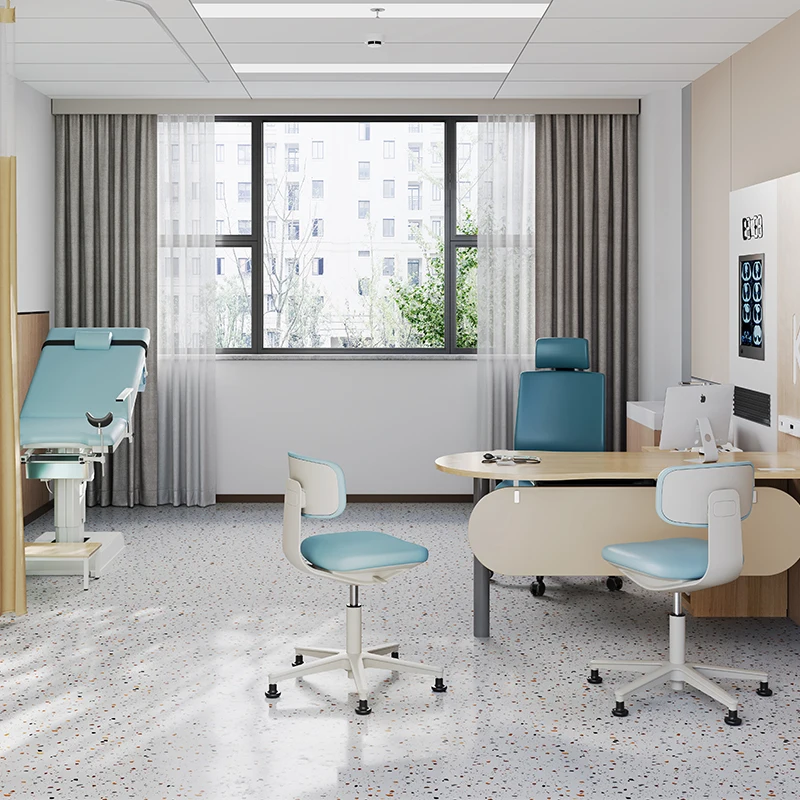
Premium Training Tables and Chairs - Modular Ergonomic Furniture Solutions for Modern Learning Environments

training tables and chairs

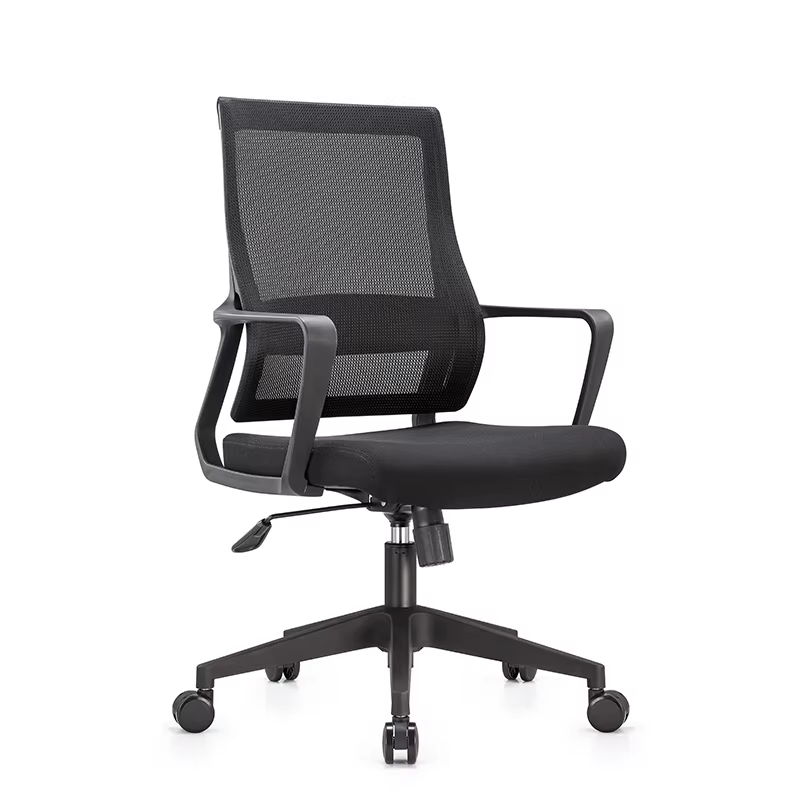
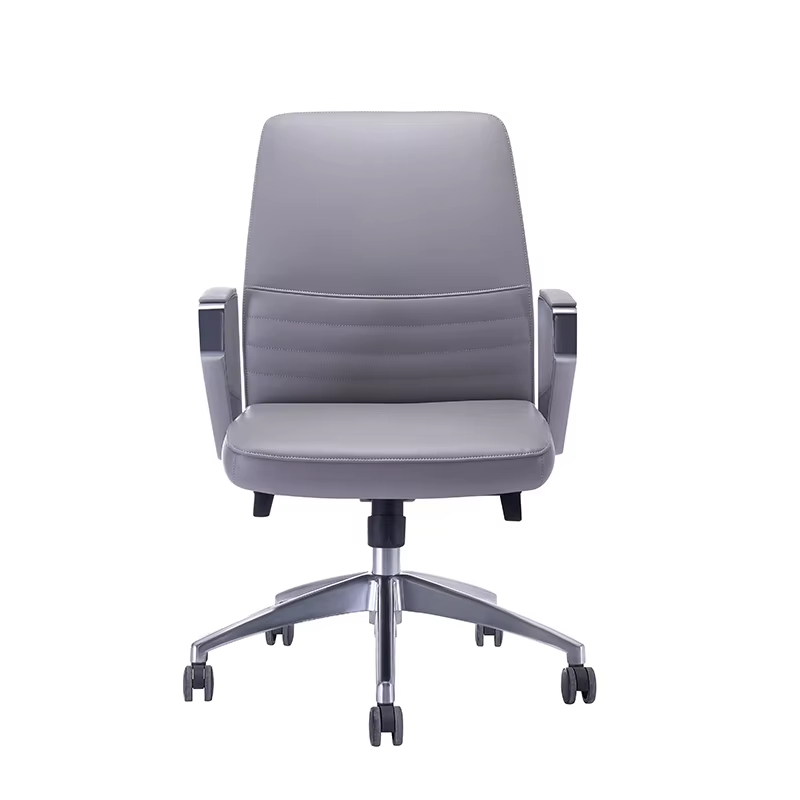
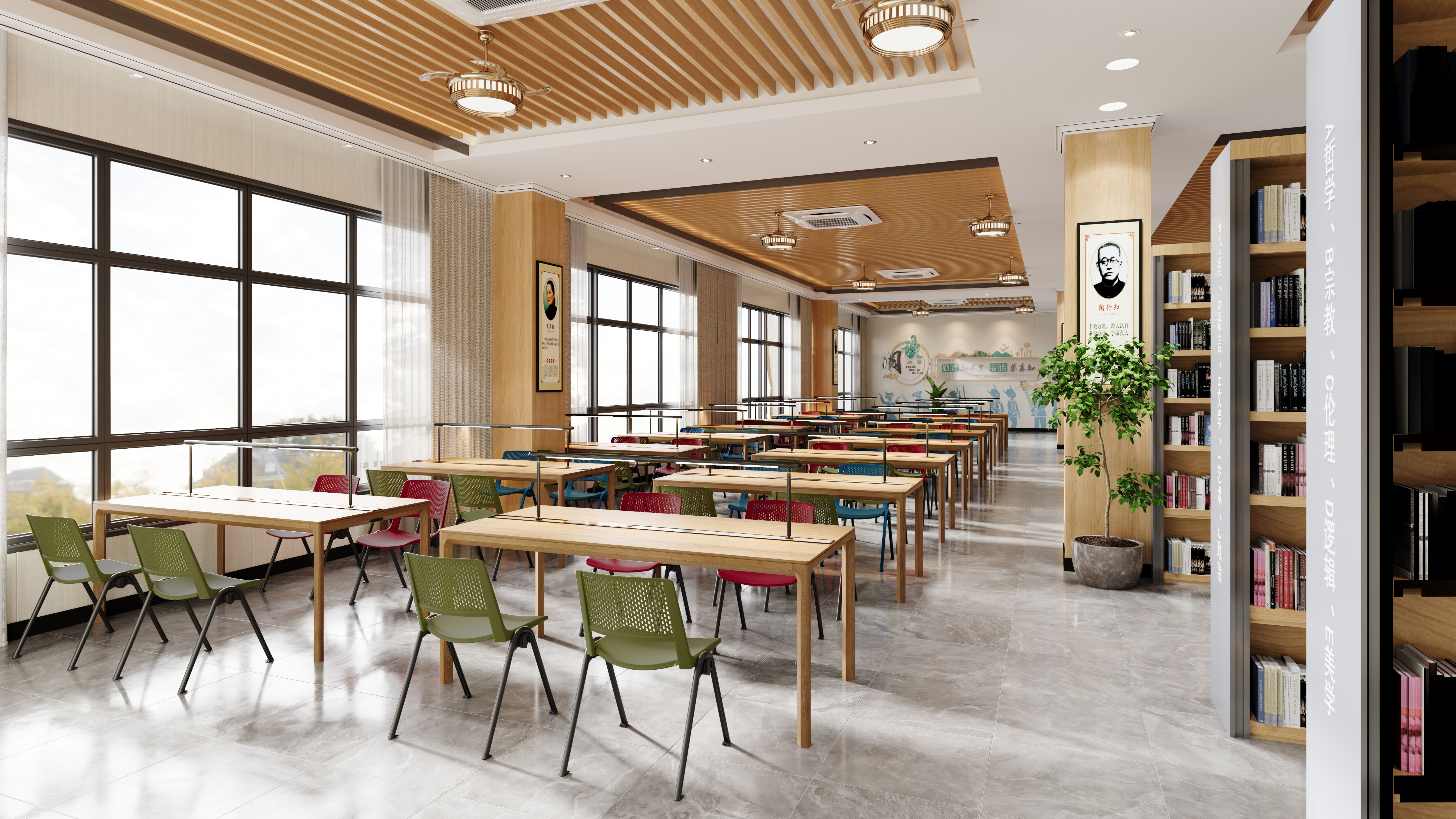
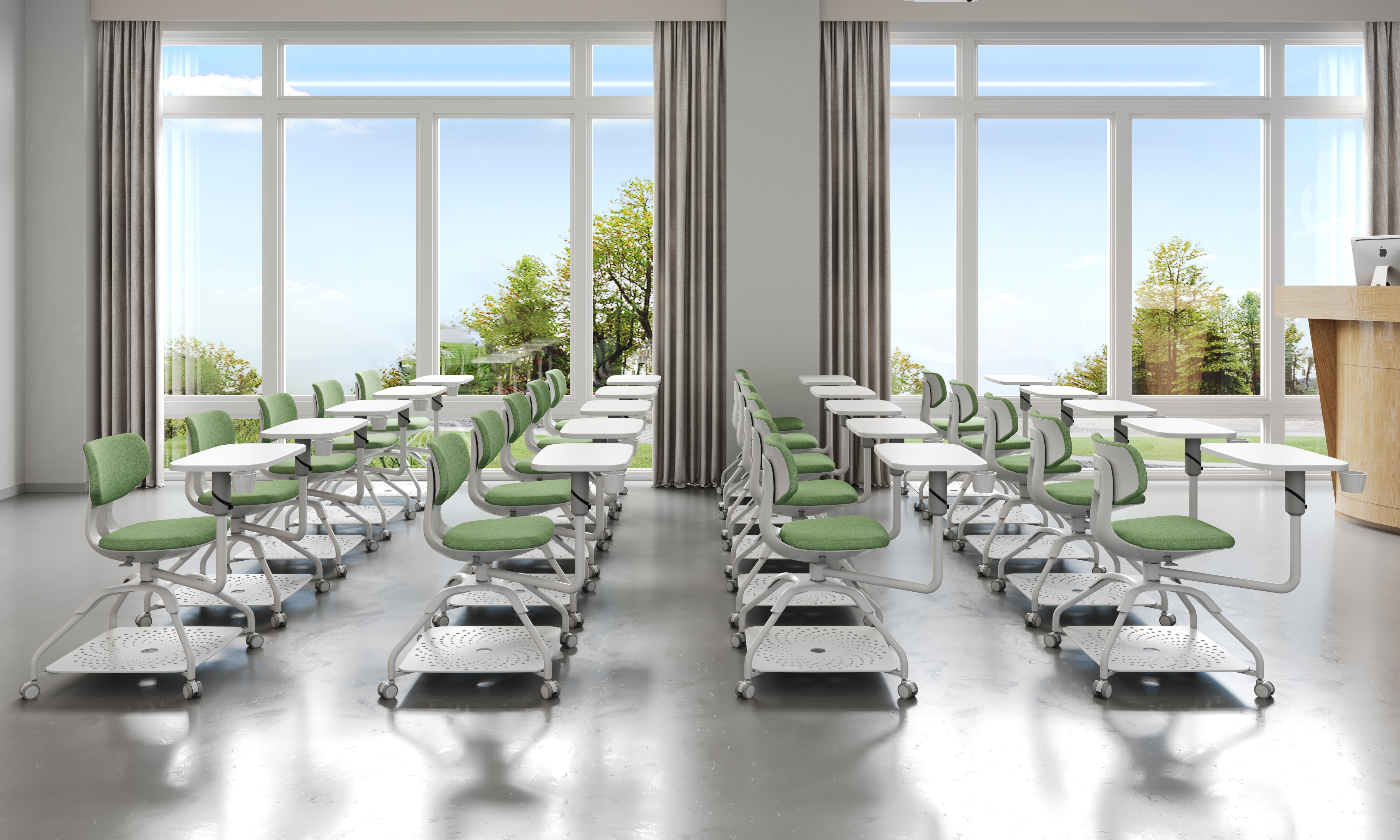
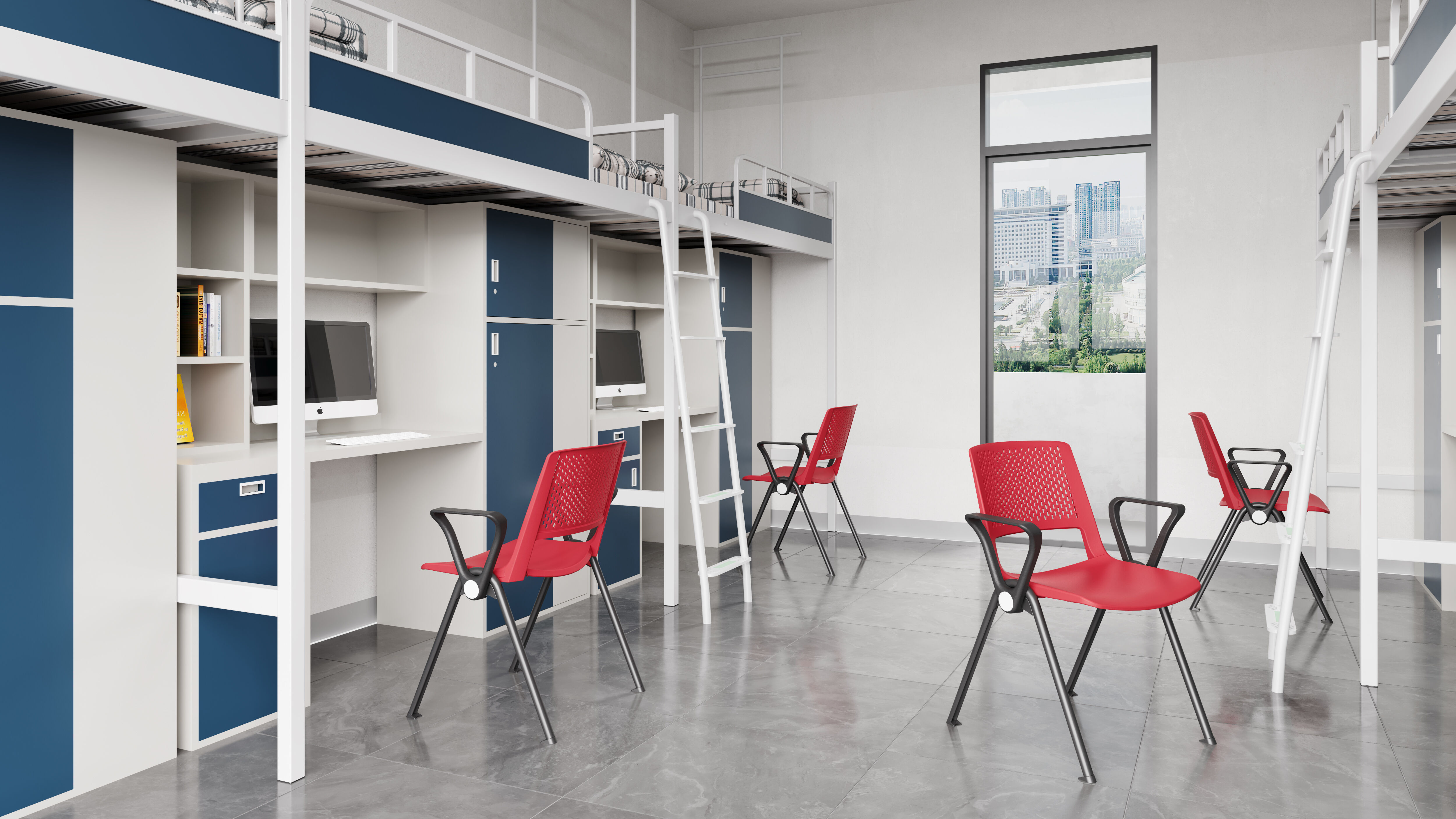
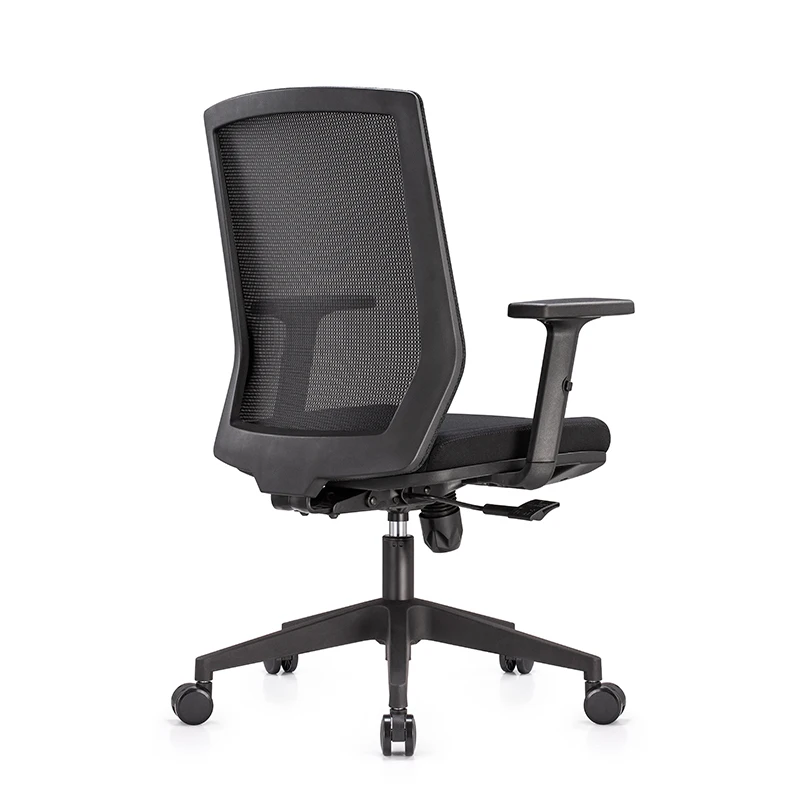
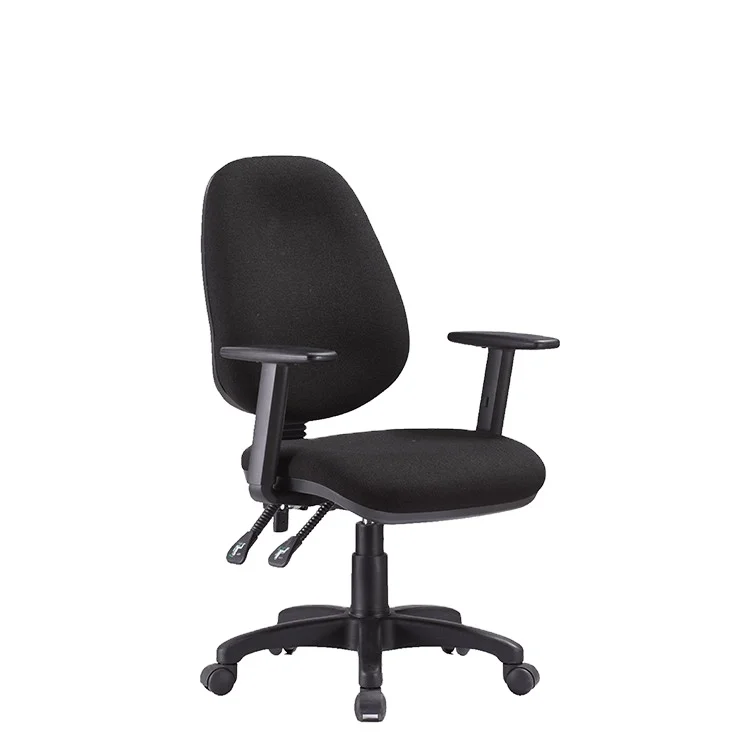
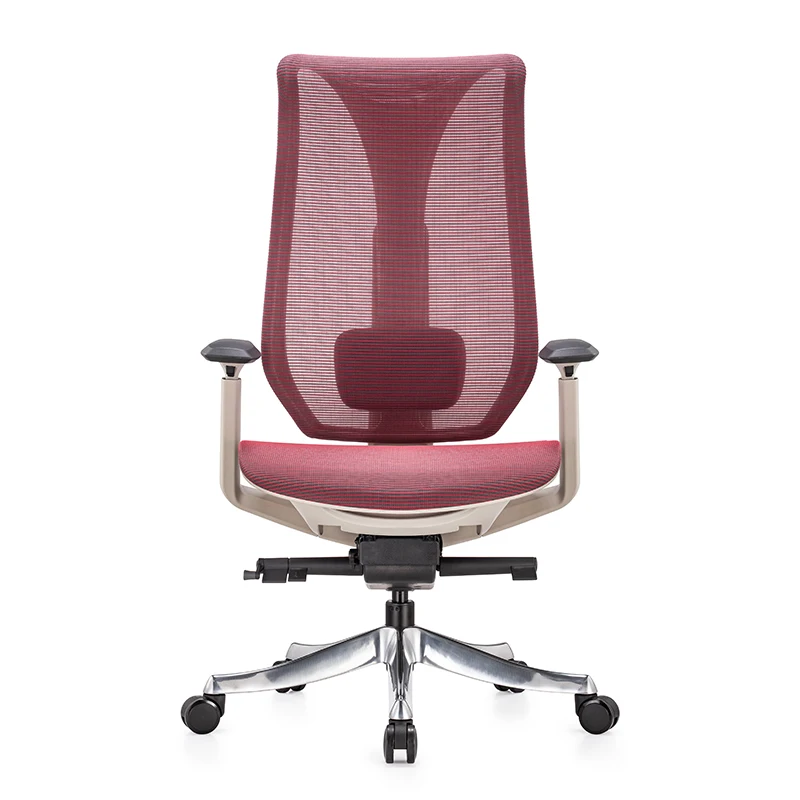
Training tables and chairs represent a fundamental cornerstone of modern educational and corporate learning environments, designed specifically to enhance collaborative learning experiences and optimize space utilization. These specialized furniture solutions combine ergonomic design principles with practical functionality, creating versatile workspaces that adapt to diverse training scenarios. The primary function of training tables and chairs centers on facilitating interactive learning sessions, workshops, seminars, and collaborative meetings where participants require comfortable seating and adequate workspace for materials, laptops, and note-taking activities. Modern training tables and chairs incorporate advanced technological features including integrated cable management systems, power outlets, USB charging ports, and wireless charging surfaces that support today's digital learning requirements. The tables often feature modular designs that allow quick reconfiguration from traditional classroom layouts to breakout groups, U-shapes, or conference arrangements within minutes. Height-adjustable mechanisms accommodate users of varying statures while promoting proper posture during extended training sessions. The chairs complement these tables with breathable mesh backs, padded seats, and swivel bases that encourage movement and engagement. Many models include tablet arms, cup holders, and storage compartments for personal belongings. Applications span across corporate training centers, universities, community colleges, healthcare facilities, government agencies, and conference centers where flexible learning environments are essential. Training tables and chairs also serve temporary setups for workshops, certification programs, and professional development courses. The mobility features, including locking casters and lightweight construction, enable rapid room transformations between different training formats. Quality materials such as high-pressure laminates, powder-coated steel frames, and commercial-grade fabrics ensure durability under intensive daily use while maintaining professional aesthetics that enhance the learning atmosphere.

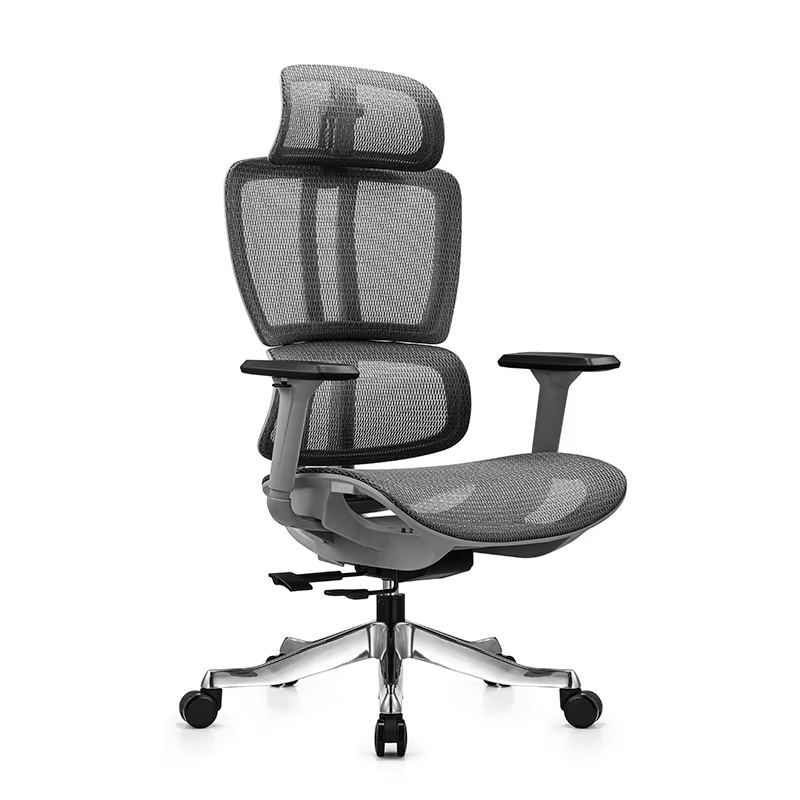
Popular Products

Training tables and chairs deliver exceptional value through multiple practical benefits that directly impact learning outcomes and operational efficiency. The flexibility advantage stands out as the most significant benefit, allowing organizations to maximize their space investment by transforming single rooms into multiple configuration options. This adaptability eliminates the need for dedicated spaces for different training formats, reducing facility costs substantially. The ergonomic design promotes participant comfort during extended sessions, leading to increased attention spans and better knowledge retention rates compared to traditional fixed seating arrangements. Enhanced collaboration emerges as another key advantage, as the mobile nature of training tables and chairs encourages dynamic group interactions and spontaneous team formations. Participants can easily transition between individual work, pair activities, and larger group discussions without disrupting the learning flow. The integrated technology features eliminate the common challenges of power access and device connectivity that often plague traditional training rooms. Built-in power outlets and USB ports ensure participants maintain device functionality throughout lengthy training programs, while cable management systems maintain clean, professional appearances that minimize distractions. Space optimization represents a crucial financial advantage, particularly for organizations with limited square footage. The stackable and nesting capabilities of many training tables and chairs allow complete room clearance when spaces serve dual purposes, such as cafeterias that convert to training areas or multipurpose community rooms. This versatility maximizes return on real estate investments while providing scheduling flexibility for facility managers. The professional appearance of quality training tables and chairs enhances organizational image and participant perception of training value. Well-designed furniture communicates attention to detail and investment in employee development, which positively influences training effectiveness and company culture. Maintenance advantages include easy cleaning surfaces, replaceable components, and durable construction that withstands frequent reconfiguration without degradation. The mobility features reduce physical strain on staff responsible for room setup changes, improving workplace safety and operational efficiency. Long-term cost benefits emerge through reduced furniture replacement cycles, lower maintenance requirements, and the ability to adapt to changing organizational needs without complete furniture overhauls. These practical advantages make training tables and chairs essential investments for any organization committed to effective learning environments and operational flexibility.

Latest News

Official Notice MAC Chairs Chinese New Year Holiday Schedule

25

Mar

Official Notice MAC Chairs Chinese New Year Holiday Schedule

View More
Designing Functional Ergonomic Office Chairs for Long Hours

03

Apr

Designing Functional Ergonomic Office Chairs for Long Hours

Discover the impact of ergonomic design on productivity and health. This article explores the importance of ergonomic chairs and their features, such as lumbar support and seat depth, ensuring comfort during long hours at work.
View More
The Comfort Benefits of Fabric Office Chairs for Home Offices

The Comfort Benefits of Fabric Office Chairs for Home Offices

Explore the ergonomic benefits of fabric office chairs, including their support for body contours, lumbar support features, breathability, noise reduction, customization options, and easy maintenance. Optimize comfort, health, and productivity at work.
View More
Design Principles for Chairs in Modern Office Environments

09

May

Design Principles for Chairs in Modern Office Environments

Discover the essential ergonomic and modern design elements of office chairs that enhance comfort, productivity, and aesthetics. Explore the features and materials that support a sustainable, user-centric workspace.
View More

Get a Free Quote

Our representative will contact you soon.
Email
Name
Mobile or Whatsapp
Message
0/1000

training tables and chairs

Revolutionary Modular Design for Ultimate Space Flexibility

Revolutionary Modular Design for Ultimate Space Flexibility

The modular design capability of modern training tables and chairs represents a paradigm shift in educational furniture functionality, offering unprecedented space optimization and configuration versatility that transforms how organizations approach learning environments. This innovative design philosophy centers on interlocking components, standardized dimensions, and complementary shapes that enable seamless combinations and reconfigurations to meet diverse training requirements. The modular approach allows individual units to function independently or connect with multiple pieces to create larger collaborative workspaces, accommodating groups ranging from intimate team meetings to large-scale workshops. The standardized connection systems ensure stable, wobble-free surfaces even when multiple tables are joined, maintaining professional appearance and user confidence during active learning sessions. Height compatibility across different table shapes and sizes enables creative mixing of rectangular, trapezoid, and curved units to form custom configurations that optimize room layouts for specific training objectives. The nesting capabilities built into the modular design allow efficient storage when tables are not in use, with specially engineered bases and surface profiles that enable secure stacking without surface damage. This space-saving feature proves invaluable for multipurpose facilities where training rooms must quickly convert to other functions such as dining areas, meeting spaces, or event venues. The mobility enhancement through integrated locking casters ensures smooth transitions between configurations while providing stability during use, eliminating the traditional trade-off between flexibility and functionality. Color coordination options within modular systems enable organizations to maintain consistent branding and aesthetic standards while benefiting from maximum functionality. The investment value of modular training tables and chairs extends beyond initial purchase costs, as the adaptability eliminates future furniture replacement needs when organizational requirements evolve or expand. This forward-thinking approach to furniture design demonstrates how thoughtful engineering can solve multiple operational challenges while enhancing the user experience for both trainers and participants.
Advanced Ergonomic Engineering for Enhanced Learning Comfort

Advanced Ergonomic Engineering for Enhanced Learning Comfort

The sophisticated ergonomic engineering integrated into contemporary training tables and chairs addresses the critical connection between physical comfort and cognitive performance, recognizing that participant well-being directly influences learning outcomes and training effectiveness. Advanced lumbar support systems in training chairs incorporate scientifically-researched curvature patterns that maintain natural spine alignment during extended sitting periods, reducing fatigue and discomfort that can distract from learning objectives. The breathable mesh materials and cushioning technologies promote proper air circulation while providing optimal pressure distribution across contact points, preventing the numbness and restlessness commonly associated with prolonged sitting in traditional seating. Adjustable armrests with multi-directional positioning accommodate various arm lengths and desk heights, ensuring comfortable typing and writing positions that prevent repetitive strain injuries during intensive training programs. The swivel mechanisms and smooth-rolling casters encourage natural movement and position changes that stimulate circulation and maintain alertness throughout lengthy sessions. Training tables complement these ergonomic chair features with carefully calculated height specifications that promote proper viewing angles for presentations, screens, and collaborative materials. The edge profiles incorporate rounded corners and beveled surfaces that eliminate pressure points on forearms and wrists during extended periods of note-taking or computer work. Surface materials feature anti-glare properties and tactile textures that enhance user comfort while maintaining durability under frequent use. The spacing considerations built into training tables and chairs ensure adequate legroom and personal space that prevents feelings of crowding or confinement that can inhibit participation and engagement. Temperature regulation features, including perforated surfaces and breathable fabrics, help maintain comfortable microclimate conditions around each participant, reducing the environmental stresses that can impact concentration and learning retention. The psychological benefits of ergonomic design extend beyond physical comfort, as participants who feel physically supported demonstrate increased confidence in participation and willingness to engage in collaborative activities. This comprehensive approach to ergonomic engineering represents a significant investment in human capital development, demonstrating organizational commitment to participant welfare while maximizing training program effectiveness through enhanced comfort and reduced physical barriers to learning.
Integrated Technology Infrastructure for Digital Learning Excellence

Integrated Technology Infrastructure for Digital Learning Excellence

The seamless integration of technology infrastructure within modern training tables and chairs creates a comprehensive digital learning ecosystem that eliminates traditional barriers between analog and digital educational experiences. Built-in power management systems feature strategically positioned outlets and USB ports that provide consistent device connectivity without the cable clutter and trip hazards associated with extension cords and power strips. These integrated solutions include surge protection and circuit management that safeguards valuable electronic devices while maintaining clean, professional aesthetics essential for credible training environments. Wireless charging surfaces embedded within table tops offer cutting-edge convenience for compatible devices, enabling participants to maintain device functionality without interrupting their engagement with training materials or collaborative activities. The cable management infrastructure incorporates hidden routing channels and grommets that organize and conceal connectivity cables, maintaining visual focus on learning content rather than technical distractions. Advanced models include integrated device holders and tablet docks positioned at optimal viewing angles for screen-based learning while keeping devices secure during active participation in group exercises. The technology integration extends to environmental controls with some systems featuring individual climate adjustment capabilities and personal lighting options that allow participants to optimize their immediate workspace conditions for maximum comfort and productivity. Network connectivity features, including built-in ethernet ports and wireless signal boosters, ensure reliable internet access for cloud-based learning platforms and real-time collaboration tools. The scalability of these technology solutions allows organizations to upgrade capabilities without replacing entire furniture systems, protecting initial investments while adapting to evolving digital learning requirements. Audio-visual integration capabilities include built-in speakers and microphone connections that support hybrid learning environments where remote and in-person participants collaborate simultaneously. The data management aspects incorporate device charging monitoring and usage analytics that help organizations optimize power allocation and understand technology utilization patterns for future planning. This comprehensive technology integration transforms training tables and chairs from passive furniture into active learning platforms that enhance digital literacy while supporting diverse learning styles and technological preferences among modern workforce participants.