
 EN
EN
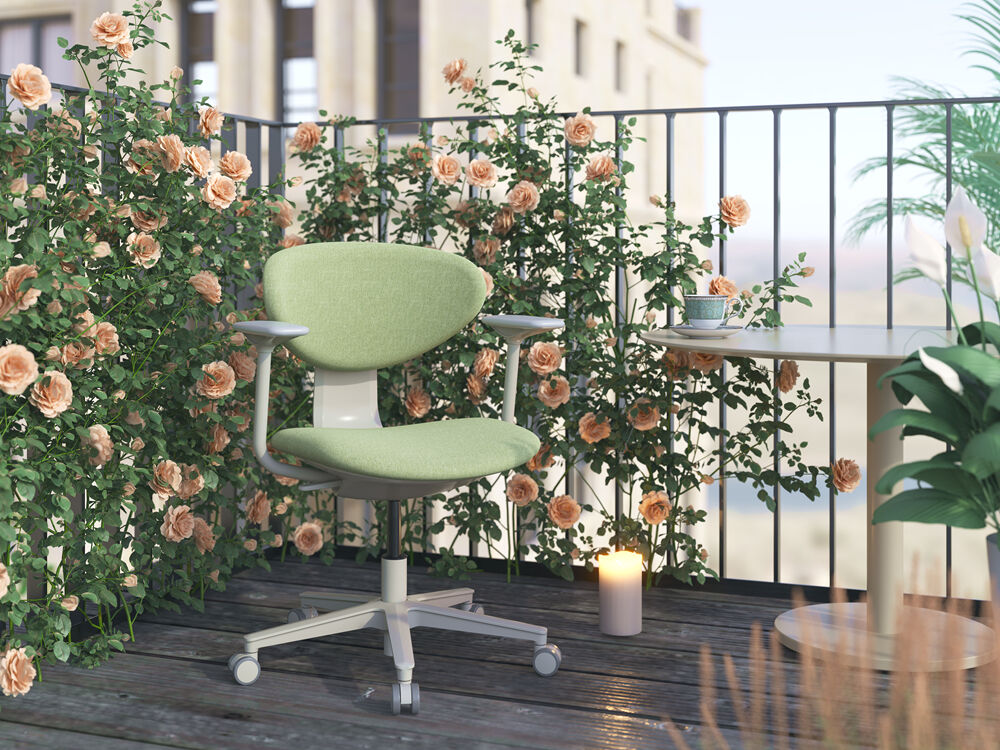
A fabric office chair is more than a seating option — it is a practical solution designed to address two of the most common complaints among office workers: heat buildup and physical discomfort. When employees spend six to ten hours seated each day, the material of their chair directly affects how their body responds over time. A fabric office chair tackles these concerns through its breathable surface, adaptive structure, and ergonomic compatibility. Understanding how these features work together helps businesses and individuals make smarter seating decisions.
The design of a fabric office chair prioritizes the user's long-term sitting experience. Unlike hard plastic or dense vinyl surfaces, fabric allows the seat and backrest to interact naturally with the human body. A fabric office chair flexes slightly under pressure, distributes body weight more evenly, and permits air to circulate across contact points. These functional qualities make the fabric office chair a consistently preferred choice in office environments where productivity and physical wellness go hand in hand.
How Fabric Material Enhances Breathability
Airflow Through Woven Fiber Structure
The breathability of a fabric office chair comes directly from the nature of its woven fiber construction. Unlike sealed surfaces such as leather or polyurethane, the textile material of a fabric office chair contains microscopic gaps between fibers. These gaps allow warm air generated by the body to escape instead of remaining trapped between the skin and the seat. As a result, a fabric office chair maintains a more consistent surface temperature throughout extended use. This ventilation effect is especially valuable in warmer office environments or during physically demanding desk tasks.
A fabric office chair also absorbs light moisture from the skin without retaining it in a way that causes discomfort. The fiber structure wicks away minor perspiration and allows it to evaporate naturally. This means a fabric office chair stays drier and more comfortable compared to non-porous alternatives. For workers who remain seated for prolonged periods, this moisture-handling quality of a fabric office chair significantly reduces skin irritation and fatigue caused by heat accumulation.
Material Density and Weave Type
Not all fabric office chair models offer the same level of breathability. The density of the weave and the type of fiber used both influence how freely air can pass through. A loosely woven mesh-style fabric office chair delivers stronger airflow than a tightly woven upholstery variant. However, even standard woven fabric performs significantly better than non-fabric materials in terms of ventilation. When selecting a fabric office chair for high-use environments, the weave type should be evaluated alongside other ergonomic considerations. A well-constructed fabric office chair balances breathability with durability so that the seating remains functional over time.
How a Fabric Office Chair Supports Sitting Comfort
Pressure Distribution and Body Contouring
Sitting comfort in a fabric office chair is closely tied to how the seat and backrest respond to body pressure. Fabric upholstery works together with the cushioning beneath it to create a surface that contours slightly to the body's shape. A fabric office chair with quality foam padding beneath the textile layer distributes weight more evenly across the hips and thighs. This reduces concentrated pressure on the tailbone and sitting bones, which are common sources of discomfort during long sessions. A fabric office chair that achieves this balance helps reduce physical fatigue and lower back strain noticeably.
The softness of the outer fabric layer also plays an important role in comfort. A fabric office chair with a smooth, fine-grain textile surface minimizes friction against clothing and skin. This matters significantly when the user shifts posture frequently during the day. A fabric office chair that allows natural movement without resistance supports better circulation and reduces the stiffness that often develops from sustained static sitting. The tactile quality of the fabric office chair surface is therefore an active contributor to daily sitting comfort.
Ergonomic Compatibility of a Fabric Office Chair
A fabric office chair pairs well with ergonomic design features because fabric does not restrict adjustment mechanisms. Lumbar support systems, adjustable armrests, and reclining backrests all function more effectively when covered in flexible textile material. A fabric office chair with built-in lumbar support uses the fabric to reinforce the curvature of the lower back without adding rigid pressure. This allows the fabric office chair to maintain correct spinal alignment while keeping the sitting experience physically comfortable. In ergonomic terms, the fabric office chair serves both structural and tactile functions simultaneously.
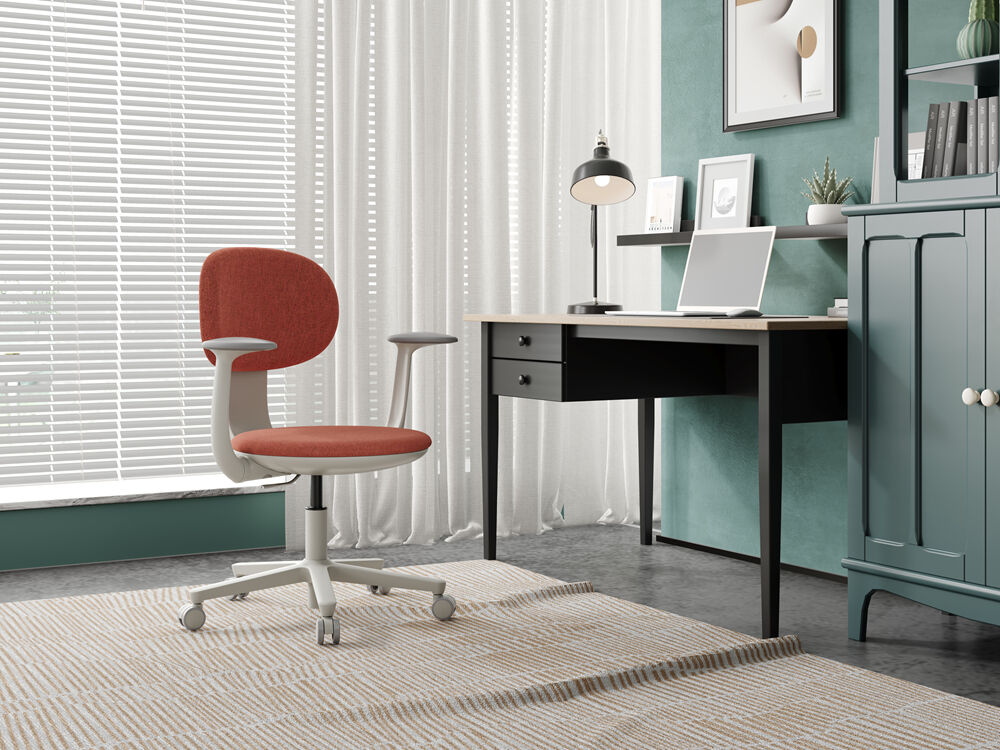
Many workers report that a fabric office chair feels more natural and welcoming than hard-surface alternatives from the moment they sit down. This immediate comfort reduces the tendency to slouch or lean awkwardly, which protects posture over the course of the workday. When a fabric office chair is paired with proper desk height and monitor positioning, the result is a seated environment that supports sustained focus and physical health together.
Practical Considerations When Choosing a Fabric Office Chair
Durability and Maintenance of Fabric Surfaces
A fabric office chair requires thoughtful maintenance to preserve both its appearance and its functional qualities. Fabric surfaces can collect dust, fine debris, and light stains over time, particularly in active office settings. However, most modern fabric office chair models use treated or tightly woven materials that resist surface soiling. Regular vacuuming and spot cleaning are generally sufficient to keep a fabric office chair in good condition. Choosing a fabric office chair made with high-grade commercial-grade textile ensures that the breathable properties remain effective even after extended daily use.
Selecting the Right Fabric Office Chair for Your Space
Choosing the correct fabric office chair involves evaluating the specific demands of your workspace. For environments with full-day seating requirements, a fabric office chair with higher-density foam and reinforced lumbar features is the most effective option. For shared workspaces or rotating desk arrangements, a fabric office chair with easy-clean fabric and height-adjustable components serves better. The fabric office chair should also match the aesthetic character of the office without sacrificing ergonomic function. A fabric office chair that combines visual quality with practical design delivers lasting value for both individuals and organizations.
FAQ
Is a fabric office chair suitable for all-day use?
Yes. A fabric office chair is well-suited for all-day use because its breathable surface prevents heat buildup and its cushioning supports prolonged sitting. When the fabric office chair also includes ergonomic features such as lumbar support and adjustable components, it becomes even more effective for full-day work sessions.
How does a fabric office chair compare to leather in terms of comfort?
A fabric office chair typically outperforms leather in breathability because its woven surface allows air to circulate naturally. Leather retains more heat and can feel sticky in warm conditions, while a fabric office chair maintains a more stable and comfortable surface temperature throughout the workday.
Can a fabric office chair maintain its comfort after long-term use?
A high-quality fabric office chair is built to retain its structural and tactile qualities over time. With proper care and regular cleaning, the fabric office chair preserves its cushioning integrity and surface breathability. Selecting a fabric office chair constructed with commercial-grade materials ensures consistent comfort performance across years of daily use.