
 EN
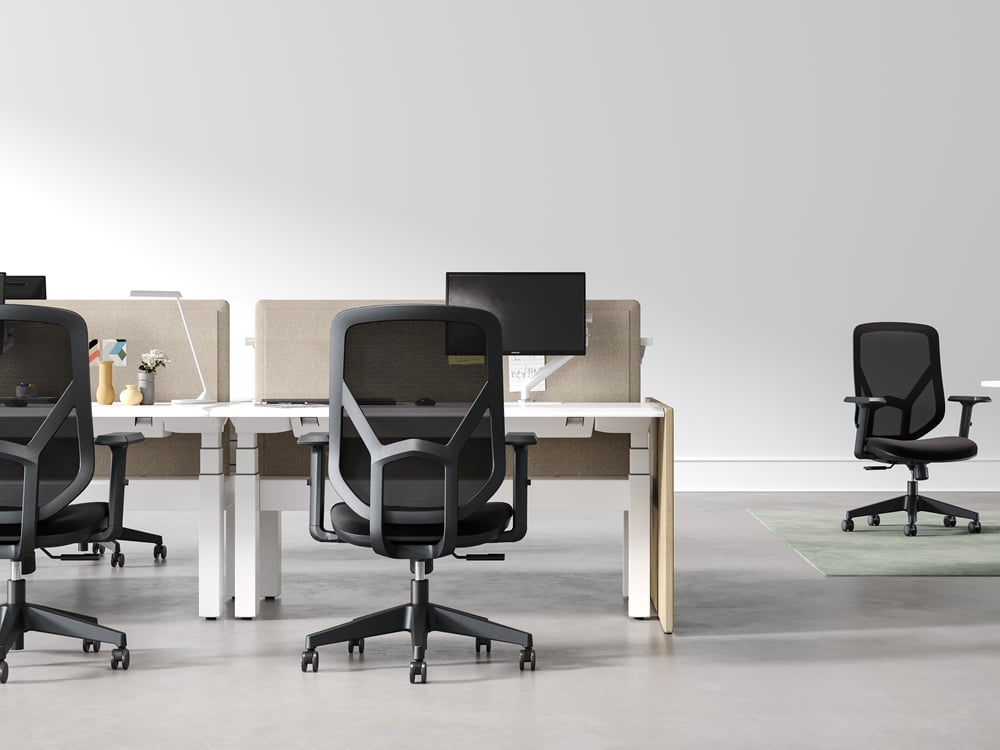
Modern offices prefer an office chair with wheels because work rarely happens in one fixed position. Employees move between desks, screens, storage, and conversations, and a mobile chair makes those transitions easier. The office chair with wheels is not simply a furniture choice; it supports the way teams use space and coordinate everyday tasks.
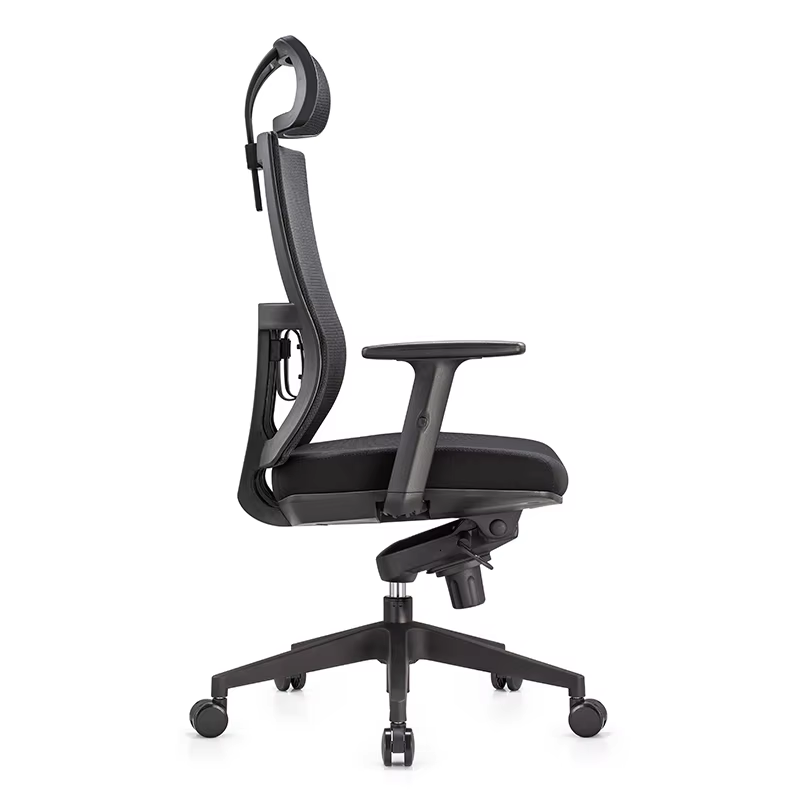
The preference also reflects practical workplace priorities: adaptable layouts, smoother movement, and comfortable access to work surfaces. An office chair with wheels can help employees reposition without repeatedly standing and lifting a chair. Understanding these reasons helps facilities teams choose seating that fits real workflows, floor conditions, and the needs of different users.
Movement Makes Daily Work More Efficient
Short repositioning reduces interruptions
In a typical office, employees make small movements throughout the day: turning toward a colleague, reaching a nearby cabinet, or adjusting their position at a workstation. An office chair with wheels supports these actions without requiring the user to drag or lift the seat. That convenience can make routine transitions feel more natural and keep attention on the task.
A mobile seat is especially useful where workstations contain more than one device or surface. With an office chair with wheels, a user can move between a monitor, phone, and reference materials while remaining seated and keeping the work area accessible. The chair does not replace a considered workstation layout, but it can make that layout easier to use in practice.
Movement supports changing work patterns
Modern teams often alternate individual focus with brief collaboration. An office chair with wheels lets a person turn toward a teammate or move a short distance to review a document together, then return to focused work. This flexibility is useful in shared offices where employees may not have a dedicated meeting room for every quick question.
The benefit depends on appropriate space and clear pathways. A well-planned office chair with wheels should move without obstructing aisles, striking desk legs, or disrupting nearby workers. Facilities managers can review desk spacing and circulation routes alongside seating choices. When movement is easy but controlled, mobility supports the workflow rather than creating distractions.
Adaptability Fits Modern Office Layouts
Flexible seating works across shared spaces
Offices increasingly use shared desks, project areas, and workstations that serve different people at different times. An office chair with wheels is easy to reposition when a team needs to adjust a desk arrangement or make room for a short collaboration session. This makes the chair a practical part of a flexible environment, rather than a fixed item tied to one desk.
In hot-desking areas, mobile seating can help employees settle into a workstation and align themselves with its screen and desk height. An office chair with wheels also makes it simpler for staff to shift a chair out of the way when a space changes function. The chair still needs suitable adjustment features and a stable base; mobility alone does not ensure a good fit.
Swivel and caster functions serve different needs
Wheels provide movement across the floor, while a swivel mechanism allows the seat to rotate. Together, these functions make an office chair with wheels useful for reaching nearby work zones without repeatedly twisting the body or moving the whole workstation. Buyers should consider how often people need to turn, how much floor area is available, and whether the chair can move smoothly in that setting.
Caster selection should reflect the flooring and operating conditions. Some surfaces may call for a different wheel material or design to help manage noise, rolling resistance, and floor contact. Before choosing an office chair with wheels, facilities teams can check floor type, thresholds, rugs, and cable routes. This simple assessment helps prevent a mismatch between the chair and the room.
Comfort, Safety, and Fit Guide the Choice
Mobility must work with ergonomic setup
An office chair with wheels is most useful when employees can also adjust their sitting position to suit the workstation. Seat height, back support, desk clearance, and monitor placement all influence whether a user can work comfortably. Wheels make repositioning easier, but they do not compensate for a chair that is poorly sized or a desk that encourages awkward posture.
Procurement teams should evaluate the office chair with wheels as part of the full workstation, not as an isolated product. Consider the range of users, the work performed, and the adjustment controls employees can understand and use. A suitable chair should remain stable during normal movement and allow users to sit with their feet supported and their work within comfortable reach.
Durability and maintenance affect long-term value
In a busy workplace, frequent movement places routine demands on casters, fasteners, and chair structure. An office chair with wheels should be selected with expected usage in mind, including the number of users and how often the seating may be moved. Reviewing construction, weight guidance, and available maintenance information helps buyers assess whether a model suits the operating environment.
Regular checks can help keep an office chair with wheels functional and safe. Staff can look for loose components, damaged casters, unusual rolling behavior, or debris that interferes with movement, then follow the organization’s repair or replacement process. Clear maintenance responsibility is particularly valuable in shared work areas, where one chair may be used by many people.
Workplace fit determines the practical benefit
The right choice depends on the office rather than on mobility alone. An office chair with wheels can suit open-plan desks, administrative workstations, and collaborative zones where users benefit from repositioning. A fixed chair may be more appropriate in a location where movement is unnecessary or where the floor and layout make rolling impractical.
A short workplace assessment can clarify the decision. Observe how employees move, measure aisle and desk clearances, identify flooring constraints, and ask which tasks require turning or reaching. Then compare those needs with the features of an office chair with wheels. This evidence-based approach connects the purchase to daily use instead of assumptions.
FAQ
Why do offices choose an office chair with wheels?
Offices choose an office chair with wheels because it makes common movements between a desk, nearby equipment, and colleagues easier. It can support flexible layouts and reduce the need to lift or drag seating, provided there is enough space for safe movement.
Are wheels suitable for every office floor?
Not always. The office chair with wheels should match the floor surface, thresholds, and room layout. Facilities teams should consider caster design and test movement in the intended area, especially where flooring is delicate or pathways are uneven.
What should buyers check before selecting one?
Assess workstation fit, user needs, adjustment options, stability, floor compatibility, and maintenance requirements. An office chair with wheels is a practical choice when its mobility supports actual tasks without compromising comfort, clear circulation, or safe use.


