
 EN
EN
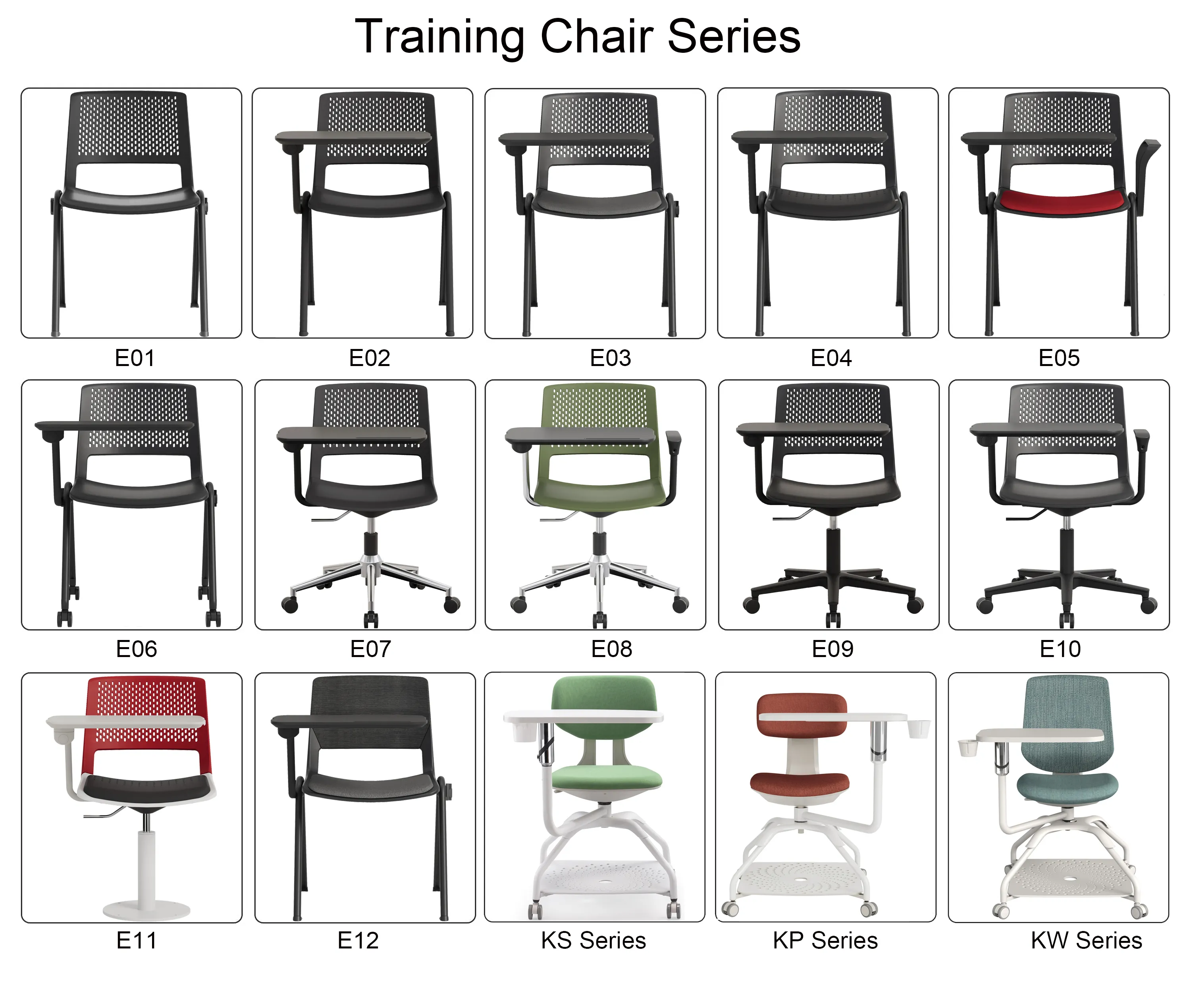
Purchasing a training chair in bulk for large-scale projects requires careful planning and strategic decision-making. Whether you're outfitting a corporate training facility, educational institution, or classroom expansion, the stakes are high and the margin for error is low. A single poor choice in a training chair can cascade into discomfort complaints, productivity losses, and costly replacements. Understanding the critical factors before committing to a bulk order of training chairs ensures you invest wisely and meet the actual needs of your users.
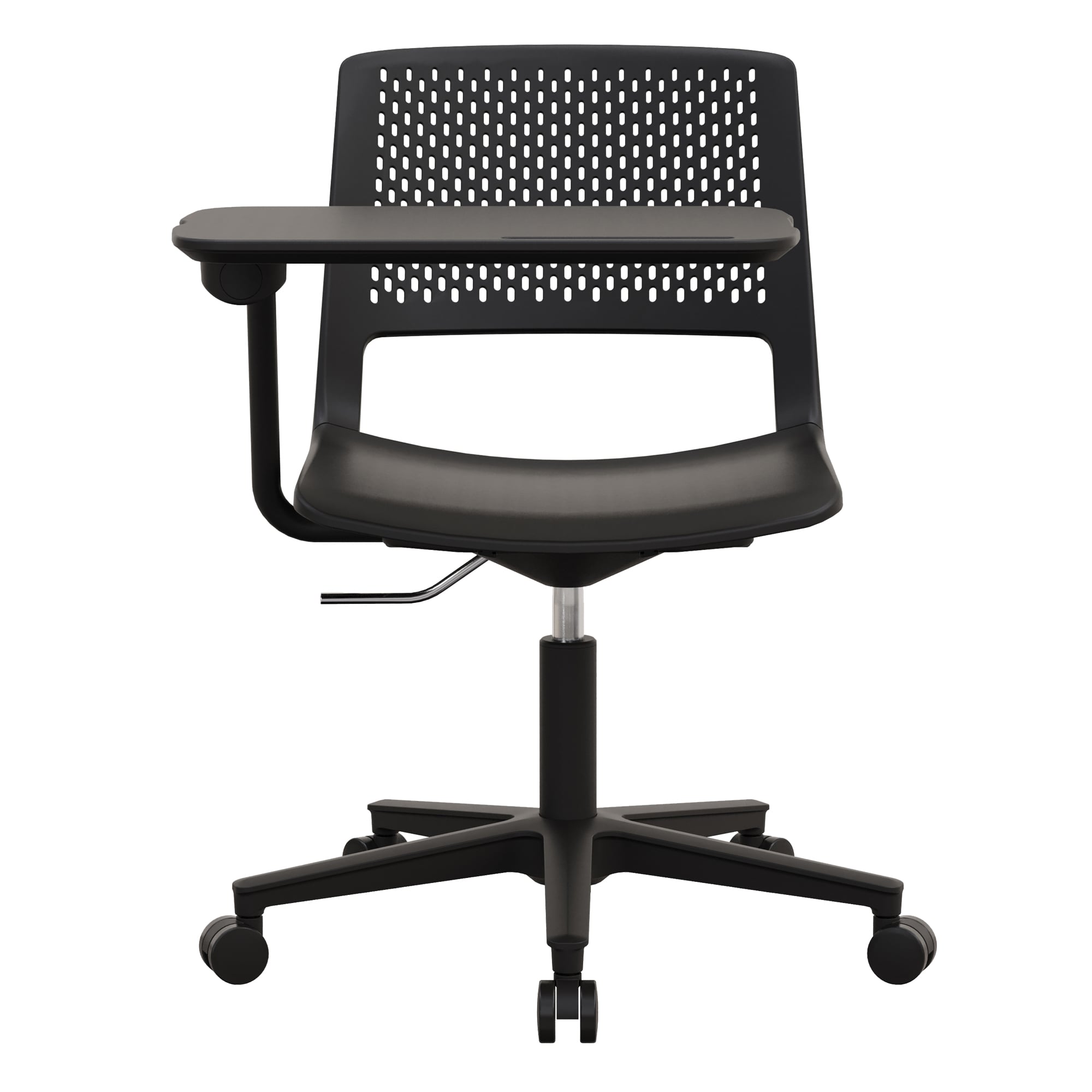
When you buy a training chair in bulk, you're not simply purchasing furniture; you're making a long-term investment in user experience, space utilization, and organizational reputation. Bulk purchasing presents unique opportunities for cost savings, but it also demands that you think beyond unit price. A training chair that seems economical individually may prove problematic when deployed across dozens or hundreds of workstations, especially if you haven't validated its durability, comfort, and compatibility with your facility's layout.
Assessing Space, Layout, and Functionality Requirements
Understanding Your Physical Environment
Before ordering any training chair, measure and document your training space comprehensively. A training chair that fits perfectly in one room may create bottlenecks in another. Consider aisle widths, sight lines to screens or whiteboards, and how many training chairs can realistically fit without crowding. Each training chair occupies floor space not just where it sits, but in the radius needed for users to move comfortably. In a classroom or training room, inadequate spacing undermines the entire learning experience and violates safety codes.
Document the ceiling height, floor type, and any fixed obstacles like pillars or equipment. A training chair with wheels glides effortlessly across tile but may catch on carpet. If your facility has multiple floor surfaces, ensure your chosen training chair performs well on each. Confirm whether your training chair needs to fit through doorways or around tight corners during delivery and setup. These logistical details determine whether your bulk order becomes an asset or a liability the moment it arrives.
Defining Functional Specifications
Clarify exactly how each training chair will be used. Is it for short seminars where users sit for 30 minutes, or all-day workshops requiring extended comfort? A training chair designed for brief meetings differs significantly from one built for sustained use. Specify whether your training chair must have wheels, swivel capability, height adjustment, or a fixed configuration. Some training chair models include writing pads or tablet holders, which add value for note-taking environments but increase cost and complexity.
If your training chair will be stacked and stored between sessions, prioritize lightweight designs and nesting capabilities. A training chair that cannot stack efficiently eats up valuable storage space and becomes an organizational headache. Conversely, if your training chair remains permanently arranged in a conference room, weight and stackability matter less than comfort and appearance. A detailed functional specification prevents you from ordering a training chair that looks good but fails to meet real operational needs.
Quality Standards, Durability, and Supplier Evaluation
Materials, Construction, and Durability Benchmarks
Examine the frame material of your training chair candidate. Metals like steel offer strength but add weight; aluminum is lighter but requires careful welding. Plastic components in a training chair reduce weight and cost but demand scrutiny for brittleness and UV resistance if exposed to sunlight. Request samples of the training chair before committing to bulk quantities, and stress-test them internally or through an independent third party. A training chair that fails under normal use costs far more in replacement and reputational damage than any upfront savings.
Investigate the upholstery and cushioning of your training chair. Fabric type affects cleaning ease, stain resistance, and durability. Mesh training chair seats breathe better for long sessions but collect dust; solid upholstery is easier to clean but may feel hot in warm rooms. Check whether your training chair has removable covers for washing or replacement. Wheel quality matters too; low-grade casters on a training chair degrade quickly and create noise and rolling resistance. Request detailed material specifications and certifications for any training chair you're considering in bulk.
Supplier Verification and Contractual Protection
Evaluate the supplier's reputation, production capacity, and warranty terms before placing a bulk order for a training chair. Verify that your training chair supplier has successfully delivered similar quantities to comparable organizations. Request references and follow up with at least three past buyers of the same training chair model. Ask about lead times, customization options, and what happens if your training chair shipment arrives damaged or incomplete.
Negotiate clear warranty coverage for your training chair purchase. Most suppliers offer limited warranties covering defects but excluding normal wear. Ensure your training chair warranty covers at least one year and specifies what constitutes a defect. Include clauses in your purchase agreement detailing inspection procedures, rejection rights, and remedies if a significant portion of your training chair order fails to meet specifications. A training chair supplier willing to stand behind their product gives you confidence in the bulk purchase.
Cost Analysis, Timing, and Logistics Planning
Total Cost of Ownership Beyond Unit Price
Calculate the true cost per training chair by factoring in delivery, assembly, installation, and training for staff who will manage the furniture. A training chair with a low unit price but high assembly costs may cost more overall than a training chair arriving ready to use. Include maintenance costs; some training chair designs require regular adjustments or repairs, while others operate maintenance-free for years. Budget for eventual replacement; understanding the expected lifespan of your training chair informs whether to invest in premium or budget models.
Compare price quotes from multiple suppliers for identical training chair specifications. Bulk discounts typically apply at certain thresholds, so clarify exactly at what quantities your training chair price drops. Negotiate payment terms and delivery schedules that align with your project timeline and cash flow. A training chair that arrives too early may consume storage space; delivery too late disrupts your training schedule. Factor in all hidden costs when evaluating which training chair option delivers the best value for your organization.
Supply Chain, Delivery, and Installation Logistics
Confirm lead times and potential delays before ordering a training chair in bulk. Global supply chain disruptions affect furniture availability; verify that your training chair supplier has stock or can guarantee delivery within your project timeline. Clarify whether shipping includes delivery to your facility or just to a local terminal. For bulk training chair orders, negotiate for white-glove delivery and assembly services to prevent damage and ensure proper setup.
Coordinate with your facilities team about receiving and staging areas for a training chair delivery. A bulk order of training chairs occupies significant floor space temporarily; ensure you have adequate room to safely receive, inspect, and stage the furniture before final placement. Create an inspection checklist before the training chair delivery arrives, covering quantity, color, damage, and functionality. Document everything with photos; this protects you if damage claims or disputes arise after a training chair bulk purchase.
User Comfort, Ergonomics, and Long-Term Satisfaction
Ergonomic Features and Health Considerations
An uncomfortable training chair creates lasting negative impressions and undermines learning effectiveness. Verify that your training chair offers adjustable height so users of different statures sit comfortably. Backrests should support the natural curve of the spine; a training chair with poor lumbar support causes fatigue and discomfort during extended sessions. Seat depth and width matter too; if your training chair seat is too deep, users cannot rest their back against the backrest while their feet touch the floor, forcing awkward posture.
Consider armrests on your training chair if users will be writing or typing. Armrests on a training chair reduce shoulder and neck strain but can limit flexibility in how the chair is moved or stored. If your training chair includes wheels, ensure they brake smoothly so the seat remains stable when someone stands up. Request that your training chair supplier provide sample units and allow users to sit in them for realistic evaluation. A training chair chosen by committee without user input often disappoints those who actually use it daily.
Customization and Aesthetic Consistency
Consider whether your training chair should match your organization's color scheme and design aesthetic. A training chair in a neutral color like black or gray blends into most environments; bold colors make a statement but limit future flexibility. Some training chair suppliers offer upholstery customization or color options; confirm whether these options affect pricing, lead time, or minimum order quantities. A consistent training chair appearance across your facility reinforces professionalism and cohesion.
Verify whether your training chair design accommodates future adjustments or upgrades. Technology evolves; your training chair may need to support mobile devices, tablets, or accessories added years after purchase. A modular training chair design offers flexibility, though modularity sometimes comes at a premium price. Discuss with your training chair supplier what options exist for refreshing or upgrading your chairs over time without replacing the entire fleet.
FAQ
What is the ideal quantity threshold to qualify for meaningful bulk discounts on a training chair order?
Most training chair suppliers offer tiered pricing starting at quantities of 20 to 30 units, with steeper discounts at 50, 100, or 250 units. However, the actual threshold varies by supplier and training chair model. Contact your training chair vendors directly with your intended quantity to understand the exact pricing structure. Sometimes purchasing slightly more units qualifies you for a lower price tier that saves more than the cost of extra training chairs. Always ask your training chair supplier about volume incentives before finalizing your order.
How should I handle mismatched orders or defective training chair units after delivery?
Establish an inspection protocol before your training chair arrives and document everything with photos and written notes. Most training chair suppliers require notification of damage or defects within a specific timeframe, typically 7 to 14 days. Include detailed inspection and dispute resolution terms in your purchase agreement before ordering the training chair. Keep your training chair packaging intact until inspection is complete, and communicate with your supplier immediately if issues arise. Proactive communication prevents small training chair problems from becoming expensive disputes.
Can a single training chair model work for diverse user groups and session types?
A versatile training chair with adjustable height, swivel capability, and basic ergonomic support handles many situations well. However, specialized needs may require different training chair styles; for example, a training chair for extended academic study sessions differs from one for quick conference room briefings. Assess your actual use cases and prioritize the most common scenario when selecting your primary training chair model. If you serve multiple distinct groups, consider budgeting for two complementary training chair models rather than forcing one model to work for all situations, which often satisfies no one.


