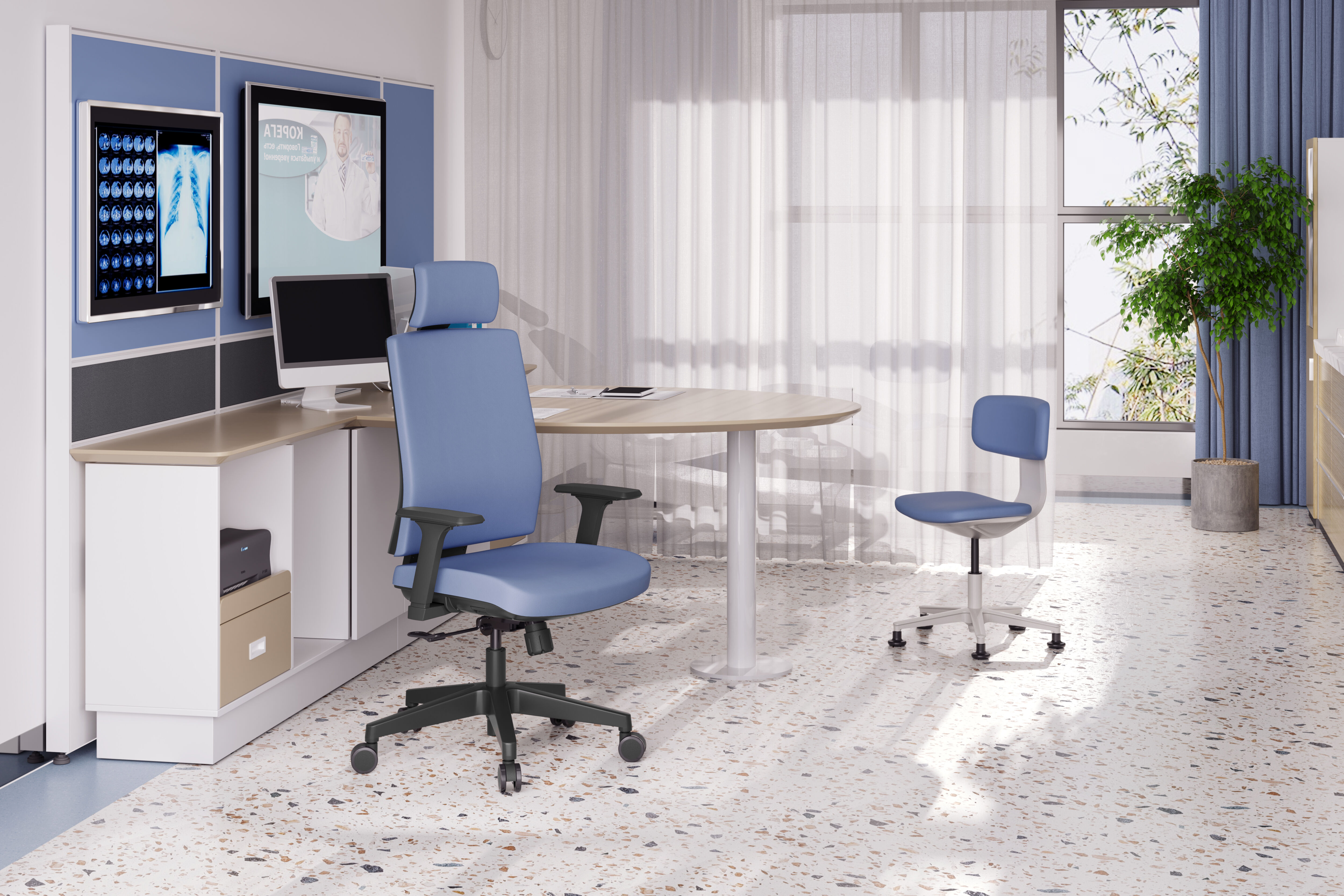
Гигиенические материалы и средства контроля инфекций
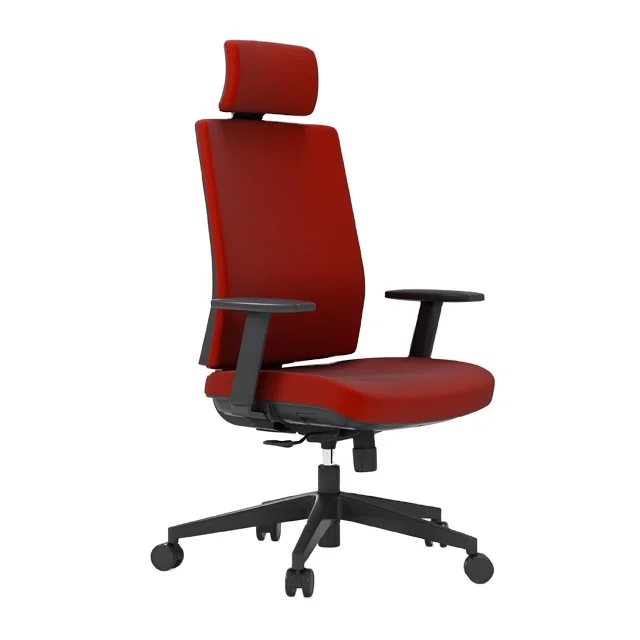
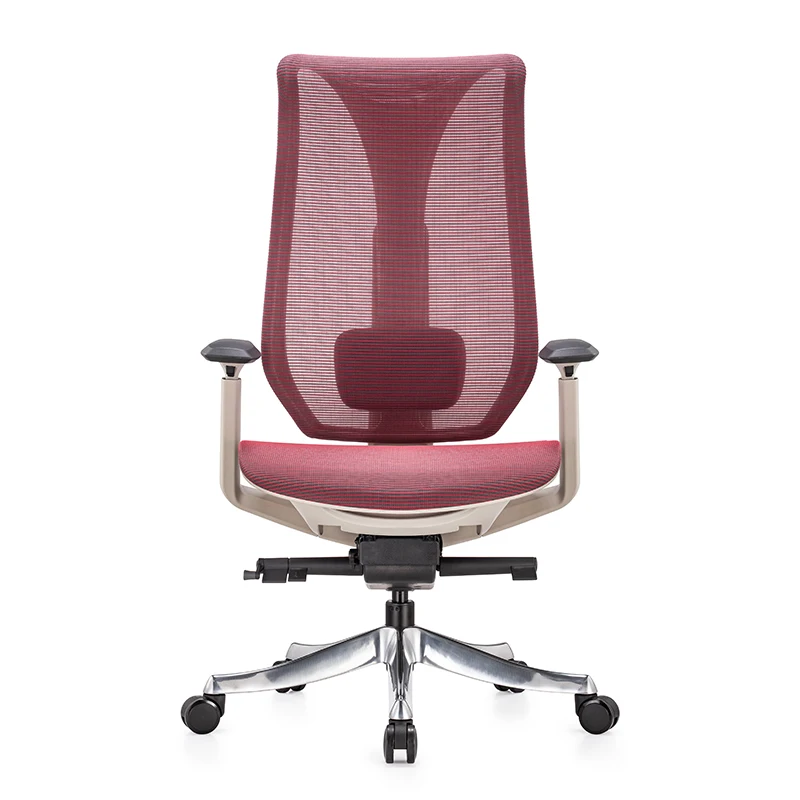
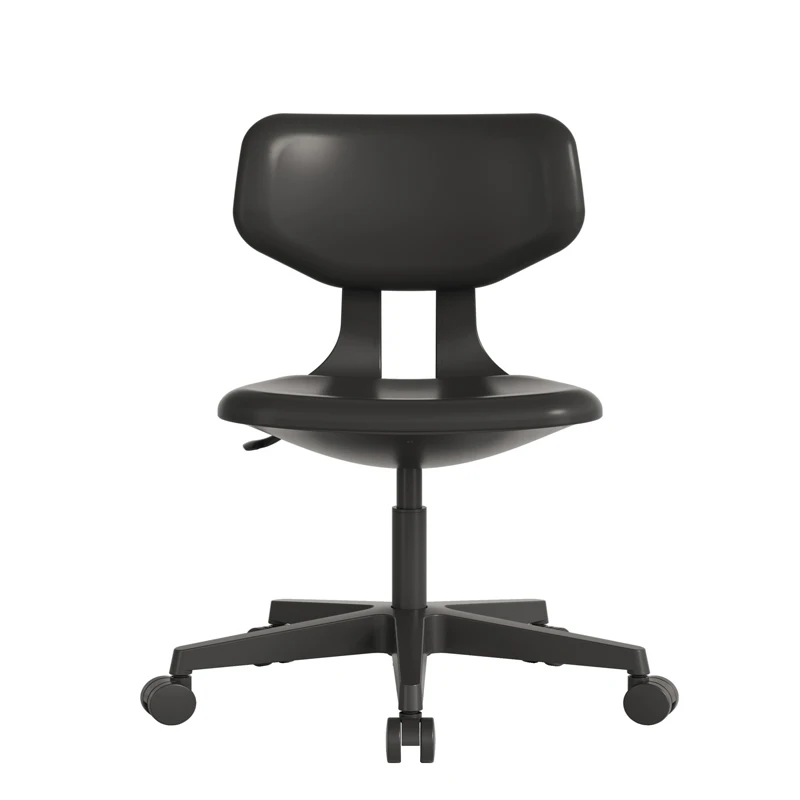
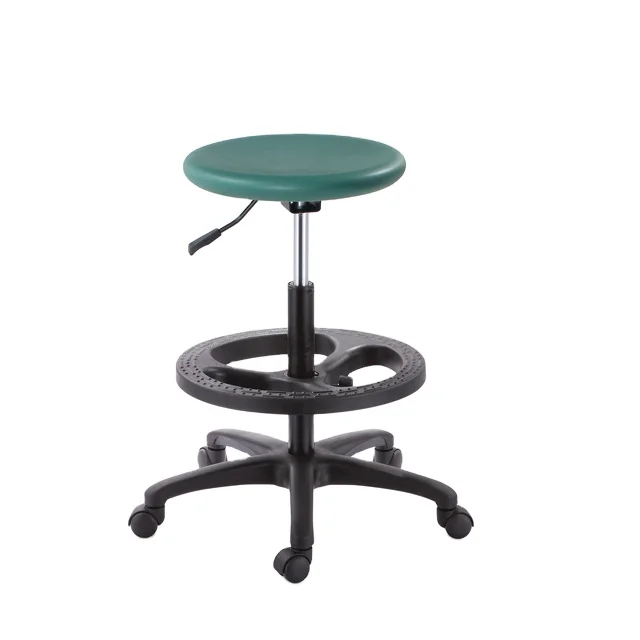
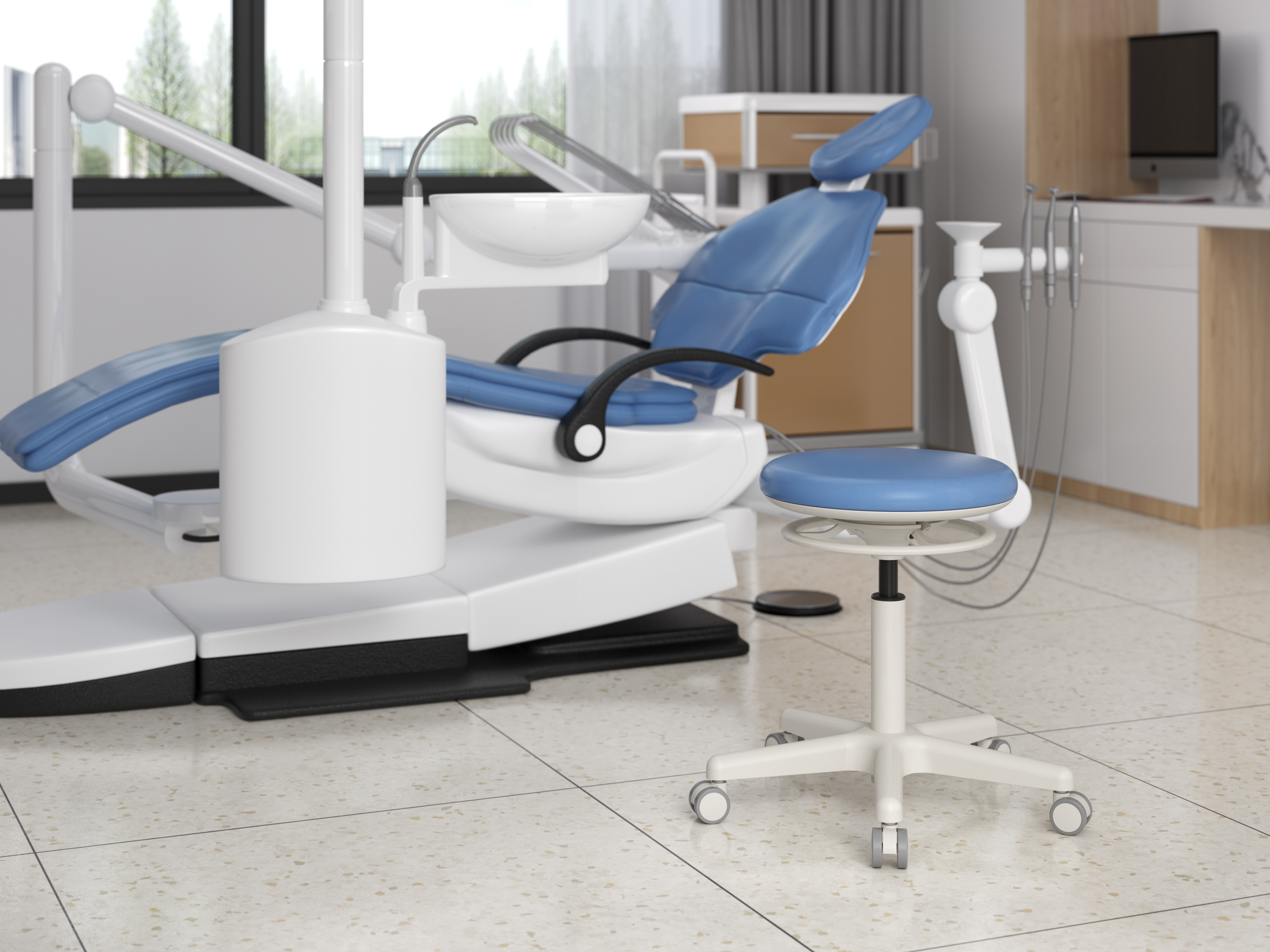
Конструкция стула для ассистента стоматолога ориентирована на контроль инфекций и поддержание гигиены за счёт тщательно отобранных материалов и инновационных конструктивных решений, превосходящих стандарты здравоохранения. Обивочные материалы медицинского класса обладают антибактериальными и противовирусными свойствами, которые активно подавляют рост бактерий и вирусов на контактных поверхностях, обеспечивая непрерывную защиту от передачи патогенов. Бесшовная конструкция устраняет щели и соединения, где могут скапливаться загрязнения, создавая гладкие поверхности, облегчающие тщательную очистку и дезинфекцию в соответствии с установленными протоколами. Современные полимерные материалы устойчивы к пятнам и не впитывают биологические жидкости, сохраняя профессиональный внешний вид и предотвращая риски перекрёстного заражения. Стул для ассистента стоматолога оснащён непористыми поверхностями, выдерживающими многократное воздействие дезинфицирующих средств больничного уровня без деградации или изменения цвета. Специальные покрытия отталкивают жидкости и препятствуют их проникновению в underlying-материалы, гарантируя, что дезинфицирующие средства эффективно удаляют поверхностные загрязнения. Материалы основания устойчивы к коррозии под действием химических средств для очистки, сохраняя конструкционную целостность даже при многократной санитарной обработке. Конструкция, удобная для очистки, позволяет быстро готовить стул к приёму следующего пациента, обеспечивая эффективное расписание и соблюдение протоколов контроля инфекций. Обивочные материалы сохраняют эластичность и комфорт даже после тысяч циклов очистки, гарантируя долгосрочную эксплуатационную надёжность и удовлетворённость пользователей. Встроенные системы управления кабелями выполнены из антибактериальных материалов, предотвращающих рост бактерий внутри каналов для проводов и устраняющих часто игнорируемые источники загрязнения. Материалы стула для ассистента стоматолога соответствуют стандартам медицинских учреждений в области контроля инфекций и безопасности пациентов, отвечая нормативным требованиям к медицинскому оборудованию. Устойчивость к выцветанию гарантирует, что частая очистка не влияет на профессиональный внешний вид стула, сохраняя эстетические стандарты, важные для формирования доверия пациентов. Гигиеническая конструкция снижает риск развития инфекций, связанных с оказанием медицинской помощи, защищая как пациентов, так и персонал от потенциального контакта с патогенами. Химическая стойкость распространяется также на распространённые стоматологические материалы и лекарственные препараты, предотвращая повреждение при случайных проливах или контакте во время процедур. Функции контроля инфекций демонстрируют приверженность безопасности пациентов и одновременно снижают риски юридической ответственности для стоматологических клиник, внедряющих комплексные гигиенические протоколы.

 EN
EN