Advanced Infection Control Technology
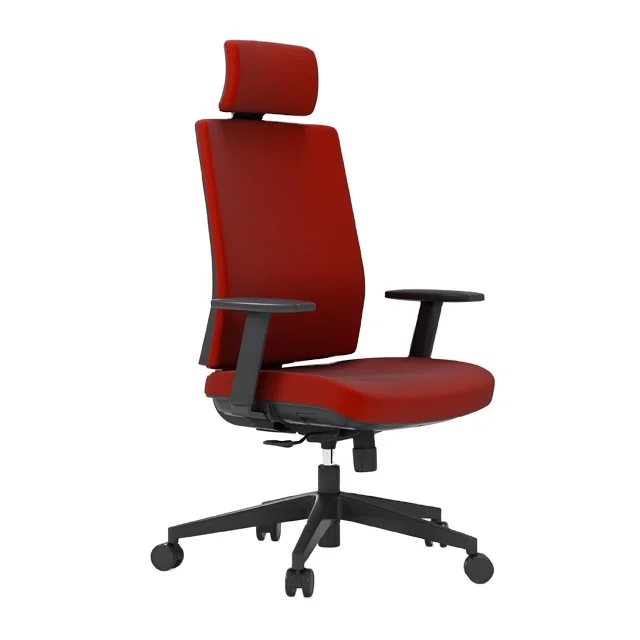
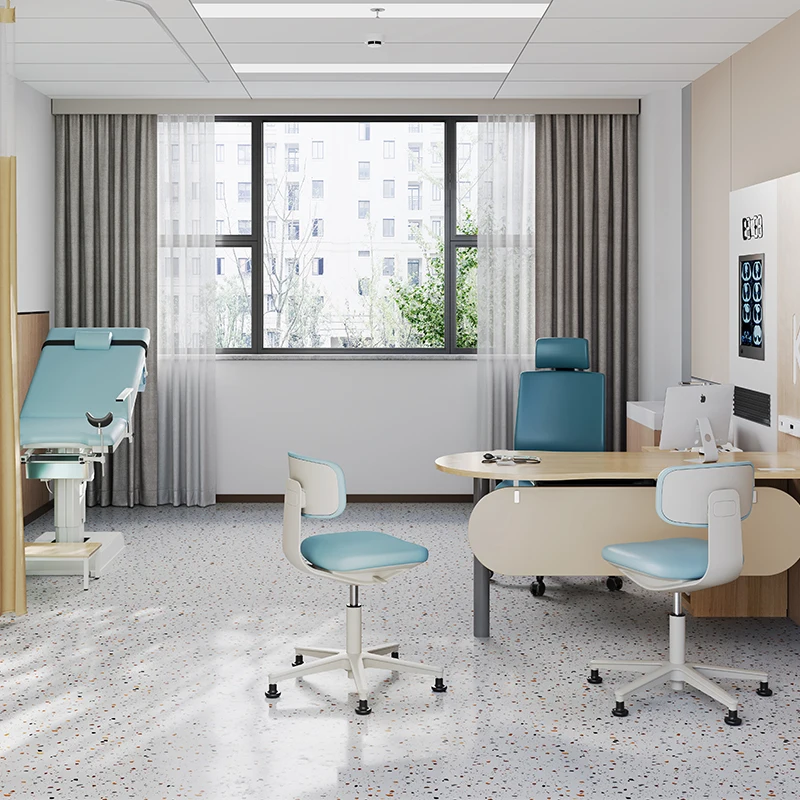
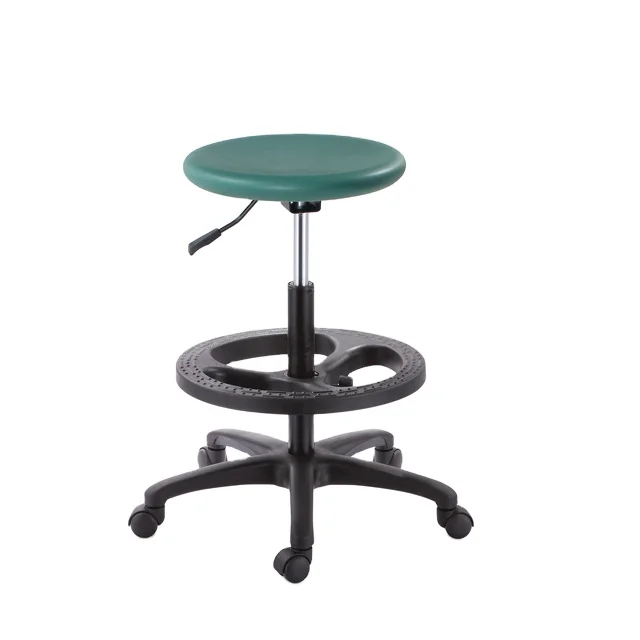
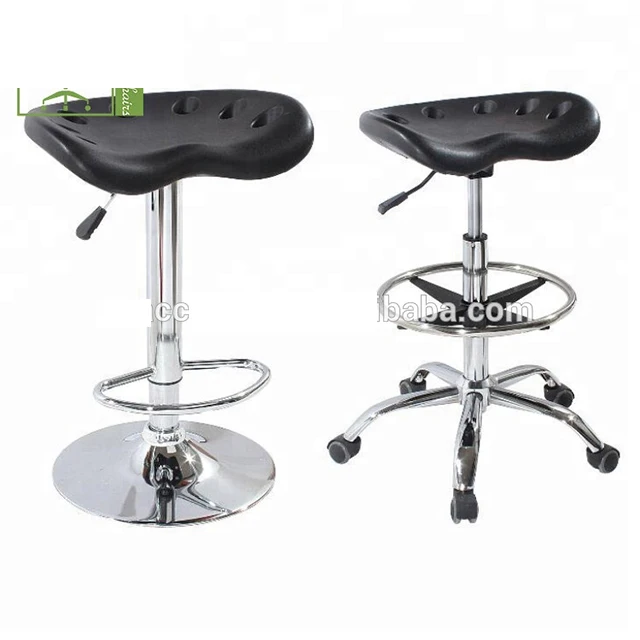
Ang mga upuang pampagamot para sa opisina ay nagsasama ng makabagong teknolohiya sa pagkontrol ng impeksyon na nagmemarka sa kanila mula sa karaniwang mga upuang pampagamot, kaya sila ay hindi maiiwasan sa mga modernong kapaligiran ng pangangalagang pangkalusugan. Ang mga antimikrobial na panlaban sa mikrobyo na ginagamit sa mga upuang ito ay aktibong humihinto sa paglago ng bakterya, virus, at fungi, na lumilikha ng mas ligtas na kapaligiran para sa parehong pasyente at mga tagapagbigay ng pangangalagang pangkalusugan. Ang mga espesyal na coating na ito ay isinasama sa lebel ng molekula, na nagpapatiyak ng matagalang proteksyon na hindi nawawala kahit sa paulit-ulit na paglilinis. Ang mga teknik sa paggawa ng mga upuang pampagamot para sa opisina—na may ganap na seamless na konstruksyon—ay nag-aalis ng tradisyonal na mga sira at guhit kung saan maaaring mag-akumula ang mga pathogen, na lumilikha ng makinis na ibabaw na maaaring lubos na disinfektahan gamit ang mga hospital-grade na ahente sa paglilinis. Ang mga materyales na ginagamit sa mga upuang ito ay sumasailalim sa mahigpit na pagsusuri upang matiyak ang kanilang kakayahang magamit kasama ang iba’t ibang disinfectant, kabilang ang solusyon ng bleach, mga cleaner na may alkohol, at mga espesyal na sanitizer para sa pangangalagang pangkalusugan, nang hindi nababaguhang pisikal o nababago ang kulay sa paglipas ng panahon. Ang teknolohiyang ito sa pagkontrol ng impeksyon ay umaabot sa lahat ng bahagi, kabilang ang base, mga sandok sa braso, at mga mekanikal na bahagi, na nagpapatiyak ng komprehensibong proteksyon sa buong istruktura ng upuan. Ang di-porus na kalikasan ng mga materyales na ginagamit sa upholstery ay nagpipigil sa pagsipsip ng likido, na napakahalaga sa mga setting ng medisina kung saan maaaring mangyari ang spill ng likidong katawan o gamot. Ang mga advanced na upuang pampagamot para sa opisina ay may katangian ng mabilis na pagpapatuyo na nagpipigil sa pagkakaroon ng kahalumigmigan, na nagpapababa pa ng peligro ng paglago ng mikrobyo sa pagitan ng bawat sesyon ng paglilinis. Ang mga benepisyo sa pagkontrol ng impeksyon ay umaabot sa labas lamang ng surface treatments at kasali rin ang mga tampok sa sirkulasyon ng hangin sa ilang modelo, na tumutulong sa pagpapanatili ng malinis na kapaligiran sa paligid ng lugar ng upuan. Ang mga pasilidad sa pangangalagang pangkalusugan na nag-iinvest sa mga ganoong makabagong teknolohikal na upuang pampagamot para sa opisina ay ipinapakita ang kanilang dedikasyon sa kaligtasan ng pasyente habang natutugunan din ang mahigpit na regulasyon sa mga pamantayan sa kalinisan ng kagamitang medikal.


 EN
EN