
 EN
EN
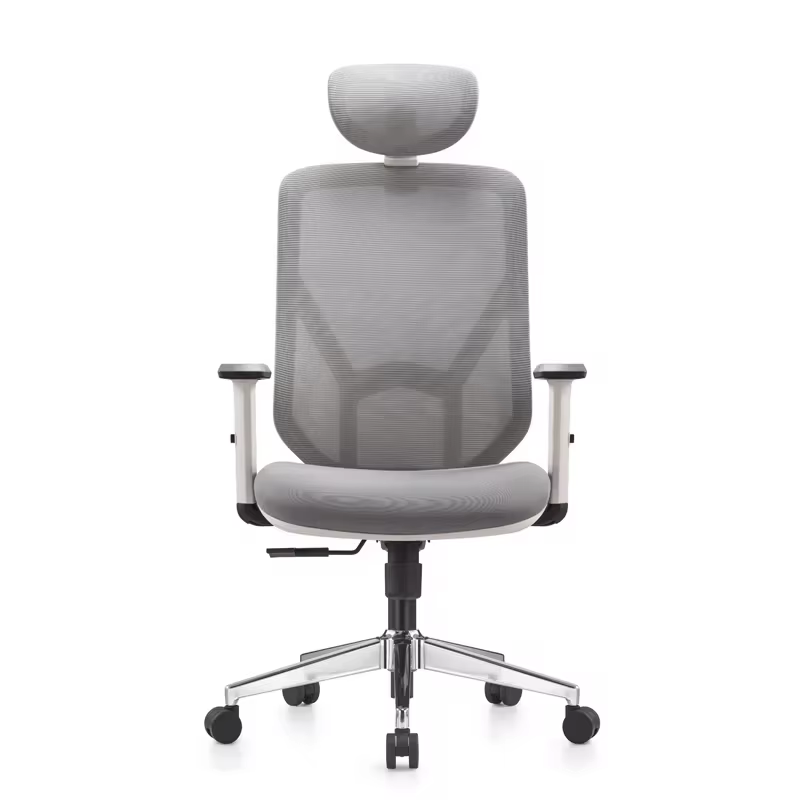
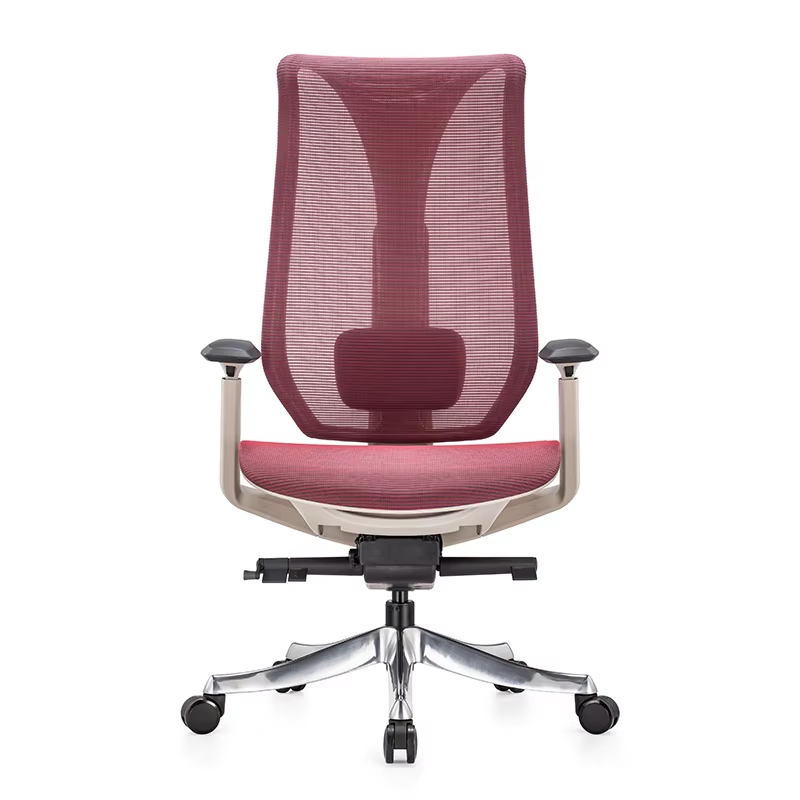
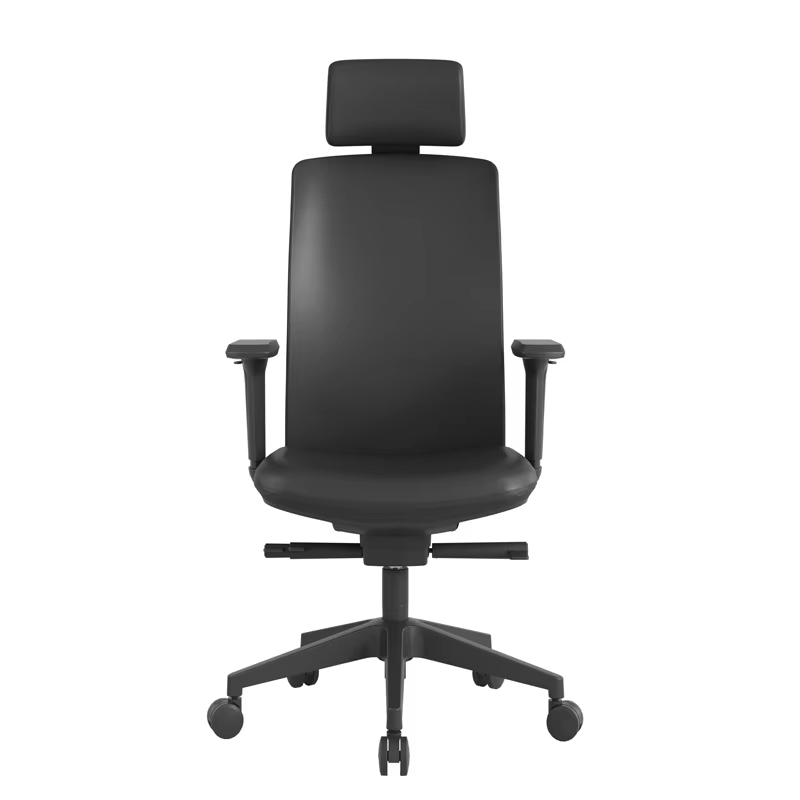
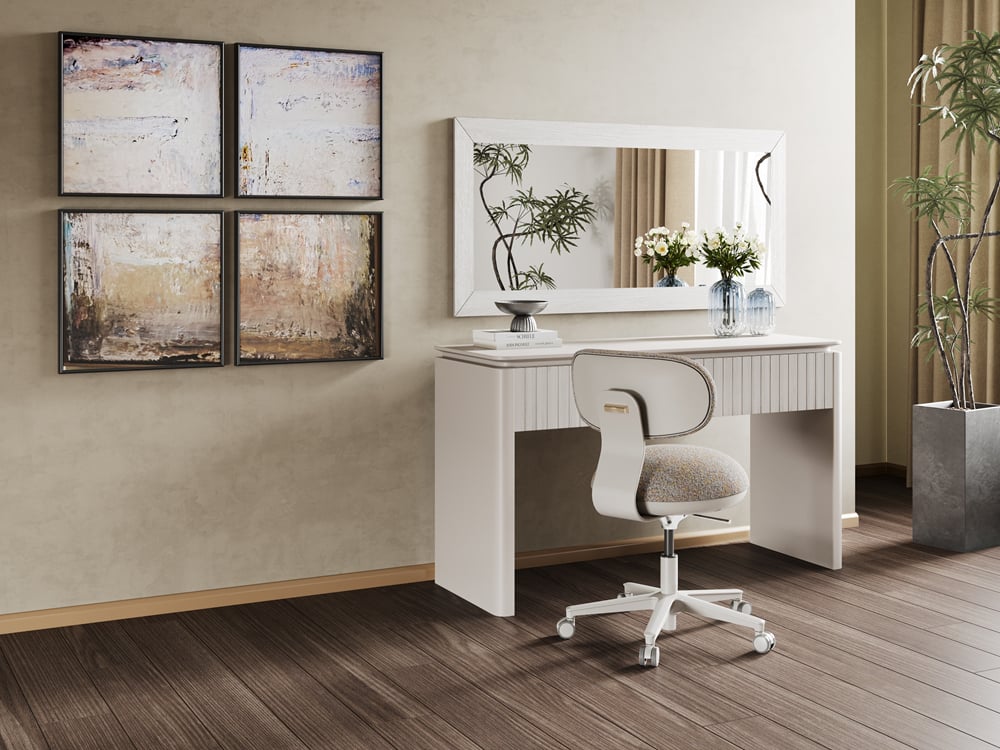
The modern workplace has evolved dramatically, with remote work becoming a permanent fixture for millions of professionals worldwide. This shift has placed unprecedented importance on creating functional home office environments that support productivity and well-being. At the heart of any effective workspace lies a quality adjustable home office chair that adapts to individual needs and preferences. Unlike traditional static seating options, today's ergonomic chairs offer multiple adjustment mechanisms that transform how we experience comfort and support during extended work sessions. The integration of advanced adjustability features has revolutionized office furniture design, making it possible for users to customize their seating experience with precision and ease.
Professional ergonomists and workplace wellness experts consistently emphasize the critical role that proper seating plays in maintaining physical health and cognitive performance. An adjustable home office chair serves as the foundation for optimal posture, reducing strain on the spine, neck, and lower extremities while promoting blood circulation throughout extended periods of desk work. The ability to fine-tune various chair components ensures that each user can achieve their ideal seating position, regardless of body type, height, or specific comfort requirements. This personalization aspect has become increasingly valuable as organizations recognize the direct correlation between employee comfort and overall productivity levels.
Essential Adjustability Features for Maximum Comfort
Height Adjustment Mechanisms
The pneumatic height adjustment system represents one of the most fundamental features in any quality adjustable home office chair. This mechanism allows users to raise or lower their seat to achieve proper alignment with their desk surface, ensuring that elbows maintain approximately 90-degree angles while typing or performing other tasks. Modern pneumatic cylinders utilize compressed air technology to provide smooth, effortless height changes that can accommodate users ranging from petite individuals to those with taller statures. The precision of these systems has improved significantly over recent years, offering incremental adjustments rather than dramatic height changes that can disrupt workflow.
Advanced height adjustment systems also incorporate safety features such as dual-stage cylinders that prevent sudden drops or unexpected movements during operation. These enhanced mechanisms ensure consistent performance over thousands of adjustment cycles, maintaining their responsiveness and reliability throughout years of regular use. The integration of quality components in height adjustment systems directly impacts the longevity and user satisfaction of an adjustable home office chair, making it a critical consideration for professionals seeking long-term seating solutions.
Lumbar Support Customization
Lumbar support adjustment capabilities have become increasingly sophisticated, addressing the specific needs of individuals who spend considerable time in seated positions. The lower back region requires targeted support to maintain the natural S-curve of the spine, preventing the development of chronic pain conditions and muscular imbalances. An adjustable home office chair with comprehensive lumbar support features typically includes both height and depth adjustment mechanisms, allowing users to position the support precisely where their lower back requires reinforcement.
Contemporary lumbar support systems often incorporate memory foam or specialized cushioning materials that conform to individual back contours while maintaining structural integrity. Some advanced models feature dynamic lumbar support that automatically adjusts tension based on user movement and posture changes throughout the day. This intelligent responsiveness helps maintain consistent lower back support without requiring constant manual adjustments, enabling users to focus on their work while the chair continuously adapts to their positioning needs.
Armrest Flexibility and Positioning Options
Multi-Directional Armrest Movement
Modern armrest technology in an adjustable home office chair extends far beyond simple height adjustment, incorporating multi-dimensional movement capabilities that address diverse user preferences and workspace configurations. Contemporary armrest systems typically offer height, width, depth, and rotational adjustments, creating virtually unlimited positioning possibilities. These comprehensive adjustment ranges ensure that users can achieve proper arm and shoulder alignment regardless of their preferred working posture or the specific tasks they perform throughout their workday.
The engineering behind advanced armrest systems focuses on providing stable support while maintaining smooth adjustment mechanisms that operate silently and effortlessly. Quality armrest assemblies utilize durable materials such as reinforced polymers or metal frameworks that withstand repeated adjustments without developing looseness or instability. The padding and surface materials are designed to provide comfortable contact points that resist wear and maintain their supportive properties over extended periods of use.
Synchronized Movement Integration
Synchronized armrest movement represents a significant advancement in adjustable home office chair technology, where armrests automatically coordinate with backrest recline angles to maintain optimal arm support throughout various seating positions. This integration eliminates the need for users to manually readjust armrests each time they change their backrest angle, creating a seamless transition between upright working positions and more relaxed reclined postures. The synchronization mechanisms utilize precision engineering to ensure that armrest angles complement backrest movements while maintaining appropriate support levels.
Advanced synchronization systems also incorporate user weight detection and preference settings, allowing the chair to automatically calibrate armrest positioning based on individual usage patterns. These intelligent features learn from user behavior over time, gradually optimizing armrest positioning to match preferred working postures and movement habits. The result is a truly personalized seating experience that adapts continuously to support productivity and comfort throughout varying work activities and posture changes.
Backrest Recline and Tilt Mechanisms
Tension Control Systems
Backrest tension control represents a critical component in determining how an adjustable home office chair responds to user movement and weight distribution. These systems allow individuals to customize the amount of resistance encountered when leaning back, ensuring that the chair provides appropriate support without being too rigid or too loose for their specific body weight and movement preferences. Modern tension control mechanisms utilize sophisticated spring systems or pneumatic dampeners that offer precise adjustment ranges suitable for users across diverse weight categories.
The calibration of tension control systems directly impacts user comfort during dynamic seating activities, such as reaching for items, shifting positions, or transitioning between focused work and relaxation modes. Quality tension mechanisms maintain consistent performance characteristics over time, preventing the gradual loosening or stiffening that can occur with inferior components. These systems also incorporate safety features that prevent excessive recline angles that could compromise stability or user safety during normal operation.
Multi-Position Locking Features
Multi-position locking capabilities enable users to secure their adjustable home office chair in specific recline angles that match their preferred working or resting positions. These locking mechanisms provide stability for tasks requiring sustained concentration while allowing quick release when movement or position changes become necessary. Contemporary locking systems typically offer multiple preset positions along with infinite adjustment possibilities between locked positions, providing users with maximum flexibility in customizing their seating experience.
The engineering of multi-position locking systems emphasizes both security and ease of operation, ensuring that locks engage reliably while remaining simple to activate or release during normal use. Advanced locking mechanisms incorporate visual and tactile feedback systems that confirm proper engagement, preventing accidental unlocking during use while making intentional position changes intuitive and effortless. These features contribute significantly to user confidence and satisfaction with their adjustable home office chair investment.
Seat Depth and Width Customization
Sliding Seat Pan Technology
Sliding seat pan technology addresses one of the most significant challenges in accommodating users with varying leg lengths and torso proportions. An adjustable home office chair equipped with this feature allows users to modify the effective seat depth by sliding the seat cushion forward or backward along built-in tracks. This adjustment capability ensures proper thigh support while preventing pressure points behind the knees that can restrict circulation and cause discomfort during extended sitting periods.
The mechanical systems enabling seat pan adjustment utilize precision bearings and locking mechanisms that maintain stability while allowing smooth repositioning when needed. Quality sliding seat systems incorporate wear-resistant materials and components designed to withstand thousands of adjustment cycles without developing excessive play or reduced functionality. The integration of these systems into the overall chair structure requires careful engineering to maintain structural integrity while providing the flexibility needed for optimal user customization.
Width Adjustment Capabilities
Width adjustment features in an adjustable home office chair accommodate varying hip widths and personal space preferences, ensuring comfortable seating for users across diverse body types. These systems typically involve expandable seat sections or adjustable bolsters that can be widened or narrowed to match individual requirements. The ability to customize seat width prevents the discomfort associated with seats that are either too narrow, causing pressure points, or too wide, reducing lateral support and stability.
Advanced width adjustment mechanisms maintain cushioning density and support characteristics across their adjustment range, ensuring consistent comfort regardless of the selected width setting. The materials and construction methods used in these systems focus on durability and long-term performance, preventing sagging or deformation that could compromise comfort or support over time. These features represent significant investments in manufacturing complexity but provide substantial benefits in terms of user satisfaction and chair versatility.
Material Innovation and Durability Considerations
Advanced Cushioning Technologies
Contemporary cushioning technologies in an adjustable home office chair incorporate advanced materials such as memory foam, gel-infused padding, and responsive polymer systems that adapt to body contours while maintaining supportive properties. These materials respond to body heat and pressure distribution, creating personalized comfort zones that reduce pressure points and promote better circulation during extended sitting sessions. The evolution of cushioning materials has focused on balancing comfort with longevity, ensuring that padding maintains its supportive characteristics throughout years of regular use.
Innovative cushioning systems also incorporate temperature regulation properties that prevent heat buildup and moisture accumulation, common issues with traditional padding materials. These advanced materials utilize open-cell structures or specialized ventilation channels that promote airflow while maintaining structural integrity. The integration of antimicrobial treatments and stain-resistant properties further enhances the practical benefits of modern cushioning technologies, making maintenance easier while promoting hygiene in shared or high-use environments.
Frame Construction and Longevity
The structural foundation of an adjustable home office chair determines its ability to support adjustment mechanisms reliably while maintaining stability under varying load conditions. Modern frame construction utilizes materials such as reinforced aluminum alloys, steel components, and engineered polymers that provide exceptional strength-to-weight ratios. These materials undergo extensive testing to ensure they meet or exceed industry standards for durability, safety, and performance across thousands of adjustment cycles and years of regular use.
Manufacturing processes for quality chair frames incorporate precision welding, advanced joining techniques, and surface treatments that enhance corrosion resistance and structural longevity. The integration of adjustment mechanisms into frame structures requires careful engineering to prevent stress concentrations that could lead to premature failure or reduced adjustment performance. Quality manufacturers typically provide extensive warranties on frame components, reflecting confidence in their construction methods and material selection processes.
Technology Integration and Smart Features
Posture Monitoring Systems
Emerging smart technology integration in an adjustable home office chair includes posture monitoring systems that track user positioning and provide feedback on ergonomic optimization. These systems utilize sensors embedded within the chair structure to monitor factors such as seat pressure distribution, backrest contact, and movement patterns throughout the workday. The data collected enables users to understand their sitting habits and make informed adjustments to improve their overall ergonomic positioning and health outcomes.
Advanced posture monitoring systems can integrate with smartphone applications or computer software to provide real-time feedback and personalized recommendations for improving sitting posture and movement habits. These technologies represent the convergence of furniture design with health monitoring, creating opportunities for proactive ergonomic intervention and long-term wellness improvement. The implementation of such systems requires careful attention to user privacy and data security while providing meaningful insights that enhance the overall value proposition of premium seating solutions.
Automated Adjustment Capabilities
Automated adjustment capabilities represent the cutting edge of adjustable home office chair technology, where chairs learn user preferences and automatically optimize positioning based on time of day, task requirements, or physiological indicators. These systems utilize machine learning algorithms to analyze usage patterns and gradually refine adjustment settings to match individual preferences and work habits. The automation reduces the need for manual adjustments while ensuring optimal ergonomic positioning throughout varying work activities.
Implementation of automated systems requires sophisticated control mechanisms and sensor networks that operate reliably while remaining unobtrusive to normal chair operation. These technologies focus on enhancing user experience rather than replacing user control, providing intelligent assistance while maintaining the ability for manual override when desired. The development of such systems represents significant investment in research and development but offers substantial potential for improving workplace wellness and productivity outcomes.
FAQ
What adjustment features are most important in a home office chair
The most critical adjustment features in an adjustable home office chair include height adjustment for proper desk alignment, lumbar support positioning for lower back health, armrest height and width adjustment for shoulder and arm comfort, and backrest recline with tension control for dynamic seating support. These core adjustments address the primary ergonomic requirements for extended computer work and help prevent common workplace injuries and discomfort issues.
How often should I adjust my office chair settings
Chair adjustments should be made whenever you experience discomfort or notice changes in your posture throughout the day. Most ergonomic experts recommend making small adjustments every few hours to accommodate natural body changes and varying work tasks. An adjustable home office chair should feel comfortable and supportive without requiring conscious effort to maintain proper posture, indicating that adjustments are properly calibrated for your needs.
Can chair adjustments help with back pain issues
Proper chair adjustments can significantly reduce back pain by ensuring optimal spinal alignment and reducing pressure on sensitive areas. An adjustable home office chair with comprehensive lumbar support and positioning options helps maintain the natural curves of the spine while providing targeted support where needed. However, persistent back pain should be evaluated by healthcare professionals who can provide personalized recommendations for ergonomic adjustments and other interventions.
What is the typical lifespan of adjustment mechanisms
Quality adjustment mechanisms in an adjustable home office chair are designed to withstand thousands of operation cycles over many years of regular use. Most reputable manufacturers provide warranties of 5-10 years on major adjustment components, reflecting confidence in their durability and performance. Proper maintenance and appropriate use patterns help maximize the lifespan of adjustment systems, while abuse or excessive loads can reduce their operational life significantly.


