
 EN
EN
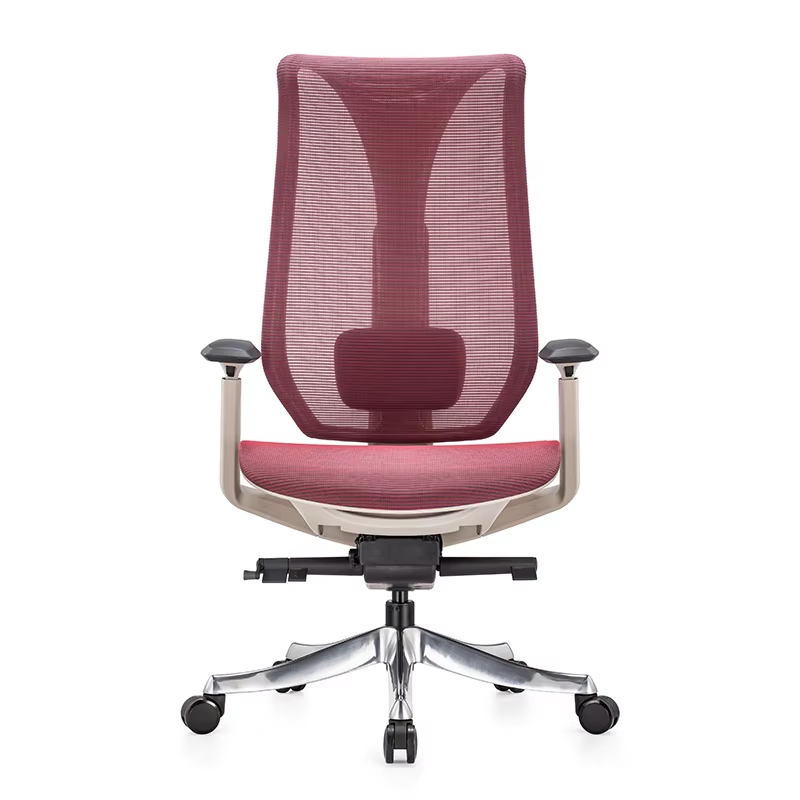
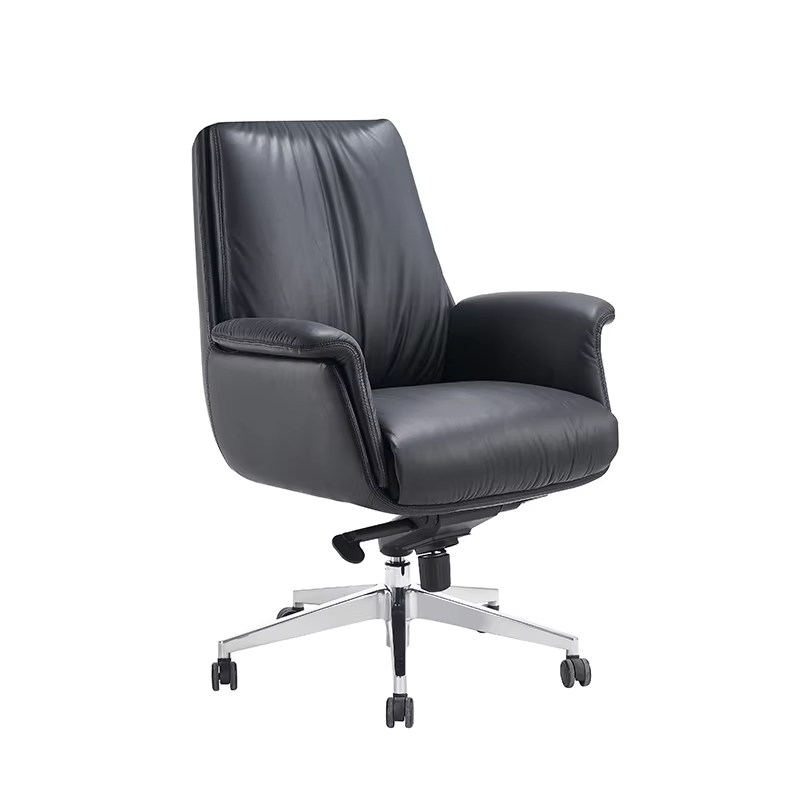
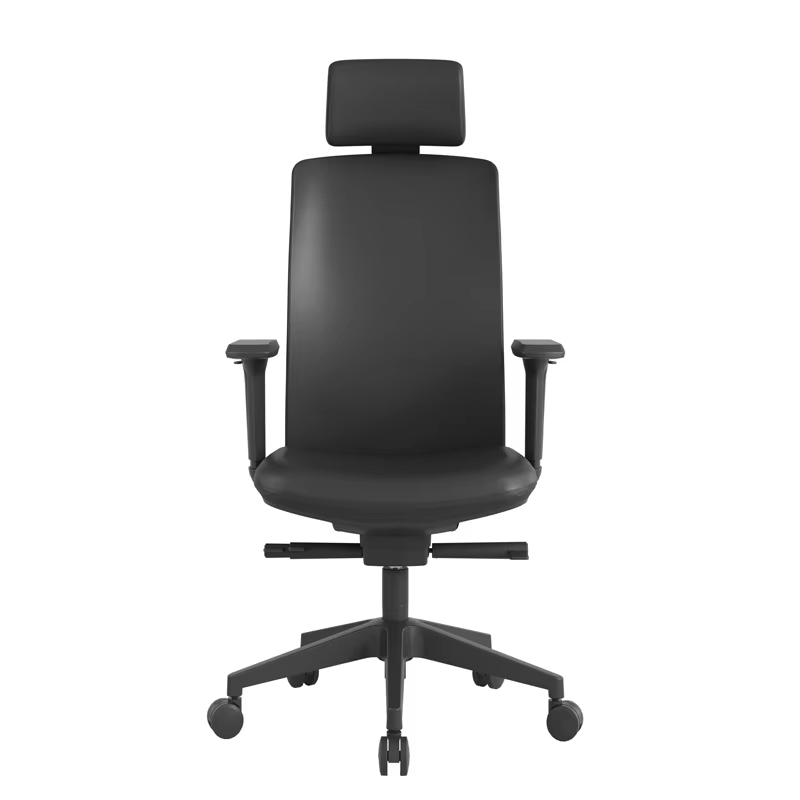
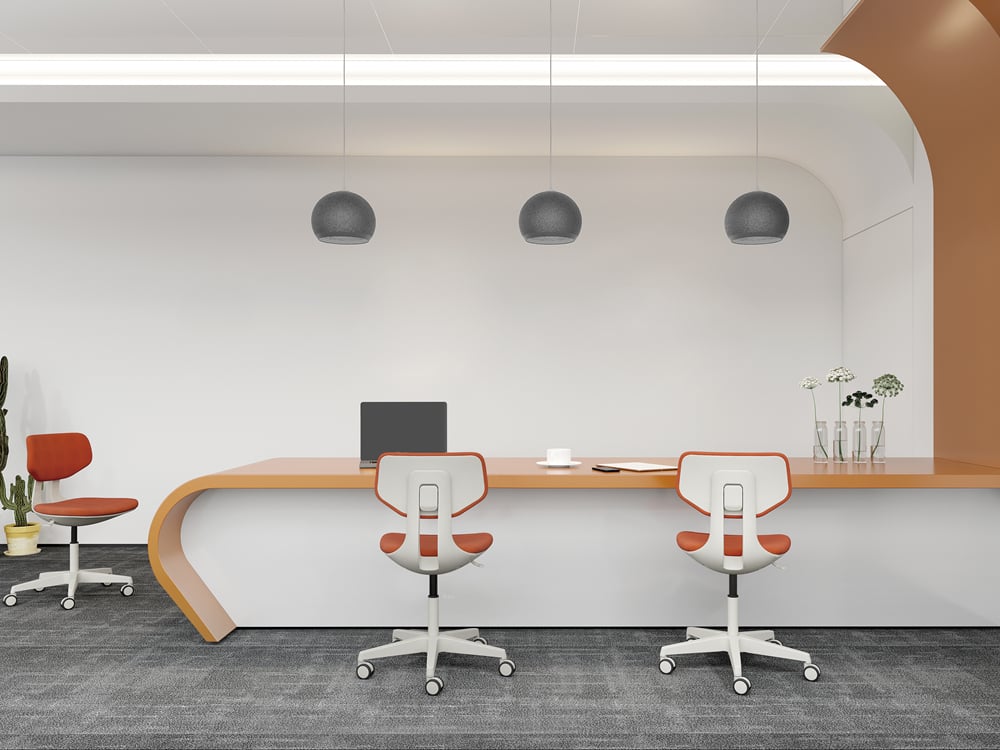
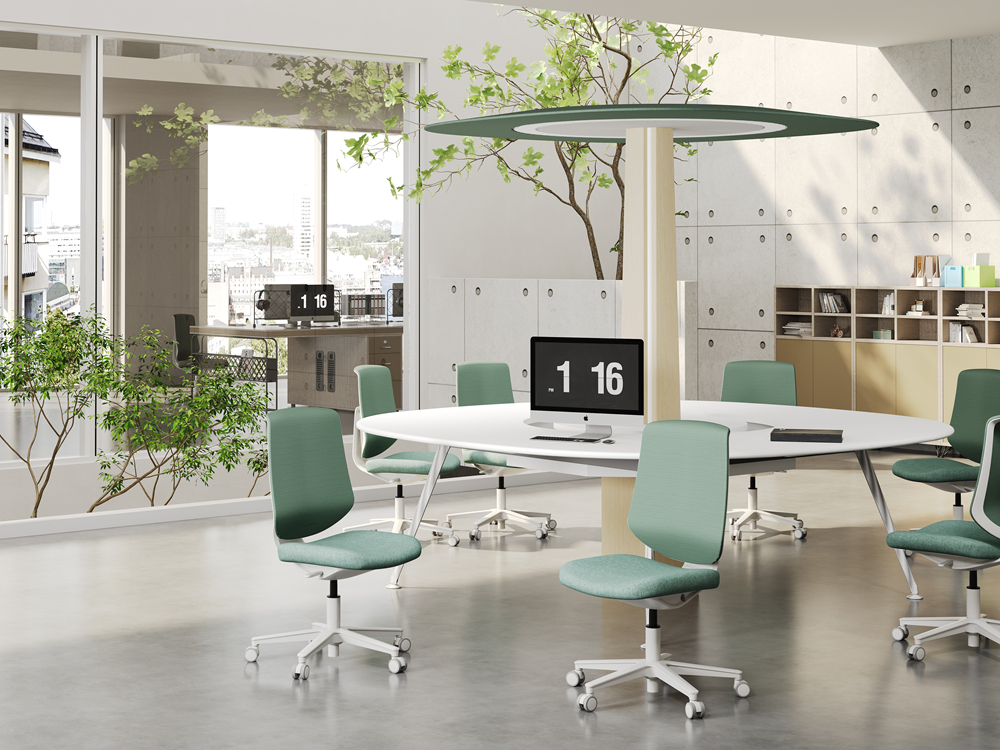
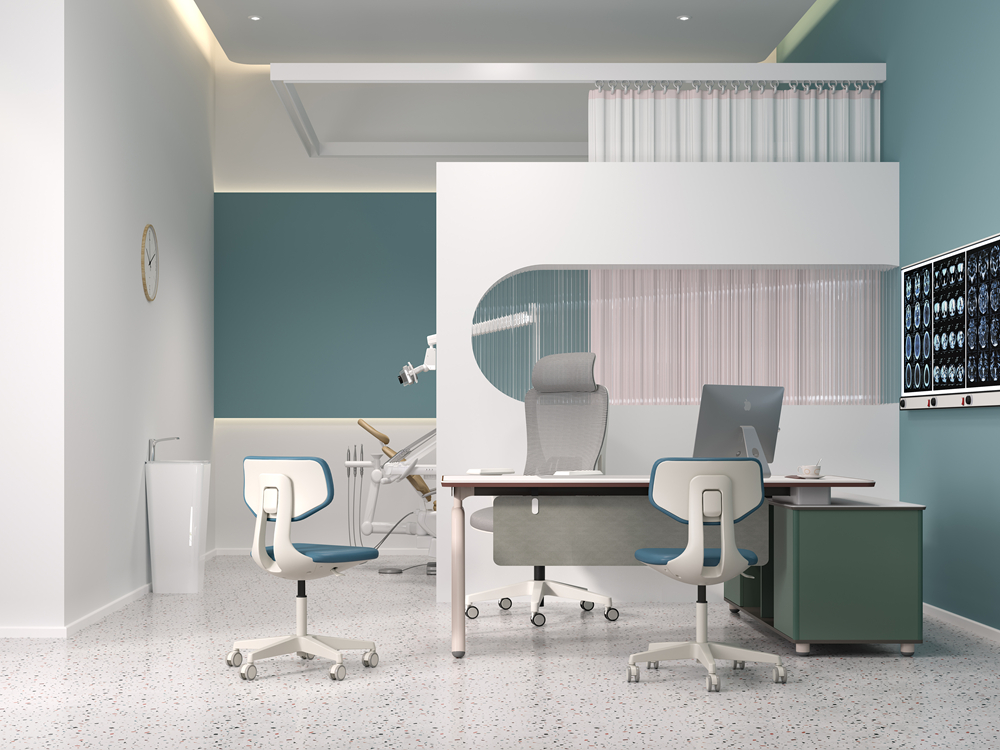
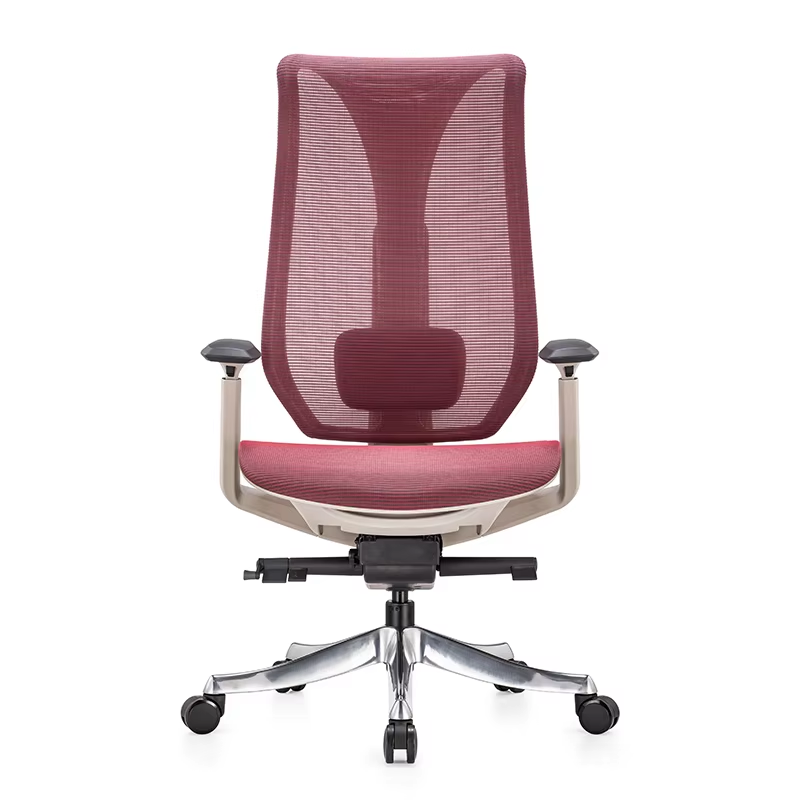
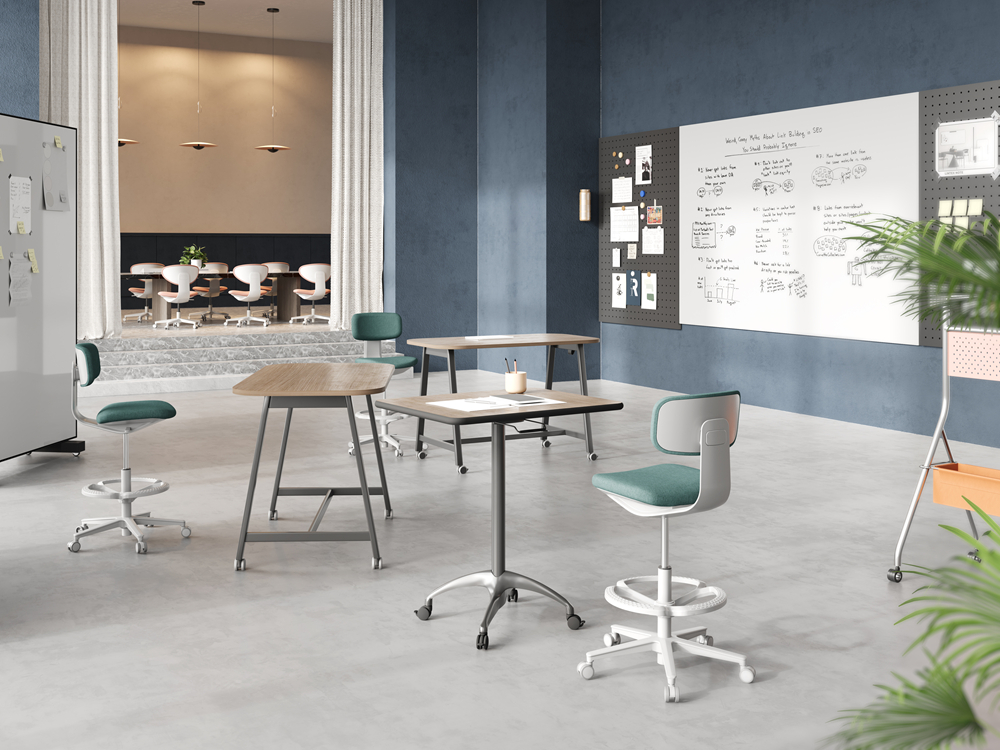
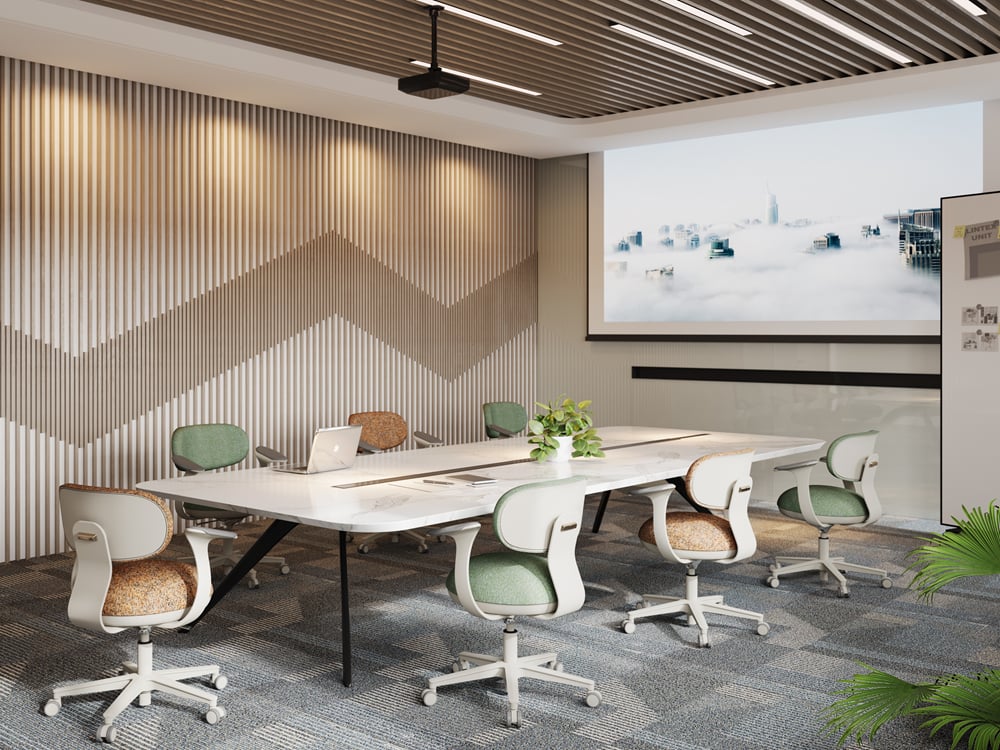
Selecting the perfect office conference chair for your meeting room requires careful consideration of both functionality and aesthetic appeal. The right conference seating can significantly impact the productivity, comfort, and overall atmosphere of business meetings. When choosing an office conference chair, professionals must balance ergonomic support, visual harmony with existing decor, and long-term durability to create an environment that promotes effective collaboration and reflects company values.
Understanding Conference Room Design Elements
Color Coordination and Material Selection
The visual impact of your office conference chair selection begins with understanding the existing color palette and materials in your meeting space. Modern conference rooms often feature neutral tones like gray, black, or white, which provide versatility when selecting seating options. Consider how the chair's upholstery will complement wall colors, table finishes, and flooring materials. Leather conference chairs offer a classic, executive appearance that works well with traditional wood conference tables, while mesh or fabric options provide a more contemporary feel suitable for modern glass or metal furnishings.
Material consistency throughout the room creates a cohesive design language that speaks to professionalism and attention to detail. If your conference table features chrome or stainless steel accents, selecting an office conference chair with similar metallic elements will enhance the overall aesthetic harmony. The texture and finish of chair materials should complement rather than compete with other room elements, ensuring that seating becomes an integrated part of the design rather than an afterthought.
Spatial Considerations and Room Layout
Room dimensions and layout significantly influence office conference chair selection decisions. Large conference rooms can accommodate chairs with higher backs and broader profiles, while smaller meeting spaces benefit from more streamlined designs that maximize available floor space. Consider the clearance needed for chairs to be pulled out from the table and the walking space required around the perimeter of the room.
The shape of your conference table also affects chair selection. Rectangular tables typically work well with matching chairs positioned uniformly, while round tables may benefit from swivel-base designs that allow easy repositioning during discussions. Scale is crucial when matching an office conference chair to room proportions, as oversized seating can overwhelm smaller spaces while undersized chairs may appear inadequate in large boardrooms.
Ergonomic Features and Comfort Standards
Lumbar Support and Posture Enhancement
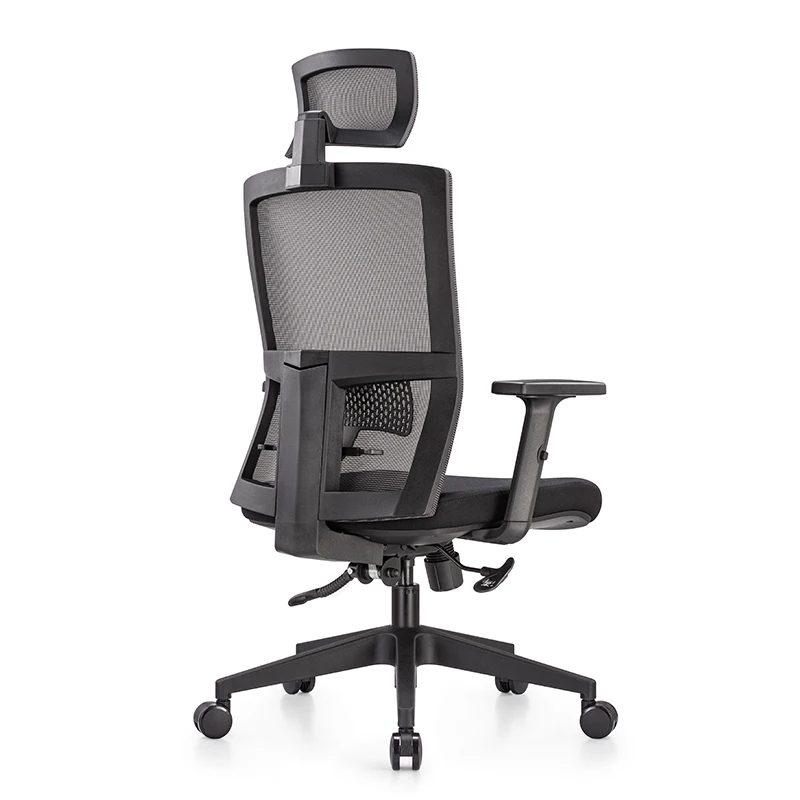
Proper lumbar support is essential for maintaining healthy posture during extended meetings, making it a critical factor when selecting an office conference chair. The natural curve of the spine requires adequate support to prevent fatigue and discomfort that can distract from meeting productivity. Look for chairs with adjustable lumbar support that can accommodate different body types and preferences among meeting participants.
The height and depth of seat cushions also contribute to ergonomic comfort. An ideal office conference chair allows users to sit with feet flat on the floor while maintaining a slight gap between the seat edge and the back of their knees. This positioning promotes proper circulation and reduces pressure points that can develop during longer meetings or presentations.
Adjustability and User Accommodation
Modern conference rooms host diverse groups of people with varying physical needs and preferences, making adjustability a valuable feature in office conference chair selection. Height adjustment is fundamental, allowing users to position themselves comfortably relative to the conference table surface. Some chairs also offer tilt mechanisms that enable users to find their optimal seating angle for different meeting activities.
Armrest adjustability can enhance comfort for users who need arm support while taking notes or using devices during meetings. However, consider whether armrests will interfere with table clearance or prevent chairs from being pushed fully under the table when not in use. An office conference chair with well-designed adjustable features can accommodate various user preferences while maintaining the clean, professional appearance necessary for business environments.
Durability and Maintenance Considerations
Material Quality and Longevity
Conference room furniture represents a significant investment that should provide years of reliable service. When evaluating an office conference chair, examine the quality of construction materials, including frame strength, caster durability, and upholstery resilience. High-quality frames typically feature reinforced joints and premium materials like aluminum or steel that can withstand regular use without compromising structural integrity.
Upholstery selection affects both appearance and maintenance requirements over time. Leather surfaces offer durability and easy cleaning but may require periodic conditioning to maintain their appearance. Fabric options provide comfort and breathability but may be more susceptible to staining and wear in high-traffic conference environments. Consider the frequency of room use and the level of maintenance your facility management team can provide when selecting upholstery materials.
Cleaning and Care Requirements
Regular maintenance keeps conference room seating looking professional and extends the lifespan of your investment. Different office conference chair materials have varying cleaning requirements that should align with your facility's maintenance capabilities. Mesh backs offer excellent breathability and are typically easy to clean with standard commercial cleaners and minimal effort.
Consider how easily chairs can be moved for thorough room cleaning and whether components like cushions or armrests can be replaced individually if needed. Chairs with modular designs may offer cost advantages over time by allowing selective replacement of worn components rather than entire units. The availability of replacement parts and manufacturer warranty coverage should factor into your decision-making process.
Budget Planning and Value Assessment
Initial Investment and Long-Term Costs
Budgeting for conference room seating involves more than the initial purchase price of each office conference chair. Consider the total cost of ownership, including delivery, assembly, potential modifications to accommodate existing furniture, and long-term maintenance expenses. Higher-quality chairs often provide better value over time through reduced replacement needs and lower maintenance costs.
Quantity requirements affect per-unit pricing, as many manufacturers offer volume discounts for larger orders. Plan for consistent seating throughout your conference facilities to maintain a professional appearance and potentially achieve better pricing through bulk purchases. Consider whether you need identical chairs for all meeting spaces or if different room functions might benefit from varied seating options while maintaining design consistency.
Return on Investment Through Productivity
Comfortable seating contributes to meeting effectiveness by reducing distractions and fatigue among participants. An office conference chair that promotes good posture and comfort can enhance focus and participation during important business discussions. While difficult to quantify directly, the productivity benefits of appropriate conference room furnishings can justify higher upfront investments in quality seating.
Consider how chair selection reflects on your organization's image when hosting clients, partners, or potential recruits. Professional, well-maintained conference room furniture demonstrates attention to detail and commitment to quality that can positively influence business relationships and outcomes.
Integration with Technology and Modern Meeting Needs
Cable Management and Device Integration
Modern meetings often involve multiple devices and technologies that require power and connectivity solutions. When selecting an office conference chair, consider how seating arrangement affects access to power outlets, cable management systems, and presentation equipment. Some conference tables feature integrated power solutions that work best with specific chair heights and clearances.
Swivel functionality becomes important in technology-rich environments where participants need to turn toward different presentation screens or collaborate with colleagues in various positions around the room. Consider whether fixed or mobile seating better serves your typical meeting formats and technology integration needs.
Flexibility for Hybrid and Video Conferencing
The rise of hybrid meetings and video conferencing has introduced new considerations for conference room design and seating selection. An office conference chair that positions users appropriately for camera angles and provides good back support for extended video calls serves the evolving needs of modern business communication.
Consider how chair height and positioning affect visibility for both in-person and remote meeting participants. Consistent seating heights help ensure that video conference cameras capture all participants effectively, while comfortable seating reduces fidgeting and movement that can be distracting in video formats.
FAQ
How many office conference chairs should I order for my meeting room
The number of chairs needed depends on your table size and typical meeting attendance. Generally, allow 24-30 inches of table perimeter per person for comfortable seating. Consider ordering 1-2 additional chairs beyond your typical capacity to accommodate larger meetings or replace damaged units without disrupting the matching set.
What is the ideal seat height for conference room chairs
Standard conference table height is typically 28-30 inches, so an office conference chair should adjust to position users with their elbows at roughly 90 degrees when arms rest on the table surface. Most quality conference chairs offer height adjustment ranges of 16-20 inches to accommodate different user heights and preferences.
Should conference room chairs have wheels or be stationary
Wheeled chairs offer greater flexibility for repositioning during meetings and easier movement for cleaning. However, stationary chairs may provide a more formal appearance and won't roll away from the table. Consider your meeting style, room size, and flooring type when deciding between mobile and fixed seating options.
How do I maintain consistency when replacing individual conference chairs
Keep detailed records of your office conference chair model numbers, manufacturers, and purchase dates. Many commercial furniture lines remain available for several years, allowing for future matching purchases. Consider ordering one spare chair initially to have an exact replacement available if needed, and establish relationships with furniture dealers who can help source matching pieces over time.


