
 EN
EN

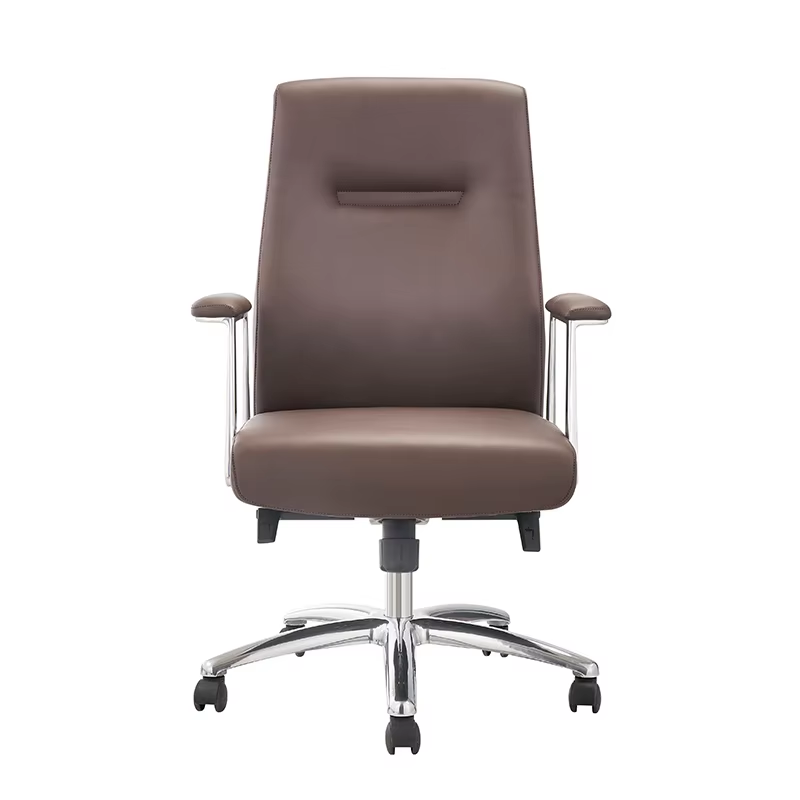
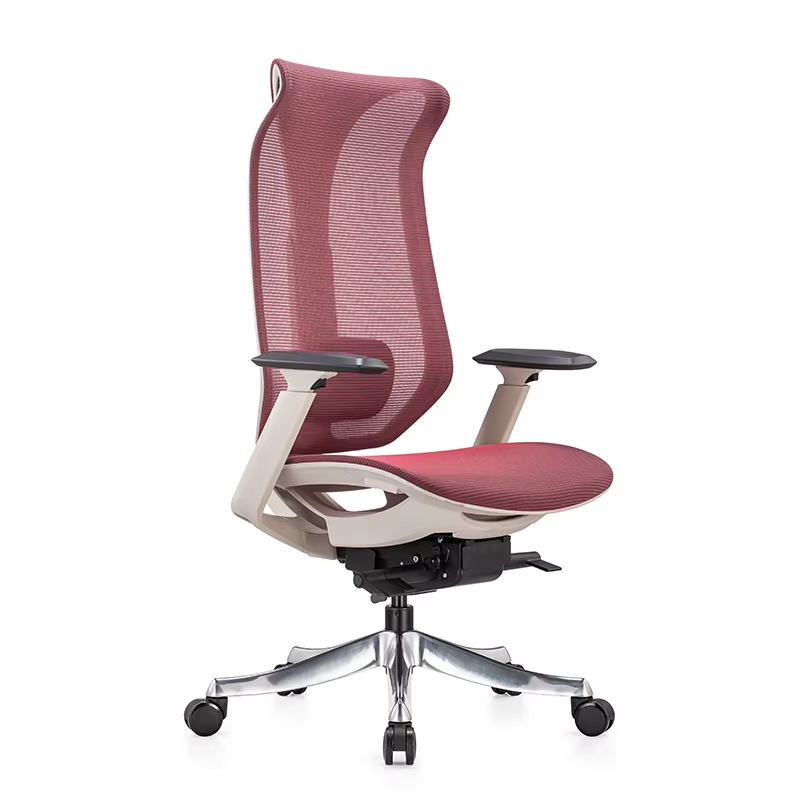
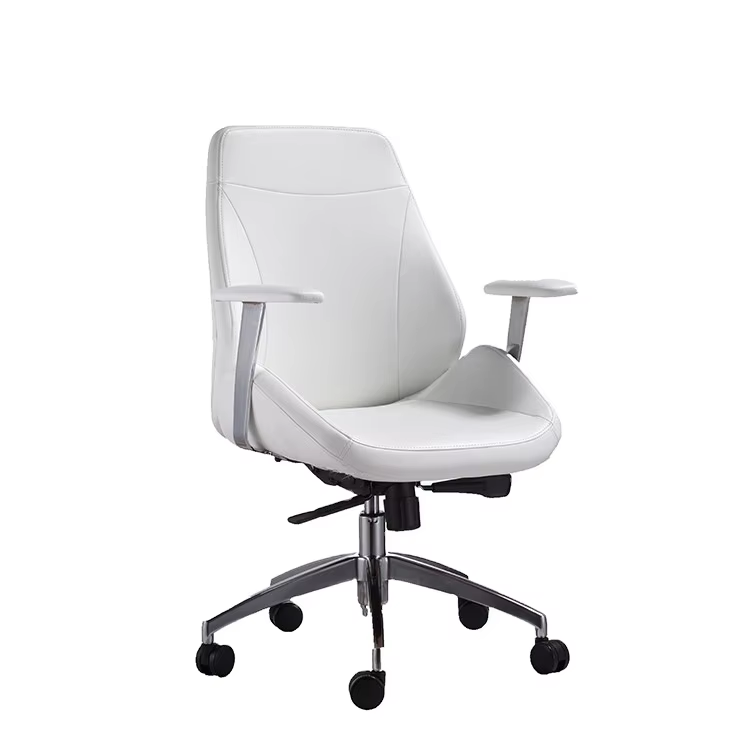
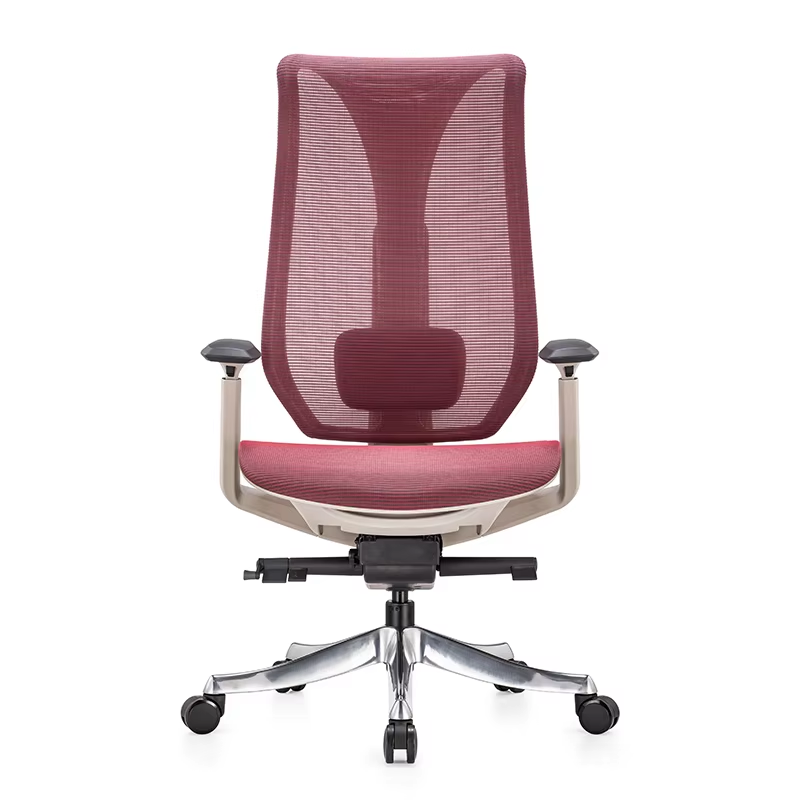
The modern workplace has undergone a dramatic transformation, with remote work becoming a permanent fixture for millions of professionals worldwide. As home offices replace traditional corporate environments, the importance of investing in quality furniture has never been more critical. Among the most essential pieces of equipment is an ergonomic office chair, which serves as the foundation for productivity, comfort, and long-term health. Understanding whether such an investment truly pays dividends requires examining the multifaceted benefits that extend far beyond initial comfort.
Understanding Ergonomic Office Chair Design Principles
Scientific Foundation of Ergonomic Support
The science behind ergonomic office chair design stems from extensive research into human anatomy and workplace physiology. These chairs incorporate adjustable lumbar support systems that maintain the natural S-curve of the spine, reducing pressure on intervertebral discs by up to forty percent compared to standard seating. The ergonomic office chair design also features adjustable armrests positioned at optimal heights to prevent shoulder strain and carpal tunnel syndrome development.
Advanced ergonomic office chair models utilize breathable mesh materials and contoured seat cushions that distribute body weight evenly across pressure points. This distribution mechanism prevents blood flow restriction and reduces the risk of developing deep vein thrombosis during extended sitting periods. The tilt mechanism allows users to recline while maintaining proper spinal alignment, promoting healthy circulation throughout extended work sessions.
Adaptive Features for Individual Body Types
Contemporary ergonomic office chair designs recognize that one size fits none when it comes to optimal seating solutions. Height-adjustable mechanisms accommodate users ranging from five feet to six feet six inches, ensuring proper knee angle positioning and foot placement. Seat depth adjustments prevent pressure behind the knees while supporting the full length of the thighs, crucial for maintaining healthy circulation patterns.
The headrest component of a quality ergonomic office chair provides cervical spine support, particularly beneficial for individuals who spend significant time on video conferences or phone calls. Adjustable armrest width accommodates different shoulder breadths, while multi-directional armrest movement allows for optimal positioning during various work tasks, from typing to mouse navigation.
Health Benefits and Medical Cost Considerations
Prevention of Musculoskeletal Disorders
Investing in an ergonomic office chair represents a proactive approach to preventing costly musculoskeletal disorders that affect millions of office workers annually. Poor seating contributes to chronic lower back pain, affecting nearly eighty percent of adults at some point in their careers. The financial implications extend beyond discomfort, with back-related medical expenses averaging thousands of dollars per individual annually.
Research demonstrates that employees using ergonomic office chair solutions experience significantly reduced instances of repetitive strain injuries, herniated discs, and cervical spine complications. The adjustable features allow users to maintain neutral body positioning throughout the workday, preventing the gradual development of postural imbalances that lead to chronic pain conditions requiring ongoing medical intervention.
Long-term Productivity and Performance Enhancement
The correlation between proper seating and cognitive performance has been extensively documented in workplace psychology studies. An ergonomic office chair contributes to improved focus and concentration by eliminating physical distractions caused by discomfort or pain. Workers report increased energy levels and reduced fatigue when seated in properly designed chairs, directly impacting overall work output and quality.
The investment in an ergonomic office chair pays dividends through reduced sick days and improved employee satisfaction scores. Companies implementing ergonomic seating programs report decreased workers' compensation claims and improved retention rates, highlighting the economic benefits that extend beyond individual comfort considerations.
Financial Analysis of Ergonomic Chair Investment
Initial Cost Versus Long-term Value
The upfront investment in a quality ergonomic office chair typically ranges from several hundred to over a thousand dollars, depending on features and build quality. However, this initial expenditure must be evaluated against the potential costs of medical treatments, lost productivity, and frequent chair replacements associated with inferior seating options. A well-constructed ergonomic office chair often comes with warranties extending five to twelve years, representing excellent long-term value.
When calculating return on investment, consider the average cost of physical therapy sessions, chiropractic treatments, and prescription medications for back pain management. These expenses can easily exceed the price of a premium ergonomic office chair within a single year, making the investment financially prudent from both personal and professional perspectives.
Comparison with Standard Office Seating
Standard office chairs lacking ergonomic features typically require replacement every two to three years due to mechanical failures and comfort degradation. The cumulative cost of purchasing multiple inferior chairs often exceeds the price of a single high-quality ergonomic office chair, while providing none of the health benefits associated with proper spinal support and postural alignment.
Furthermore, the productivity gains associated with ergonomic office chair usage translate directly into increased earning potential for professionals working from home. Improved comfort leads to extended productive work periods, reduced break requirements, and enhanced focus during critical tasks, ultimately contributing to career advancement and income growth opportunities.
Professional Performance and Career Impact
Enhanced Focus and Cognitive Function
The relationship between physical comfort and mental performance becomes particularly apparent during extended work sessions requiring sustained concentration. An ergonomic office chair eliminates the gradual accumulation of physical stress that typically disrupts cognitive processes throughout the workday. Users report improved ability to maintain attention on complex tasks, leading to higher quality work output and reduced error rates.
The ergonomic office chair design supports optimal blood circulation to the brain, ensuring consistent oxygen delivery that maintains sharp mental acuity. This physiological benefit becomes increasingly important for knowledge workers whose primary output depends on clear thinking and creative problem-solving capabilities rather than physical labor.
Professional Image and Client Interactions
In the era of video conferencing and virtual meetings, the appearance of your home office setup directly impacts professional credibility and client perceptions. A high-quality ergonomic office chair contributes to a polished, professional background that enhances your image during important business communications. The improved posture facilitated by proper seating also projects confidence and competence to colleagues and clients.
The comfort provided by an ergonomic office chair allows professionals to maintain composure and focus during lengthy virtual meetings or client presentations. Physical discomfort can be distracting and may negatively impact performance during critical business interactions, making the investment in quality seating an important career consideration.
Selection Criteria for Optimal Ergonomic Chairs
Essential Features and Specifications
When evaluating ergonomic office chair options, prioritize models offering comprehensive adjustability across multiple dimensions. Look for chairs providing lumbar support adjustment, seat height modification, armrest positioning, and tilt tension control. The backrest should extend to at least shoulder blade height, with premium models offering full head and neck support for comprehensive spinal alignment.
Material quality significantly impacts both durability and comfort levels of an ergonomic office chair. Breathable mesh backing prevents heat buildup during extended use, while high-density foam seat cushions maintain their supportive properties over years of daily use. The base construction should utilize heavy-duty materials capable of supporting weight ratings exceeding your needs by at least fifty pounds for optimal stability.
Brand Reputation and Warranty Considerations
Established manufacturers of ergonomic office chair products typically offer comprehensive warranties reflecting confidence in their build quality and materials. Look for companies providing separate coverage periods for different components, such as gas cylinders, mechanical adjustments, and upholstery materials. Extended warranty options often indicate superior construction and company commitment to customer satisfaction.
Research user reviews and professional ergonomic assessments when evaluating different ergonomic office chair models. Pay particular attention to long-term user experiences, as some chairs may feel comfortable initially but develop issues after months of regular use. Professional endorsements from occupational health specialists can provide valuable insights into the actual ergonomic benefits of specific chair designs.
Implementation and Adaptation Strategies
Proper Setup and Adjustment Techniques
Maximizing the benefits of an ergonomic office chair requires proper initial setup and periodic adjustments to maintain optimal positioning. Begin by adjusting seat height so your feet rest flat on the floor with knees bent at approximately ninety degrees. The lumbar support should contact your lower back at the natural inward curve, providing gentle forward pressure without causing discomfort.
Armrest positioning should allow your shoulders to remain relaxed while providing support for your forearms when typing or using a mouse. The ergonomic office chair backrest angle should be adjusted to support your natural sitting posture, typically between ninety and one hundred ten degrees depending on your work tasks and personal preferences.
Gradual Adaptation and Usage Patterns
Transitioning to an ergonomic office chair may require an adjustment period as your body adapts to improved postural support. Some users experience temporary muscle soreness as previously underused stabilizing muscles begin working to maintain proper alignment. This adaptation process typically resolves within one to two weeks of consistent use.
Develop healthy sitting habits by taking regular breaks every thirty to sixty minutes, even when using a high-quality ergonomic office chair. Stand, stretch, and walk briefly to promote circulation and prevent muscle stiffness. The chair should support good posture, but movement remains essential for optimal health and comfort during extended work periods.
FAQ
How long does an ergonomic office chair typically last with regular use
A high-quality ergonomic office chair can last between eight to fifteen years with proper care and maintenance. The lifespan depends on usage frequency, user weight, and build quality. Premium models often feature replaceable components such as armrests and gas cylinders, extending their useful life even further. Regular cleaning and following manufacturer maintenance guidelines helps preserve both functionality and appearance over time.
Can an ergonomic office chair help with existing back pain
While an ergonomic office chair cannot cure existing back conditions, it can significantly reduce pain and prevent further aggravation of musculoskeletal issues. The proper spinal alignment and pressure distribution provided by ergonomic design often leads to noticeable pain reduction within weeks of regular use. However, individuals with chronic back problems should consult healthcare professionals for comprehensive treatment approaches that may include ergonomic improvements as one component.
What is the difference between ergonomic office chairs and gaming chairs
Ergonomic office chairs prioritize health-focused features like lumbar support, breathable materials, and neutral positioning for extended work periods. Gaming chairs often emphasize aesthetic appeal and racing-style design but may lack the adjustability and long-term comfort features essential for professional use. While some gaming chairs incorporate ergonomic elements, dedicated ergonomic office chairs typically provide superior support for eight-hour work sessions and professional environments.
Are expensive ergonomic office chairs worth the additional cost
Premium ergonomic office chairs justify their higher cost through superior materials, advanced adjustment mechanisms, and extended warranties. The additional investment typically results in better durability, enhanced comfort features, and longer lifespan compared to budget alternatives. For professionals spending significant time seated, the health benefits and productivity improvements often outweigh the initial cost difference, making premium chairs a worthwhile long-term investment in personal wellbeing and career success.


