
 EN
EN

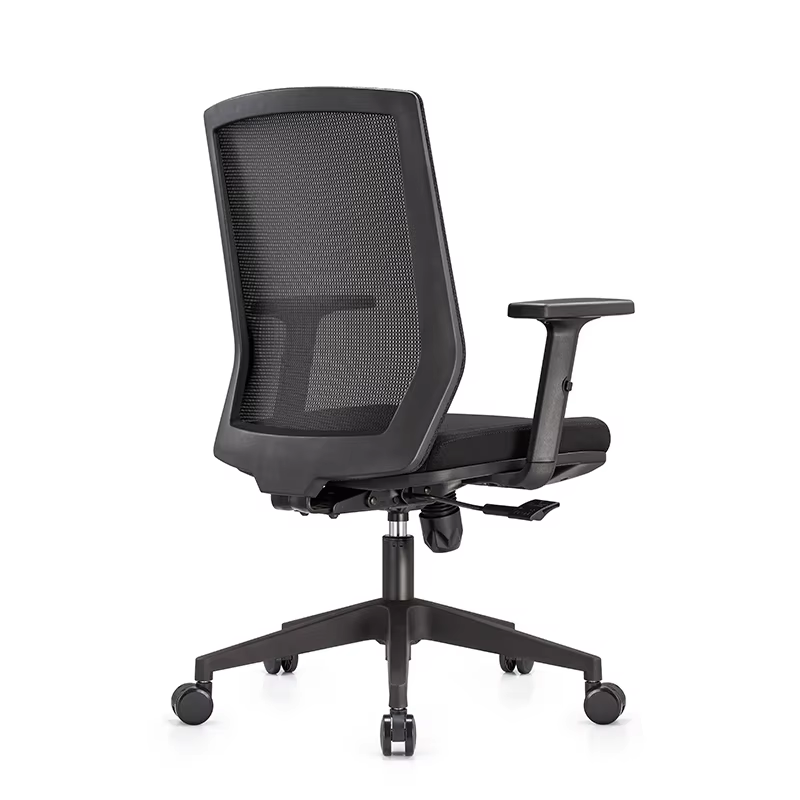
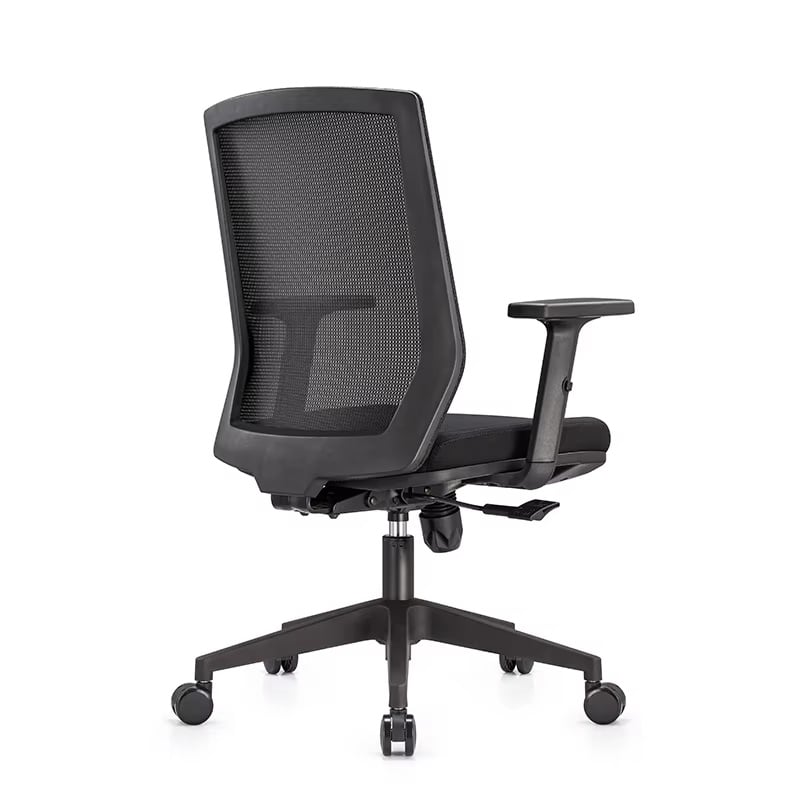
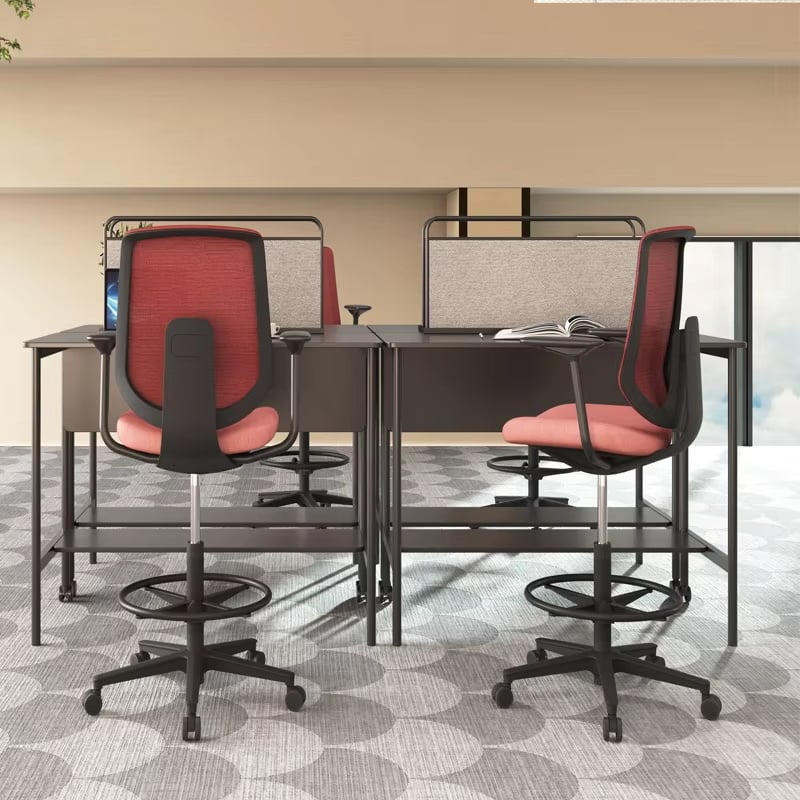
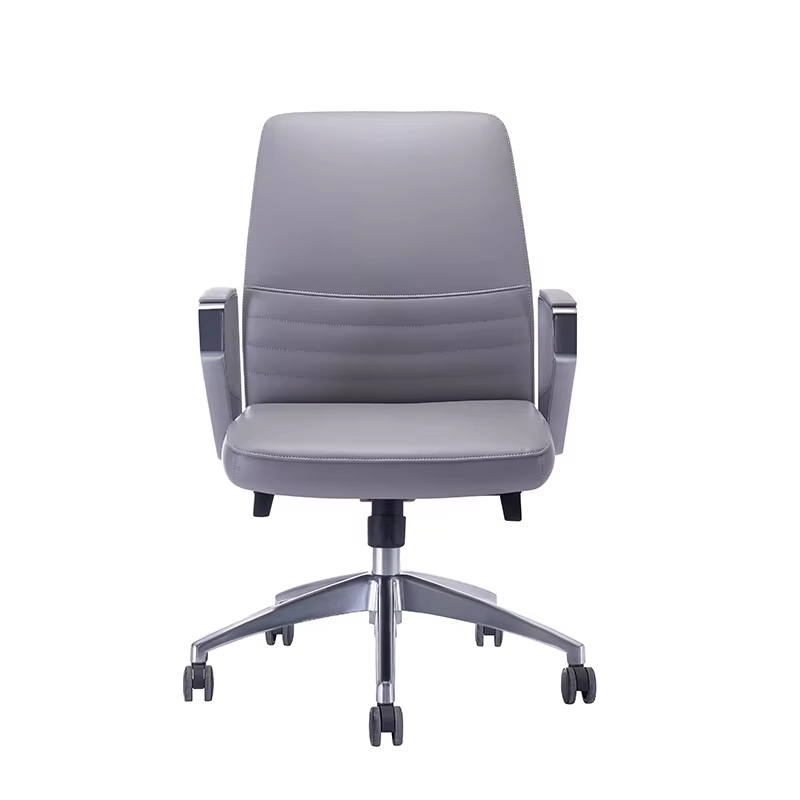
The quality of office chairs in modern workplaces directly impacts employee comfort, health, and overall productivity levels. When employees spend 6-8 hours daily seated at their desks, the choice of office furniture becomes a critical business decision that affects everything from staff retention to medical costs and work output quality.
Understanding which office chairs deliver the best combination of ergonomic support, durability, and comfort requires examining specific design features, materials, and functional capabilities that distinguish premium seating solutions from basic models. The investment in quality office chairs pays dividends through reduced workplace injuries, increased employee satisfaction, and measurable improvements in daily work performance.
Essential Features That Define the Best Office Chairs
Ergonomic Design Elements
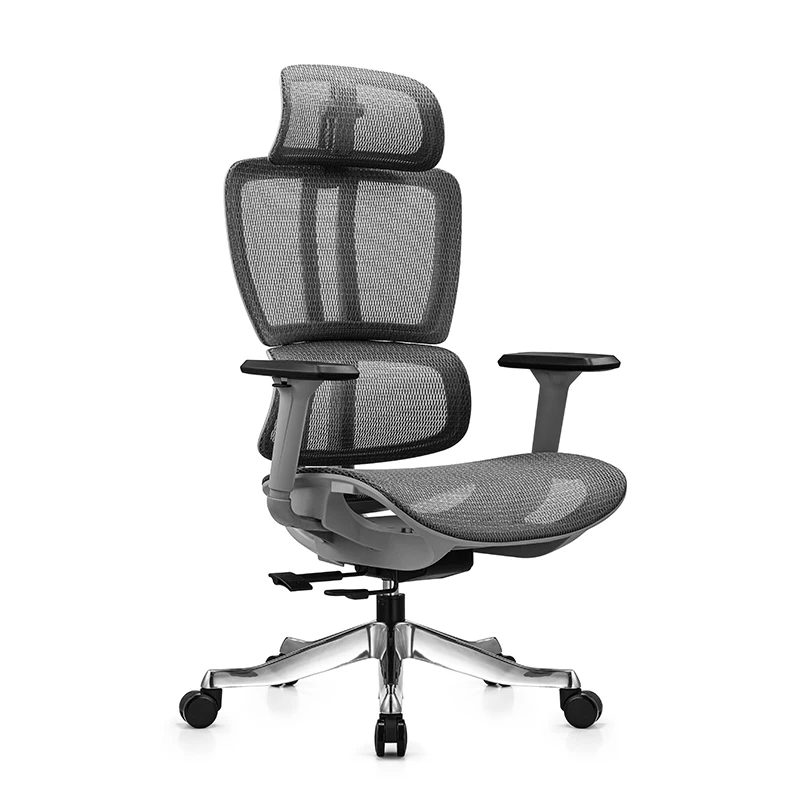
The foundation of exceptional office chairs lies in their ergonomic design, which must accommodate the natural curves and movement patterns of the human body throughout extended work sessions. Professional-grade office chairs incorporate adjustable lumbar support that maintains the spine's natural S-curve, preventing the forward slouching that leads to back pain and fatigue.
Seat depth and width measurements play crucial roles in ensuring proper circulation and comfort for users of different body types. The best office chairs feature seats that allow 2-3 inches of space between the seat edge and the back of the knees, while providing adequate hip room without creating pressure points on the thighs.
Armrest positioning and adjustability significantly impact shoulder and neck comfort during computer work. Quality office chairs offer multiple armrest adjustments including height, width, depth, and angle modifications to ensure proper elbow support while typing or using a mouse.
Material Quality and Durability Standards
Premium office chairs utilize high-grade materials that maintain their supportive properties and appearance over years of daily use. Mesh backing materials provide breathability and conforming support, while high-density foam cushions retain their shape and firmness without developing permanent indentations or sagging areas.
The frame construction of superior office chairs employs reinforced steel or aluminum components that can support users weighing up to 300 pounds without compromising stability or longevity. Quality casters and gas cylinder mechanisms ensure smooth height adjustment and rolling movement across various floor surfaces.
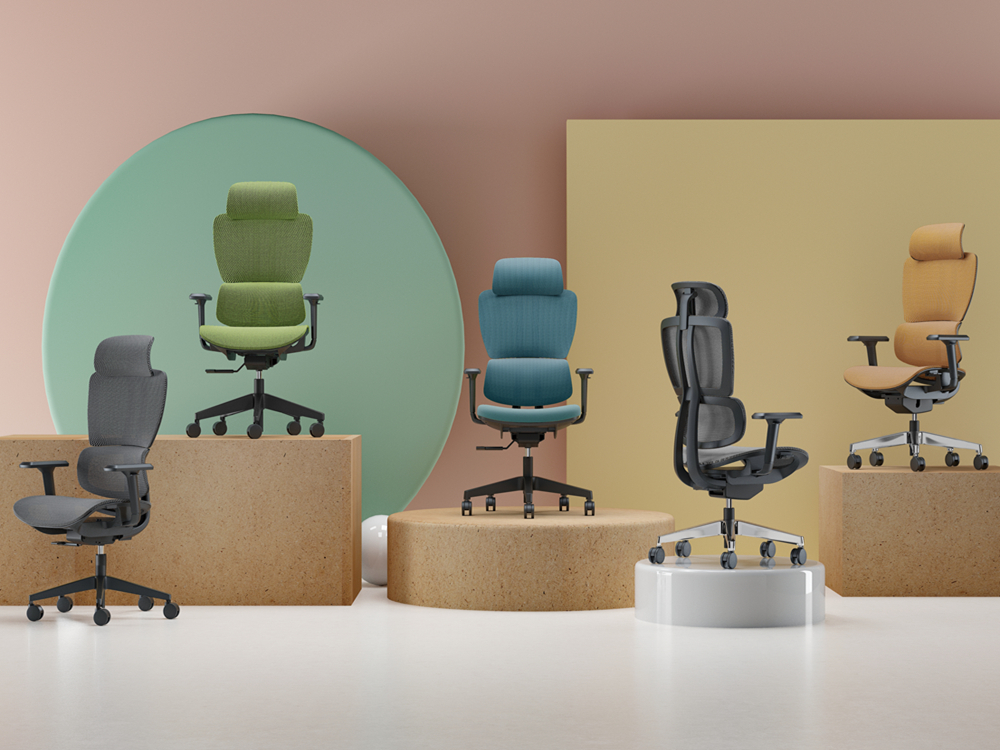
Upholstery materials range from breathable mesh and premium fabrics to leather options, each offering specific benefits for different work environments and user preferences. The best office chairs use materials that resist wear, staining, and odor retention while maintaining professional aesthetics.
Comfort Technologies That Enhance Workplace Productivity
Advanced Lumbar Support Systems
Modern office chairs incorporate sophisticated lumbar support mechanisms that adapt to individual spinal curves and sitting positions throughout the workday. These systems often feature adjustable firmness settings and positional controls that allow users to fine-tune back support based on their specific needs and comfort preferences.
Dynamic lumbar support technologies automatically adjust to user movement, maintaining consistent spinal alignment whether leaning forward for detailed work or reclining during phone calls. This continuous support prevents the muscle fatigue and discomfort that typically develop during long periods of static sitting.
Some premium office chairs feature memory foam lumbar cushions that conform to individual back contours while providing firm support where needed most. These personalized support systems reduce pressure points and distribute body weight evenly across the seat and backrest surfaces.
Seat Cushioning and Pressure Distribution
The seat cushioning in top-tier office chairs employs multi-layer foam construction or gel-infused materials that provide optimal pressure distribution while maintaining long-term resilience. These cushioning systems prevent the development of pressure points that can restrict blood circulation and cause discomfort during extended sitting periods.
Waterfall seat edges eliminate pressure on the back of the legs, promoting healthy circulation and reducing the numbness or tingling sensations that can occur with poorly designed office chairs. This feature becomes particularly important for users who remain seated for multiple hours without breaks.
Temperature regulation properties in seat materials help prevent heat buildup and moisture accumulation that can create discomfort and distraction during focused work sessions. Breathable fabrics and perforated surfaces maintain comfortable sitting conditions regardless of ambient office temperatures.
Adjustability Features That Accommodate Different Users
Height and Positioning Controls
Comprehensive height adjustment capabilities ensure that office chairs accommodate users of varying heights while maintaining proper desk and monitor positioning relationships. Quality pneumatic systems provide smooth, reliable height changes that can be easily operated without interrupting work flow or requiring excessive physical effort.
Seat tilt mechanisms allow users to adjust the forward or backward angle of the seat surface, promoting better posture and reducing strain on the lower back and hips. Some office chairs offer independent seat and backrest tilt controls for more precise positioning customization.
Armrest adjustability extends beyond simple height modification to include width, depth, and angle adjustments that accommodate different work tasks and user preferences. Office chairs with comprehensive armrest controls reduce shoulder tension and support proper typing posture throughout the workday.
Customization Options for Individual Needs
The best office chairs provide multiple customization options that allow each user to create their optimal seating configuration based on body dimensions, work habits, and comfort preferences. These personalization features include adjustable headrest positions, variable tension controls for reclining resistance, and modular components that can be modified or replaced as needed.
Tension control mechanisms enable users to adjust the effort required to recline or rock in their office chairs, accommodating different preferences for movement during work activities. This customization helps maintain engagement and alertness while preventing the stiffness associated with completely static seating positions.
Memory settings in advanced office chairs can store individual user preferences for seat height, lumbar position, and armrest configuration, making it simple to return to optimal settings after the chair has been used by others or moved for cleaning and maintenance.
Health Benefits and Productivity Improvements
Posture Support and Spinal Health
Properly designed office chairs actively promote healthy posture by maintaining the spine's natural alignment and reducing the muscular effort required to sit upright during work activities. This postural support prevents the development of chronic back problems that can result from prolonged sitting in inadequately supportive seating.
Regular use of ergonomic office chairs has been shown to reduce reports of back pain, neck strain, and shoulder tension among office workers. The long-term health benefits include decreased risk of developing musculoskeletal disorders and reduced need for medical interventions related to workplace-induced injuries.
Good posture facilitated by quality office chairs also improves breathing capacity and circulation, contributing to better oxygen delivery to the brain and enhanced cognitive function throughout the workday. These physiological improvements translate directly into better focus, decision-making capabilities, and overall work performance.
Reduced Fatigue and Increased Focus
Comfortable office chairs minimize physical discomfort and distraction, allowing employees to maintain focus on their work tasks without the interruption of adjusting positions to relieve pressure points or muscle tension. This sustained attention leads to higher quality work output and increased efficiency in task completion.
The energy savings achieved through proper support and comfort in office chairs reduces overall fatigue levels, enabling employees to maintain productivity throughout entire work shifts. Workers using ergonomic office chairs report feeling less tired at the end of the day and experiencing better recovery between work sessions.
Improved comfort and reduced physical strain contribute to better mood and job satisfaction among employees, creating a positive feedback loop that enhances workplace engagement and reduces absenteeism rates. Quality office chairs become an investment in human capital that pays returns through improved employee retention and performance.
Selection Criteria for Different Work Environments
Task-Specific Chair Requirements
Different work activities and office environments require specific features and capabilities in office chairs to optimize comfort and productivity. Administrative work involving primarily computer tasks benefits from office chairs with strong lumbar support, adjustable armrests, and stable bases that accommodate frequent position changes throughout the day.
Creative professionals who alternate between computer work and drawing or design activities need office chairs with flexible positioning options, including swivel capabilities and easy height adjustment to accommodate different work surfaces and tools. The chair design should facilitate smooth transitions between various work postures without compromising support.
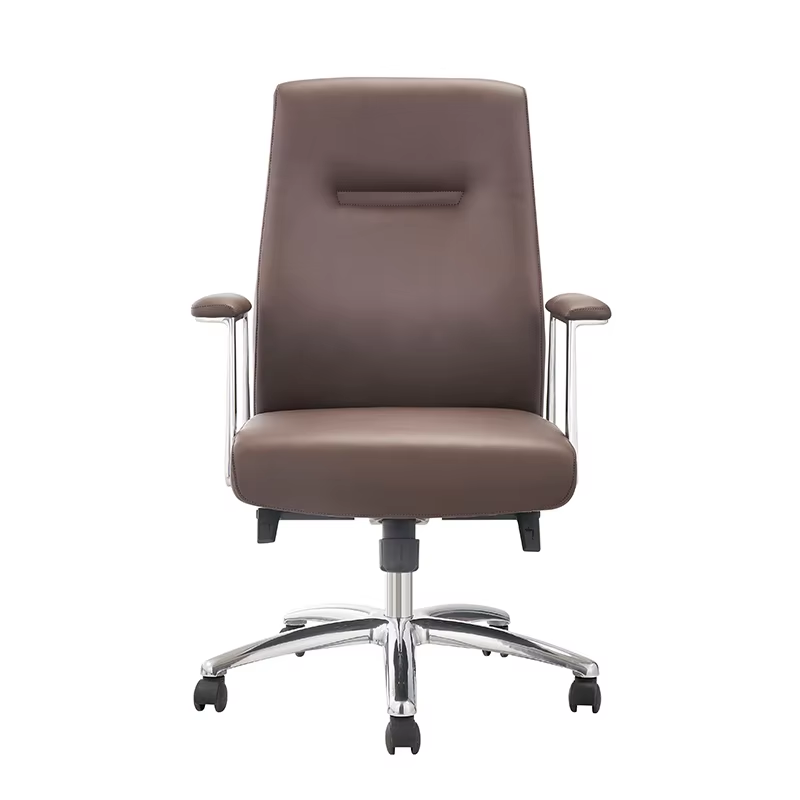
Executive and management roles often require office chairs that balance professional appearance with comprehensive comfort features, as these positions typically involve longer sitting periods during meetings, calls, and strategic planning sessions. The aesthetic design becomes important alongside functional performance in these applications.
Budget Considerations and Value Assessment
Investment in quality office chairs should be evaluated based on total cost of ownership, including initial purchase price, expected lifespan, maintenance requirements, and productivity benefits over time. Higher-quality office chairs typically offer better warranties, replacement part availability, and longer service life that can justify increased upfront costs.
The cost per user-hour of quality office chairs often proves more economical than cheaper alternatives when calculated over typical usage periods of 5-10 years. Premium office chairs maintain their supportive properties and appearance longer, reducing replacement frequency and associated disruption to workplace operations.
Bulk purchasing considerations for office chairs include standardization benefits, volume discounting opportunities, and simplified maintenance protocols when multiple units share common components and adjustment mechanisms. These factors can influence the overall value proposition beyond individual chair performance characteristics.
FAQ
How long should quality office chairs last with regular daily use?
Premium office chairs designed for commercial use typically last 7-12 years with normal daily use of 8 hours, depending on the quality of materials and construction. High-end models with reinforced components and replaceable parts can extend this lifespan even further with proper maintenance and occasional part replacement as needed.
What weight capacity should I look for in office chairs for different users?
Most quality office chairs are rated for 250-300 pounds, which accommodates the majority of users comfortably. For heavier users or shared workspace situations, choosing office chairs with 350-400 pound capacity ratings provides additional safety margin and ensures optimal performance regardless of user size variations.
Do expensive office chairs really improve productivity compared to basic models?
Studies consistently show that ergonomic office chairs reduce discomfort-related distractions, decrease sick days related to back problems, and improve focus duration during work tasks. The productivity improvements, combined with reduced healthcare costs and employee turnover, typically justify the investment in quality office chairs within 1-2 years of use.
How often should office chairs be professionally serviced or maintained?
Office chairs benefit from professional inspection and maintenance every 2-3 years to ensure optimal performance and safety. This service typically includes checking pneumatic systems, tightening connections, lubricating moving parts, and replacing worn components before they affect chair function or user comfort.


