
 EN
EN
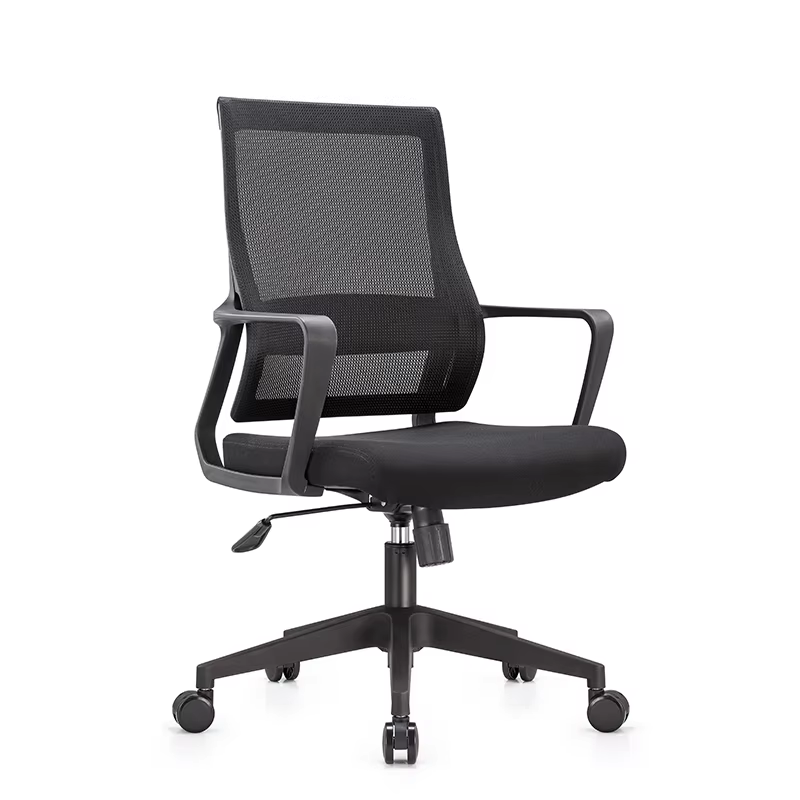
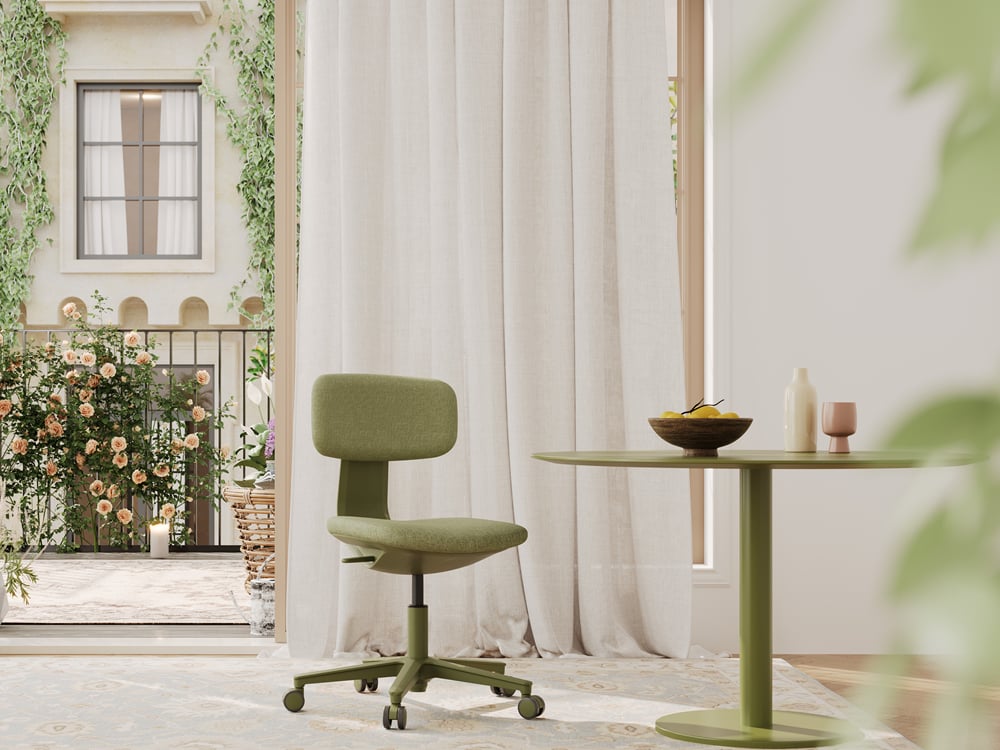
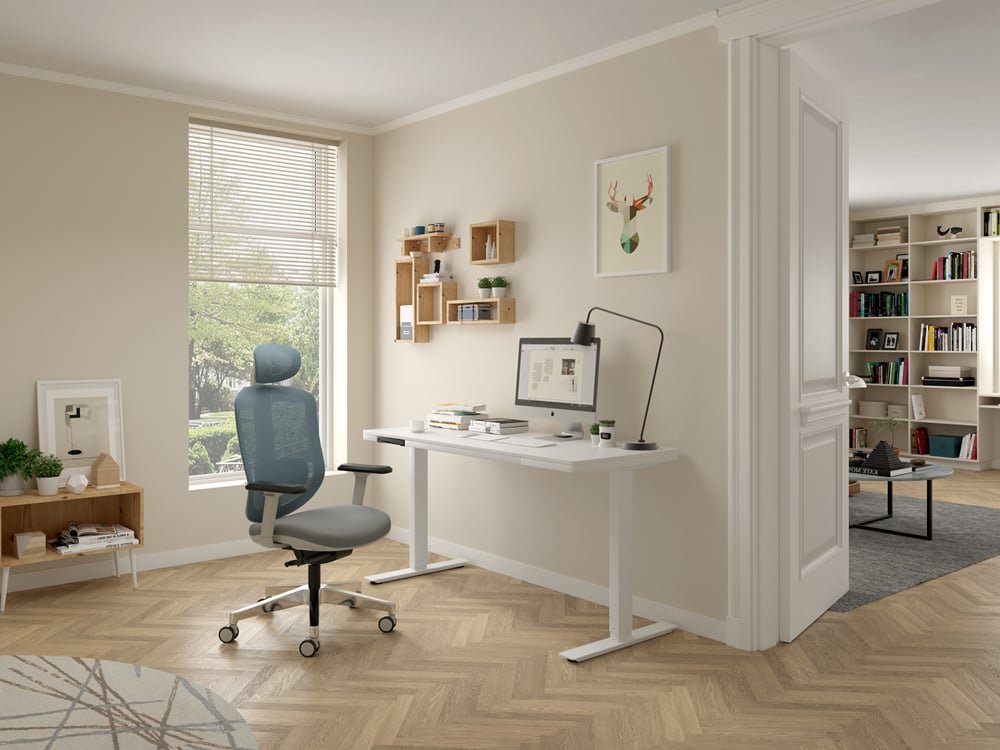
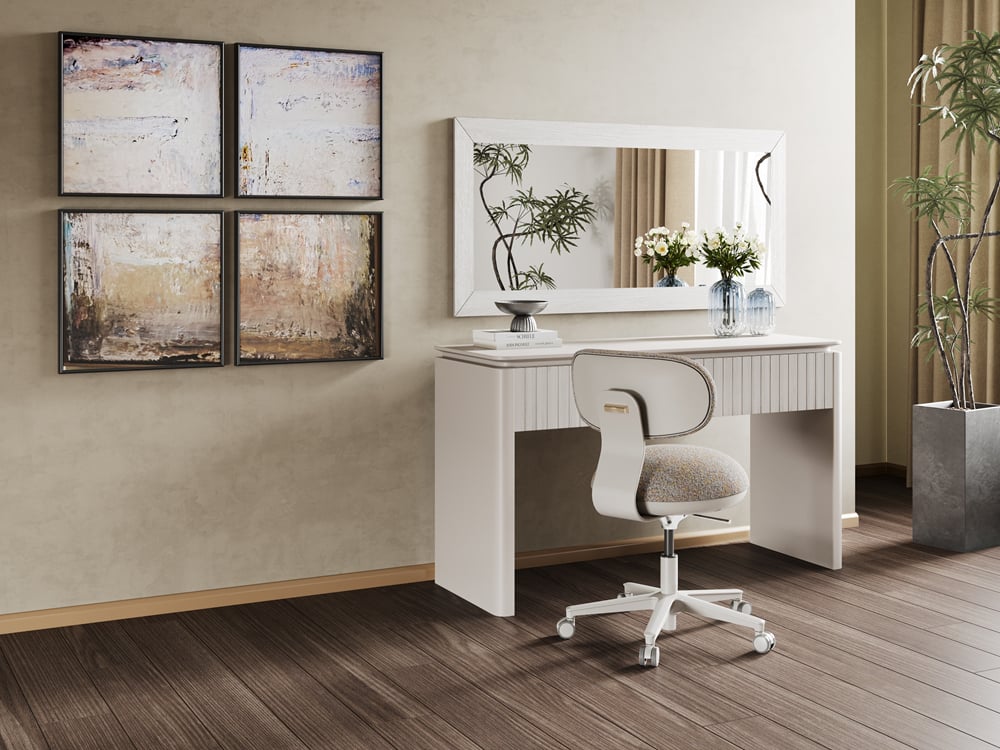
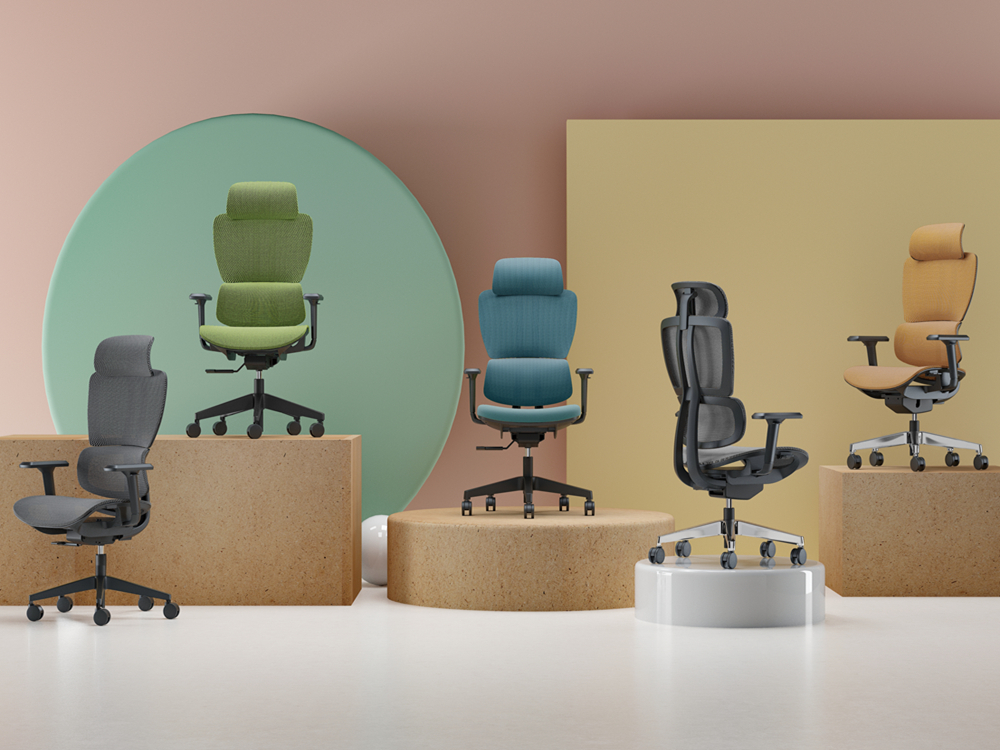
The modern workplace demands furniture solutions that prioritize both comfort and functionality, making the mesh office chair an increasingly popular choice among professionals and office managers. These innovative seating solutions have transformed how we think about workplace ergonomics by offering superior breathability, enhanced comfort, and long-term durability that traditional upholstered chairs simply cannot match.
Unlike conventional office seating that relies on thick padding and fabric upholstery, the mesh office chair utilizes advanced breathable materials that allow continuous air circulation throughout extended work sessions. This fundamental design difference addresses one of the most common complaints about traditional office furniture: the accumulation of heat and moisture that leads to discomfort during long working hours.
The popularity of mesh office chairs has surged dramatically over the past decade as more companies recognize the importance of employee comfort in maintaining productivity and reducing workplace-related health issues. These chairs represent a perfect intersection of modern technology, ergonomic science, and aesthetic appeal that meets the demands of contemporary office environments.
Superior Breathability Technology
Advanced Mesh Material Construction
The core advantage of any quality mesh office chair lies in its sophisticated material construction that promotes exceptional air circulation. High-grade mesh fabrics are engineered with precise weave patterns that create microscopic channels allowing heat and moisture to dissipate naturally, preventing the uncomfortable buildup that occurs with solid upholstery materials.
Modern mesh technologies incorporate various fiber compositions, including elastomeric polymers and high-tensile synthetic materials that maintain structural integrity while maximizing breathability. These materials undergo rigorous testing to ensure they can withstand thousands of hours of use without losing their ventilation properties or developing unsightly stretching or sagging.
The mesh construction also eliminates the need for thick foam padding that can compress over time, creating uneven surfaces and pressure points. Instead, the flexible mesh material conforms naturally to body contours while maintaining consistent support across the entire seating surface.
Temperature Regulation Benefits
Temperature regulation represents one of the most significant advantages of choosing a mesh office chair over traditional alternatives. The continuous airflow provided by mesh materials helps maintain a comfortable microclimate around the user's body, preventing the temperature spikes that commonly occur with non-breathable seating surfaces.
Research conducted by ergonomic specialists indicates that proper temperature regulation can improve concentration levels by up to 15% during extended work sessions. The mesh office chair facilitates this optimal thermal environment by allowing body heat to dissipate naturally rather than being trapped against the skin through contact with solid upholstery materials.
This temperature management capability becomes particularly valuable in warmer climates or office environments where air conditioning may be limited. Users consistently report feeling fresher and more alert throughout their workday when using breathable mesh seating compared to traditional padded alternatives.
Ergonomic Comfort Features
Dynamic Support Systems
The ergonomic benefits of a well-designed mesh office chair extend far beyond simple breathability to encompass comprehensive support systems that adapt to individual body movements. The inherent flexibility of mesh materials allows the chair to provide dynamic support that responds to changes in posture throughout the workday.
Quality mesh office chairs incorporate multiple adjustment mechanisms that work in harmony with the flexible mesh construction. These may include lumbar support systems, seat height adjustment, tilt mechanisms, and armrest positioning controls that allow users to customize their seating experience to match their specific physical requirements and work tasks.
The responsive nature of mesh materials means that support is distributed evenly across contact surfaces, reducing pressure points that can lead to discomfort or circulation issues during prolonged sitting periods. This dynamic adaptation helps maintain proper spinal alignment while accommodating natural body movements and position changes.
Pressure Point Relief
Traditional office chairs with firm padding can create concentrated pressure points that restrict blood circulation and cause discomfort over time. The mesh office chair design effectively eliminates these issues by distributing body weight across a larger surface area through its flexible construction.
The mesh material's ability to flex and conform reduces the likelihood of developing pressure sores or circulation problems that can occur with rigid seating surfaces. This benefit is particularly important for individuals who spend eight or more hours daily at their desk, as proper circulation support helps maintain energy levels and reduces fatigue.
Medical professionals frequently recommend mesh seating for patients with circulation concerns or those recovering from back injuries, as the even weight distribution and breathable design promote healing while maintaining necessary support for productive work activities.

Durability and Maintenance Advantages
Long-Term Performance
The construction methods used in quality mesh office chairs often result in superior longevity compared to traditional upholstered alternatives. High-grade mesh materials are engineered to resist stretching, tearing, and degradation even under continuous daily use, making them an excellent investment for both individual users and organizational procurement departments.
Unlike foam padding that can compress and lose its supportive properties over time, mesh materials maintain their structural integrity and support characteristics throughout their operational lifespan. This consistency ensures that users continue to receive optimal ergonomic benefits without experiencing the gradual deterioration in comfort that often occurs with conventional office seating.
The frame construction of mesh office chairs typically incorporates robust materials such as aluminum or high-strength steel that complement the durable mesh components. This combination creates seating solutions that can reliably serve users for many years while maintaining their original performance characteristics.
Easy Cleaning and Hygiene
Maintenance requirements for a mesh office chair are significantly reduced compared to fabric or leather alternatives, making them ideal for busy office environments where cleaning time is limited. The open weave structure of mesh materials allows for easy cleaning with standard vacuum equipment or simple wipe-down procedures using appropriate cleaning solutions.
The breathable nature of mesh construction also helps prevent the accumulation of odors and moisture that can become problematic with solid upholstery materials. This natural resistance to odor retention makes mesh office chairs particularly suitable for shared workspaces or hot-desking environments where multiple users may utilize the same seating throughout different shifts.
Spill resistance is another practical advantage, as liquids are less likely to be absorbed into mesh materials compared to fabric upholstery. Quick cleanup of accidental spills helps maintain a professional appearance while preventing staining or damage that might require costly repairs or replacement.
Design Versatility and Aesthetics
Modern Office Integration
Contemporary office design trends increasingly favor clean lines, open spaces, and modern materials that create professional yet comfortable work environments. The mesh office chair perfectly complements these design philosophies by offering a sophisticated appearance that doesn't compromise on functionality or comfort requirements.
The transparent or semi-transparent nature of mesh materials helps maintain visual openness in office spaces, preventing the visual bulk that can occur with heavily padded traditional seating. This characteristic makes mesh office chairs particularly suitable for modern open-plan offices where maintaining sight lines and spatial flow are important design considerations.
Color options and design variations in mesh office chairs have expanded significantly to accommodate diverse aesthetic preferences and corporate branding requirements. From subtle neutral tones to bold accent colors, these chairs can be selected to enhance rather than detract from carefully planned office design schemes.
Space Efficiency
The streamlined profile typical of most mesh office chairs contributes to more efficient use of office space compared to bulkier traditional alternatives. The reduced visual mass and often more compact footprint allow for better space utilization in areas where maximizing workstation capacity is important.
Storage and stacking capabilities are often enhanced in mesh office chair designs, with many models featuring stackable construction or compact folding mechanisms that facilitate easy reconfiguration of meeting spaces or temporary work areas. This flexibility proves valuable in dynamic office environments that require frequent layout changes.
The lighter weight of many mesh office chairs also simplifies relocation and rearrangement tasks, reducing the physical strain on employees or facilities staff when office layouts need to be modified or when chairs require relocation for cleaning or maintenance purposes.
Health and Wellness Benefits
Improved Circulation Support
Medical research consistently demonstrates the importance of proper circulation support during prolonged sitting periods, and the mesh office chair design addresses these concerns through its pressure-distributing properties and breathable construction. The flexible mesh surface helps prevent the circulation restriction that can occur with firm, unyielding seating surfaces.
The edge design of quality mesh office chairs often incorporates waterfall front edges that reduce pressure on the back of the legs, further promoting healthy circulation in the lower extremities. This design consideration helps prevent the numbness and discomfort that can develop during extended work sessions.
Occupational health specialists frequently recommend breathable seating solutions like mesh office chairs for employees who experience circulation issues or who have medical conditions that are exacerbated by poor seating design. The combination of pressure relief and temperature regulation can significantly improve comfort levels for these individuals.
Posture Enhancement
Proper posture maintenance becomes more achievable with a well-designed mesh office chair that provides responsive support without creating rigid constraints on natural body movement. The flexibility inherent in mesh construction allows for subtle postural adjustments throughout the workday while maintaining necessary lumbar and spinal support.
The breathable properties of mesh office chairs can indirectly contribute to better posture by reducing the fidgeting and position shifting that often occurs when users become uncomfortable due to heat buildup or pressure points. When thermal comfort is maintained, users are more likely to maintain proper positioning for extended periods.
Many mesh office chairs incorporate advanced ergonomic features such as adjustable lumbar support, synchronized tilt mechanisms, and customizable armrest positioning that work together with the breathable mesh construction to promote optimal spinal alignment and reduce the risk of developing musculoskeletal problems associated with poor seating.
Cost-Effectiveness and Value
Initial Investment Considerations
While the initial purchase price of a quality mesh office chair may be higher than basic alternatives, the long-term value proposition often justifies this investment through reduced replacement costs, lower maintenance requirements, and improved user satisfaction. The durability characteristics of mesh construction typically result in longer service life compared to chairs with foam padding that degrades over time.
Corporate purchasing decisions increasingly factor in total cost of ownership rather than simply initial acquisition cost, and mesh office chairs often demonstrate superior value when evaluated over their complete operational lifespan. The reduced need for repairs, reupholstering, or replacement can result in significant savings over time.
Employee productivity benefits associated with improved comfort and reduced fatigue can also contribute to the overall value equation, though these benefits may be more difficult to quantify directly. Organizations that prioritize employee wellness often find that investing in quality seating like mesh office chairs supports broader workplace satisfaction and retention goals.
Return on Investment
The return on investment for mesh office chairs extends beyond simple durability considerations to encompass factors such as reduced sick leave usage, improved employee satisfaction scores, and enhanced corporate image. Companies that provide comfortable, modern workspace furniture often experience benefits in recruitment and retention efforts.
Energy cost considerations may also factor into the value equation in some office environments, as the improved thermal comfort provided by breathable mesh office chairs can reduce individual demands for personal heating or cooling devices that consume additional electrical power.
The professional appearance and modern design of quality mesh office chairs contribute to positive impressions among clients and visitors, supporting corporate branding efforts and professional image maintenance in customer-facing environments.
FAQ
How long do mesh office chairs typically last compared to traditional chairs
Quality mesh office chairs often provide 8-12 years of reliable service under normal office conditions, which is typically 2-3 years longer than traditional padded chairs. The mesh material resists compression and degradation better than foam padding, while the breathable construction prevents moisture-related deterioration that can affect conventional upholstery materials.
Can mesh office chairs provide adequate lumbar support for people with back problems
Modern mesh office chairs can provide excellent lumbar support through adjustable back panels and ergonomic contouring designed specifically for spinal health. Many models feature adjustable lumbar support mechanisms that can be customized to individual needs, and the flexible mesh construction adapts to natural spinal curves while maintaining necessary support structure.
Are mesh office chairs suitable for heavier users or do they have weight limitations
High-quality mesh office chairs are available with weight capacities ranging from standard 250-300 pounds up to heavy-duty models supporting 400 pounds or more. The mesh material itself is typically very strong, and weight capacity is usually determined by the frame construction and mechanical components rather than the mesh surface itself.
Do mesh office chairs require special cleaning products or maintenance procedures
Mesh office chairs require minimal maintenance and can typically be cleaned with standard office cleaning supplies including vacuum cleaners and mild detergent solutions. The breathable construction prevents odor retention and moisture accumulation, while the open weave structure allows for easy removal of dust and debris without specialized cleaning equipment or techniques.


