
 EN
EN
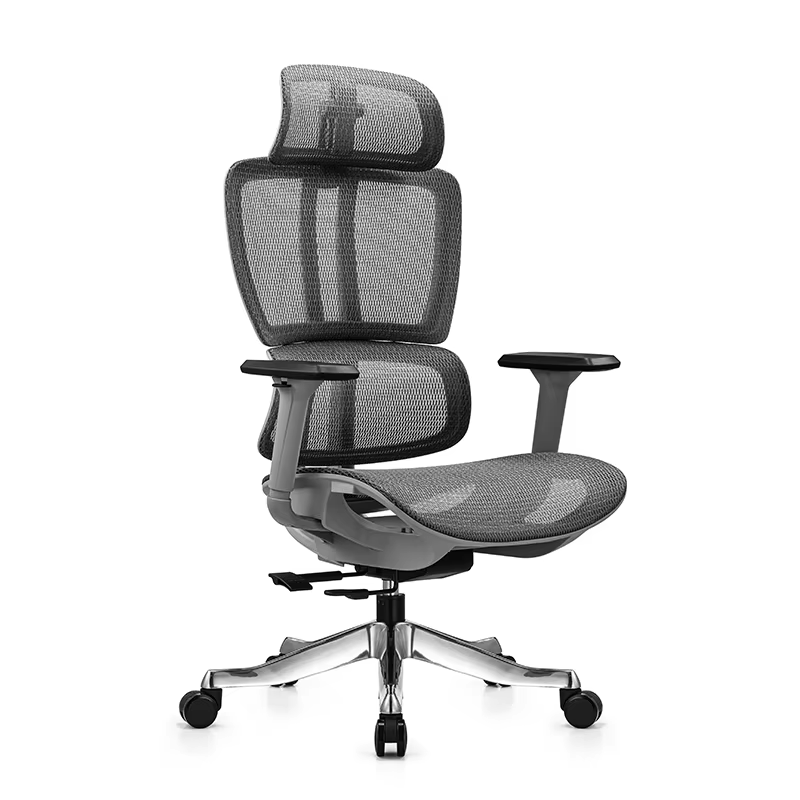
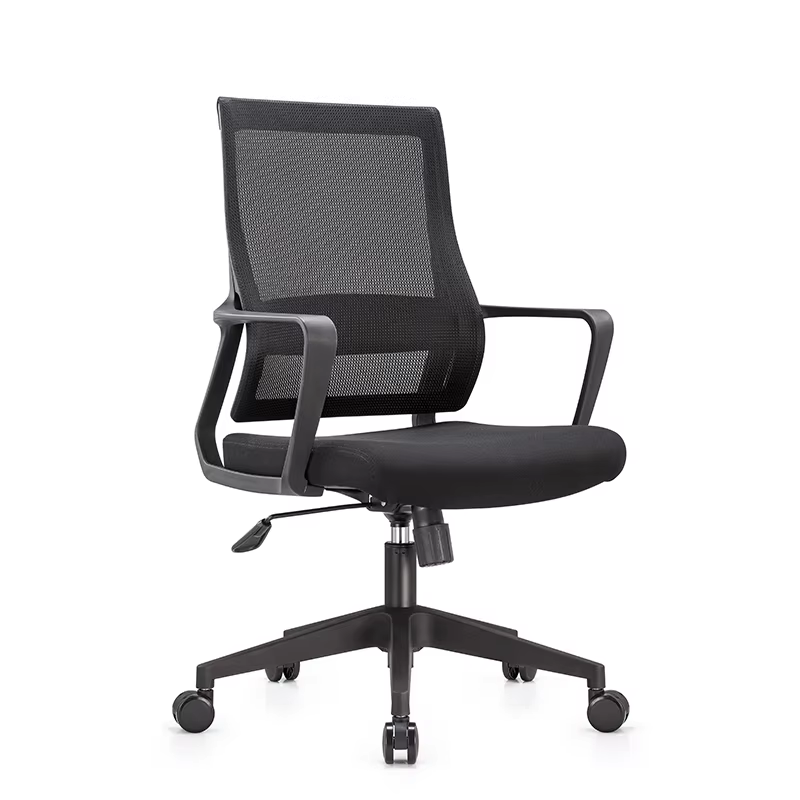
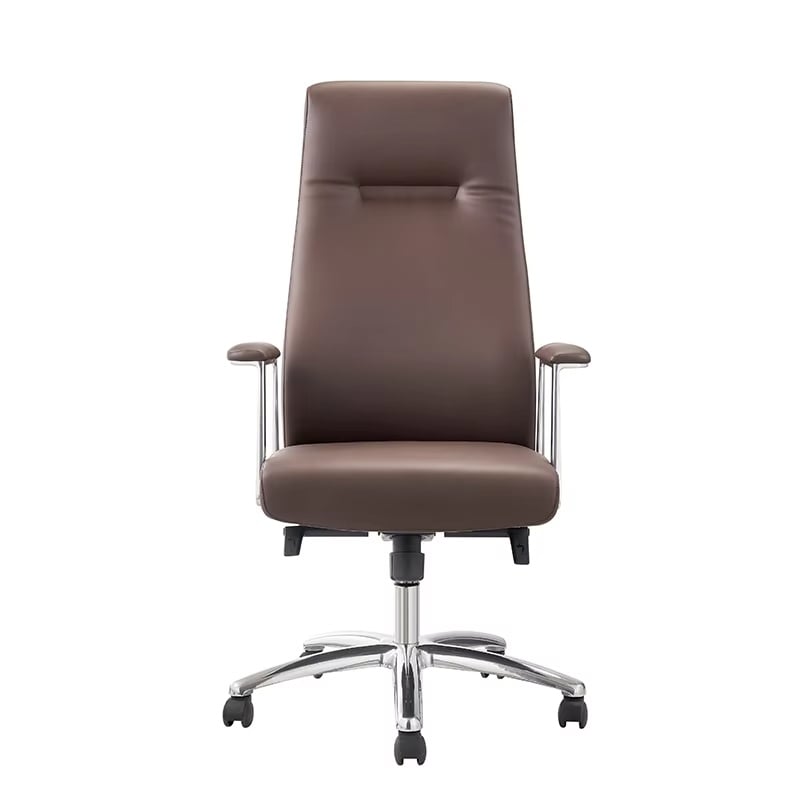
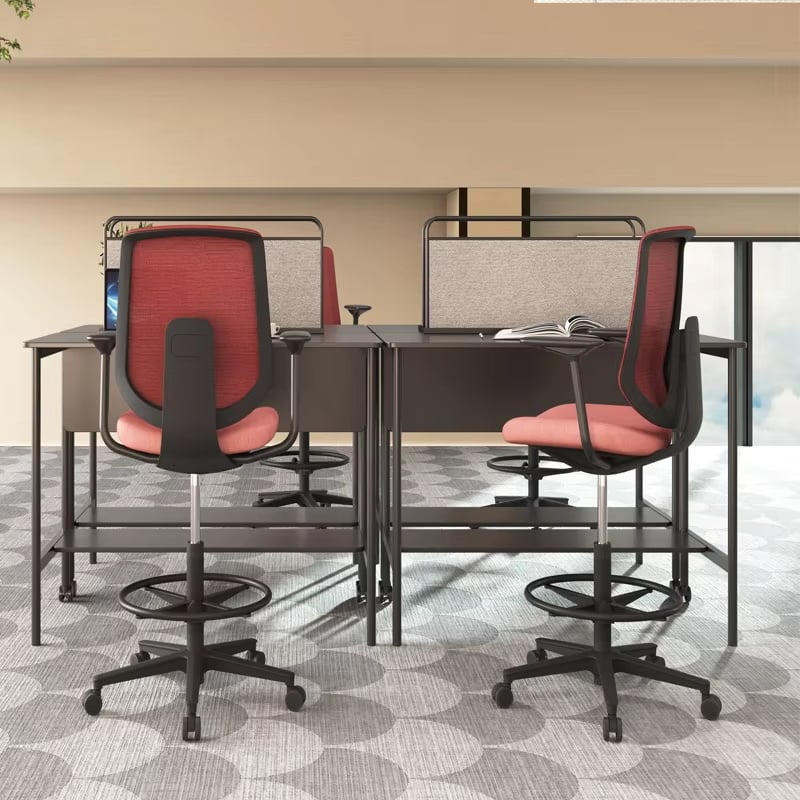
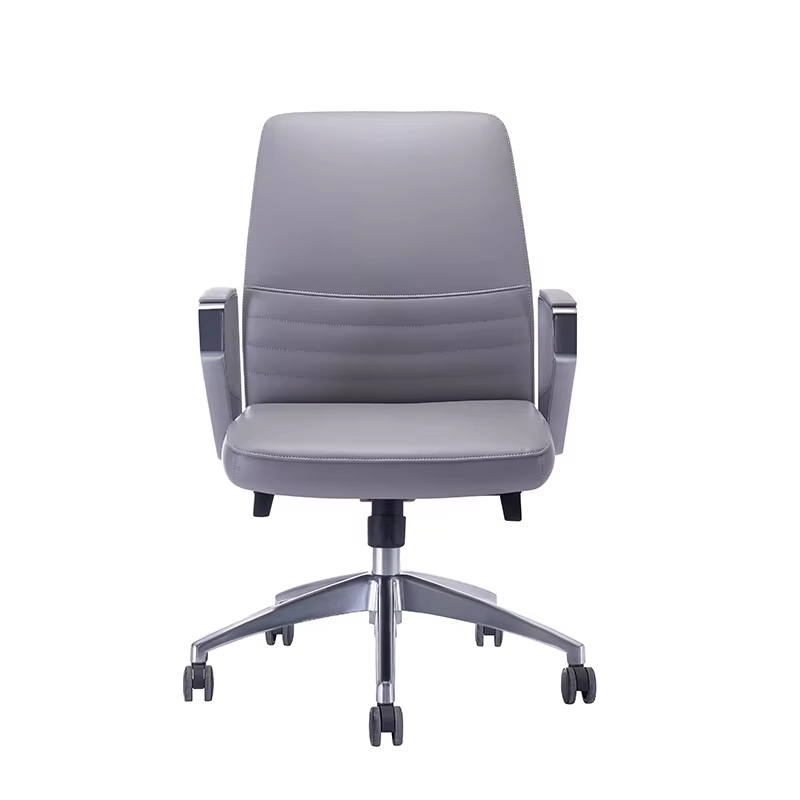
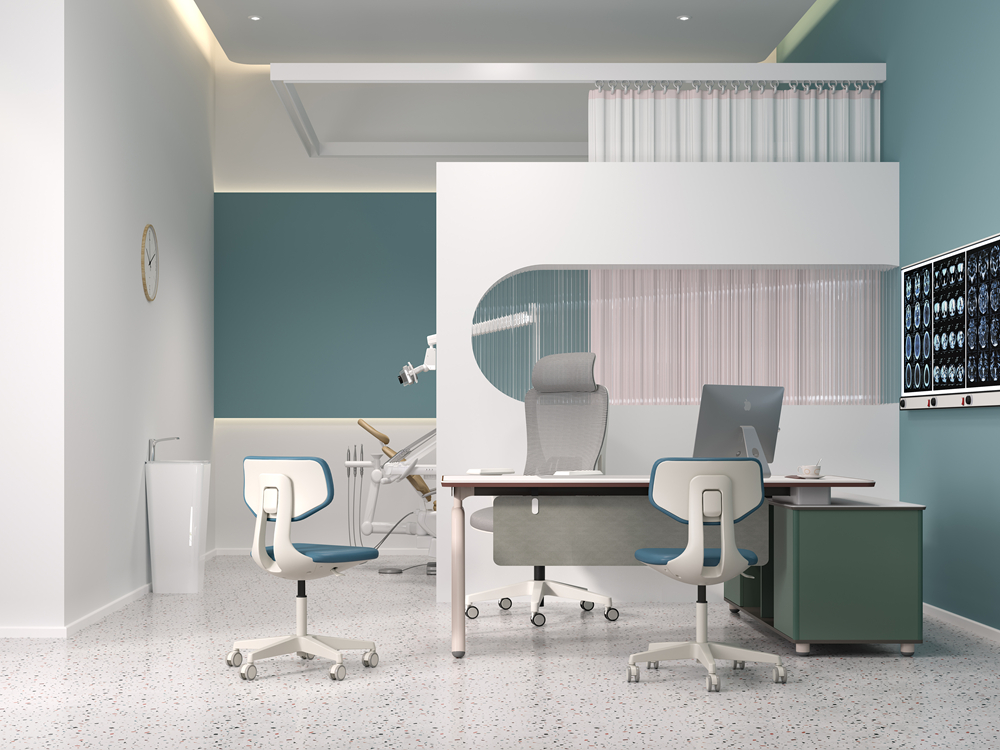
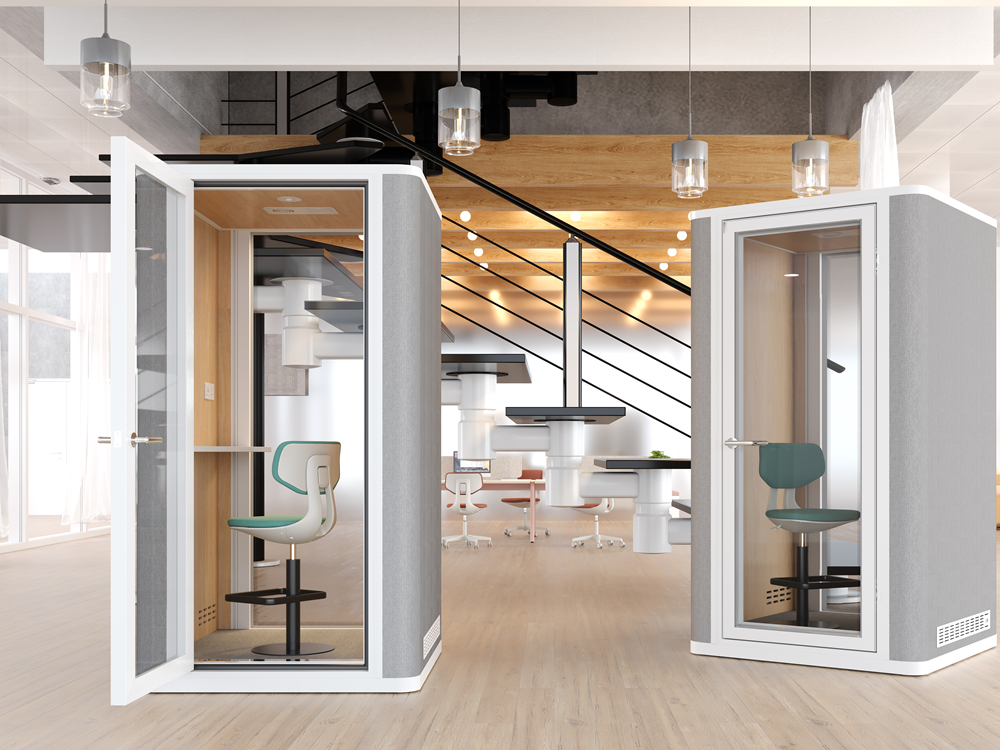
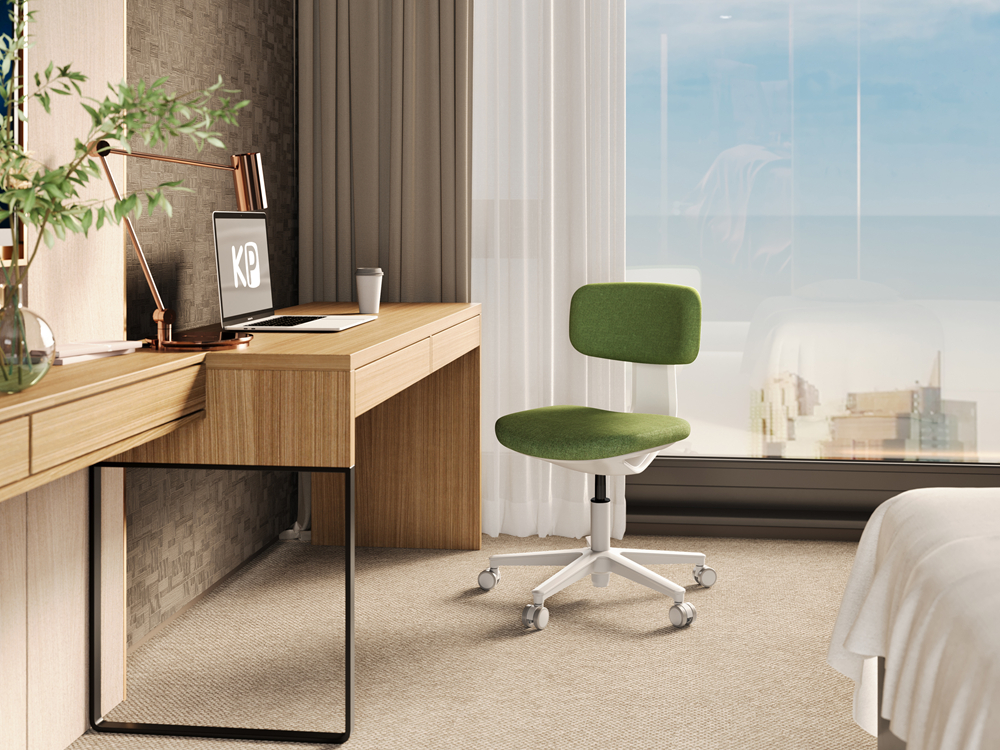
When organizations plan large-scale office furniture acquisitions, selecting the right modern office chairs becomes a critical decision that impacts employee productivity, comfort, and long-term operational costs. Corporate buyers must navigate numerous considerations ranging from ergonomic specifications to budget constraints while ensuring their investment delivers measurable returns. The procurement process for bulk office seating requires strategic planning, thorough vendor evaluation, and careful attention to both immediate needs and future workplace requirements.
Understanding the complexities of bulk furniture purchasing helps organizations make informed decisions that support employee wellbeing while maximizing budget efficiency. This comprehensive guide examines essential factors that influence successful modern office chairs procurement, from ergonomic requirements to warranty considerations. Smart buyers recognize that thoughtful planning during the selection phase prevents costly mistakes and ensures long-term satisfaction with their investment.
Ergonomic Requirements and Health Considerations
Essential Ergonomic Features
Ergonomic design stands as the foundation of quality modern office chairs, directly influencing employee health and productivity levels. Proper lumbar support maintains natural spine curvature, reducing the risk of back pain and musculoskeletal disorders that plague office workers. Adjustable seat height accommodates users of varying statures, ensuring feet rest flat on the floor while thighs remain parallel to the ground. Armrest positioning affects shoulder and neck tension, making adjustability crucial for preventing upper body strain during extended work sessions.
Seat depth and width dimensions accommodate different body types while providing adequate support without restricting circulation behind the knees. Quality foam density and breathable materials enhance comfort during long sitting periods while maintaining structural integrity over time. The synchro-tilt mechanism allows coordinated backrest and seat movement, promoting natural posture changes that reduce static loading on the spine.
Impact on Employee Wellness Programs
Organizations increasingly recognize that ergonomic seating investments directly correlate with reduced healthcare costs and improved employee satisfaction scores. Properly designed modern office chairs minimize repetitive strain injuries and support corporate wellness initiatives by addressing preventable workplace hazards. Studies indicate that ergonomic interventions, including quality seating, can reduce work-related injuries by up to 40% while improving overall job satisfaction ratings.
Employee retention benefits emerge when workers experience comfortable, supportive work environments that demonstrate organizational commitment to their wellbeing. Reduced absenteeism and increased productivity often offset initial equipment costs, making ergonomic chair investments financially advantageous over time. Companies that prioritize employee comfort through quality seating often see measurable improvements in engagement surveys and performance metrics.
Budget Planning and Cost Analysis
Total Cost of Ownership Calculations
Successful bulk purchasing requires comprehensive cost analysis extending beyond initial purchase prices to include delivery, assembly, and long-term maintenance expenses. Transportation costs for large quantities can significantly impact overall project budgets, especially when dealing with multiple delivery locations or complex installation requirements. Assembly services, while adding upfront costs, often prove economical when considering internal resource allocation and ensuring proper chair setup from the beginning.
Warranty coverage and replacement part availability influence long-term ownership costs, making it essential to evaluate manufacturer support policies before finalizing purchases. Energy costs associated with pneumatic systems and mechanical components remain minimal but should factor into sustainability calculations for environmentally conscious organizations. Extended warranty options may provide additional protection for high-traffic environments where chair usage exceeds typical office standards.
Quantity Discounts and Negotiation Strategies
Bulk purchasing power enables significant cost savings through volume discounts, but buyers must understand pricing structures to maximize these benefits. Tiered pricing models often provide substantial savings at specific quantity thresholds, making it advantageous to coordinate purchases across multiple departments or locations. Payment terms negotiation can improve cash flow management while securing favorable pricing, especially for large orders that represent significant vendor revenue opportunities.
Seasonal purchasing patterns affect pricing and availability, with end-of-year budget cycles creating both opportunities and competition among buyers. Establishing relationships with multiple suppliers provides negotiation leverage while ensuring backup options if primary vendors encounter supply chain disruptions. Long-term procurement agreements can lock in favorable pricing for organizations with predictable growth patterns and ongoing furniture needs.

Quality Assessment and Durability Standards
Material Quality and Construction Methods
High-quality modern office chairs utilize premium materials and construction techniques that ensure longevity under demanding commercial use conditions. Frame construction methods, whether steel or aluminum, determine structural integrity and weight capacity ratings that must accommodate diverse user populations. Upholstery materials require careful selection based on durability, cleanability, and aesthetic requirements that align with corporate brand standards and maintenance capabilities.
Mechanism quality affects daily user experience and long-term reliability, with premium manufacturers offering superior engineering and tighter tolerances in moving parts. Caster selection impacts floor protection and mobility characteristics, requiring consideration of flooring types and workspace configurations. Gas cylinder specifications determine lift capacity and adjustment smoothness, with higher-grade cylinders providing better performance and longer service life.
Testing Standards and Certifications
Industry testing standards provide objective measures of chair performance and durability, helping buyers compare options across different manufacturers and price points. ANSI/BIFMA standards establish minimum performance requirements for commercial seating, covering structural integrity, durability, and safety considerations. Greenguard certification indicates low chemical emissions, supporting indoor air quality goals and sustainability initiatives within corporate facilities.
Weight capacity ratings must accommodate the full range of potential users while providing appropriate safety margins for commercial applications. Cycle testing results demonstrate how chairs perform under simulated long-term use, providing insights into expected service life and replacement timing. Third-party testing verification adds credibility to manufacturer claims and helps procurement teams make evidence-based decisions.
Vendor Selection and Supply Chain Management
Supplier Evaluation Criteria
Vendor selection significantly impacts project success, requiring evaluation of manufacturing capabilities, financial stability, and customer service quality. Production capacity assessment ensures suppliers can meet delivery timelines without compromising quality standards or overwhelming their manufacturing systems. Geographic distribution networks affect shipping costs and delivery flexibility, particularly important for organizations with multiple locations requiring coordinated installations.
Customer references provide valuable insights into vendor performance under similar bulk purchasing scenarios, revealing potential issues before they impact your project. Financial stability evaluation protects against supply disruptions that could leave projects incomplete or compromise warranty support. Technical support capabilities become crucial during installation phases and throughout the chair lifecycle, making vendor expertise evaluation essential.
Supply Chain Risk Management
Global supply chain vulnerabilities require contingency planning to address potential disruptions that could delay project completion or increase costs unexpectedly. Material sourcing diversity within vendor operations provides some protection against component shortages that have become increasingly common in recent years. Alternative supplier identification creates backup options when primary vendors encounter production challenges or capacity limitations.
Lead time fluctuations affect project scheduling and may require buffer periods to accommodate unexpected delays in manufacturing or shipping processes. Inventory management strategies help balance storage costs against supply security, particularly relevant for phased installations or future expansion plans. Communication protocols with suppliers ensure proactive notification of potential issues and enable collaborative problem-solving approaches.
Installation and Project Management
Logistics Coordination
Successful modern office chairs installation requires detailed logistics planning to minimize workplace disruption while ensuring efficient deployment across designated areas. Delivery scheduling must accommodate building access restrictions, elevator capacity limitations, and normal business operations that cannot be interrupted during installation periods. Staging areas need adequate space for temporary storage and assembly activities without interfering with daily workflow patterns.
Installation sequencing affects employee productivity and may require phased approaches that allow departments to maintain operational continuity throughout the transition process. Packaging disposal arrangements must address environmental responsibilities while maintaining clean, professional appearance during and after installation completion. Communication plans keep stakeholders informed about progress and potential temporary inconveniences associated with large-scale furniture deployment.
Quality Control and Acceptance Testing
Systematic inspection procedures ensure each chair meets specifications and quality standards before acceptance, preventing issues that could require costly returns or replacements later. Assembly verification confirms proper installation of all components and adjustability features, ensuring employees receive fully functional equipment from day one. Damage assessment identifies shipping-related issues that require immediate resolution while vendors and carriers remain accountable for replacement costs.
User orientation programs help employees understand chair features and proper adjustment procedures, maximizing ergonomic benefits and extending equipment lifespan through proper usage. Documentation requirements include warranty registration, maintenance schedules, and contact information for future service needs. Final acceptance protocols establish clear criteria for project completion and transition to ongoing maintenance responsibilities.
FAQ
How long should quality modern office chairs last in commercial environments?
Quality modern office chairs typically provide 7-12 years of reliable service in standard commercial environments with proper maintenance and normal usage patterns. High-traffic areas or 24-hour operations may experience shorter lifespans due to accelerated wear, while executive environments with lighter usage often exceed expected service life. Regular maintenance, proper user education, and prompt attention to minor issues can significantly extend chair longevity and maximize return on investment.
What quantity thresholds typically trigger bulk pricing discounts?
Most manufacturers begin offering volume discounts at quantities of 25-50 chairs, with more significant savings emerging at 100+ chair orders. Premium discount tiers often activate at 250-500 chair quantities, providing substantial cost reductions that can justify coordinating purchases across multiple departments or locations. However, pricing structures vary significantly among manufacturers, making it essential to request detailed quotes at various quantity levels during the selection process.
Should organizations prioritize lowest cost or highest quality when purchasing in bulk?
Smart bulk purchasing balances cost considerations with quality requirements based on total cost of ownership rather than initial purchase price alone. Lower-quality chairs may require more frequent replacement and generate higher maintenance costs, potentially making premium options more economical over time. The optimal approach involves establishing minimum quality standards that support ergonomic and durability requirements, then comparing total lifecycle costs among options meeting those criteria.
How can buyers ensure consistent quality across large chair orders?
Quality consistency requires clear specifications, regular communication with manufacturers, and systematic inspection procedures throughout the production and delivery process. Pre-production samples should be approved and retained as quality benchmarks for comparison during final inspection. Establishing quality control checkpoints at manufacturing, shipping, and installation phases helps identify and address issues before they affect the entire order, ensuring all employees receive equipment meeting established standards.


