Premium Hospital Furniture Chairs - Medical Grade Seating Solutions for Healthcare Facilities

hospital furniture chairs

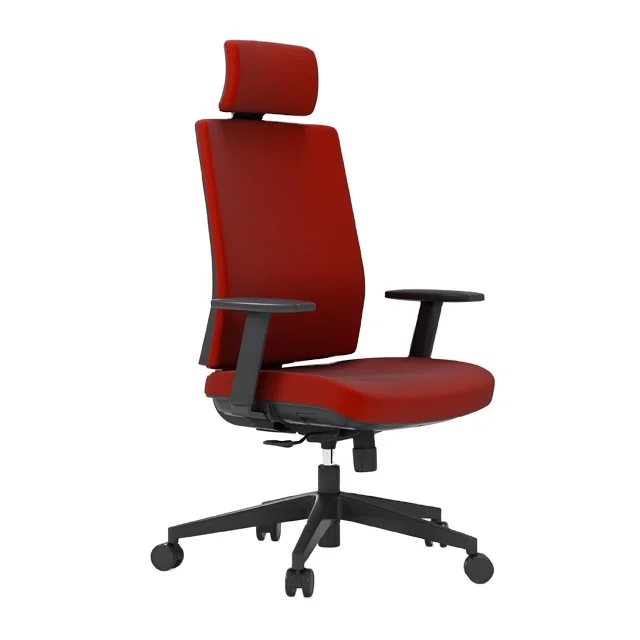
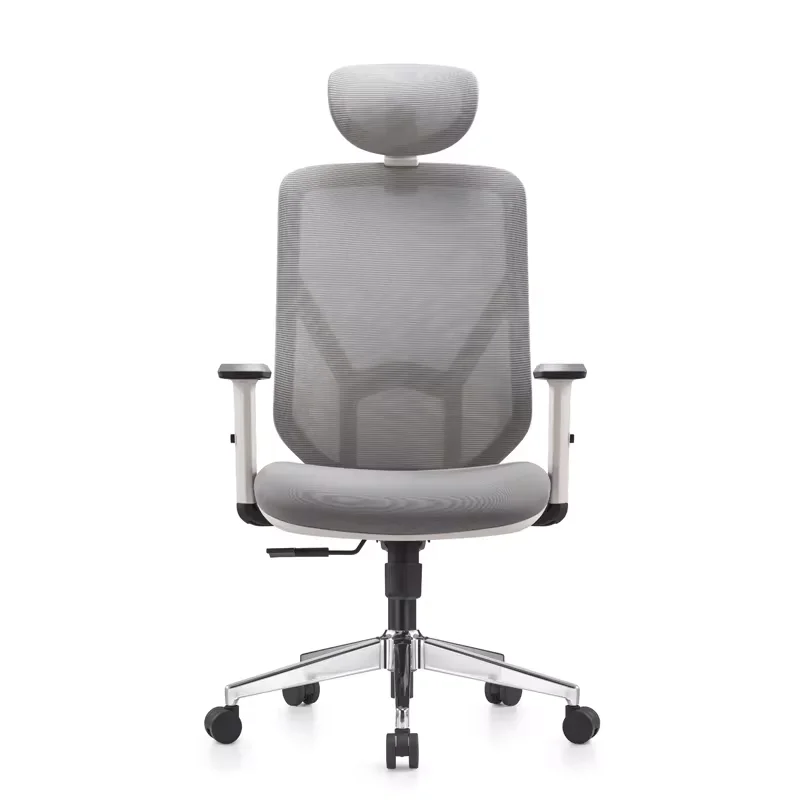
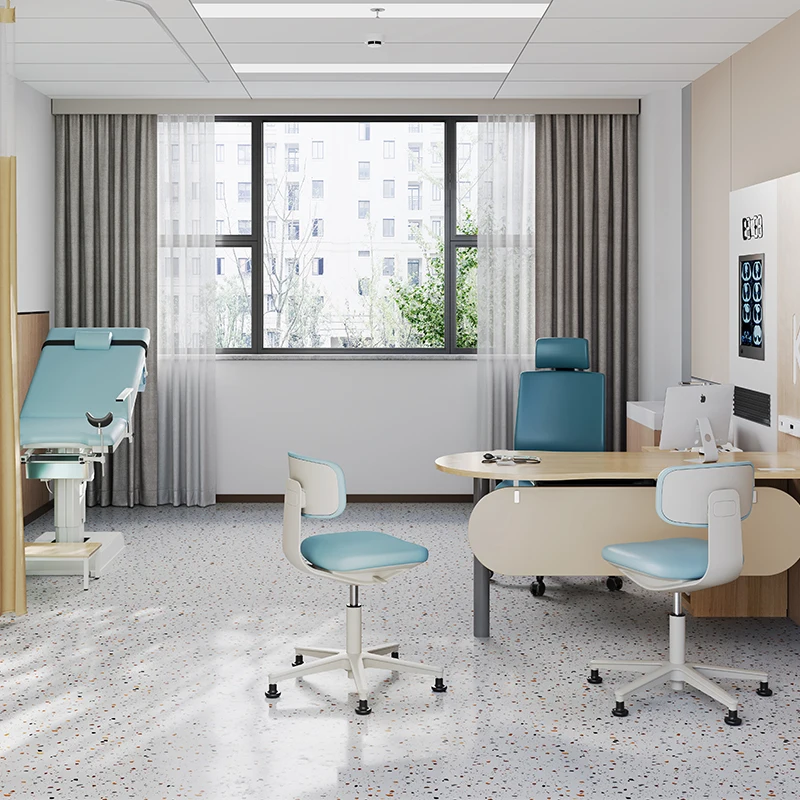
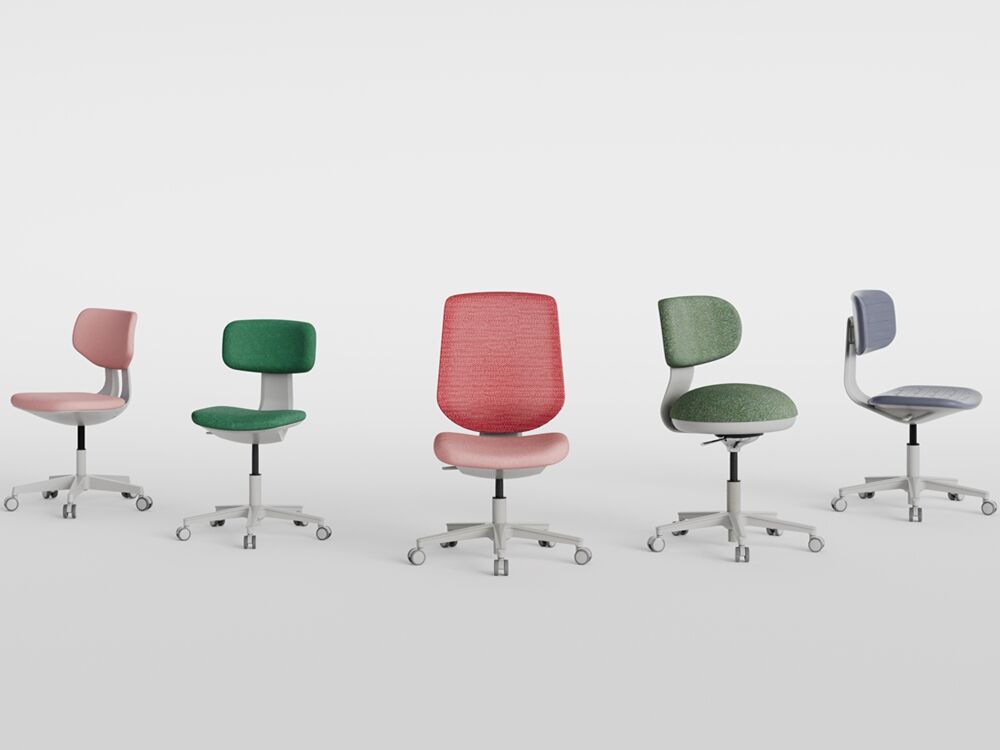
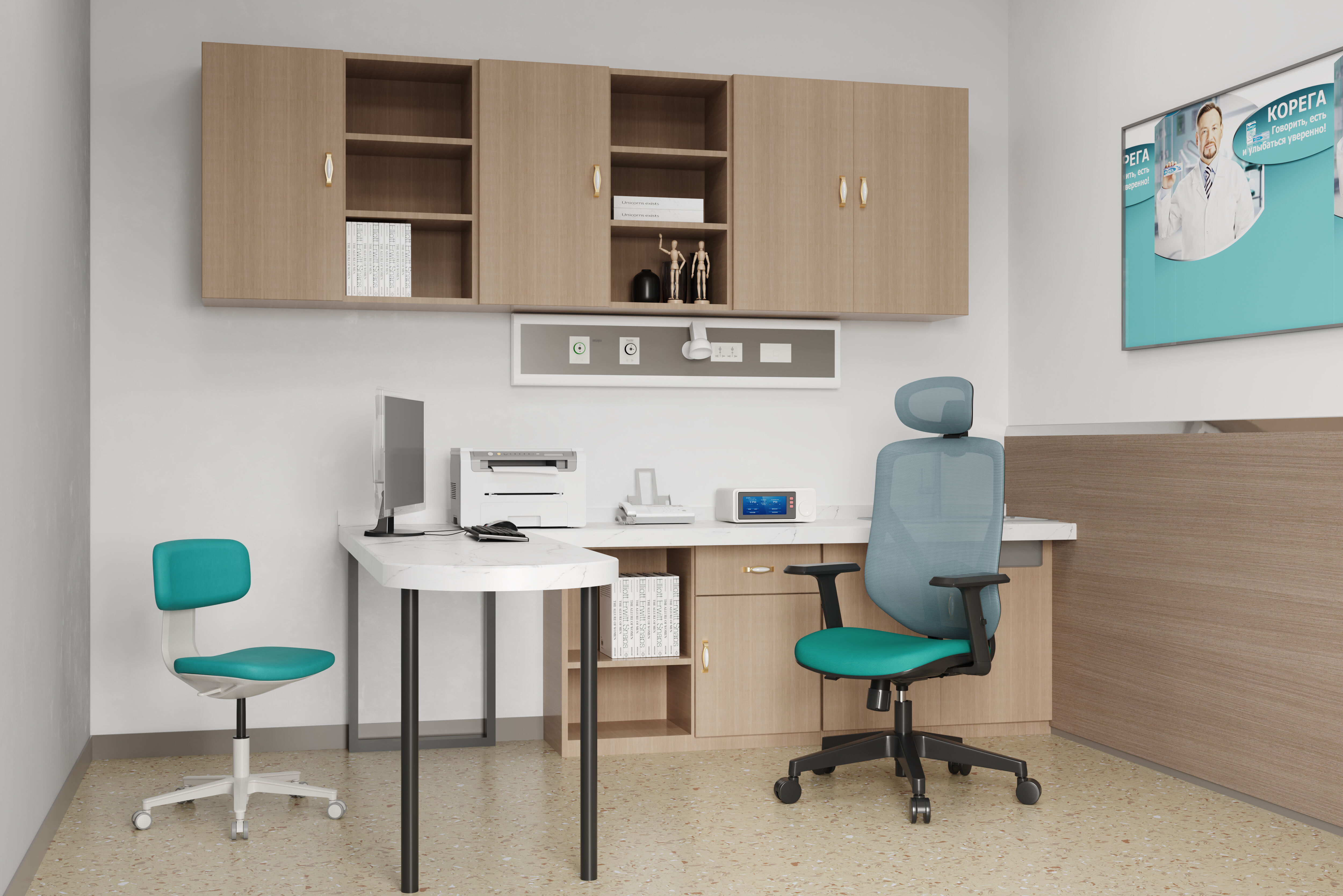
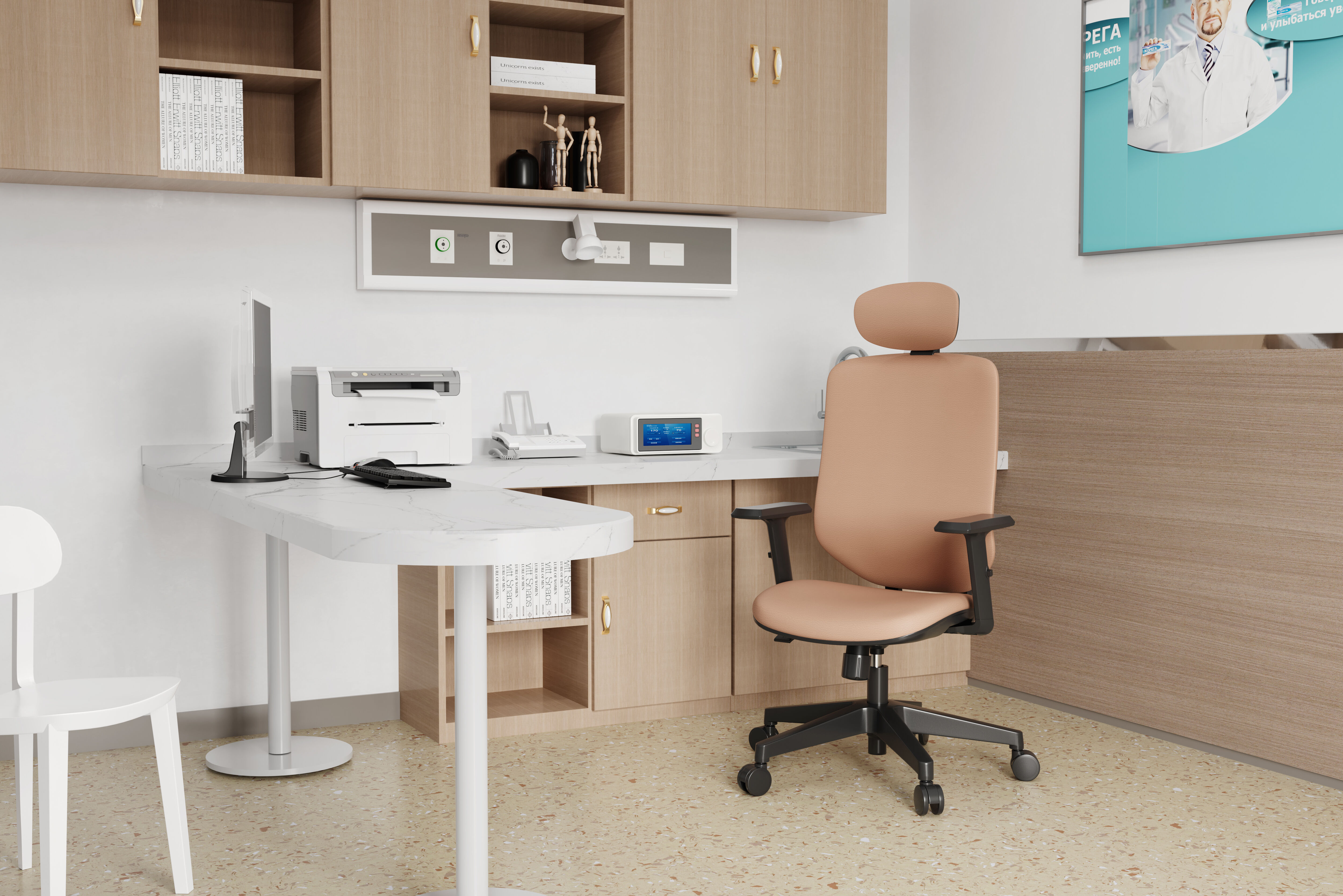
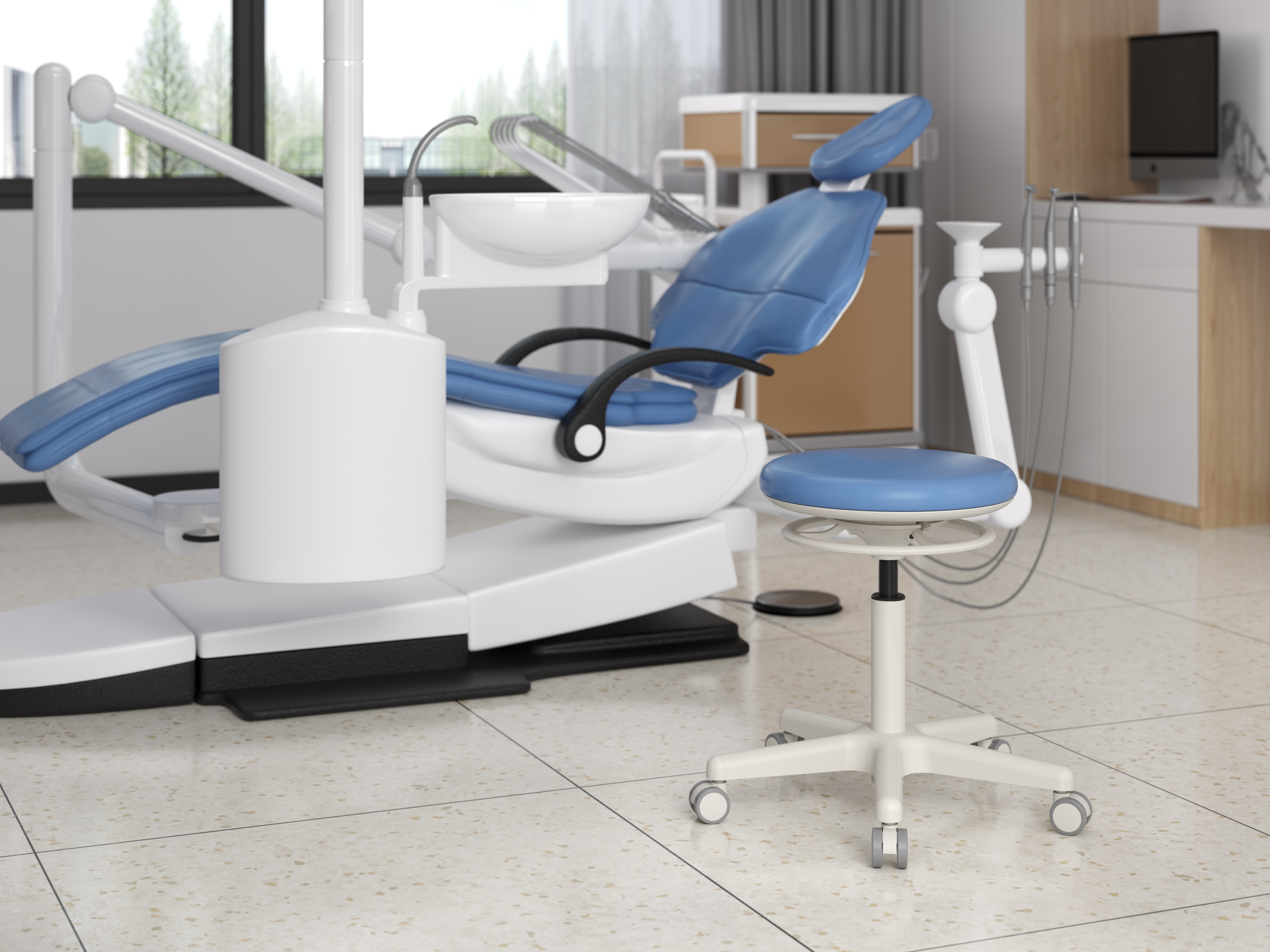
Hospital furniture chairs represent a crucial component of modern healthcare infrastructure, designed specifically to meet the demanding requirements of medical environments. These specialized seating solutions combine ergonomic design principles with medical-grade materials to create furniture that serves both patients and healthcare professionals effectively. Hospital furniture chairs encompass a diverse range of seating options, including examination chairs, treatment chairs, visitor chairs, wheelchair-accessible seating, and staff break room chairs. Each variant addresses specific functional needs within healthcare settings while maintaining the highest standards of hygiene, durability, and comfort. The primary functions of hospital furniture chairs extend beyond basic seating. They provide stable support during medical examinations, facilitate easy patient transfers, accommodate various medical procedures, and ensure comfortable waiting experiences for patients and visitors. These chairs incorporate antimicrobial surfaces that resist bacterial growth, seamless construction that eliminates dirt-trapping crevices, and fluid-resistant materials that withstand frequent cleaning protocols. Technologically, hospital furniture chairs feature advanced mechanisms such as height adjustment systems, reclining capabilities, removable cushions, and integrated accessories like IV poles or side tables. Many models include electric or pneumatic adjustment systems that enable precise positioning for optimal patient comfort and clinical access. The materials used in construction typically include powder-coated steel frames, high-density foam padding, and vinyl or polyurethane upholstery that meets flame-retardant standards. Applications for hospital furniture chairs span across emergency departments, patient rooms, outpatient clinics, surgical waiting areas, dialysis centers, and rehabilitation facilities. These versatile seating solutions adapt to various healthcare scenarios, from brief consultations to extended treatment sessions, ensuring that both comfort and functionality remain uncompromised throughout the patient care continuum.


New Product Recommendations

Hospital furniture chairs deliver significant advantages that directly impact healthcare operations, patient satisfaction, and long-term cost effectiveness. The infection control benefits stand out as paramount advantages, as these chairs incorporate antimicrobial treatments and seamless designs that prevent bacterial harboring. Healthcare facilities can maintain stringent hygiene standards more easily with hospital furniture chairs that resist staining and withstand aggressive cleaning protocols without deteriorating. This translates to reduced infection risks and lower maintenance costs over time. Durability represents another major advantage, with hospital furniture chairs engineered to withstand constant use in high-traffic environments. The robust construction using medical-grade materials ensures these chairs maintain structural integrity even after years of heavy utilization. This longevity means healthcare facilities avoid frequent replacement costs and minimize service disruptions. Patient comfort advantages cannot be overstated, as hospital furniture chairs provide ergonomic support that reduces patient anxiety and improves overall healthcare experiences. The adjustable features allow customization to individual patient needs, promoting better positioning during treatments and reducing discomfort during extended waiting periods. Healthcare staff also benefit from these chairs through improved workflow efficiency, as many models facilitate easier patient transfers and provide better clinical access during procedures. The versatility advantage enables healthcare facilities to standardize seating solutions across multiple departments while meeting diverse functional requirements. This standardization simplifies procurement processes, reduces inventory complexity, and ensures consistent quality throughout the facility. Mobility features in many hospital furniture chairs allow for flexible space reconfiguration, adapting to changing patient volumes and clinical needs. The professional appearance of hospital furniture chairs contributes to creating healing environments that project competence and care quality to patients and families. Cost-effectiveness emerges as a compelling advantage when considering the total ownership costs, including initial purchase, maintenance, and replacement expenses. Hospital furniture chairs typically offer superior return on investment compared to standard commercial seating due to their specialized design and extended service life. Safety advantages include features like anti-tip designs, secure locking mechanisms, and compliance with healthcare safety standards that protect both patients and staff from injuries.

Practical Tips

7 Best Compact Office Chairs for Tight Spaces to Maximize Comfort and Productivity

07

Apr

7 Best Compact Office Chairs for Tight Spaces to Maximize Comfort and Productivity

Discover the 7 best compact office chairs for tight spaces. Enhance comfort and productivity with ergonomic, space-saving designs perfect for home offices and small workspaces.
View More
How to Choose the Best Mesh Office Chair for Your Workspace

18

Apr

How to Choose the Best Mesh Office Chair for Your Workspace

Discover the benefits of mesh office chairs, including breathability, posture support, and modern aesthetics. Learn key features to prioritize for optimal ergonomic support and office chair maintenance tips.
View More
Why Leather Office Chairs Are Perfect for Executive Offices

Why Leather Office Chairs Are Perfect for Executive Offices

Discover the sophistication of leather office chairs, ideal for executive design, ergonomic benefits, and corporate image enhancement. Explore options that balance aesthetics with productivity improvements in professional settings.
View More

Get a Free Quote

Our representative will contact you soon.
Email
Name
Mobile or Whatsapp
Message
0/1000

hospital furniture chairs

Advanced Infection Control Technology

Advanced Infection Control Technology

Hospital furniture chairs excel in infection prevention through cutting-edge antimicrobial technology and thoughtful design engineering that addresses the critical hygiene challenges facing modern healthcare facilities. The antimicrobial properties embedded within these chairs create an invisible barrier against harmful bacteria, viruses, and fungi, significantly reducing the risk of healthcare-associated infections. This technology works continuously, even between cleaning cycles, providing round-the-clock protection that standard furniture cannot match. The seamless construction methodology eliminates traditional furniture joints and crevices where pathogens typically accumulate, making thorough cleaning and disinfection achievable in significantly less time. Healthcare facilities benefit from reduced labor costs associated with deep cleaning while achieving superior hygiene outcomes. The non-porous surfaces of hospital furniture chairs resist absorption of bodily fluids, medications, and cleaning agents, preventing permanent staining and odor retention that compromise both hygiene and aesthetics. This resistance extends the functional lifespan of the furniture while maintaining a professional appearance that instills confidence in patients and visitors. The chemical resistance properties allow these chairs to withstand frequent exposure to hospital-grade disinfectants without surface degradation, color fading, or structural weakening. This durability under harsh cleaning protocols ensures that infection control measures can be maintained consistently without compromising furniture integrity. Many hospital furniture chairs incorporate removable and washable components, such as cushion covers and armrest pads, that can be machine-washed or autoclaved for complete sterilization. This modularity enables targeted deep cleaning when necessary while allowing the chair to remain in service during routine maintenance. The smooth, radiused edges and corners prevent injury during transfers while eliminating sharp angles where contaminants might collect. This thoughtful design approach demonstrates how hospital furniture chairs prioritize both safety and hygiene simultaneously. Healthcare facilities implementing these advanced infection control features report measurable improvements in environmental hygiene scores and reduced incidence of healthcare-associated infections, validating the investment in specialized hospital furniture chairs.
Ergonomic Patient-Centered Design

Ergonomic Patient-Centered Design

Hospital furniture chairs revolutionize patient comfort through scientifically-informed ergonomic design that addresses the unique physical and psychological needs of individuals in healthcare settings. The patient-centered approach recognizes that healthcare experiences often involve stress, anxiety, and physical discomfort, making supportive seating a critical component of overall care quality. These chairs incorporate body-mapping research to optimize pressure distribution, reducing discomfort during extended periods of sitting while waiting for appointments or during lengthy procedures. The contoured seating surfaces align with natural spinal curvature, providing proper lumbar support that prevents slouching and associated back pain. Adjustability features enable personalization for patients of varying heights, weights, and mobility levels, ensuring that every individual can achieve comfortable positioning regardless of physical limitations. The seat height adjustment accommodates patients using mobility aids such as walkers or wheelchairs, facilitating easier transfers and reducing fall risks. Armrest adjustability provides crucial support during sitting and standing motions, particularly benefiting elderly patients or those with mobility impairments. The ergonomic design extends to consideration of psychological comfort, with aesthetically pleasing colors and finishes that create calming environments rather than institutional atmospheres. Fabric choices balance durability with tactile comfort, avoiding materials that feel cold or unwelcoming against the skin. The generous seating dimensions accommodate patients of all sizes while maintaining appropriate support, addressing the diverse body types encountered in healthcare settings. Hospital furniture chairs often feature waterfall seat edges that reduce pressure on the back of legs, improving circulation during extended sitting periods. The stable base design instills confidence in users, particularly important for patients who may feel unsteady due to medical conditions or medications. Some models include integrated features like cup holders or personal item storage, acknowledging that patients often spend considerable time in these chairs and need convenient access to beverages and belongings. The thoughtful integration of comfort-enhancing features demonstrates how hospital furniture chairs prioritize human-centered design while maintaining the durability and hygiene standards essential in healthcare environments.
Operational Efficiency and Versatility

Operational Efficiency and Versatility

Hospital furniture chairs optimize healthcare operations through intelligent design features that streamline workflows, maximize space utilization, and adapt to diverse clinical requirements across multiple departments and care scenarios. The operational advantages begin with mobility features that enable quick reconfiguration of seating arrangements to accommodate varying patient volumes, emergency situations, or changing clinical needs. Many hospital furniture chairs incorporate caster wheels with secure locking mechanisms, allowing staff to easily reposition furniture while ensuring stability during use. This mobility reduces the time and effort required for space management, freeing healthcare workers to focus on patient care rather than furniture logistics. The stackable or nesting capabilities of certain models maximize storage efficiency when chairs are not in use, particularly valuable in facilities with limited storage space. Weight considerations ensure that hospital furniture chairs remain manageable for staff to move while maintaining the structural integrity necessary for safe patient use. The standardization possible with hospital furniture chairs across different departments simplifies procurement, maintenance, and staff training processes. When the same chair models serve multiple functions throughout a facility, staff become familiar with operation and adjustment procedures, reducing learning curves and potential user errors. Maintenance becomes more efficient with standardized components and repair procedures, reducing inventory requirements for replacement parts and simplifying service protocols. The durability of hospital furniture chairs translates directly to operational savings through reduced replacement frequency and lower maintenance costs over the furniture lifecycle. Many models feature modular construction that allows selective replacement of worn components rather than entire chair replacement, further extending useful life and reducing waste. The professional appearance of hospital furniture chairs contributes to positive patient perceptions of care quality, potentially improving patient satisfaction scores that impact healthcare facility ratings and reimbursements. Integration capabilities allow hospital furniture chairs to work seamlessly with other medical equipment, such as IV poles, monitoring devices, or patient lifts, enhancing clinical efficiency without requiring additional furniture purchases. The versatility extends to accommodating various user types, from pediatric patients to bariatric individuals, reducing the need for specialized seating inventory while ensuring appropriate support for all patients.