Premium Hospital Reception Chairs - Ergonomic Healthcare Seating Solutions

hospital reception chairs

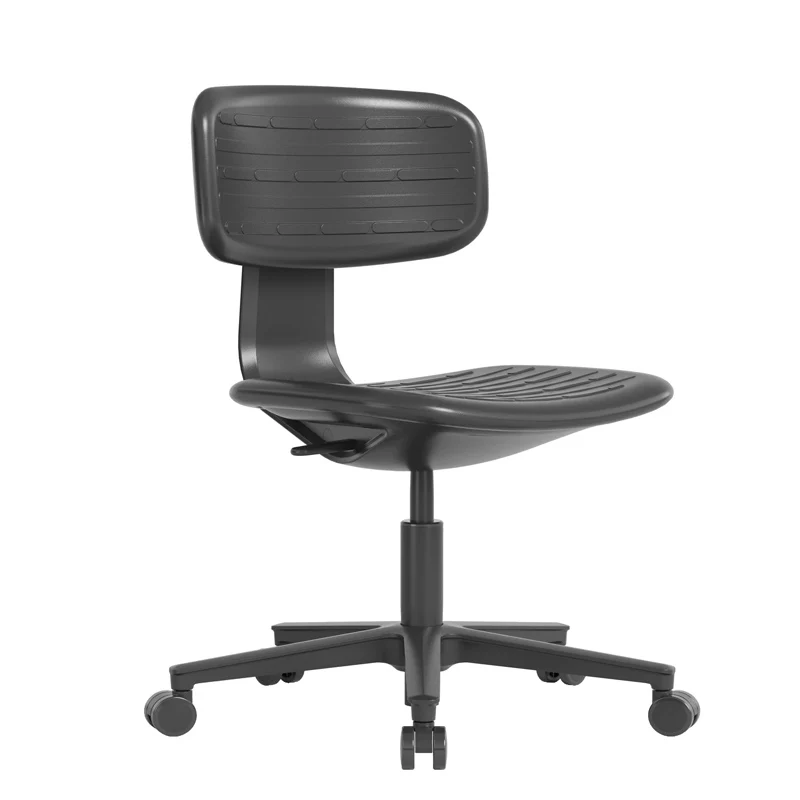
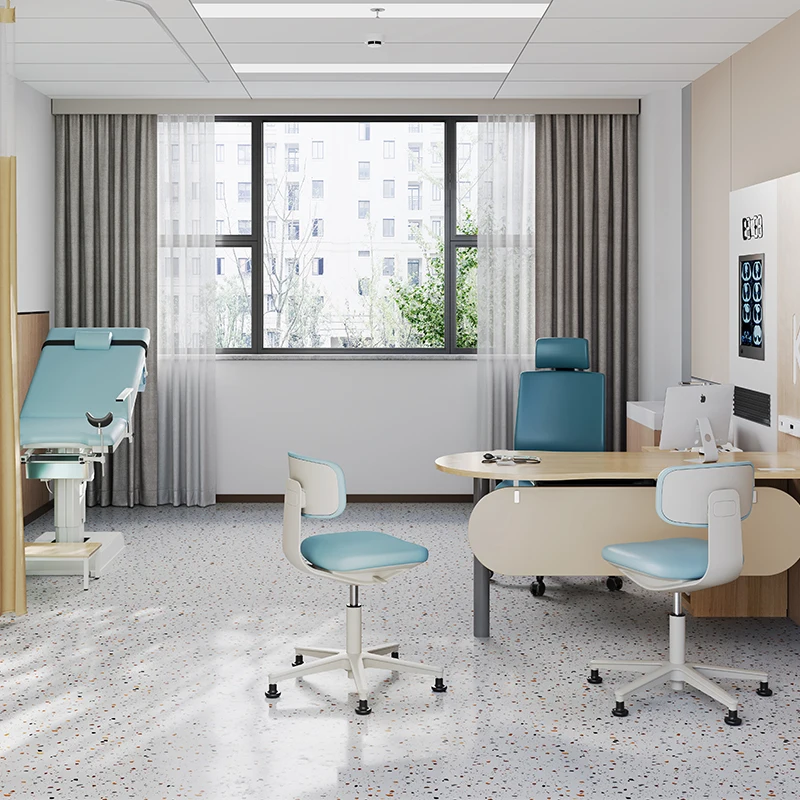
Hospital reception chairs represent a crucial element in healthcare facility design, combining functionality, comfort, and hygiene standards to create welcoming waiting environments. These specialized seating solutions are engineered to withstand the demanding requirements of medical environments while providing optimal comfort for patients, visitors, and staff. Modern hospital reception chairs incorporate advanced materials, ergonomic design principles, and infection control features that distinguish them from conventional office or public seating options. The primary functions of hospital reception chairs extend beyond basic seating to encompass patient comfort during extended waiting periods, support for individuals with mobility challenges, and facilitation of easy maintenance protocols essential in healthcare settings. Technological features integrated into contemporary hospital reception chairs include antimicrobial surface treatments, stain-resistant upholstery materials, and modular construction systems that allow for flexible configuration adjustments. Many models feature integrated armrests with enhanced support mechanisms, breathable fabric technologies that promote air circulation, and reinforced frame structures capable of supporting varying weight capacities safely. The applications for hospital reception chairs span diverse healthcare environments, including emergency departments, outpatient clinics, specialist consultation areas, diagnostic imaging centers, and general waiting rooms. These versatile seating solutions accommodate different demographic needs, from pediatric patients requiring smaller-scale seating to elderly individuals needing additional postural support. Advanced models incorporate technology integration points for charging stations, entertainment systems, or medical monitoring equipment connections. The design philosophy behind hospital reception chairs emphasizes creating calming, therapeutic environments that reduce patient anxiety while maintaining professional aesthetics aligned with healthcare branding requirements. Material selection focuses on durability, cleanability, and resistance to common healthcare chemicals used in sanitization procedures, ensuring longevity and consistent appearance despite intensive cleaning protocols.


New Products

Hospital reception chairs deliver exceptional value through their specialized design features that directly address the unique challenges faced in healthcare environments. The primary advantage lies in their superior infection control capabilities, as these chairs utilize non-porous materials and seamless construction methods that prevent bacterial accumulation and facilitate thorough cleaning procedures. This design approach significantly reduces cross-contamination risks while maintaining a professional appearance that instills confidence in patients and visitors. Comfort optimization represents another significant advantage, with hospital reception chairs featuring ergonomically designed seats and backrests that accommodate prolonged sitting periods without causing discomfort or postural strain. The enhanced comfort directly translates to improved patient satisfaction scores and reduced stress levels during medical visits. Durability advantages manifest through heavy-duty construction materials and reinforcement techniques that ensure these chairs maintain their structural integrity and aesthetic appeal despite continuous use in high-traffic healthcare environments. This longevity provides substantial cost savings over time by reducing replacement frequency and maintenance requirements. Safety features integrated into hospital reception chairs offer additional advantages through stability enhancements, rounded edges, and weight distribution systems that minimize accident risks for patients with mobility limitations or medical devices. The modular design advantages allow healthcare facilities to reconfigure seating arrangements quickly to accommodate varying patient volumes, social distancing requirements, or emergency situations without requiring complete furniture replacement. Maintenance advantages include simplified cleaning protocols, replaceable components, and stain-resistant treatments that preserve appearance while reducing labor costs associated with upkeep. Accessibility advantages ensure compliance with healthcare regulations while providing inclusive seating options for patients using wheelchairs, walkers, or other mobility aids. The professional aesthetic advantages contribute to positive first impressions and brand reinforcement, creating environments that convey competence and care quality. Finally, customization advantages enable healthcare facilities to select colors, configurations, and features that align with their specific operational needs and design preferences, ensuring optimal integration within existing facility layouts and workflows.

Tips And Tricks

7 Best Compact Office Chairs for Tight Spaces to Maximize Comfort and Productivity

07

Apr

7 Best Compact Office Chairs for Tight Spaces to Maximize Comfort and Productivity

Discover the 7 best compact office chairs for tight spaces. Enhance comfort and productivity with ergonomic, space-saving designs perfect for home offices and small workspaces.
View More
How to Choose the Best Mesh Office Chair for Your Workspace

18

Apr

How to Choose the Best Mesh Office Chair for Your Workspace

Discover the benefits of mesh office chairs, including breathability, posture support, and modern aesthetics. Learn key features to prioritize for optimal ergonomic support and office chair maintenance tips.
View More
Why Leather Office Chairs Are Perfect for Executive Offices

Why Leather Office Chairs Are Perfect for Executive Offices

Discover the sophistication of leather office chairs, ideal for executive design, ergonomic benefits, and corporate image enhancement. Explore options that balance aesthetics with productivity improvements in professional settings.
View More
Ergonomic Office Chairs: Enhancing Comfort and Productivity

27

May

Ergonomic Office Chairs: Enhancing Comfort and Productivity

Discover how ergonomic office chairs enhance productivity by reducing fatigue, promoting spinal health, and ensuring comfort. Learn the key features and benefits of ergonomic seating for various workspaces.
View More

Get a Free Quote

Our representative will contact you soon.
Email
Name
Mobile or Whatsapp
Message
0/1000

hospital reception chairs

Advanced Antimicrobial Protection Technology

Advanced Antimicrobial Protection Technology

Hospital reception chairs incorporate cutting-edge antimicrobial protection technology that revolutionizes infection control in healthcare environments. This sophisticated feature utilizes silver-ion technology embedded within upholstery materials and surface coatings to continuously eliminate harmful bacteria, viruses, and fungi on contact. The antimicrobial properties remain active for the entire lifespan of the chair, providing persistent protection without requiring additional treatments or maintenance procedures. This technology significantly reduces the risk of healthcare-associated infections, protecting vulnerable patients and supporting facility-wide infection prevention protocols. The antimicrobial treatment works at the molecular level, disrupting microbial cell walls and preventing reproduction, effectively creating a self-sanitizing surface that complements standard cleaning procedures. Healthcare facilities benefit from reduced liability exposure, improved patient safety outcomes, and enhanced reputation for maintaining the highest hygiene standards. The invisible protection does not affect the chair's appearance, comfort, or durability, making it an ideal solution for busy healthcare environments where traditional cleaning methods may be insufficient. Laboratory testing demonstrates effectiveness against common healthcare pathogens, including MRSA, E. coli, and influenza viruses, providing measurable protection that exceeds industry standards. This technology particularly benefits immunocompromised patients who face elevated infection risks in medical settings. The long-term cost benefits include reduced infection rates, decreased liability claims, and improved patient satisfaction scores related to perceived safety and cleanliness. Healthcare administrators appreciate the comprehensive protection that extends beyond surface cleaning to provide continuous antimicrobial action throughout each day. The integration of this technology represents a proactive approach to patient safety that demonstrates commitment to excellence in healthcare delivery while providing tangible benefits for both patients and healthcare providers.
Ergonomic Comfort Design for Extended Sitting

Ergonomic Comfort Design for Extended Sitting

Hospital reception chairs feature sophisticated ergonomic comfort design elements specifically engineered to support patients during extended waiting periods while promoting proper posture and reducing physical stress. The ergonomic design incorporates scientific research on human anatomy and sitting behavior to create seating solutions that accommodate diverse body types and medical conditions. Advanced lumbar support systems provide targeted lower back support that maintains the natural spinal curve, reducing pressure on vertebrae and preventing the development of back pain during prolonged sitting sessions. The seat cushioning utilizes high-density foam materials with memory properties that conform to individual body contours while maintaining consistent support levels over time. Armrest positioning and height are optimized to support natural arm positioning, reducing shoulder tension and providing assistance for individuals with mobility limitations when sitting down or standing up. The seat depth and width dimensions accommodate various body sizes while ensuring proper circulation and preventing pressure points that could cause discomfort or numbness. Breathable fabric technologies integrated into the upholstery promote air circulation, preventing heat buildup and moisture accumulation that can cause discomfort during extended use. The ergonomic benefits extend to individuals with specific medical conditions, such as arthritis, back injuries, or circulation problems, who require additional postural support during medical visits. Healthcare facilities report improved patient satisfaction scores and reduced complaints about seating discomfort when utilizing properly designed hospital reception chairs. The ergonomic design also considers the needs of elderly patients who may require firmer seat surfaces and higher seat heights to facilitate easier standing transitions. Pregnant women benefit from the supportive design features that accommodate changing body shapes and provide relief from pregnancy-related discomfort. The comprehensive ergonomic approach demonstrates healthcare facilities' commitment to patient comfort and well-being throughout the entire medical experience.
Flexible Modular Configuration System

Flexible Modular Configuration System

Hospital reception chairs feature an innovative flexible modular configuration system that enables healthcare facilities to adapt seating arrangements dynamically to meet changing operational requirements and patient needs. This sophisticated system allows individual chairs to connect seamlessly, creating custom seating configurations that optimize space utilization while maintaining aesthetic cohesion throughout waiting areas. The modular design incorporates precision-engineered connection mechanisms that ensure stable, secure linkages between chairs while allowing for easy reconfiguration without requiring tools or specialized maintenance staff. Healthcare facilities can rapidly adjust seating layouts to accommodate varying patient volumes, implement social distancing protocols, or create specialized areas for different patient populations. The flexibility extends to accommodating wheelchair accessibility requirements, with modular components designed to integrate seamlessly with ADA-compliant spacing and positioning needs. During emergency situations or facility renovations, the modular system enables quick furniture relocation and temporary seating arrangement establishment without disrupting ongoing patient care activities. The configuration options include linear arrangements, curved layouts, island groupings, and custom geometric patterns that maximize seating capacity while maintaining comfortable personal space for patients and visitors. Healthcare administrators appreciate the cost-effectiveness of the modular approach, which eliminates the need to purchase entirely new furniture sets when facility layouts change or expansion projects occur. The system accommodates future growth by allowing additional modules to integrate seamlessly with existing installations, protecting furniture investments over time. Maintenance benefits include the ability to replace individual components without affecting entire seating arrangements, reducing downtime and repair costs. The modular design also facilitates thorough cleaning procedures by enabling access to all surfaces and connection points during sanitization protocols. This flexibility supports infection control measures while maintaining the professional appearance essential in healthcare environments, demonstrating how innovative design can simultaneously address operational efficiency and patient care requirements.