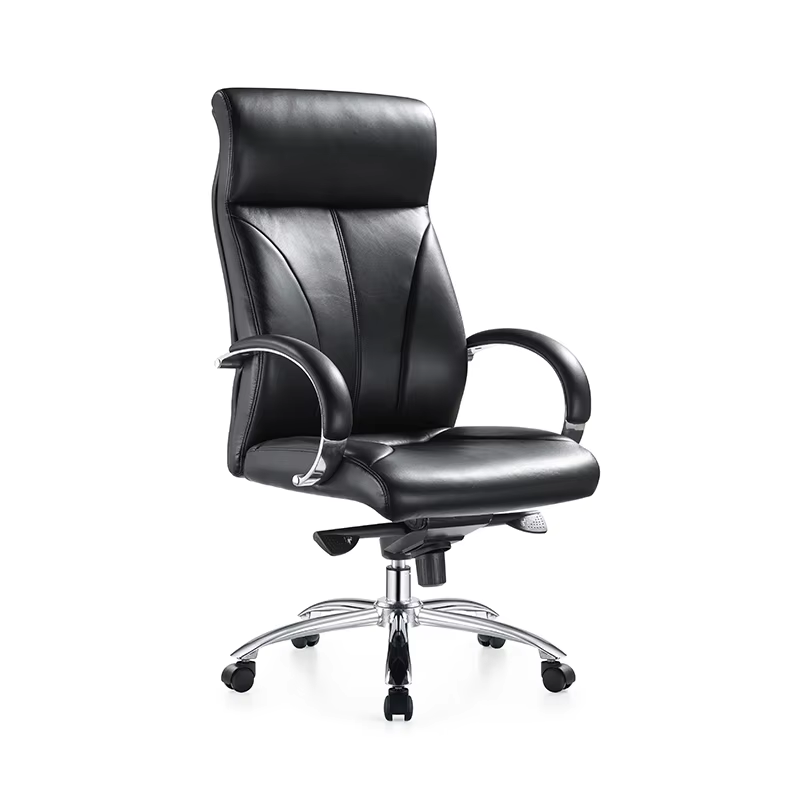
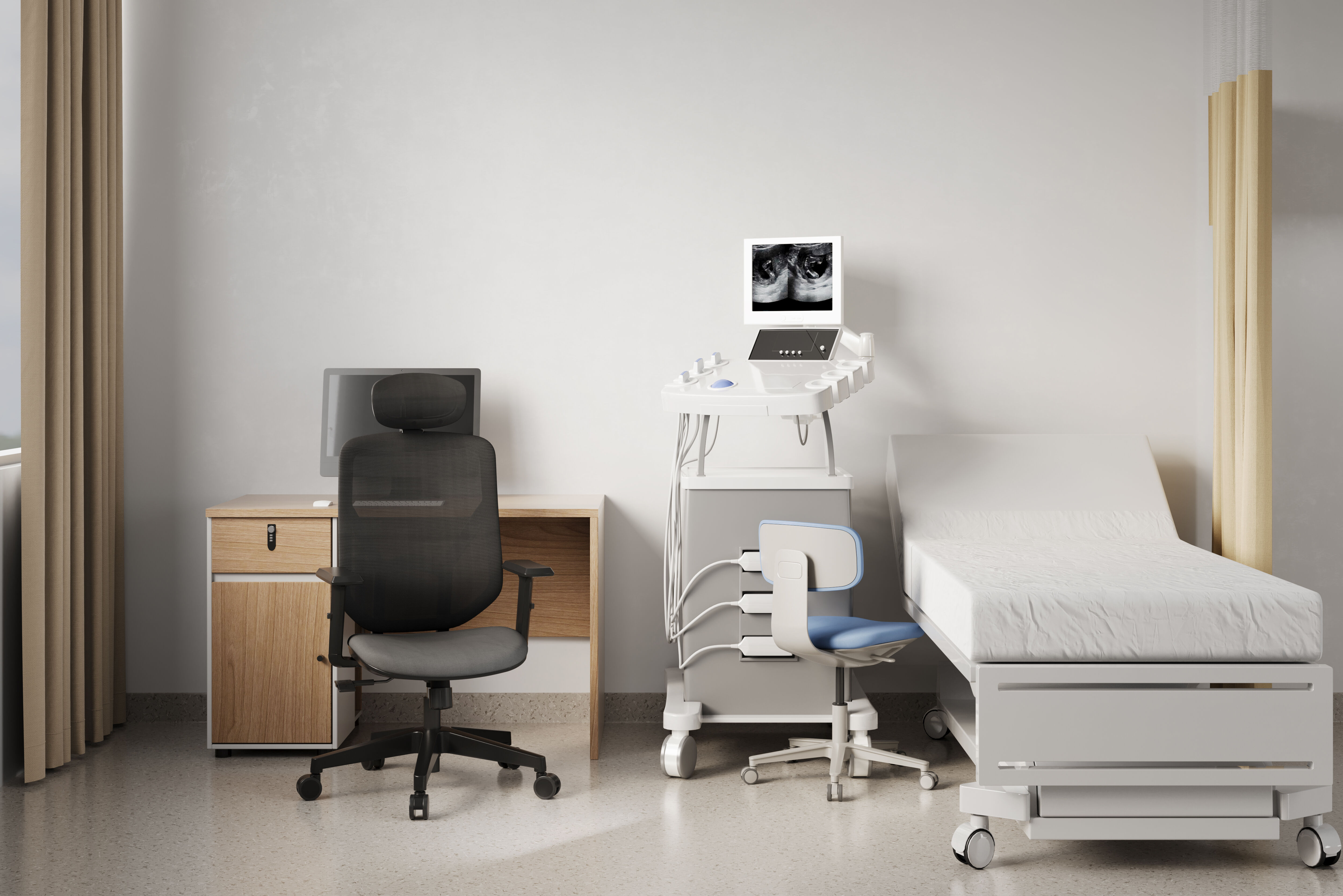
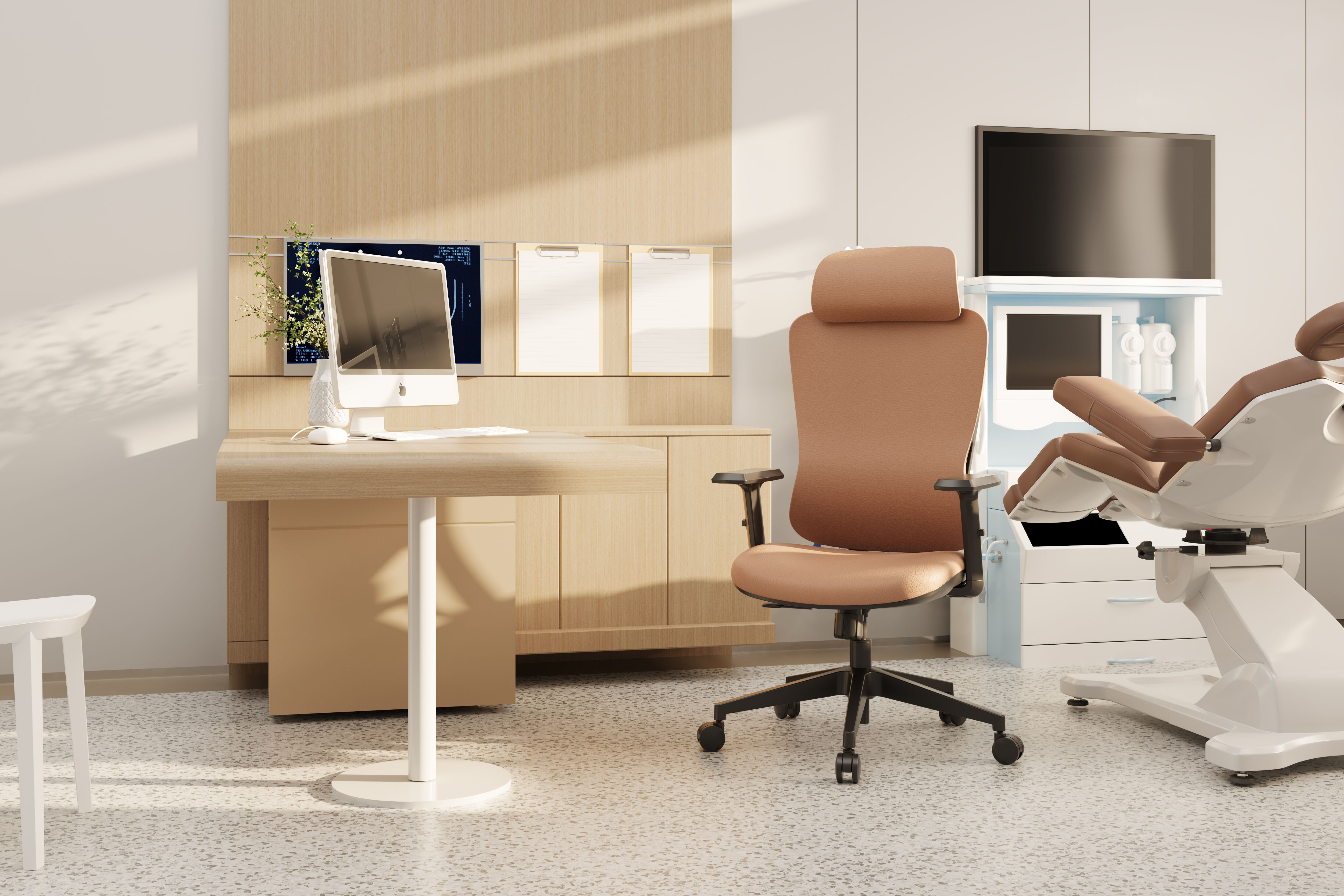
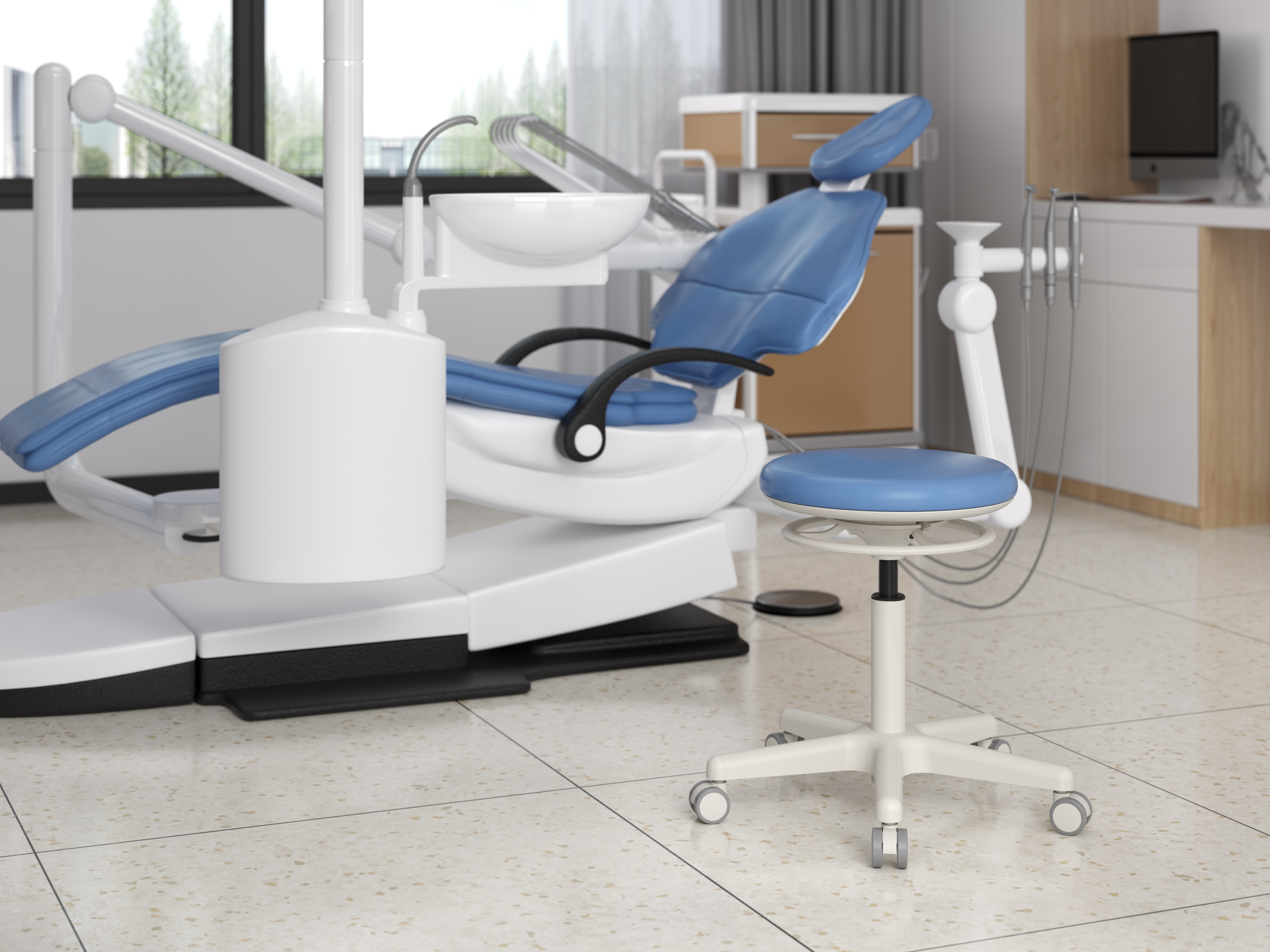
Premium Hospital Waiting Room Chairs - Comfortable, Durable Healthcare Seating Solutions

hospital waiting room chairs

Hospital waiting room chairs represent a critical component in healthcare facility design, serving as the primary seating solution where patients and their families spend considerable time before appointments, procedures, or while receiving care updates. These specialized seating systems are engineered to address the unique demands of medical environments, combining durability, comfort, and infection control measures. Modern hospital waiting room chairs incorporate advanced materials and thoughtful design elements that prioritize both user experience and operational efficiency. The fundamental purpose extends beyond basic seating, as these chairs must accommodate diverse patient populations, including elderly individuals, mobility-impaired users, and those experiencing anxiety or discomfort. Contemporary designs feature ergonomic principles that support proper posture during extended sitting periods, while antimicrobial surfaces help maintain hygiene standards essential in healthcare settings. Many models include integrated technology solutions such as USB charging ports, allowing patients to maintain connectivity during waiting periods. The construction typically involves commercial-grade materials resistant to frequent cleaning with medical-grade disinfectants, ensuring longevity and maintaining appearance standards. Color schemes and fabric selections often incorporate calming tones that contribute to a therapeutic environment, reducing patient stress levels. Modular configurations enable facilities to maximize space utilization while maintaining adequate social distancing protocols. Weight capacity considerations ensure accommodation of bariatric patients, while flame-retardant materials meet strict safety regulations. Storage solutions may be integrated beneath seating areas, providing personal item security. The overall design philosophy balances aesthetic appeal with functional requirements, creating welcoming spaces that support positive patient experiences while meeting stringent healthcare industry standards for safety, cleanliness, and accessibility compliance.

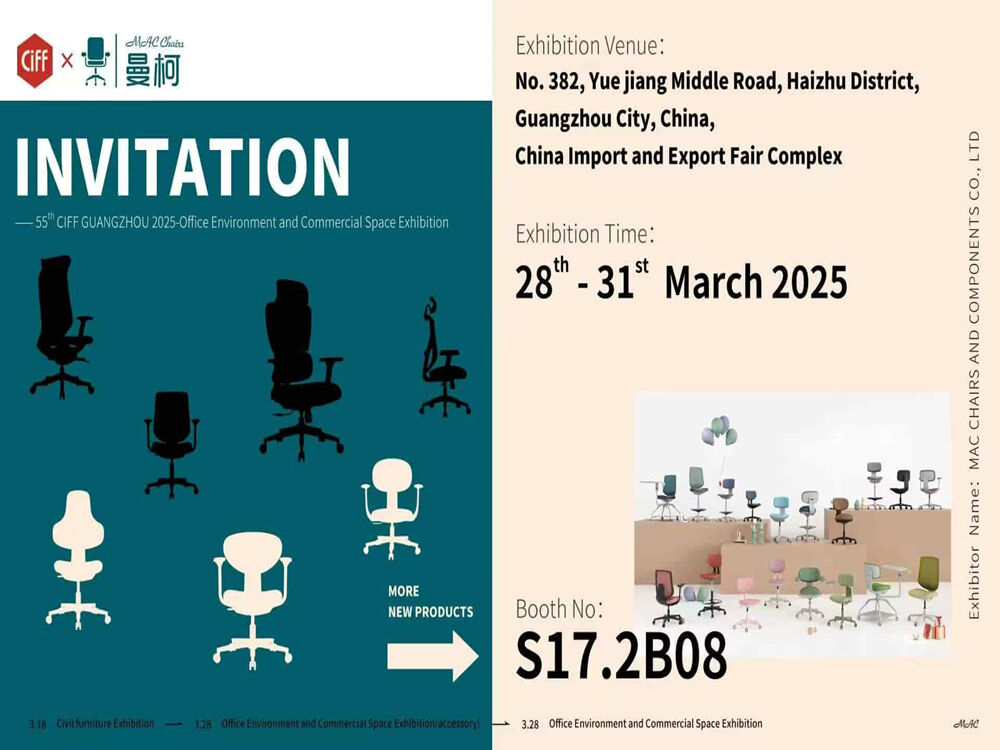
New Products

Hospital waiting room chairs deliver substantial benefits that directly impact patient satisfaction and facility operations. The primary advantage lies in enhanced comfort features that reduce patient anxiety during stressful medical visits. Ergonomically designed cushioning systems provide optimal support, preventing discomfort during extended waiting periods that commonly occur in healthcare settings. This comfort factor significantly improves the overall patient experience, leading to higher satisfaction scores and positive facility reviews. Durability represents another major advantage, as these chairs withstand heavy daily usage while maintaining structural integrity. Commercial-grade construction materials resist wear and tear, reducing replacement costs and minimizing maintenance requirements. This longevity translates into excellent return on investment for healthcare facilities managing tight budgets. Infection control capabilities provide crucial advantages in medical environments where cleanliness is paramount. Non-porous surfaces and antimicrobial treatments prevent bacterial growth and enable thorough sanitization between uses. This feature becomes especially important during flu seasons or pandemic situations, helping facilities maintain safe environments for vulnerable populations. Space optimization benefits allow facilities to accommodate more patients without compromising comfort. Modular designs enable flexible arrangements that adapt to changing patient volumes and social distancing requirements. This adaptability proves invaluable for facilities that experience fluctuating patient loads throughout the day or seasonal variations. Technology integration advantages keep pace with modern patient expectations. Built-in charging stations eliminate the frustration of depleted device batteries, while some models include entertainment systems or health monitoring capabilities. These features enhance the waiting experience and demonstrate facility commitment to patient-centered care. Maintenance advantages simplify facility operations through easy-to-clean surfaces and replaceable components. Staff can quickly sanitize chairs between patients, maintaining hygiene standards without extensive downtime. Cost-effectiveness emerges through reduced maintenance needs, extended service life, and improved patient satisfaction metrics that can positively impact facility reputation and patient retention rates.

Practical Tips

MAC Chairs 2024 Year-end Party

06

Apr

MAC Chairs 2024 Year-end Party

View More
Experience MAC’s Office Chairs at CIFF 2025

06

Apr

Experience MAC’s Office Chairs at CIFF 2025

View More
Ergonomic Office Chairs: Enhancing Comfort and Productivity

27

May

Ergonomic Office Chairs: Enhancing Comfort and Productivity

Discover how ergonomic office chairs enhance productivity by reducing fatigue, promoting spinal health, and ensuring comfort. Learn the key features and benefits of ergonomic seating for various workspaces.
View More

Get a Free Quote

Our representative will contact you soon.
Email
Name
Mobile or Whatsapp
Message
0/1000

hospital waiting room chairs

Advanced Infection Control Technology

Advanced Infection Control Technology

Hospital waiting room chairs incorporate cutting-edge infection control technology that sets them apart from standard commercial seating solutions. The antimicrobial surface treatments utilize silver ion technology and specialized coatings that actively inhibit bacterial growth, providing continuous protection against harmful pathogens commonly found in healthcare environments. This technology works around the clock, even between cleaning cycles, offering an additional layer of safety for patients and staff. The non-porous upholstery materials prevent liquids from penetrating surface layers, eliminating hiding places for bacteria and viruses while enabling thorough disinfection procedures. Healthcare facilities benefit from these features through reduced risk of healthcare-associated infections, which can lead to serious complications and increased medical costs. The seamless construction eliminates crevices and joints where contaminants typically accumulate, making cleaning protocols more effective and efficient. Quality hospital waiting room chairs also feature removable and washable cushion covers that can be laundered at high temperatures to eliminate stubborn pathogens. The frame materials resist corrosion from repeated exposure to medical-grade disinfectants, maintaining structural integrity while supporting rigorous cleaning schedules. Color-coded systems may be integrated to help staff track cleaning cycles and ensure consistent sanitization protocols. These infection control measures prove especially valuable during flu seasons or infectious disease outbreaks, when maintaining sterile environments becomes critical for patient safety. The peace of mind that comes from knowing seating surfaces actively resist contamination can reduce patient anxiety and improve overall satisfaction with their healthcare experience. For facility managers, these features translate into lower liability risks, improved regulatory compliance, and reduced costs associated with infection management.
Ergonomic Comfort and Accessibility Design

Ergonomic Comfort and Accessibility Design

The ergonomic design principles embedded in hospital waiting room chairs address the diverse physical needs of patients who may be experiencing pain, mobility limitations, or extended waiting times. These chairs feature carefully calculated seat depths, backrest angles, and armrest positions that accommodate users of varying heights and physical conditions. The lumbar support systems help maintain proper spinal alignment, reducing discomfort for patients who may already be dealing with health issues. Seat cushioning utilizes high-density foam that provides adequate support while preventing pressure points that could cause circulation problems during long waits. The height specifications comply with Americans with Disabilities Act requirements, ensuring easy transfers for wheelchair users and individuals with mobility challenges. Armrests are positioned to assist users when sitting down or standing up, providing stability for elderly patients or those recovering from medical procedures. The accessibility features extend beyond basic compliance to create genuinely inclusive environments where all patients feel welcomed and comfortable. Wider seat options accommodate bariatric patients without drawing unwanted attention, promoting dignity and respect for all users. The fabric selections consider sensory sensitivities that may affect patients with certain medical conditions, avoiding textures that could cause discomfort or irritation. Contrasting colors help patients with vision impairments identify seating areas more easily, while rounded edges reduce injury risks for patients with balance issues. These thoughtful design elements demonstrate that hospital waiting room chairs can successfully balance universal accessibility with aesthetic appeal. The result is seating that not only meets regulatory requirements but exceeds patient expectations for comfort and usability. Healthcare facilities investing in properly designed ergonomic seating often report improved patient satisfaction scores and fewer complaints related to waiting area comfort, contributing to overall positive healthcare experiences.
Durable Construction and Cost-Effective Operation

Durable Construction and Cost-Effective Operation

Hospital waiting room chairs are engineered for exceptional durability that withstands the demanding conditions of healthcare environments while delivering long-term cost effectiveness for facility operations. The commercial-grade construction utilizes reinforced steel frameworks that support heavy usage patterns without compromising structural stability. These robust foundations can handle patient weights up to 500 pounds or more, accommodating diverse patient populations while maintaining safety standards. The frame materials undergo specialized treatments that resist corrosion from frequent exposure to medical cleaning agents, ensuring longevity despite rigorous sanitization protocols. High-quality hospital waiting room chairs feature industrial-strength joints and connections that eliminate wobbling or loosening over time, maintaining professional appearance and user confidence. The upholstery materials are specifically selected for their resistance to wear, staining, and fading under hospital lighting conditions. Advanced fabric technologies repel liquids while maintaining breathability for user comfort, preventing permanent damage from spills or accidents. The manufacturing processes incorporate quality control measures that test each component for durability benchmarks before assembly, ensuring consistent performance across entire product lines. Replacement parts availability becomes a crucial consideration for long-term cost management, and reputable manufacturers maintain extensive parts inventories to support ongoing maintenance needs. The modular design philosophy enables facilities to replace individual components rather than entire chairs when wear occurs, significantly reducing replacement costs over time. Installation requirements are streamlined to minimize disruption to facility operations, while the maintenance procedures can be handled by existing housekeeping staff without specialized training. The total cost of ownership calculations demonstrate substantial savings compared to frequent replacement of lower-quality alternatives. Energy-efficient manufacturing processes and sustainable materials contribute to environmental responsibility goals while maintaining performance standards. These durability features provide healthcare administrators with predictable budgeting capabilities and reduced procurement headaches, allowing focus on core patient care activities rather than furniture management concerns.