patient hospital chair
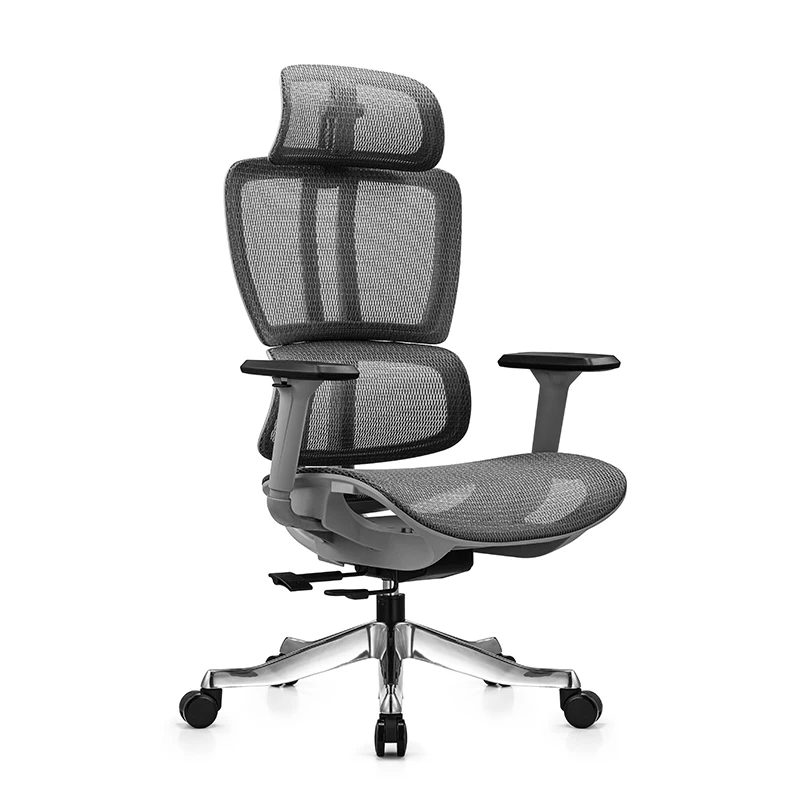
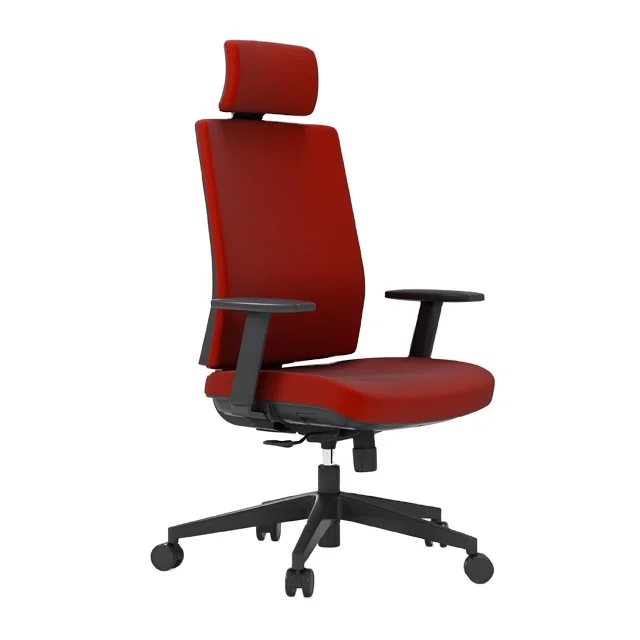
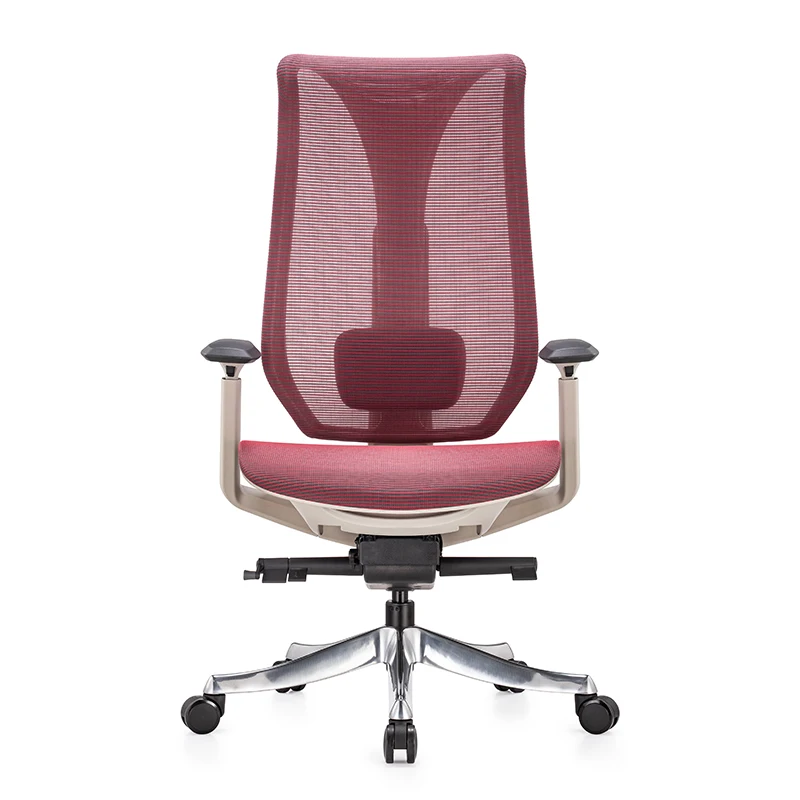
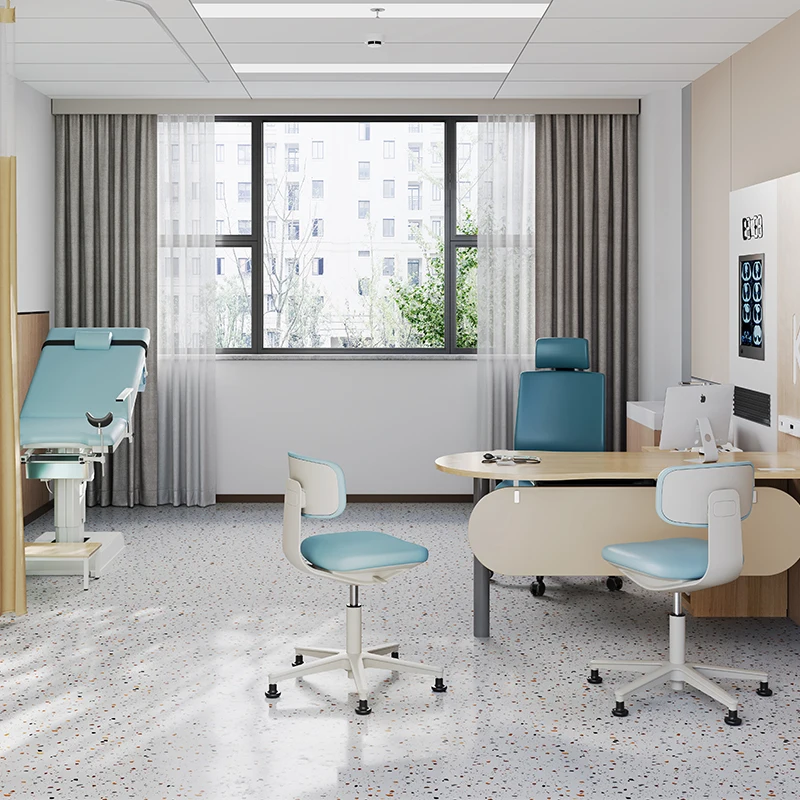
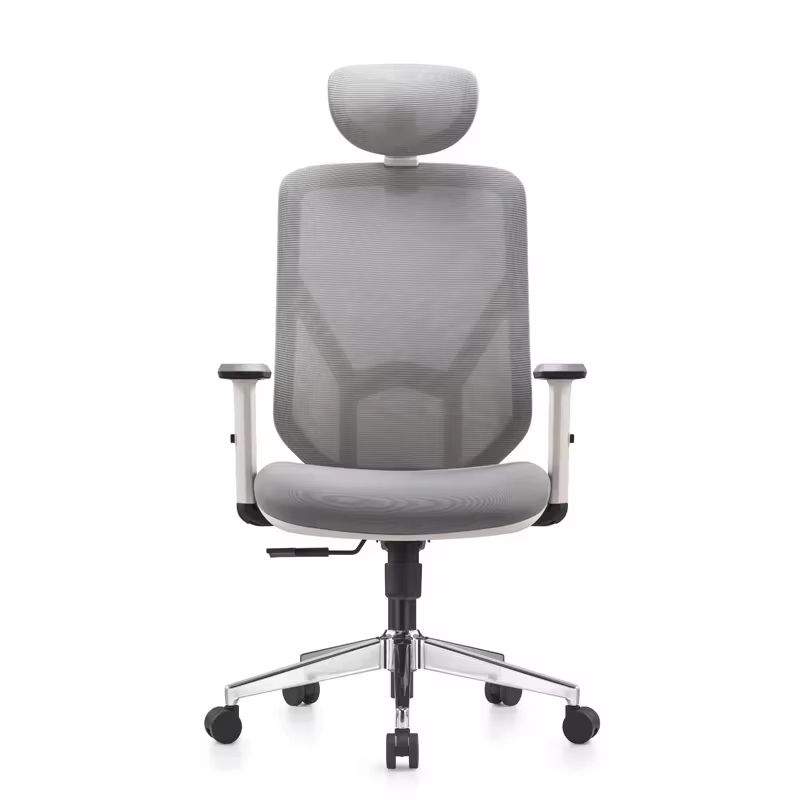
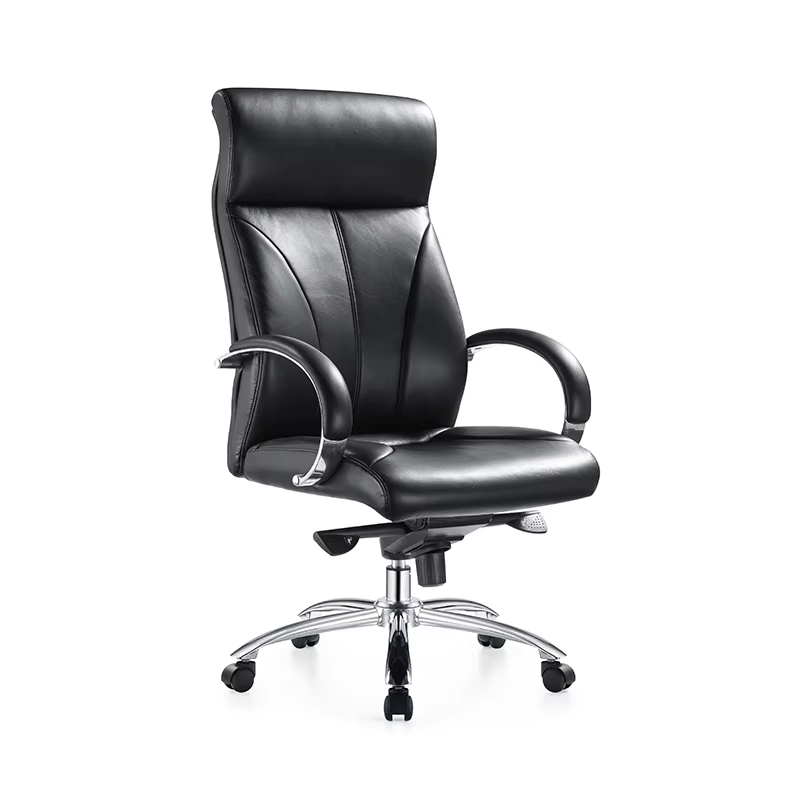
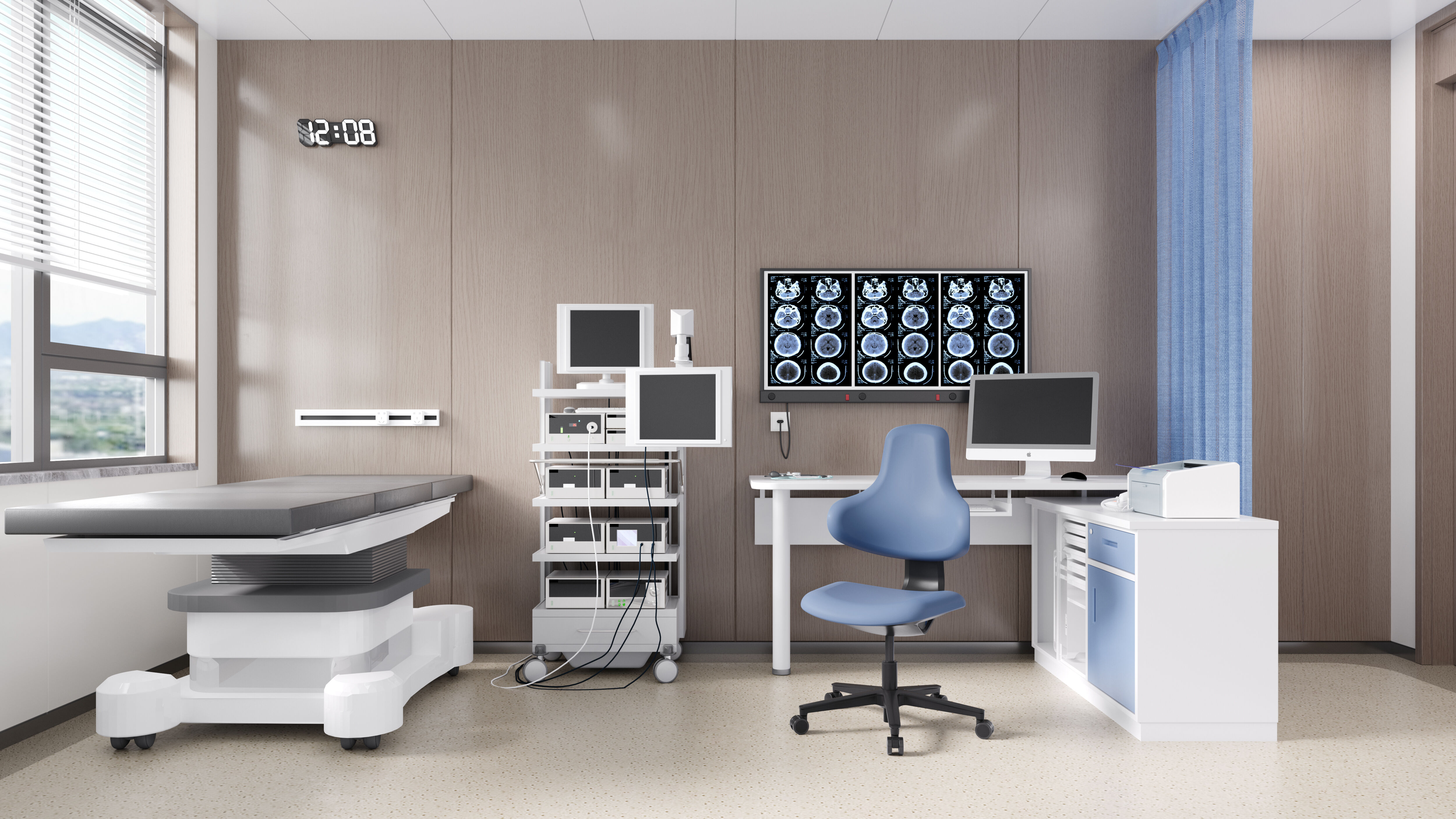
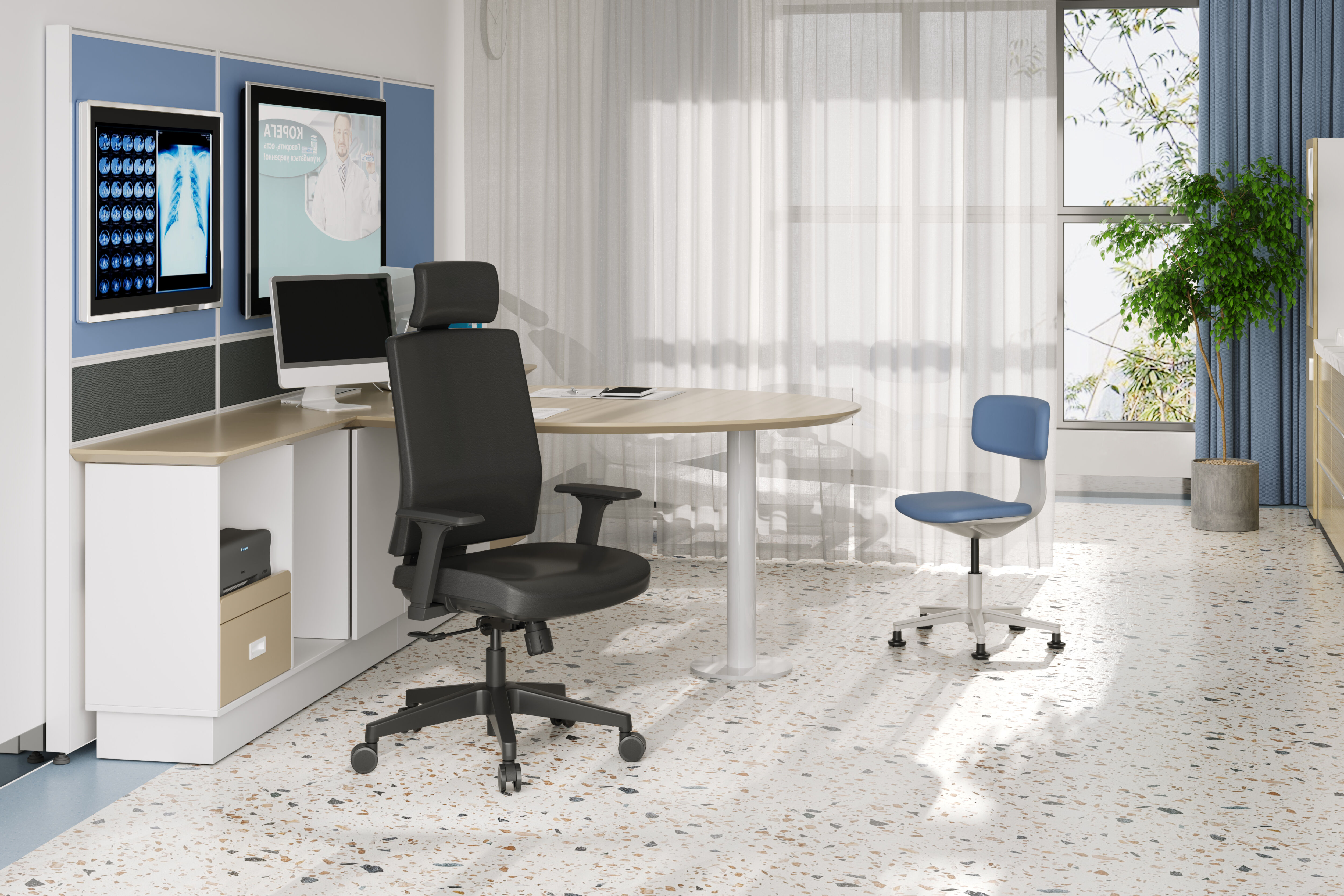
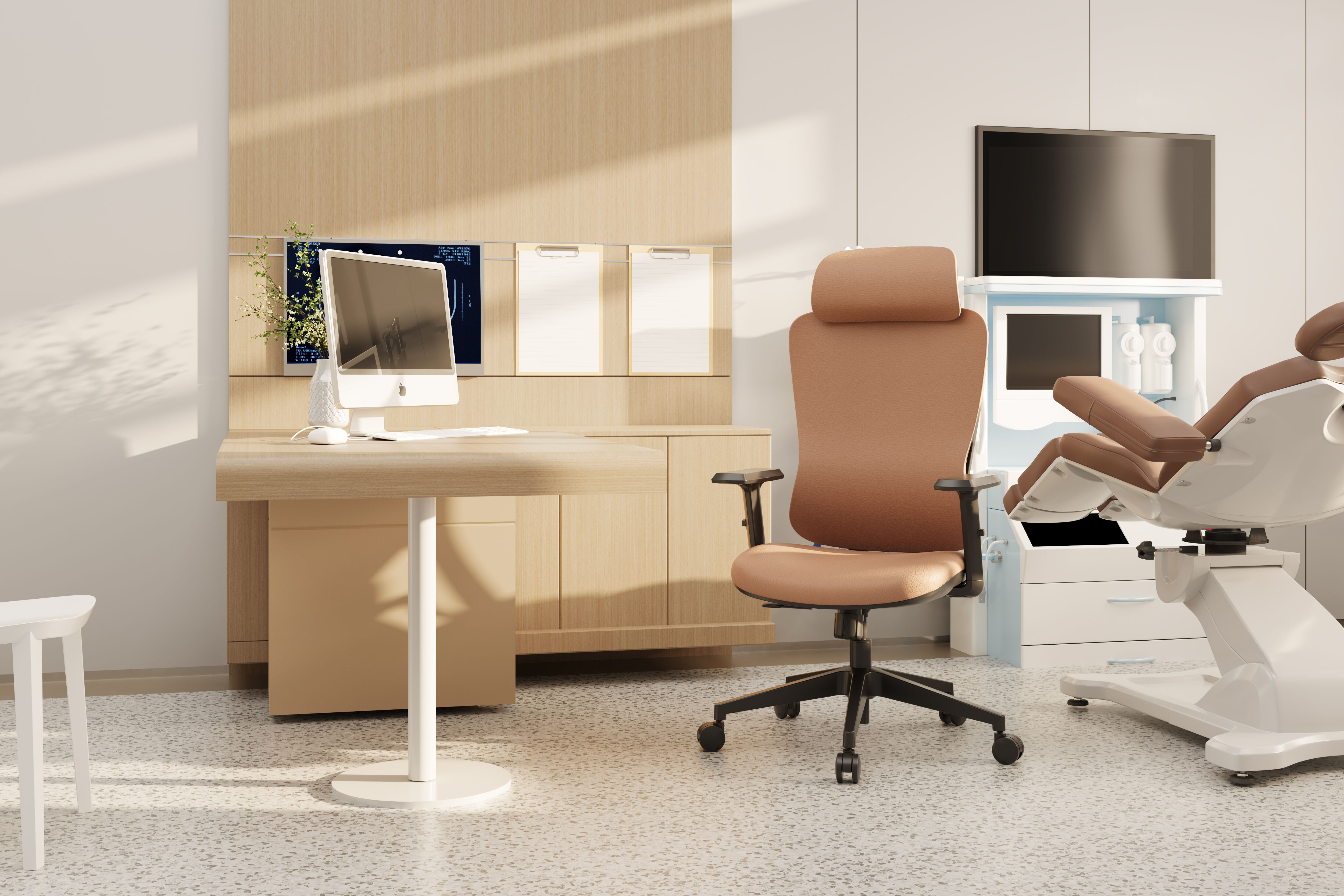
The patient hospital chair represents a crucial piece of medical furniture designed to provide comfort, functionality, and safety for patients during their healthcare journey. This specialized seating solution combines ergonomic design principles with advanced medical-grade materials to create an optimal environment for patient care and recovery. Modern patient hospital chairs feature multiple adjustable positions, allowing healthcare providers to accommodate various medical procedures and patient needs. The chair's robust construction ensures durability while maintaining the flexibility required for different treatment scenarios. Key technological features include pneumatic height adjustment mechanisms, smooth-rolling casters with locking capabilities, and antimicrobial upholstery that meets strict healthcare standards. The patient hospital chair typically incorporates a reclining backrest with multiple position settings, adjustable armrests, and removable or flip-up footrests for enhanced patient positioning. Advanced models may include integrated IV pole attachments, side tables, and storage compartments for medical supplies. The chair's design prioritizes infection control through seamless surfaces and easy-to-clean materials that withstand frequent sanitization. Weight capacity varies across models, with most patient hospital chairs supporting between 300 to 500 pounds. Safety features include non-slip surfaces, secure locking mechanisms, and rounded edges to prevent injury. The application scope of patient hospital chairs extends across various healthcare settings including hospitals, outpatient clinics, dialysis centers, chemotherapy treatment facilities, blood donation centers, and long-term care facilities. These versatile units serve multiple purposes from routine examinations to complex procedures, making them indispensable in modern healthcare environments. The patient hospital chair's adaptability allows it to function as examination seating, treatment positioning, recovery furniture, and transport assistance, demonstrating its comprehensive utility in patient care scenarios.



 EN
EN