
 EN

An office chair with wheels can make everyday workplace tasks easier by letting employees move between a desk, nearby equipment, and colleagues without repeatedly standing up. The benefits of an office chair with wheels go beyond convenience: smoother movement can support comfortable work habits, responsive collaboration, and better use of a workspace when the chair and floor are suited to each other.
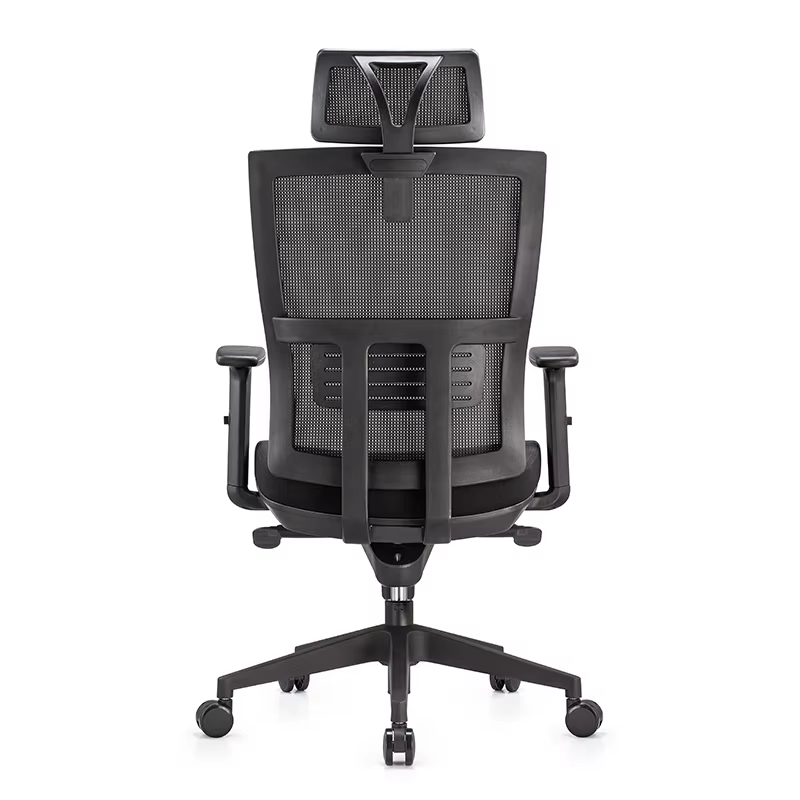
Still, mobility alone does not make a chair a good workplace choice. The value of an office chair with wheels depends on its fit with the employee, desk, flooring, and work routine. Understanding the practical benefits helps teams choose an office chair with wheels for the right reasons, set it up sensibly, and avoid expecting casters to solve issues that require a different ergonomic or workspace adjustment.
Everyday benefits for individual work
Movement within the workstation
A wheeled seat lets an employee reposition between a monitor, keyboard, phone, and desk-side storage with less effort. An office chair with wheels can reduce repeated standing and reaching when tools are placed nearby, while allowing small movements that make a workstation easier to use. This benefit is most noticeable in roles that involve several tasks at one desk, rather than extended periods in a fixed position.
Casters can also make it simpler to line up with a desk or turn toward a secondary screen. With an office chair with wheels, users can adjust their position instead of twisting their upper body to reach equipment. The chair does not replace good desk layout: frequently used items should remain within comfortable reach, and rolling should be controlled rather than used to compensate for an awkward monitor or poorly arranged workstation.
Comfort through posture changes
Remaining in one posture for too long can feel tiring, even when a chair is well designed. An office chair with wheels makes minor repositioning easier, giving users more freedom to change their relationship to the desk during the day. That movement may help a person settle into a comfortable working position, but it should complement appropriate seat height, back support, and screen placement rather than stand in for them.
A stable office chair with wheels should move when the user intends to move and stay settled during normal desk work. Employees can benefit from checking that the chair is adjusted so their feet are supported and their arms can reach the work surface without strain. When users can reposition easily, they may be less tempted to hold an uncomfortable angle simply because moving the chair is inconvenient.
Benefits for collaboration and workplace flow
Quick transitions between tasks
Many office roles alternate between focused computer work, reviewing documents, and brief conversations. An office chair with wheels supports those transitions by helping the user turn or move a short distance without lifting and carrying the seat. This can keep routine work flowing, especially in compact offices where a workstation serves several related activities throughout the day.
In shared work areas, a mobile seat can make it easier to face a colleague for a short discussion and then return to a screen. An office chair with wheels offers this flexibility without requiring furniture to be rearranged for every conversation. The benefit depends on having enough clear floor space, however; narrow aisles, loose cables, and crowded desk layouts can make rolling inconvenient or unsafe.
Flexible use of shared spaces
Teams that use touchdown desks or multipurpose rooms may value chairs that can be repositioned as activities change. An office chair with wheels can be moved to suit a meeting, training session, or temporary work setup, provided the chair is appropriate for that space. A mobile seat can support a more adaptable layout, but it does not eliminate the need for clear circulation paths or planned storage.
For facilities teams, choosing an office chair with wheels can also simplify ordinary workstation adjustments. Moving a chair aside to clean or access a desk is generally more convenient than shifting a heavy fixed seat. To keep that advantage, staff should be able to park chairs without blocking walkways, exits, or shared equipment, and should return them to designated work areas after use.
Choosing and using casters responsibly
Matching chair movement to the environment
The floor surface affects how an office chair with wheels moves and how controllable it feels. Hard flooring and carpet can call for different caster characteristics, so buyers should confirm compatibility with the actual workplace surface. A chair that rolls too freely or resists movement can frustrate users and disrupt work; testing it in the intended area is more informative than judging the chair by appearance alone.
Consider the desk height, available turning room, and tasks performed at the workstation before selecting an office chair with wheels. Employees who stay at one desk may need a different balance of mobility and stability from people who move between work surfaces. For a product reference, review this office chair with wheels alongside the dimensions and specifications relevant to your setup.
Maintaining safe, practical use
Routine checks help preserve the useful movement of an office chair with wheels. Look for casters that are obstructed, damaged, or uneven, and address debris that interferes with rolling. Employees should move at a controlled pace, keep pathways clear, and avoid leaning far from the seat to reach objects. These simple habits help make chair mobility a practical feature instead of a source of distraction.
A workplace should also consider user needs and local safety procedures when specifying an office chair with wheels. Some tasks call for a chair that remains firmly positioned, while certain floor conditions or mobility needs may favor a different seating solution. Where staff share chairs, adjustments should be straightforward and basic setup guidance should be available, so individuals can use the chair comfortably without relying on a single fixed configuration.
FAQ
What is the main benefit of an office chair with wheels?
The main benefit is convenient movement around a workstation. An office chair with wheels can help a user reposition between nearby tools or turn toward a colleague without lifting the chair. Its usefulness depends on sensible workspace layout, appropriate floor compatibility, and a stable seating setup.
Are wheeled office chairs suitable for every floor?
Not necessarily. The best caster fit depends on the floor surface and how much movement the task requires. Before installing an office chair with wheels, confirm that its casters are suitable for the intended flooring and check that the chair moves in a controlled way in the actual work area.
Can a wheeled chair improve workplace ergonomics?
It can support easier repositioning, but an office chair with wheels does not guarantee an ergonomic setup. Adjust the seat and desk relationship, place screens at a comfortable viewing position, and keep common items within reach. The chair is one part of a workstation, not a substitute for appropriate setup.


