
 EN
EN
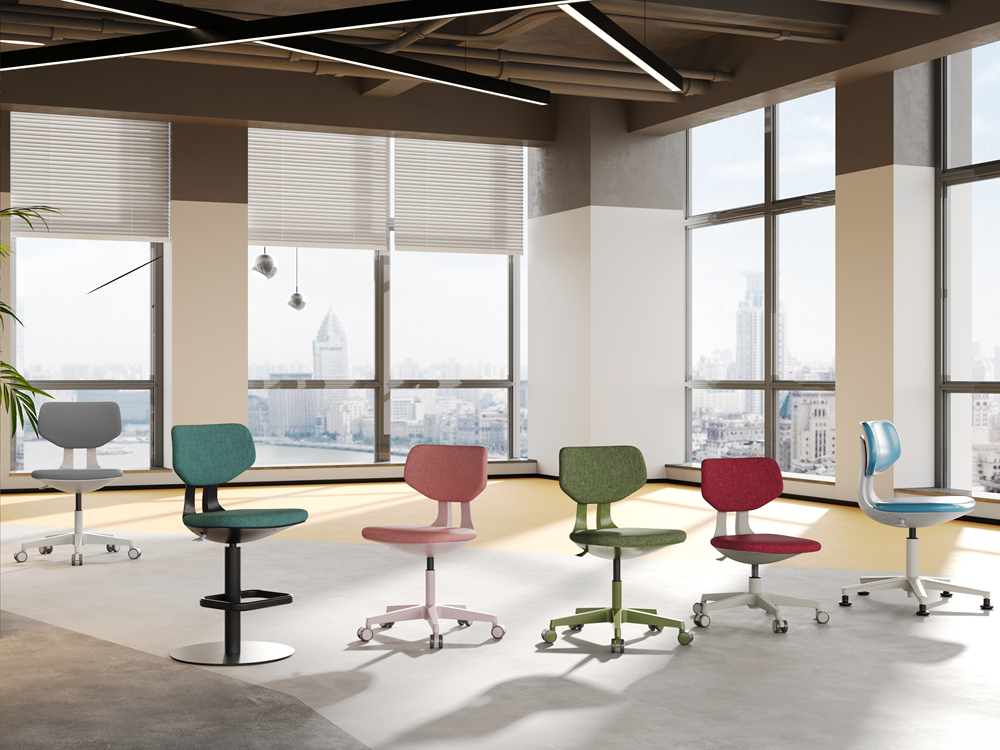
A properly selected lab chair serves as a foundational investment in technical work environments where precision, focus, and extended sitting hours are non-negotiable. Technical professionals—whether chemists, biologists, engineers, or laboratory technicians—spend significant portions of their workday seated while performing detailed tasks that demand concentration and physical stability. The quality of a lab chair directly influences how effectively these professionals maintain posture, sustain attention, and execute their responsibilities without physical strain or fatigue. Understanding how a lab chair enhances efficiency reveals why this furniture piece transcends simple seating and becomes a strategic tool for workplace productivity and employee wellbeing.
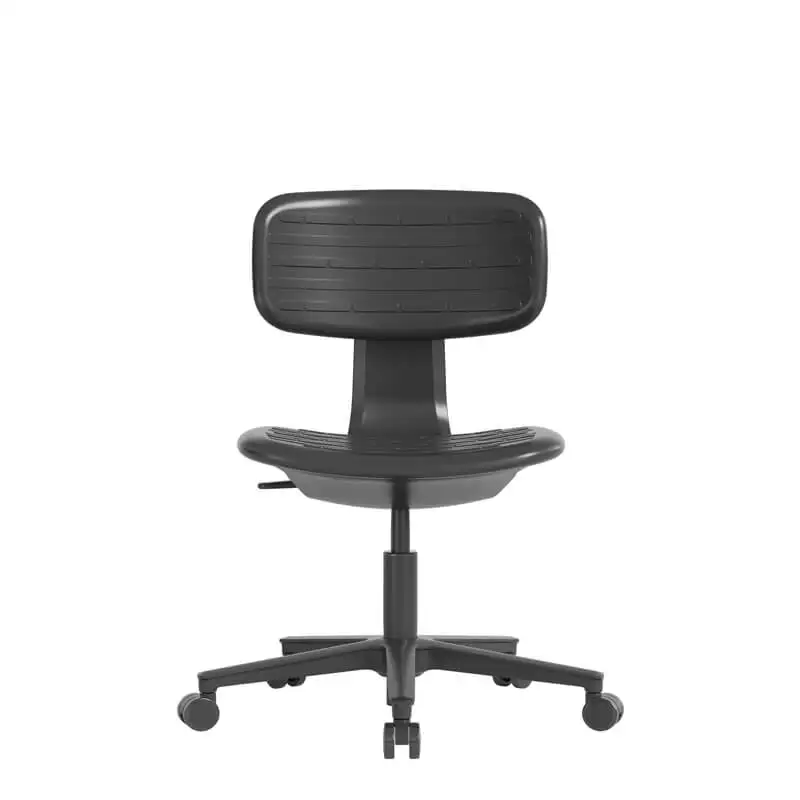
In technical environments where workstations involve microscopes, analytical instruments, computer monitors, and delicate equipment manipulation, a properly designed lab chair becomes the platform from which all precision work originates. An inefficient or poorly matched lab chair forces workers into compensatory postures, reduces their ability to reach work surfaces comfortably, and creates fatigue patterns that degrade both accuracy and output quality over time. Conversely, a well-engineered lab chair that addresses height adjustment, lumbar support, seat stability, and material durability creates conditions where technical professionals remain comfortable, focused, and capable of performing at their highest level throughout extended work sessions.
Posture Support and Physical Alignment in Technical Tasks
How Proper Lab Chair Design Reduces Strain
A quality lab chair provides the postural foundation necessary for precision work in technical environments. When a lab chair offers adjustable height, backrest angle, and seat depth, technical professionals can align their body position precisely with workstation geometry—whether that involves a microscope at eye level, a laboratory bench at arm height, or computer monitors at standard viewing angles. This alignment capability means that a lab chair supporting proper posture prevents the forward head position, rounded shoulders, and lower back compression that typically develop when workers fight against poorly sized or inflexible seating. The result is sustained physical comfort that allows focus to remain on technical tasks rather than on managing growing physical discomfort.
Supporting Extended Work Sessions
Technical work often involves extended periods of continuous sitting where workers cannot interrupt their focus without losing precision or workflow momentum. A properly engineered lab chair with lumbar support, cushioned seating, and breathable materials maintains comfort even during four, six, or eight-hour sessions without requiring frequent position adjustments or relief breaks. This sustained comfort translates directly to efficiency gains because workers spend less time shifting their weight, standing to stretch, or managing pain—all activities that interrupt concentration and slow progress on technical projects. When a lab chair eliminates physical distraction through thoughtful design, workers achieve the mental continuity necessary for complex technical problem-solving and detail-oriented tasks.
Mobility, Access, and Operational Efficiency Within Workspaces
Height Adjustability and Workstation Fit
Technical work environments demand that a lab chair accommodate precise height alignment with diverse workstation configurations. An adjustable lab chair allows workers to position themselves at the correct height relative to benchtop equipment, computer monitors, writing surfaces, and instruments, eliminating the constant micro-adjustments that occur when seating height cannot be properly matched to task requirements. This capability becomes especially critical in shared laboratory spaces where multiple individuals with different body dimensions use the same workstation. A versatile lab chair that adjusts across a wide height range accommodates this variation, ensuring that each user achieves optimal positioning regardless of their physical stature. When height adjustment is seamless and responsive, workers spend less time struggling with their setup and more time executing actual technical work.
Mobility and Accessibility Within Technical Spaces
Many technical work environments feature distributed equipment, multiple monitoring stations, or frequently accessed storage areas within the immediate work zone. A mobile lab chair with smooth-rolling casters enables workers to move smoothly between different points within their workspace without standing and sitting repeatedly or stretching across unstable distances. This mobility reduces the energy expenditure required to access nearby instruments, reference materials, or collaborative equipment, allowing professionals to maintain their workflow rhythm and mental engagement. Additionally, a stable lab chair with secure casters prevents unwanted rolling during delicate tasks where movement could compromise accuracy, offering workers the control they need to execute precision work confidently. The efficiency gained through effective mobility becomes significant over a full work shift, as workers conserve energy and maintain focus on technical objectives.
Material Durability, Hygiene, and Long-Term Workplace Value
Chemical and Environmental Resistance
Technical environments—particularly chemistry, biology, and materials science laboratories—expose equipment and seating to chemical splashes, thermal stress, and specialized cleaning protocols that would damage ordinary furniture. A properly specified lab chair constructed from chemical-resistant materials, treated upholstery, and corrosion-resistant fasteners maintains functionality and appearance despite regular exposure to laboratory conditions. This durability means that a lab chair continues providing consistent support and comfort over many years of intensive use, avoiding the performance degradation or aesthetic deterioration that would force premature replacement. When a lab chair withstands the chemical and physical demands of technical environments, organizations protect their investment and ensure that workers always have reliable, properly functioning seating that supports their efficiency and safety throughout its operational life.
Hygiene, Cleanliness, and Workplace Standards
Technical environments often maintain specific cleanliness standards for contamination control, allergen management, or regulatory compliance. A lab chair selected for technical environments typically features materials that resist bacterial growth, facilitate rapid cleaning, and maintain hygienic properties even with frequent sanitization protocols. Upholstery that resists staining and can be easily wiped clean ensures that a lab chair remains visually professional and free of accumulated residue—an important consideration in environments where cleanliness reflects laboratory standards and professional practice. When a lab chair supports workplace hygiene requirements through intelligent material selection, it contributes to regulatory compliance and demonstrates commitment to safe, professional technical practices. This operational alignment adds efficiency by reducing time spent on equipment maintenance and avoiding the complications that arise when seating fails to meet environmental standards.
FAQ
What specific features should I prioritize when selecting a lab chair for technical work?
When choosing a lab chair for technical environments, prioritize adjustable height to match your specific workstation geometry, lumbar support to maintain proper posture during extended sitting, breathable or chemical-resistant upholstery suited to your laboratory conditions, and smooth-rolling casters for efficient mobility within your work zone. Additionally, verify that your lab chair offers seat depth adjustment, backrest angle control, and materials compatible with any cleaning protocols or chemical exposure your environment requires. Testing your lab chair with your actual workstation setup before purchase ensures that the seating properly accommodates your specific technical tasks and workspace layout.
How does investing in a quality lab chair improve long-term workplace efficiency?
A quality lab chair reduces physical strain and fatigue that typically accumulate over extended work sessions, which means technical professionals maintain focus and accuracy throughout the workday without productivity degradation. Better posture support prevents the musculoskeletal issues that lead to absences, reduced work capacity, and lower output quality—all factors that impact long-term workplace efficiency. Over months and years, a durable lab chair designed for technical environments maintains consistent performance and resists the deterioration that forces frequent maintenance or replacement, protecting your capital investment while ensuring workers always have reliable seating supporting optimal performance.
Can a lab chair actually help reduce errors in precision technical work?
Yes, a properly designed lab chair supports the physical stability, sustained comfort, and focused concentration necessary for precision work, directly contributing to reduced error rates. When workers are comfortable, well-positioned, and free from physical distraction, they maintain the mental clarity and steady hand control required for microscopy, analytical measurement, and detailed technical assembly. Conversely, discomfort, poor posture, or unstable seating introduces involuntary movements and attention lapses that compromise accuracy—costs that accumulate rapidly in technical environments where precision is non-negotiable. Selecting a lab chair that supports your specific technical tasks therefore becomes a practical error-reduction strategy alongside its efficiency and wellbeing benefits.


