
 EN
EN

A properly designed lab chair serves as far more than just a seat in cleanroom and laboratory environments. The right lab chair directly impacts worker safety, contamination control, and operational efficiency in these highly regulated spaces. Selecting an appropriate lab chair requires understanding specific material standards, electrostatic properties, ergonomic features, and compliance requirements that distinguish laboratory seating from standard office furniture.
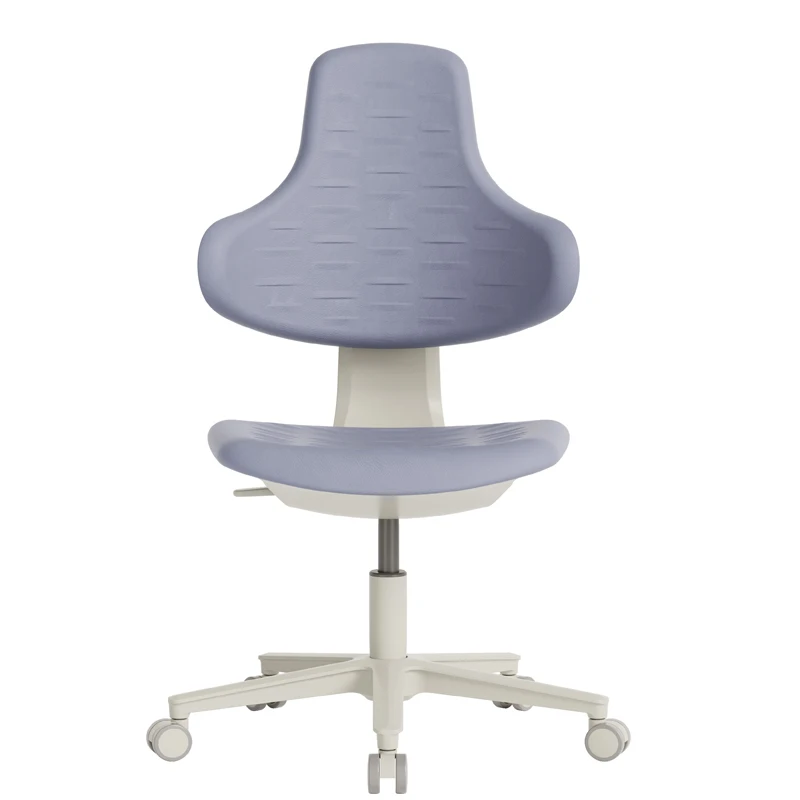
Manufacturing, pharmaceutical, semiconductor, and biotechnology facilities depend on specialized equipment to maintain controlled environments. A high-quality lab chair becomes an essential component of this ecosystem, protecting both product integrity and worker wellbeing. This guide explores the critical characteristics that define a suitable lab chair for cleanroom and laboratory applications.
Material Composition and Contamination Control
Surface Material Requirements for Lab Chairs
The surface materials of a lab chair directly influence contamination risk within cleanroom spaces. A suitable lab chair must feature non-shedding upholstery that resists particle generation. Polyurethane foam and vinyl coverings are common choices for laboratory seating because they minimize fiber release and facilitate thorough cleaning. Unlike traditional fabric chairs that accumulate particles and require frequent replacement, a properly constructed lab chair with PU foam surfaces maintains integrity throughout extended use cycles.
Chemical resistance represents another critical material consideration for lab chairs in specialized environments. A lab chair intended for use near solvents, cleaning agents, or reactive substances must feature surfaces capable of withstanding chemical exposure without degradation. The base materials, cushioning, and covering of your lab chair should resist discoloration, softening, or structural compromise when exposed to common laboratory chemicals. This durability extends the operational lifespan of the lab chair while ensuring ongoing safety standards.
Cleanability and Maintenance Standards
Maintenance protocols define the practical suitability of any lab chair in controlled environments. A functional lab chair must accommodate frequent cleaning with appropriate disinfectants and sterilization methods. Seamless design elements on your lab chair minimize crevices where particles or biological contaminants could accumulate. Easy-to-clean surfaces allow laboratory staff to perform required sanitization without removing the lab chair from service for extended periods.
The base construction of a lab chair significantly impacts cleanability. A lab chair featuring a smooth pedestal base rather than traditional casters or complex undercarriage geometry simplifies floor maintenance and reduces contamination routes. Each component of an effective lab chair, from armrests to height adjustment mechanisms, should be designed for accessibility during cleaning routines.
Electrostatic Discharge Protection and Performance
ESD Capabilities in Laboratory Seating
Electrostatic discharge poses significant risks in environments housing sensitive electronic components, microelectronics, or pharmaceutical formulations. A lab chair suitable for these applications must incorporate ESD protection features to prevent static buildup and discharge events. An appropriate lab chair includes conductive materials within the seat pan, backrest, and base that safely dissipate electrical charges to ground. This protective capability distinguishes a specialized lab chair from standard cleanroom furniture.
The conductive pathway in a quality lab chair extends from the user through the seating surface and into the floor grounding system. Testing and certification standards validate that a lab chair meets electrical resistance thresholds required for specific industries. A certified lab chair for semiconductor or microelectronics facilities includes documentation confirming ESD compliance, ensuring that the seating solution does not introduce static hazards into the work environment.
Static Dissipation Testing and Documentation
Verification of electrostatic properties separates a truly suitable lab chair from equipment making unsubstantiated claims. A compliant lab chair includes test reports demonstrating resistance values within acceptable ranges according to applicable standards. These measurements confirm that your lab chair consistently maintains proper static dissipation throughout its service life. Documentation also includes information about maintenance requirements to preserve ESD functionality over time.
Regular validation ensures that a lab chair continues meeting electrostatic specifications. Some facilities establish periodic testing protocols for their lab chair inventory to confirm ongoing compliance. A well-maintained lab chair supports continued protection against static-related incidents and product contamination throughout its operational lifespan.
Ergonomic Design and Workplace Safety Integration
Adjustability Features Supporting Extended Laboratory Work
Worker comfort directly influences productivity and reduces injury risk in laboratory settings. A properly designed lab chair incorporates multiple adjustment points to accommodate different body types and work tasks. Height adjustment, backrest recline, and armrest positioning allow each user to customize the lab chair to their specific ergonomic requirements. These adjustability features become especially important during extended laboratory procedures requiring prolonged sitting and precise hand positioning.
The seat design of a suitable lab chair distributes user weight evenly to reduce pressure points during long work sessions. Proper lumbar support in a quality lab chair minimizes back strain and fatigue, enabling laboratory professionals to maintain focus and accuracy throughout their shifts. Footrests on some lab chair models provide additional support options for users at different heights or those performing tasks requiring specific postures.
Stability and Movement Control in Controlled Environments
A lab chair used in cleanroom environments must balance mobility with environmental control. The caster wheels on an appropriate lab chair operate smoothly for positioning adjustments while maintaining stability during focused work. Some facilities prefer lab chair models with locking mechanisms on wheels to prevent unintended movement during critical procedures. Base geometry and weight distribution in a quality lab chair ensure stability even when users shift positions or reach toward workstations.
The relationship between a lab chair and surrounding equipment influences safe laboratory operations. Proper clearance and maneuverability around benches, fume hoods, and instruments require that a lab chair facilitate easy repositioning without creating pinch points or interference hazards. The overall footprint of your lab chair should complement facility layout while providing users with necessary movement freedom.
FAQ
What certifications should I verify before purchasing a lab chair?
A suitable lab chair should include certifications specific to your facility type and regulatory requirements. ESD compliance documentation, chemical resistance testing results, and biocompatibility certifications where applicable ensure that your lab chair meets necessary standards. Many manufacturers provide detailed specification sheets for their lab chair models listing relevant certifications, material composition, and testing protocols. Requesting these documents before purchase allows you to verify that a lab chair meets your facility's compliance requirements.
How often should a lab chair undergo cleaning and maintenance?
Cleaning frequency for a lab chair depends on your facility's contamination control protocols and environmental classifications. Cleanroom facilities often require daily wiping of lab chair surfaces with approved disinfectants, while some laboratory environments may allow less frequent cleaning. The design of your lab chair should support these cleaning schedules without requiring complete removal from service. Regular maintenance also includes checking wheel function, adjustment mechanisms, and inspecting surfaces for wear that might compromise the lab chair's protective properties.
Can a standard office chair function adequately in laboratory environments?
Standard office furniture lacks the specialized features required in contamination-sensitive laboratory environments. A typical office chair may shed particles, lack ESD protection, contain materials incompatible with chemical exposure, and fail to meet cleanroom classification requirements. Investing in a proper lab chair designed specifically for laboratory and cleanroom conditions ensures regulatory compliance, worker safety, and protection of sensitive work processes. Using inappropriate seating in these environments risks both product integrity and facility accreditation.


