
 EN
EN
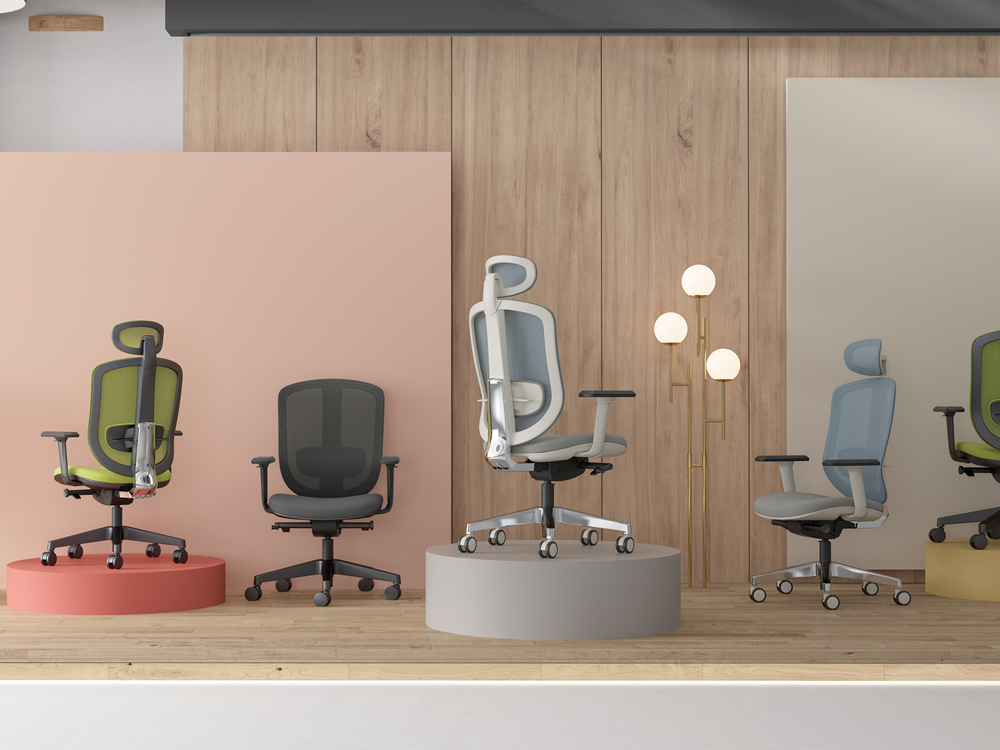
A lab chair is far more than just a place to sit during laboratory work. For professionals spending extended hours performing precision tasks, the right lab chair becomes a critical investment in both productivity and long-term health. The choice of lab chair directly influences your ability to maintain focus, accuracy, and physical well-being throughout demanding workdays. Understanding why a lab chair matters can transform how you approach your work environment and overall comfort.
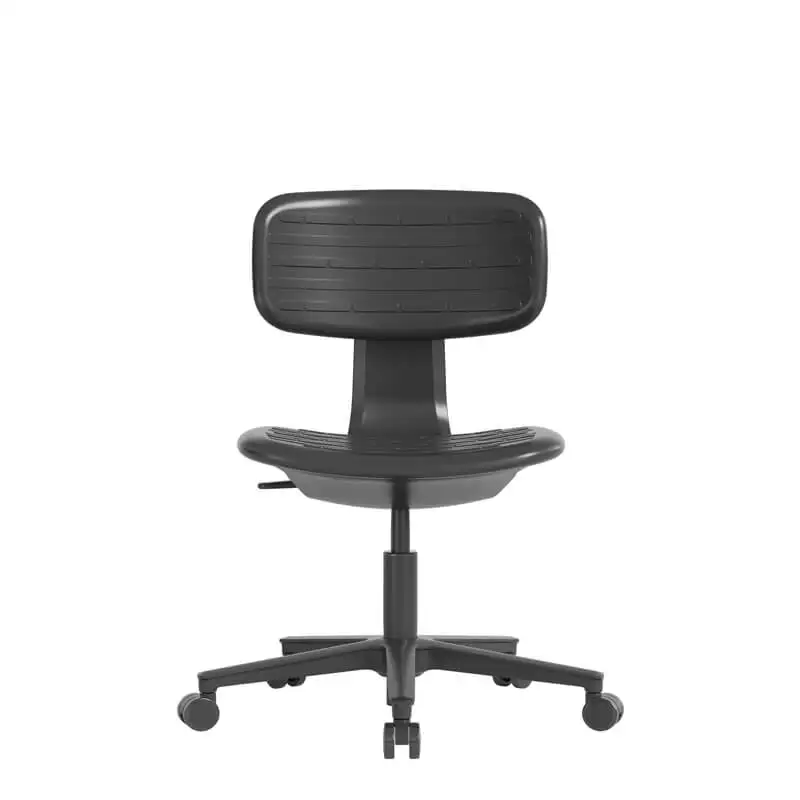
In precision-based laboratory environments, every detail counts. Your lab chair supports your posture, reduces physical strain, and creates the foundation for consistent, high-quality results. A poorly chosen lab chair can lead to discomfort, fatigue, and reduced accuracy, while the right lab chair enables you to focus entirely on your scientific work without distraction or pain.
The Ergonomic Foundation for Precision Work
Postural Support and Alignment
Precision work demands sustained concentration and steady hand control. A well-designed lab chair maintains your spine in proper alignment, preventing the slouching and forward-head posture that occur when seating is inadequate. The lab chair should support the natural curve of your lower back, reducing stress on the lumbar region during long work sessions. When your lab chair provides proper lumbar support, you maintain neutral spinal alignment, which minimizes muscle fatigue and allows you to sustain precision movements for extended periods.
Adjustability for Individual Fit
Every laboratory professional has different body proportions, work preferences, and task requirements. An effective lab chair must offer height adjustment, seat depth customization, and backrest positioning to accommodate individual needs. Height-adjustable lab chair models allow you to position your feet flat on the floor or footrest, keeping your knees at a 90-degree angle while maintaining proper arm height relative to your work surface. This precise positioning is essential for executing fine motor tasks without compensatory strain that accumulates over hours of work.
Physical Health Benefits During Extended Work Hours
Reducing Cumulative Strain and Injury Risk
Laboratory professionals often work extended shifts that demand sustained focus and fine manual dexterity. Sitting in an inadequate lab chair for six, eight, or ten hours daily creates cumulative musculoskeletal stress. Poor lab chair ergonomics leads to neck strain, shoulder tension, lower back pain, and wrist discomfort, all of which interfere with precision work performance. Investing in a quality lab chair significantly reduces these repetitive strain injuries by distributing body weight evenly and eliminating positions that create stress concentration in vulnerable areas.
Supporting Circulation and Comfort
Extended sitting impairs blood circulation when pressure points develop in the thighs and lower back. A properly designed lab chair with cushioning that supports without compressing promotes healthy circulation throughout long work sessions. The lab chair should feature breathable materials that regulate temperature and prevent moisture buildup. By maintaining comfort and supporting circulation, your lab chair prevents the afternoon fatigue and mental fog that compromises accuracy and decision-making in critical laboratory work.
Productivity and Work Quality Enhancement
Mental Focus and Reduced Distraction
When you sit in an uncomfortable lab chair, your brain allocates cognitive resources to managing discomfort rather than solving scientific problems. A quality lab chair eliminates physical distractions, allowing you to maintain deep focus on your precision tasks. The lab chair becomes invisible to your consciousness, meaning you do not shift position constantly seeking comfort or adjust your posture to relieve emerging pain. This uninterrupted mental clarity directly translates to fewer errors, faster completion of complex procedures, and better consistency across repeated measurements or analyses.
Movement Stability and Motion Control
Precision laboratory work often requires fine adjustments of position without compromising stability. A lab chair with a stable base, smooth swivel capability, and controlled movement enables you to reach instruments, adjust microscope height, or shift between work stations without destabilizing your core posture. The lab chair should provide enough mobility to enhance efficiency while maintaining the postural stability necessary for steady hands during delicate procedures. This balance between mobility and stability defines the performance difference between a basic lab chair and one engineered for demanding laboratory environments.
Durability and Long-Term Value
Laboratory lab chair models engineered for professional use withstand years of daily work without performance degradation. The lab chair materials resist wear, chemical exposure, and frequent adjustment cycles that would damage less robust furniture. A high-quality lab chair maintains proper support and alignment throughout its service life, ensuring consistent performance for every user over many years. This durability means your investment in a quality lab chair continues delivering ergonomic benefits and productivity gains far longer than budget alternatives that deteriorate and require replacement.
FAQ
How does a lab chair improve precision work accuracy?
A lab chair supports proper posture and spinal alignment, reducing physical strain that interferes with steady hand control. When you sit in a well-designed lab chair, your body remains stable and comfortable, allowing maximum focus on your precision tasks. This reduces compensatory movements caused by discomfort, which minimizes errors in delicate procedures, measurements, and analyses that depend on consistent, controlled hand positioning.
What features should a lab chair have for long work hours?
An effective lab chair for extended work sessions requires adjustable height, lumbar support, breathable cushioning, and a stable base with smooth movement controls. The lab chair should allow you to position your feet flat on the floor with knees at 90 degrees, maintain neutral spinal alignment, and provide cushioning that supports without creating pressure points. Look for a lab chair with materials that resist chemical exposure and offer durable construction that maintains ergonomic performance over years of daily use.
Can the right lab chair prevent occupational injuries?
Yes, a properly designed lab chair significantly reduces the risk of cumulative musculoskeletal injuries associated with prolonged laboratory work. The lab chair prevents the postural compromise, strain concentration, and circulation impairment that lead to neck pain, back problems, and repetitive strain conditions. By maintaining proper alignment and comfort throughout extended work hours, a quality lab chair protects your long-term physical health while allowing you to maintain high performance standards in precision laboratory environments.


