
 EN
EN
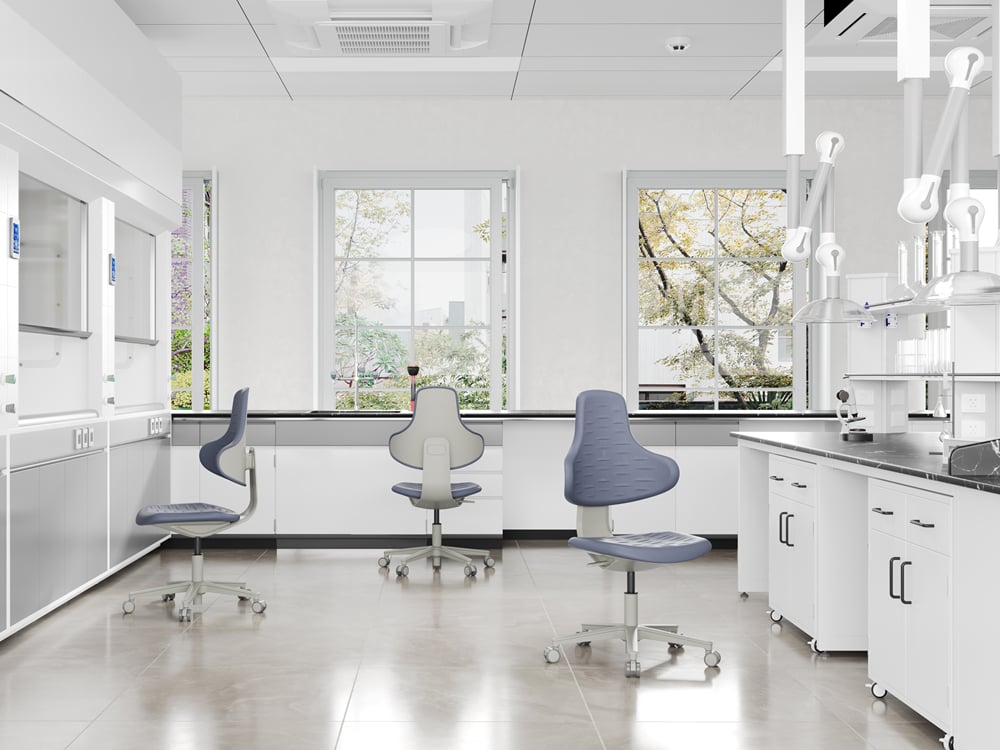
Patient comfort during long waiting times remains one of the most overlooked factors in modern healthcare facilities. When individuals arrive at hospitals or clinics, they often spend considerable time in waiting areas before receiving care or treatment. The quality of seating available during this period directly impacts patient satisfaction, stress levels, and overall perception of the healthcare experience. Hospital chair designs play a critical role in addressing this challenge by combining ergonomic principles with practical functionality. Understanding how thoughtful hospital chair designs can transform these waiting experiences is essential for administrators, facility managers, and healthcare providers committed to patient-centered care.
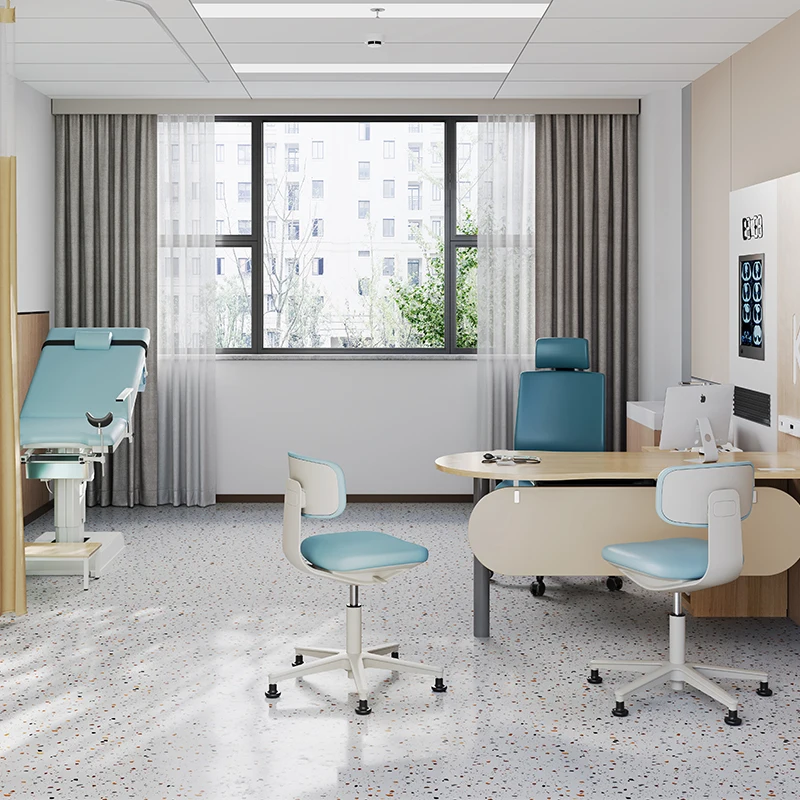
Effective hospital chair designs consider multiple dimensions beyond simple aesthetics. These dimensions include lumbar support, seat height optimization, material selection, durability, and ease of cleaning. Modern healthcare facilities recognize that well-designed waiting room seating reduces patient anxiety, minimizes physical strain, and supports dignity during vulnerable moments. The investment in quality hospital chair designs yields measurable returns through improved patient satisfaction scores, reduced complaints, and enhanced facility reputation.
Understanding Ergonomic Foundations in Hospital Chair Designs
Spinal Support and Postural Alignment
Hospital chair designs must prioritize spinal support because patients of varying ages and physical conditions will occupy these seats. Proper lumbar support maintains the natural curve of the spine, preventing the discomfort that develops from slouching or forward leaning. When hospital chair designs incorporate a curved backrest, patients experience reduced pressure on their lower back during extended sitting periods. This feature becomes especially important for elderly patients, individuals with pre-existing back conditions, or those recovering from procedures that limit mobility. The best hospital chair designs offer adjustable lumbar support or contoured backing that accommodates different body types without requiring manual adjustment.
Seat Depth and Height Optimization
Seat dimensions directly influence comfort and accessibility in hospital chair designs. A seat that is too deep forces users to either sit without back support or experience pressure behind the knees. Conversely, insufficient seat depth leaves users unsupported at the thighs. Hospital chair designs typically feature 16 to 18 inches of usable seat depth to accommodate most body types comfortably. Seat height represents another critical dimension, as patients must be able to rest their feet flat on the floor or a footrest to avoid leg fatigue. Well-engineered hospital chair designs maintain seat heights between 17 and 19 inches, allowing easy entry and exit while promoting proper circulation and reducing strain on legs and lower back during extended waiting periods.
Material Selection and Durability Considerations
Infection Control and Cleanability
Healthcare environments demand seating materials that withstand rigorous cleaning protocols while maintaining durability. Hospital chair designs increasingly utilize vinyl, polyurethane, or antimicrobial upholstery rather than fabric that harbors bacteria and becomes difficult to sanitize. These materials can be wiped down with hospital-grade disinfectants without degradation, supporting infection control standards required in clinical settings. The frame material in hospital chair designs must also resist moisture and chemical exposure from repeated cleaning. Powder-coated steel frames or stainless steel components prevent rust and corrosion while maintaining structural integrity. This commitment to cleanable, durable materials in hospital chair designs demonstrates a facility's dedication to patient safety and disease prevention.
Comfort Without Compromise
High-performance materials used in hospital chair designs do not require sacrificing comfort for practicality. Modern polyurethane and vinyl formulations provide cushioning comparable to traditional upholstery while offering superior durability and hygiene. Foam density and thickness in hospital chair designs affect how well seats absorb body weight and distribute pressure evenly. Quality hospital chair designs incorporate high-density foam cores that resist compression over time, maintaining comfort and support through thousands of patient interactions. The combination of resilient foam, infection-resistant upholstery, and reinforced frames creates seating that balances medical facility requirements with genuine patient comfort.
Design Features That Reduce Fatigue and Anxiety
Armrest Design and Accessibility
Armrests in hospital chair designs serve multiple functions beyond comfort enhancement. They provide leverage for patients with mobility challenges to sit and stand with reduced strain on knees and hips. Padded, well-positioned armrests in hospital chair designs support forearms and reduce shoulder tension during long waits. Additionally, hospital chair designs with accessible armrest spacing accommodate patients of different body widths without making anyone feel squeezed or uncomfortable. Fixed or slightly angled armrests prevent pressure points while allowing users to position themselves naturally. The thoughtful inclusion of armrests in hospital chair designs demonstrates attention to user needs across the full spectrum of patient populations, from pediatric through geriatric care.
Color Psychology and Environmental Impact
Hospital chair designs incorporate color selection as a psychological component of patient comfort strategy. Calming colors such as soft blues, greens, and neutral tones in hospital chair designs reduce perceived stress and create therapeutic waiting environments. Research in healthcare design confirms that color choice influences emotional responses, with certain hues promoting relaxation while others may increase anxiety. Hospital chair designs using warm, muted tones alongside bright accent chairs provide visual interest while maintaining a soothing atmosphere. The aesthetic quality of hospital chair designs contributes meaningfully to the overall healing environment, signaling to patients that the facility values their wellbeing from the moment they arrive.
FAQ
What specific ergonomic features should I prioritize when selecting hospital chair designs?
Prioritize lumbar support, adjustable seat height, adequate seat depth, padded armrests, and high-density foam cushioning. Hospital chair designs with these foundational features significantly reduce patient discomfort during extended waiting periods. Additionally, verify that the backrest angle is adjustable between 95 and 105 degrees to accommodate diverse body types and preferences without compromising spinal alignment.
How frequently should hospital chair designs be replaced in healthcare facilities?
Well-maintained hospital chair designs typically remain functional and comfortable for 5 to 7 years in moderate-use environments. High-traffic waiting areas may require replacement every 3 to 5 years depending on frame integrity, cushion compression, and upholstery condition. Regular inspection of hospital chair designs for structural damage, foam deterioration, or worn materials ensures timely replacement before patient comfort and safety are compromised.
Can hospital chair designs accommodate patients with mobility limitations?
Yes, modern hospital chair designs increasingly include features for patients with mobility challenges, such as armrests positioned for leverage, slightly elevated seat heights that reduce standing effort, and adequate spacing for walkers or canes. Some hospital chair designs feature higher armrests and firmer cushioning specifically engineered for elderly or physically limited patients. Consulting with healthcare design specialists ensures that hospital chair designs meet accessibility standards and support diverse patient needs effectively.


