
 EN
EN
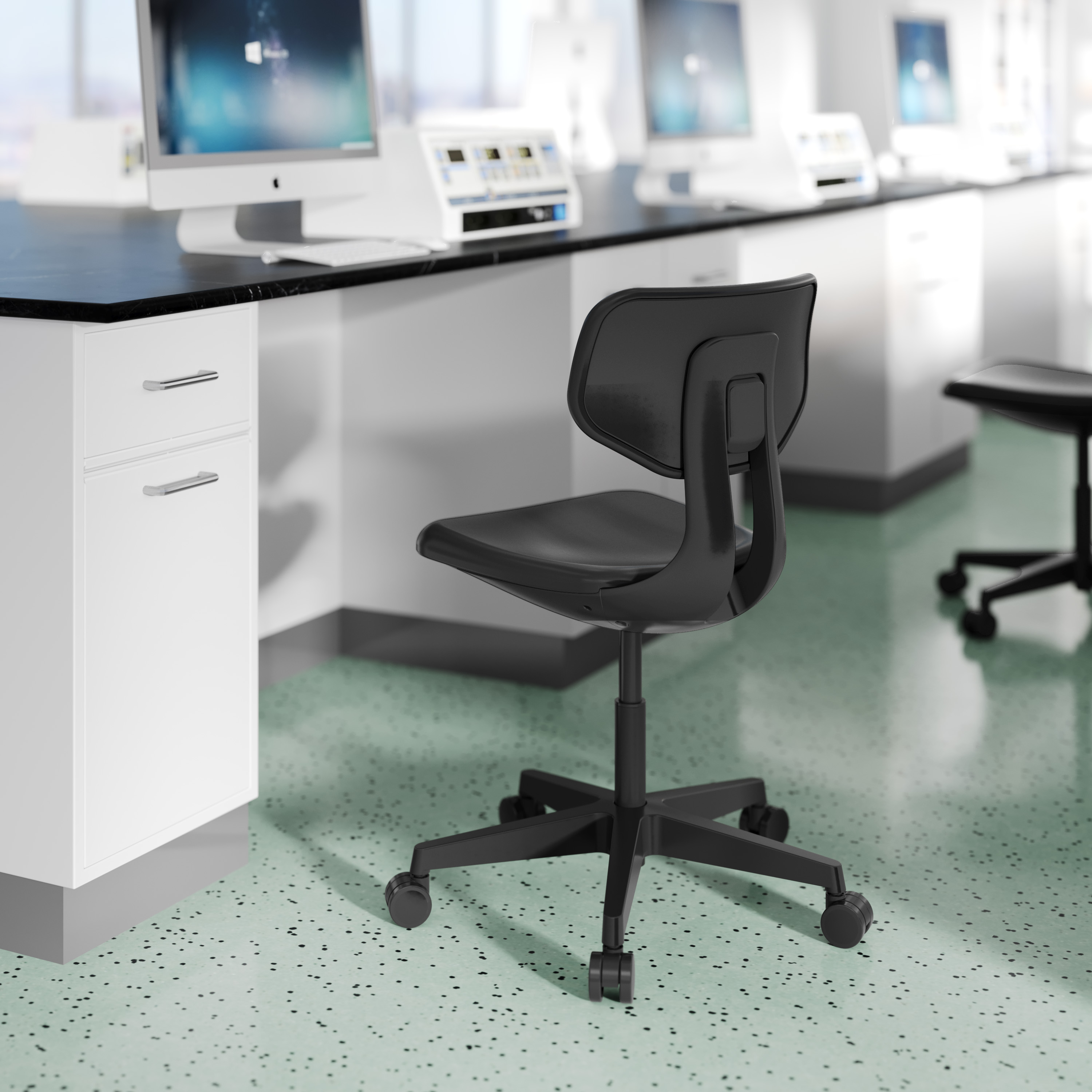
The quality of classroom furniture plays a surprisingly significant role in how well students concentrate and retain information. A training chair design that prioritizes comfort and proper support can dramatically influence academic performance, yet many educational institutions overlook this critical factor. When students sit in poorly designed chairs, they experience physical discomfort that diverts mental energy away from learning, resulting in decreased focus and lower retention rates. Understanding how training chair design affects the learning environment is essential for educators, facility managers, and administrators who want to create spaces where students can truly excel.
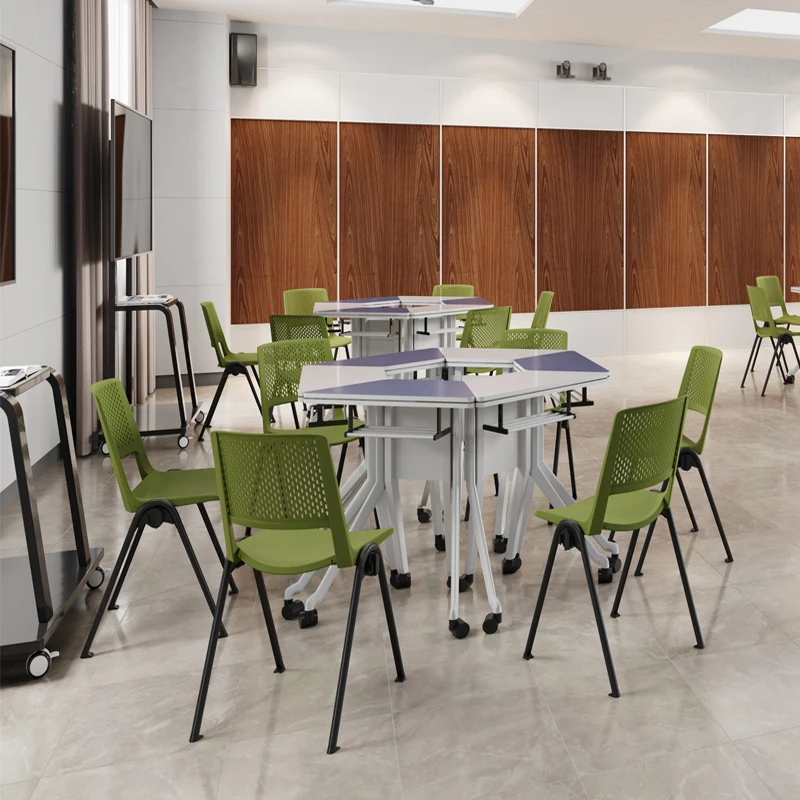
Modern educational research consistently demonstrates that environmental factors, particularly seating comfort, directly correlate with student engagement and information retention. A well-engineered training chair design addresses multiple ergonomic needs simultaneously, including proper spinal alignment, weight distribution, and postural support. When students are seated in chairs that support their natural body position, they can maintain focus for longer periods without experiencing fatigue or distraction. This article explores the specific ways that thoughtful training chair design contributes to improved learning outcomes and provides practical guidance for selecting furniture that truly enhances the educational experience.
Ergonomic Features That Drive Student Focus
Spinal Support and Postural Alignment
The foundation of any effective training chair design is proper spinal support that encourages healthy posture throughout extended study sessions. When a chair lacks adequate lumbar support, students unconsciously adjust their seating position repeatedly, causing muscle fatigue and creating mental distractions. A training chair design that includes contoured backrests and adjustable lumbar support helps maintain the natural S-curve of the spine, reducing strain on the lower back and neck. This ergonomic foundation allows students to focus on content delivery rather than physical discomfort, leading to measurable improvements in concentration and academic performance.
Seat Depth and Cushioning Technology
The seat pan dimensions in a quality training chair design must accommodate various body types while maintaining consistent support. Proper seat depth, typically between 16 and 18 inches, prevents pressure on the back of the thighs and distributes weight evenly across the sitting surface. Advanced cushioning materials in modern training chair design absorb impact and provide long-lasting comfort without flattening during extended use. When students sit in chairs with inadequate cushioning, blood flow restriction in their lower extremities leads to numbness and fidgeting, both of which significantly impair learning retention and focus duration.
Impact on Information Retention and Memory Formation
Reduced Cognitive Load from Physical Discomfort
Neuroscience research confirms that physical discomfort creates competing demands on cognitive resources, leaving less mental capacity for learning. An optimized training chair design minimizes pain signals and muscular tension, allowing the brain to allocate more processing power toward understanding and retaining new information. When students are uncomfortable, their working memory becomes partially occupied with discomfort awareness, reducing their ability to encode new concepts into long-term memory. A training chair design that prioritizes comfort essentially removes a significant barrier to effective learning, enabling students to maintain attention and process information more deeply.
Extended Concentration Periods
Students in training environments often participate in multi-hour sessions or back-to-back classes that demand sustained attention. A training chair design engineered for extended comfort allows learners to maintain focus throughout these long periods without requiring frequent position shifts or breaks. The consistency of support provided by a quality training chair design prevents the attention lapses that occur when physical discomfort peaks at regular intervals. Research in educational settings shows that students using ergonomically superior seating demonstrate higher retention rates when tested on material presented during the latter half of extended training sessions, directly proving that training chair design impacts memory formation across time.
Implementation Strategies for Educational Institutions
Assessing Your Current Seating Environment
Before investing in new furniture, institutions should conduct a thorough audit of their existing training chair design specifications and observe actual student comfort complaints. Document issues such as students shifting frequently, rubbing their backs, or leaving sessions early with pain complaints, as these indicate that current training chair design is inadequate. Gather feedback directly from students and instructors about specific comfort issues, as this qualitative data guides selection of new seating solutions. An effective training chair design assessment considers not only the physical specifications of existing chairs but also how students interact with them throughout daily learning activities.
Selection Criteria for New Training Seating
When evaluating new furniture options, prioritize training chair design features that align with your student demographic and usage patterns. Look for adjustability across multiple dimensions, as students have varying body sizes and proportions that require individualized support configurations. A premium training chair design should offer height adjustment, seat-depth customization, and backrest angle modifications to accommodate diverse physical needs. Additionally, consider the training chair design materials and durability, as educational furniture must withstand years of intensive use while maintaining its ergonomic properties and comfort characteristics.
FAQ
How does poor training chair design affect student performance?
Poor training chair design creates physical discomfort that diverts cognitive resources from learning, reducing both focus duration and information retention. When students experience back pain, neck strain, or circulation problems, their brain allocates processing power to pain management rather than content comprehension. Studies show that students in uncomfortable seating demonstrate lower test scores, reduced participation, and decreased engagement compared to those in ergonomically optimized chairs. The cumulative effect of poor training chair design can significantly impact academic achievement over extended learning periods.
What specific ergonomic features should a training chair design include?
An effective training chair design should include lumbar support that follows the spine's natural curve, a cushioned seat pan that distributes weight evenly, proper seat height adjustment, and a backrest that can be angled to individual preferences. Additionally, a quality training chair design incorporates armrest options, breathable materials to prevent heat buildup during extended sitting, and a base that provides stability without restricting foot positioning. The ideal training chair design also considers visual line-of-sight positioning relative to instructional displays and ensures students can maintain alert posture throughout training sessions.
How can institutions measure the impact of improved training chair design?
Institutions can assess the effectiveness of upgraded training chair design by comparing student performance metrics before and after implementation, including test scores, attendance rates, and participation levels. Additionally, conduct surveys measuring student comfort, focus, and learning satisfaction to gather qualitative feedback about how the new training chair design affects their experience. Track instructor observations about student engagement and attention span, as these often shift noticeably when training chair design quality improves. Over time, reduced absenteeism, higher completion rates, and improved academic outcomes all serve as indicators that the new training chair design positively impacts the learning environment.


