
 EN
EN
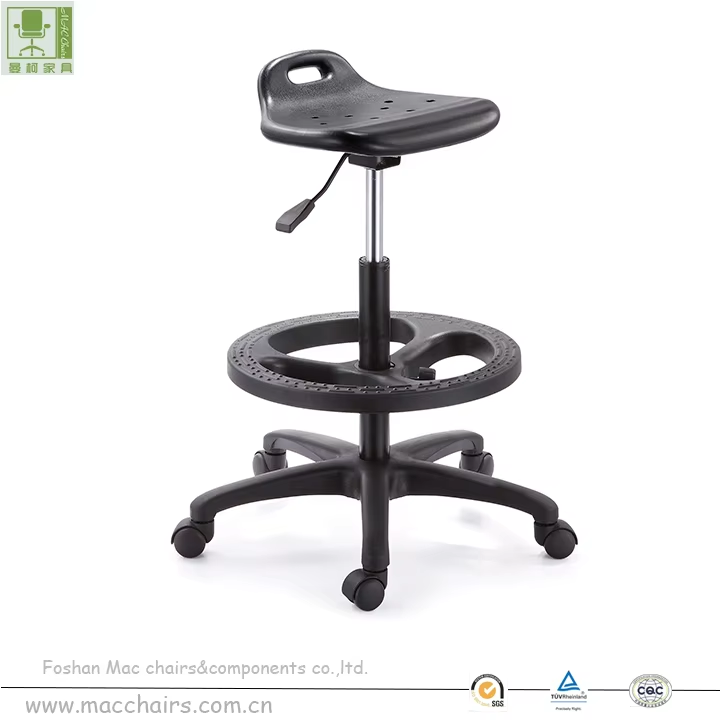
Laboratory environments demand exceptional focus, steady hands, and sustained concentration throughout extended work sessions. Professionals conducting microscopic analysis, operating sensitive instruments, or performing intricate procedures face a unique challenge: maintaining precision while seated for hours at a time. The right laboratory chair becomes more than mere furniture—it transforms into a critical component of workplace ergonomics that directly influences research quality, experimental accuracy, and researcher wellbeing. Understanding how specialized seating supports both precision work and prolonged laboratory sessions reveals why investing in purpose-built laboratory furniture matters for scientific productivity.
Laboratory work differs fundamentally from standard office tasks in ways that conventional seating cannot adequately address. Researchers frequently transition between seated microscopy, standing bench work, and equipment operation, requiring furniture that accommodates dynamic postures without compromising stability. Chemical exposure risks, contamination control protocols, and electrostatic discharge concerns further complicate seating requirements in technical environments. A properly designed laboratory chair addresses these multifaceted demands through specialized materials, adjustable height mechanisms, and structural features that support both microscopic precision and marathon research sessions without forcing users to choose between comfort and performance.
Ergonomic Design Features That Enable Sustained Precision
Postural Support Architecture for Microscope Work
Microscopy and detailed laboratory analysis require forward-leaning postures that standard office chairs cannot properly support. A specialized laboratory chair incorporates a contoured seat pan with forward tilt capability, allowing researchers to lean toward optical equipment while maintaining lumbar support. This design prevents the lower back collapse that occurs when users perch on conventional chair edges during magnification work. The seat depth adjustment ensures shorter-statured individuals can maintain full back contact while taller users avoid pressure behind the knees, accommodating diverse body types without compromising spinal alignment during precision tasks.
The backrest geometry on quality laboratory seating differs markedly from executive chairs, featuring a narrower profile that permits shoulder mobility for reaching across benchtops. Adjustable lumbar support allows each user to position the convex curve precisely at their lower spine's natural arch, counteracting the flexion forces inherent in laboratory work. This targeted support maintains the spine's S-curve even during extended periods of forward reach, reducing muscle fatigue that accumulates over eight-hour research sessions. Without proper lumbar positioning, researchers unconsciously shift posture every few minutes, introducing micro-movements that compromise work requiring sub-millimeter precision.
Height Adjustment Mechanisms for Multi-Level Workstations
Laboratory environments rarely feature uniform work surface heights—benchtops, fume hoods, and equipment stations occupy different elevations throughout a single workspace. A laboratory chair equipped with pneumatic height adjustment spanning a broad range enables seamless transitions between workstations without postural compromise. The control mechanism must operate smoothly under load, allowing mid-task adjustments without requiring users to stand or disrupt their workflow. This continuous adjustability proves essential when moving from standard bench height to elevated microscope stages or lowered write-up desks throughout the research day.
Extended height range becomes particularly critical in facilities where standing-height benches predominate. Laboratory chairs with extended cylinder travel accommodate perching postures at counter-height stations, providing partial weight support that reduces lower extremity fatigue during prolonged standing protocols. The ability to raise seating to standing desk compatibility transforms the laboratory chair into a versatile support system that follows researchers through varied tasks rather than confining them to seated-only configurations. This adaptability directly supports precision work by eliminating the postural compromises that occur when furniture geometry conflicts with task requirements.
Stability Features That Eliminate Unwanted Movement
Precision laboratory work demands absolute stability during critical procedures—microscope focusing, pipetting operations, and delicate equipment adjustments tolerate no chair-induced vibration or shift. A properly engineered laboratory chair incorporates a five-star base with a wide footprint that resists tipping during asymmetrical loading when users reach laterally for supplies. The caster selection balances mobility needs against inadvertent rolling, with many laboratory chairs featuring locking mechanisms that immobilize the chair during precision tasks while remaining easily releasable for repositioning between procedures.
The seat mechanism itself contributes to stability through controlled swivel resistance. Unlike conference chairs designed for conversation mobility, laboratory seating often incorporates adjustable swivel tension that users can increase during delicate operations requiring upper body stillness. This feature prevents the frustrating micro-rotations that occur when reaching for items slightly off-center, maintaining visual alignment with microscope eyepieces or measurement instruments. The combination of base stability, caster control, and swivel management creates a steady platform that supports rather than undermines work requiring steady hands and fixed visual focus.
Material Selection for Laboratory Environment Compatibility
Chemical Resistance and Contamination Control
Laboratory chairs encounter exposure scenarios foreign to conventional office furniture—solvent splashes, disinfectant sprays, and routine decontamination protocols that would rapidly degrade standard upholstery materials. Purpose-built laboratory seating utilizes polyurethane coverings that resist penetration by common laboratory chemicals while remaining impervious to bleach-based cleaning agents. This material selection extends beyond mere durability to encompass safety, as porous fabrics can absorb hazardous substances and create persistent contamination sources that compromise both researcher safety and experimental integrity through cross-contamination.
The seamless construction of laboratory chair surfaces eliminates the crevices where particulates, biological materials, or chemical residues accumulate in conventionally upholstered seating. Molded polyurethane seats and backs feature continuous surfaces that wipe clean completely, meeting the stringent hygiene standards required in microbiological, pharmaceutical, and clinical laboratory settings. This design consideration directly supports long working hours by maintaining a sanitary seating environment throughout extended sessions, eliminating the discomfort and health concerns associated with sitting on contaminated surfaces. The material's non-porous nature also prevents moisture absorption that creates odor and bacterial growth issues in humid laboratory environments.
Electrostatic Discharge Protection for Sensitive Work
Electronics laboratories, semiconductor research facilities, and environments housing sensitive analytical instruments require electrostatic discharge control to prevent equipment damage and data corruption. Specialized laboratory chairs incorporate conductive materials throughout their construction, creating a controlled pathway for static charge dissipation. The ESD-safe laboratory chair connects the seated user to a grounding system, maintaining electrical potential equilibrium that prevents the sudden discharges occurring when standard furniture accumulates charge through friction during normal movement.
This protective feature becomes essential during precision work with voltage-sensitive components or instruments where even minor static events compromise measurement accuracy. The conductive pathway typically runs through the chair's structure to conductive casters or a dedicated grounding connection, maintaining continuous protection regardless of user movement. For researchers performing long hours of detailed electronics work or operating mass spectrometers and other charge-sensitive equipment, a laboratory chair with integrated ESD protection eliminates a significant source of experimental error while protecting expensive instrumentation from electrostatic damage that accumulates through repeated exposure.
Durability Engineering for Continuous Use Environments
Research facilities often operate around the clock with multiple shift rotations, subjecting laboratory chairs to usage intensities that far exceed typical office furniture loads. The structural components of a quality laboratory chair reflect this demand through reinforced frames, industrial-grade gas cylinders rated for extended cycle life, and wear-resistant bearing surfaces in adjustment mechanisms. This robust construction ensures that support characteristics remain consistent across years of intensive use rather than degrading within months as consumer-grade seating would under similar conditions.
The economic implications of durability extend beyond replacement costs to encompass the precision work impact of gradually deteriorating furniture. As conventional chairs age, their adjustment mechanisms lose precision, cushioning compresses unevenly, and structural joints develop play that introduces instability. These degradations occur gradually enough that users may not consciously notice the changes, yet their cumulative effect on posture and stability undermines work quality. A properly engineered laboratory chair maintains its ergonomic and stability characteristics throughout its service life, providing consistent support for precision work regardless of accumulated usage hours.
Adjustment Capabilities Supporting Diverse Laboratory Tasks
Armrest Configuration for Bench Work and Writing
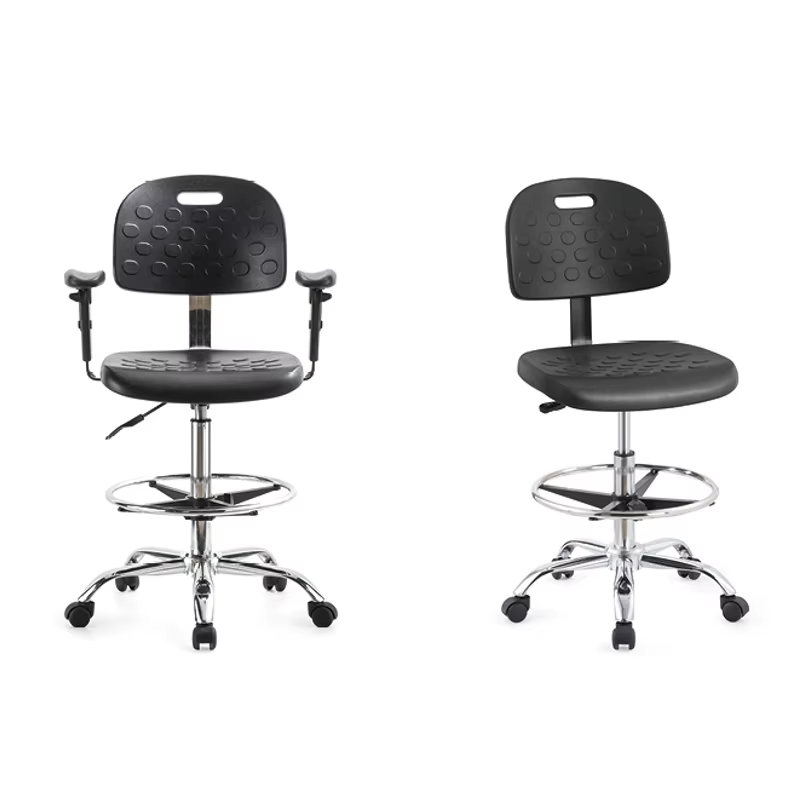
Laboratory work alternates between tasks requiring arm support and activities where armrests obstruct access or contamination control. The ideal laboratory chair features height-adjustable armrests that lower completely out of the way during bench work, then raise to support forearms during documentation tasks or computer data entry. This adjustability prevents the common compromise where fixed armrests either interfere with bench approach or fail to provide useful support at writing surfaces. The armrest width adjustment further enhances utility by accommodating both close-to-body positioning for typing and wider spacing that accommodates bulky personal protective equipment.
Removable armrests offer another approach for laboratories where contamination protocols or space constraints make any armrest presence problematic. The ability to completely remove arm supports creates an unobstructed perimeter around the seated user, facilitating the close bench approach required for microscopy and precision manipulation tasks. For facilities with mixed workstation types, investing in laboratory chairs with tool-free armrest removal allows rapid configuration changes as individual researchers move between equipment requiring different clearances. This flexibility supports long working hours by eliminating the postural compromises and resulting discomfort that occur when furniture geometry conflicts with task requirements.
Footring Integration for Elevated Seating Positions
When laboratory chairs elevate to accommodate standing-height workstations, users' feet often dangle unsupported, creating circulation issues and lower extremity discomfort during extended work periods. An integrated footring provides a stable platform at an appropriate distance below the seat, maintaining proper leg geometry regardless of seat height. This feature proves essential for researchers of shorter stature who require full seat elevation to achieve proper work surface alignment, as unsupported dangling feet create pressure behind the knees that becomes intensely uncomfortable within minutes.
The footring diameter and positioning influence both comfort and stability during precision work. A larger-diameter ring positioned farther from the central column provides more stance options, allowing users to shift foot placement throughout long sessions without destabilizing the chair. Some laboratory chair designs incorporate adjustable footring height, accommodating the varying leg lengths across a diverse user population and providing optimal support whether the seat occupies mid-range or fully elevated positions. This attention to lower extremity support might seem secondary to upper body ergonomics, yet inadequate leg support creates postural shifts and fidgeting that directly compromise the upper body stillness required for microscopy and delicate manipulation tasks.
Seat Tilt and Depth Adjustments for Forward-Leaning Tasks
Laboratory work frequently requires forward postures that position the torso ahead of the hip joint—a geometry that standard flat seat pans cannot properly support. A laboratory chair with forward tilt capability allows the seat front to drop slightly below the rear, matching the seat angle to the user's forward-leaning posture. This adjustment maintains full seat contact and weight distribution even during microscope work, preventing the perching position that occurs when users slide forward on flat seats. The reduced pressure concentration improves circulation and comfort during extended sessions while maintaining the pelvic positioning necessary for proper spinal alignment.
Seat depth adjustment addresses the front-to-back dimension, ensuring appropriate thigh support across varying user heights. Too-deep seats create pressure behind shorter users' knees, while insufficient depth leaves taller users without adequate thigh support, both scenarios creating discomfort that escalates throughout long laboratory sessions. Quality laboratory chairs incorporate tool-free seat depth adjustment spanning several inches, allowing precise customization to individual leg lengths. This dimensional tuning works synergistically with tilt adjustments to create a support platform that matches the user's body geometry during the specific postures required for their laboratory tasks, supporting both precision work and sustained comfort.
How Laboratory Chair Features Combat Fatigue During Extended Sessions
Circulation Maintenance Through Pressure Distribution
Prolonged sitting creates pressure concentration points that restrict blood flow to the lower extremities, producing the numbness, tingling, and discomfort that force posture shifts and work interruptions. A properly designed laboratory chair distributes body weight across a broad seating area through contoured cushioning that matches human anatomy. The seat front features a waterfall edge that curves downward rather than creating a sharp transition, eliminating the pressure concentration that occurs when seat edges compress against the underside of thighs. This design detail maintains unrestricted circulation even during marathon research sessions, preventing the lower extremity discomfort that undermines concentration during precision work.
The cushioning material itself influences long-duration comfort through its response characteristics and density. High-quality laboratory chairs utilize multi-density foam that provides initial softness for comfort while maintaining sufficient firmness to prevent excessive compression over time. This construction avoids both the concrete-hard feel of overly firm industrial seating and the hammock-like bottoming-out that occurs with consumer-grade cushioning after hours of use. The result is consistent support that maintains the user's pelvic position and weight distribution throughout an entire work shift, eliminating the gradual postural degradation that occurs as inferior cushioning compresses and users unconsciously shift to find comfortable positioning.
Temperature Regulation in Extended Contact Surfaces
Body heat accumulation at contact surfaces creates discomfort that intensifies throughout long sitting periods, producing the damp, sticky sensation that distracts from mental focus during detailed work. Laboratory chairs designed for extended use incorporate materials with thermal management properties—perforated or textured surfaces that promote air circulation between the user and seating surface. This ventilation prevents the heat and moisture buildup that occurs with smooth, solid upholstery, maintaining a more comfortable microclimate at the skin-seat interface throughout prolonged contact periods.
The polyurethane materials commonly used in laboratory chair construction offer inherent advantages for temperature management compared to fabric-covered foam. The relatively non-insulating properties of solid polyurethane conduct body heat away from contact areas more effectively than fabric-foam combinations, while the material's moisture resistance prevents the dampness accumulation that amplifies discomfort in conventional upholstery. For researchers working in temperature-controlled laboratory environments where air conditioning maintains cool ambient conditions, these heat transfer characteristics become particularly beneficial, creating a comfortable seating experience that remains consistent throughout full-day research sessions.
Mental Focus Support Through Postural Stability
The relationship between physical comfort and mental performance becomes critical during precision laboratory work requiring sustained concentration. Postural discomfort creates a distraction loop where physical sensations repeatedly pull attention away from the task, fragmenting focus and reducing work quality. A laboratory chair that properly supports the body eliminates this distraction source, allowing complete mental engagement with the work. The effect extends beyond mere absence of discomfort—proper postural support reduces the physical effort required to maintain working positions, conserving mental resources that would otherwise allocate to postural control.
This cognitive benefit becomes measurable during tasks requiring visual acuity and fine motor control, where even slight attention fragmentations degrade performance. Researchers working with a properly configured laboratory chair report entering flow states more readily and maintaining concentration for longer periods before requiring breaks. The stability features that eliminate micro-movements and the ergonomic adjustments that reduce muscle tension work synergistically to create conditions where the body essentially disappears from conscious awareness, allowing complete mental immersion in complex analytical tasks. This psychological dimension of laboratory chair performance proves as important as the physical support characteristics in enabling the long hours of focused work that modern research demands.
Selecting Laboratory Chair Specifications for Specific Work Types
Matching Chair Features to Primary Laboratory Tasks
Different laboratory disciplines impose distinct physical demands that should guide laboratory chair selection. Microscopy-intensive work benefits most from chairs with extensive forward tilt capability and narrow backrest profiles, while analytical chemistry requiring frequent standing-sitting transitions prioritizes height range and footring robustness. Electrophysiology and electronics laboratories demand ESD protection as a non-negotiable feature, whereas microbiology facilities emphasize seamless, easily sanitized surfaces above other considerations. Conducting a task analysis before specifying laboratory chairs ensures the selected furniture directly addresses the dominant activities rather than providing generic features that may not align with actual usage patterns.
Multi-user environments present additional complexity, as a single laboratory chair might serve researchers with different body dimensions and task requirements across shift rotations. In these scenarios, chairs with extensive adjustability become essential, allowing each user to configure the seating to their personal requirements at shift start. Tool-free adjustment mechanisms facilitate this customization, as complicated adjustment procedures create barriers that result in users simply accepting suboptimal positioning rather than investing time in proper configuration. The ideal laboratory chair for shared environments balances comprehensive adjustability with intuitive controls that enable rapid personalization without requiring training or reference to instruction manuals.
Integration with Broader Workplace Ergonomics Programs
Laboratory chairs function as one component within a comprehensive ergonomics system that includes work surface heights, equipment positioning, lighting design, and workflow organization. The most sophisticated laboratory chair cannot fully compensate for poorly positioned microscopes, inadequate task lighting, or bench heights that mismatch the seated user's elbow level. Effective laboratory ergonomics requires holistic consideration of how furniture, equipment, and architectural elements interact to support or undermine proper working postures. Organizations serious about supporting precision work and long hours should evaluate laboratory chairs as part of workstation systems rather than as isolated furniture purchases.
This systems perspective extends to training researchers in proper laboratory chair adjustment and usage. Many ergonomic problems stem not from inadequate furniture but from users unfamiliar with adjustment capabilities or unaware of optimal positioning principles. Providing brief training sessions during laboratory orientation—demonstrating how to configure laboratory chairs for different tasks and explaining the relationship between seating adjustments and work quality—multiplies the return on furniture investments. Researchers who understand how to leverage their laboratory chair's capabilities report higher satisfaction and fewer discomfort complaints, even when working with mid-tier rather than premium furniture specifications.
Evaluating Quality Indicators and Manufacturer Standards
The laboratory chair market includes options spanning vast price ranges, with significant quality variations that may not be immediately apparent during brief trials. Reputable manufacturers provide detailed specifications regarding weight capacities, adjustment ranges, material compositions, and compliance with relevant standards such as ANSI/BIFMA or EN1335 for ergonomic seating. These certifications indicate testing against defined performance criteria, providing assurance that the furniture will deliver expected support characteristics under normal usage conditions. Laboratory managers should prioritize manufacturers offering comprehensive technical documentation and warranty terms reflecting confidence in long-term durability.
Component quality becomes evident through details like gas cylinder certifications, caster load ratings, and material safety data sheets for upholstery. Premium laboratory chairs specify Class 4 gas cylinders tested for hundreds of thousands of height adjustment cycles, while budget options may use Class 2 cylinders failing after months in intensive-use environments. Similarly, caster specifications indicating load capacities and floor compatibility reveal whether the manufacturer engineered the complete chair system or simply assembled commodity components. These technical details separate purpose-built laboratory seating from conventional office chairs marketed into laboratory environments without genuine suitability for the application.
FAQ
How does a laboratory chair differ from a standard office chair?
A laboratory chair incorporates specialized features absent in conventional office seating, including chemical-resistant upholstery materials, extended height adjustment ranges for varied work surface elevations, and stability enhancements preventing movement during precision tasks. Many laboratory chairs also integrate footrings for elevated sitting positions, ESD protection for electronics environments, and contamination-resistant construction with seamless surfaces facilitating decontamination protocols. The ergonomic geometry differs as well, with seat tilt capabilities and backrest profiles supporting the forward-leaning postures common in microscopy and bench work rather than the reclined positions appropriate for computer-focused office tasks.
What features should I prioritize when selecting a laboratory chair for precision work?
Stability features rank highest for precision work, including a wide five-star base, locking casters, and adjustable swivel tension that immobilizes the chair during delicate operations. Ergonomic adjustability follows closely, particularly seat height range matching your workstation elevations, lumbar support positioning, and forward tilt capability if your work involves microscopy or similar forward-leaning tasks. Material selection becomes important for laboratory environments, with polyurethane construction offering chemical resistance and easy decontamination. If your work involves electronics or sensitive instrumentation, ESD protection transforms from optional to essential, preventing static discharge that compromises equipment and experimental results.
Can one laboratory chair comfortably accommodate eight-hour work sessions?
A properly specified and adjusted laboratory chair absolutely supports full-shift comfort, provided it matches your body dimensions, task requirements, and workstation configuration. The key lies in comprehensive adjustability allowing precise customization rather than accepting default positioning. Users should configure seat height positioning elbows at work surface level, adjust lumbar support to match their lower spine curve, set seat depth providing full thigh support without knee pressure, and utilize tilt and armrest adjustments appropriate for their specific tasks. Even premium laboratory chairs deliver poor results when maladjusted, while mid-range furniture properly configured often outperforms higher-priced options used at default settings. Investing time in proper adjustment yields comfort dividends throughout extended work sessions.
How frequently should laboratory chairs be replaced or maintained?
Quality laboratory chairs typically deliver five to ten years of service in normal-use environments, with intensive 24-hour facility operations potentially reducing this lifespan. Regular maintenance extends furniture longevity—periodic inspection of gas cylinders for leakage, caster examination for wear or damage, tightening of structural fasteners, and upholstery assessment for tears or chemical degradation. Chairs showing diminished height adjustment retention, excessive wobble, or compromised upholstery integrity should be replaced rather than continuing in service, as degraded furniture undermines both ergonomic support and laboratory safety. Establishing replacement schedules based on usage intensity rather than arbitrary timelines ensures researchers consistently work with equipment maintaining its designed performance characteristics rather than gradually deteriorating furniture that compromises work quality.
Table of Contents
- Ergonomic Design Features That Enable Sustained Precision
- Material Selection for Laboratory Environment Compatibility
- Adjustment Capabilities Supporting Diverse Laboratory Tasks
- How Laboratory Chair Features Combat Fatigue During Extended Sessions
- Selecting Laboratory Chair Specifications for Specific Work Types
- FAQ