
 EN
EN
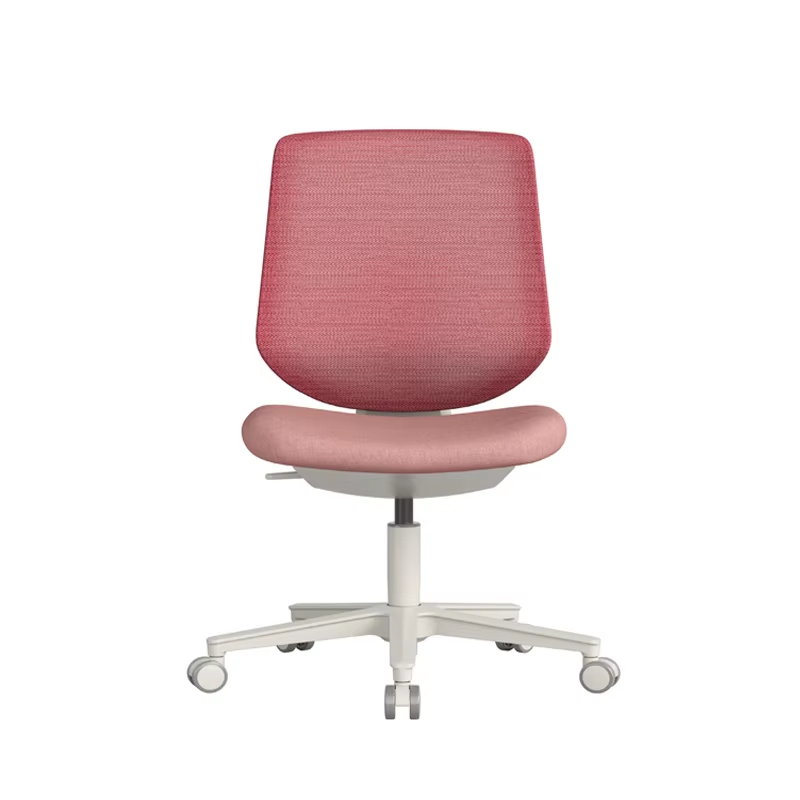
Research facilities operate under unique demands that distinguish them from standard office environments or educational settings. The personnel working in laboratories, whether conducting chemical analyses, biological research, or precision engineering tests, spend extended periods performing tasks that require intense focus, repeated movements, and constant interaction with specialized equipment. These operational realities create specific ergonomic challenges that directly impact both the quality of research outcomes and the long-term health of laboratory staff. Understanding why research facilities require adjustable laboratory chair options begins with recognizing that laboratory work is fundamentally different from conventional seated work, involving dynamic postures, frequent transitions between standing and sitting, and interaction with workstations at varying heights.
The necessity for adjustable seating solutions in research environments stems from several interconnected factors that collectively define the modern laboratory workspace. Research personnel vary significantly in height, body proportions, and physical capabilities, yet they must all achieve precise positioning relative to microscopes, fume hoods, lab benches, and analytical instruments. Fixed-height seating creates barriers to proper ergonomic alignment, forcing workers into compromised postures that accumulate stress over time. Furthermore, the nature of laboratory protocols often requires researchers to transition between different workstations throughout their shift, each potentially configured at different heights or requiring different working postures. An adjustable laboratory chair serves as the foundational element that enables researchers to maintain optimal body mechanics regardless of their specific task, equipment configuration, or individual anthropometric characteristics, thereby protecting their musculoskeletal health while simultaneously supporting the precision and consistency that rigorous scientific work demands.
The Biomechanical Demands of Laboratory Work
Postural Variation Across Laboratory Tasks
Laboratory work encompasses a remarkably diverse range of physical activities that impose varying biomechanical demands on the human body. Researchers frequently alternate between fine motor tasks requiring close visual focus, such as pipetting or microscope work, and broader activities like equipment operation or sample preparation. Each task category demands different trunk angles, arm positions, and visual alignments. When using an adjustable laboratory chair, personnel can modify seat height to ensure their forearms remain parallel to the work surface, reducing shoulder elevation and the associated trapezius muscle strain that commonly develops in laboratory workers. This positional flexibility becomes particularly critical when working with microscopes, where even slight misalignment between eye level and ocular height creates neck flexion that, when sustained over hours, leads to cervical spine disorders.
The transitional nature of laboratory protocols further compounds these ergonomic challenges. A single experiment may require a researcher to move between a seated position at a lab bench, a partially standing position at a fume hood, and a fully seated position at a computer workstation for data entry. Without height adjustability, workers either struggle with inappropriate seating positions or abandon seating altogether during certain phases, leading to prolonged standing that introduces its own set of musculoskeletal risks. An adjustable laboratory chair equipped with pneumatic height adjustment mechanisms enables rapid repositioning that matches the workflow rhythm of laboratory protocols, reducing the cumulative postural stress that results from sustained awkward positions. This adaptability directly translates to reduced fatigue, fewer positioning errors during precision tasks, and lower incidence of work-related musculoskeletal disorders.
Anthropometric Diversity Among Research Personnel
Research facilities employ personnel spanning a wide range of body dimensions, from the fifth percentile female to the ninety-fifth percentile male in standard anthropometric distributions. This variation means that optimal seat height can differ by more than fifteen centimeters between individuals working at the same laboratory bench. Fixed-height seating inevitably creates compromised positions for a significant portion of the workforce, forcing shorter individuals to elevate their shoulders to reach work surfaces while taller individuals must flex their spines excessively to achieve visual alignment with their work. These forced postures increase intradiscal pressure in the lumbar spine and create sustained muscle activation patterns that lead to chronic pain conditions and reduced work capacity over time.
Beyond simple height variation, individuals differ in torso-to-leg length ratios, which affect the relationship between seat height and optimal working posture even when overall stature is similar. An adjustable laboratory chair addresses this complexity by providing sufficient height range to accommodate the full spectrum of body proportions encountered in research environments. Quality laboratory seating typically offers adjustment ranges exceeding twenty centimeters, ensuring that both the shortest and tallest personnel can achieve neutral spine positioning with feet firmly supported and thighs parallel to the floor. This individualized fit capability is not merely a comfort consideration but a functional necessity for maintaining the postural stability required for precise manipulations and sustained concentration during complex analytical procedures.
Equipment Integration and Workspace Compatibility
Variable Laboratory Bench Heights
Research facilities typically feature laboratory benches configured at different heights depending on their intended use, age of installation, and equipment requirements. Standard laboratory benches in North American facilities commonly range from thirty-four to thirty-six inches in height, but specialized workstations may deviate significantly from these norms. Instrumentation requiring visual alignment with digital displays may be positioned higher, while benches designed for standing work during certain procedures may be installed at counter height. This height variation across the laboratory floor means that a researcher moving between workstations throughout the day encounters different ergonomic challenges at each location.
The adjustable laboratory chair provides the critical interface that allows personnel to maintain proper ergonomic relationships regardless of bench height variations. By adjusting seat height to position the work surface at elbow level when arms are relaxed at the sides, researchers avoid the shoulder elevation that occurs when benches are too high or the excessive spinal flexion that results when benches are too low relative to seated height. This adjustment capability becomes particularly important in older facilities where bench heights may not conform to current ergonomic standards or in multi-purpose laboratories where different research groups with different equipment needs share common spaces. The ability to quickly modify seating height transforms the chair from a passive furniture element into an active ergonomic tool that bridges the gap between standardized facility infrastructure and individual worker needs.
Specialized Equipment Positioning Requirements
Many laboratory instruments impose specific positioning requirements that fixed-height seating cannot adequately address. Microscopy work, for instance, requires precise eye-to-ocular alignment that varies based on microscope type, mounting configuration, and individual interpupillary distance. Researchers using inverted microscopes need different seating heights compared to those using upright configurations, and stereomicroscopes present yet another set of positioning requirements. An adjustable laboratory chair enables researchers to achieve optimal viewing angles without neck flexion or extension, which is particularly important given that microscopy sessions may extend for several hours during critical phases of research protocols.
Analytical instrumentation such as spectrophotometers, chromatography systems, and automated liquid handlers similarly benefit from adjustable seating that enables operators to achieve proper visual and manual access to controls, displays, and sample loading points. These instruments often feature interface elements at multiple heights, requiring operators to adjust their position to read digital displays, manipulate controls, and load samples effectively. The adjustable laboratory chair facilitates these multi-level interactions by allowing height modifications that bring the operator into optimal relationship with each interface element sequentially. This positional flexibility reduces reaching distances, improves visual acuity when reading instrument displays, and minimizes the trunk rotation and lateral bending that occurs when workers attempt to access equipment elements from fixed, suboptimal positions.
Health and Safety Considerations in Laboratory Settings
Musculoskeletal Disorder Prevention
Musculoskeletal disorders represent one of the most significant occupational health challenges in research facilities, with laboratory workers experiencing elevated rates of neck pain, shoulder disorders, and lower back conditions compared to general office populations. These disorders develop through cumulative exposure to biomechanical risk factors including sustained awkward postures, repetitive movements, and static muscle loading. The adjustable laboratory chair functions as a primary preventive measure by enabling workers to maintain neutral spine alignment and minimize joint loading during extended work periods. When properly adjusted, laboratory seating supports the natural lumbar lordosis, positions the pelvis in neutral rotation, and allows the shoulders to remain relaxed rather than elevated or protracted.
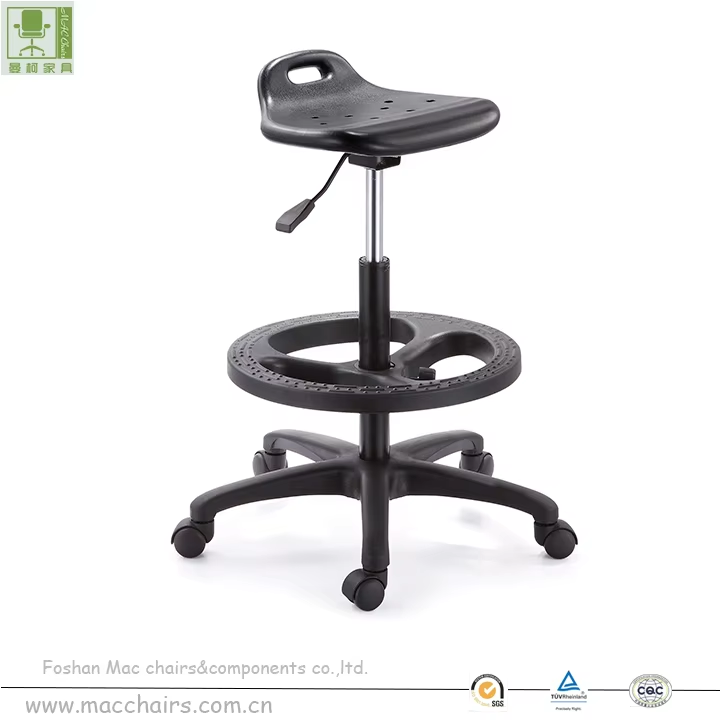
The economic and operational impacts of musculoskeletal disorders extend beyond direct medical costs to include reduced productivity, increased error rates, and personnel turnover. Research has consistently demonstrated that ergonomic interventions, including provision of adjustable seating, reduce injury rates and associated costs substantially. In laboratory environments where precision and consistency are paramount, even minor discomfort can compromise performance by reducing steadiness during fine motor tasks or limiting sustained attention during lengthy procedures. By providing adjustable laboratory chair options, research facilities invest in a preventive measure that protects both worker health and research quality, creating a foundation for sustainable high-performance work over career-long timescales.
Chemical and Biological Safety Integration
Laboratory seating must accommodate safety protocols specific to research environments, including chemical resistance, ease of decontamination, and compatibility with personal protective equipment. Adjustable laboratory chair designs for research facilities typically incorporate materials that resist common laboratory chemicals, prevent absorption of biological materials, and facilitate rapid cleaning between users or following contamination events. The adjustment mechanisms must function reliably even when operators wear bulky protective gloves, and the chair base must provide stability when researchers lean forward to work within fume hoods or biological safety cabinets.
Height adjustability directly supports safety compliance by enabling researchers to achieve proper positioning relative to containment equipment. When working with hazardous materials inside fume hoods, operators must position themselves so that the hood sash provides appropriate shielding while still allowing visual and manual access to materials inside the hood. This positioning requirement varies with hood design and individual anthropometry, making adjustable seating essential for maintaining both ergonomic alignment and safety barrier effectiveness. Similarly, work with biological safety cabinets requires specific arm positioning relative to the front opening to maintain proper airflow patterns, and this positioning can only be achieved across a diverse workforce when seating height is individually adjustable.
Operational Efficiency and Research Quality Outcomes
Precision Task Performance
Laboratory work frequently involves manipulations requiring fine motor control and sustained hand steadiness, such as pipetting microvolumes, manipulating small specimens under magnification, or positioning samples within analytical instruments. Hand tremor and reduced precision increase significantly when workers adopt awkward postures or experience muscle fatigue from sustained static loading. The adjustable laboratory chair contributes to precision task performance by enabling optimal arm and trunk positioning that minimizes static muscle effort and maximizes inherent hand stability. When forearms are supported at appropriate height relative to the work surface, the smaller muscle groups of the hand and wrist can function with maximum control while the larger muscle groups of the shoulder and trunk maintain postural support without excessive activation.
This relationship between posture and precision becomes particularly evident during extended procedures requiring sustained fine motor control. Research protocols in fields such as molecular biology, analytical chemistry, and materials characterization often involve sequential manipulations extending over hours, during which cumulative fatigue progressively degrades performance. Proper seating adjustment reduces the rate of fatigue accumulation by distributing postural loads appropriately and minimizing the compensatory muscle activation that occurs with poor positioning. The resulting improvement in sustained precision directly impacts research quality by reducing technical variability, minimizing sample loss or contamination, and improving repeatability of experimental procedures across sessions and personnel.
Workflow Optimization and Productivity
Research productivity depends not only on individual task performance but also on efficient transitions between different activities and workstations throughout the work period. The adjustable laboratory chair with mobile caster bases facilitates rapid repositioning between adjacent workstations, reducing the time and physical effort required for spatial transitions within the laboratory. This mobility becomes particularly valuable during protocols requiring monitoring of multiple simultaneous processes or when collaborating with colleagues at different locations within the facility. The ability to quickly roll between positions while remaining seated reduces interruption of cognitive focus and maintains workflow continuity during complex multi-step procedures.
Height adjustability specifically supports workflow efficiency by eliminating the positioning delays and compromises that occur with fixed seating. Rather than spending time searching for footrests, cushions, or other makeshift accommodations, researchers can simply adjust their adjustable laboratory chair to optimal height for each task and location. This rapid optimization capability becomes more valuable as laboratory protocols become more complex and varied, with individual researchers potentially interacting with a dozen or more different equipment configurations during a single work shift. The cumulative time savings and reduction in physical and cognitive friction contribute measurably to overall research productivity, allowing facilities to accomplish more work with existing personnel resources while simultaneously improving the quality and consistency of research outputs.
Facility Planning and Long-Term Investment Value
Accommodation of Changing Research Programs
Research facilities experience evolution in their equipment complement, research focus areas, and personnel composition over time. New analytical techniques emerge, instrumentation is upgraded or replaced, and research programs shift in response to funding priorities and scientific opportunities. This dynamic environment means that laboratory furniture and seating must provide flexibility to accommodate changing requirements without necessitating complete replacement. The adjustable laboratory chair represents an investment in adaptability, remaining functional across changes in bench configurations, equipment types, and user populations. Unlike fixed-height alternatives that become obsolete when laboratory layouts change or new equipment with different ergonomic requirements is introduced, adjustable seating maintains utility across facility evolution.
This long-term value proposition extends to personnel changes as well, since adjustable seating readily accommodates new hires with different anthropometric characteristics without requiring procurement of specialized furniture. In academic research settings where graduate students, postdoctoral researchers, and faculty rotate through laboratories on varying timelines, the ability to adjust seating to each individual eliminates the need to maintain inventories of different chair sizes or compromise ergonomic fit for some users. The adjustable laboratory chair thus provides operational continuity and cost efficiency across the multi-year and multi-decade timescales relevant to facility planning and capital equipment investment decisions.
Regulatory Compliance and Institutional Responsibility
Research institutions face increasing regulatory requirements and institutional responsibilities related to workplace ergonomics and occupational health. Occupational safety regulations in many jurisdictions require employers to provide appropriate ergonomic accommodations, particularly when workers report discomfort or when job analyses reveal significant musculoskeletal risk factors. Providing adjustable laboratory chair options demonstrates institutional commitment to meeting these obligations proactively rather than reactively, reducing liability exposure and supporting positive safety culture. Documentation of ergonomic furniture provision also strengthens institutional positions during regulatory inspections or in response to worker compensation claims related to musculoskeletal disorders.
Beyond regulatory compliance, provision of appropriate ergonomic equipment including adjustable seating reflects institutional values regarding worker wellbeing and contributes to recruitment and retention of high-quality research personnel. Competitive research environments increasingly recognize that physical work environment quality influences personnel decisions, with prospective employees evaluating not only research opportunities and compensation but also the quality and supportiveness of physical facilities. Investment in adjustable laboratory chair options signals institutional commitment to supporting researcher success through appropriate infrastructure, contributing to employer attractiveness and personnel satisfaction. This reputational dimension of ergonomic investment carries particular weight in academic and non-profit research settings where compensation may be constrained but facility quality and organizational culture serve as important differentiators in talent competition.
FAQ
What makes laboratory seating requirements different from standard office chairs?
Laboratory seating must accommodate interaction with specialized equipment at varying heights, resist chemical and biological contamination, facilitate frequent transitions between workstations, and support precision manual tasks requiring stable positioning. The adjustable laboratory chair addresses these distinctive requirements through greater height adjustment range, chemical-resistant materials, mobile bases for efficient repositioning, and designs that maintain stability during forward-leaning postures common in laboratory work. Standard office chairs optimize for computer work at fixed desk heights and lack the adjustment range, material properties, and stability characteristics needed for laboratory applications.
How does seat height adjustment specifically protect against musculoskeletal disorders in research personnel?
Proper seat height adjustment enables researchers to maintain neutral spine alignment, position work surfaces at elbow level, and keep feet firmly supported, collectively minimizing joint loading and static muscle effort. When the adjustable laboratory chair is set to appropriate height for individual anthropometry and specific task requirements, researchers avoid the shoulder elevation, neck flexion, and lumbar spine compression that develop with poorly fitted seating. This neutral positioning reduces cumulative mechanical stress on spinal structures and soft tissues, directly lowering the risk of developing chronic pain conditions and functional limitations that commonly affect laboratory workers using inappropriate seating.
Can adjustable laboratory chairs accommodate the full range of laboratory equipment and workstation configurations?
Quality adjustable laboratory chair designs provide height adjustment ranges typically spanning twenty to thirty centimeters, sufficient to accommodate standard laboratory bench heights, specialized instrumentation positioning, and the full anthropometric range of adult workers. This adjustment capability allows the same seating to function effectively across different workstation types within a facility, from low benches for standing-height work to elevated instrument stations and computer workstations. However, extreme configurations such as very high counters intended exclusively for standing work may exceed the practical adjustment range of even versatile laboratory seating, requiring evaluation of specific dimensional relationships during facility planning.
What adjustment features beyond seat height are important in laboratory chairs for research facilities?
While height adjustment represents the primary ergonomic requirement, comprehensive laboratory seating often includes backrest height and angle adjustment to support the lumbar spine across different postures, seat depth adjustment to accommodate varying thigh lengths, and armrest options that can be positioned out of the way during close bench work. The adjustable laboratory chair may also feature footring options for elevated seating positions where feet cannot reach the floor, and specialized base configurations with appropriate caster types for laboratory flooring materials. The specific combination of adjustment features should reflect the predominant work activities and equipment configurations in the particular research environment, with consultation between facility managers, safety personnel, and end users informing selection decisions.
Table of Contents
- The Biomechanical Demands of Laboratory Work
- Equipment Integration and Workspace Compatibility
- Health and Safety Considerations in Laboratory Settings
- Operational Efficiency and Research Quality Outcomes
- Facility Planning and Long-Term Investment Value
-
FAQ
- What makes laboratory seating requirements different from standard office chairs?
- How does seat height adjustment specifically protect against musculoskeletal disorders in research personnel?
- Can adjustable laboratory chairs accommodate the full range of laboratory equipment and workstation configurations?
- What adjustment features beyond seat height are important in laboratory chairs for research facilities?