
 EN
EN
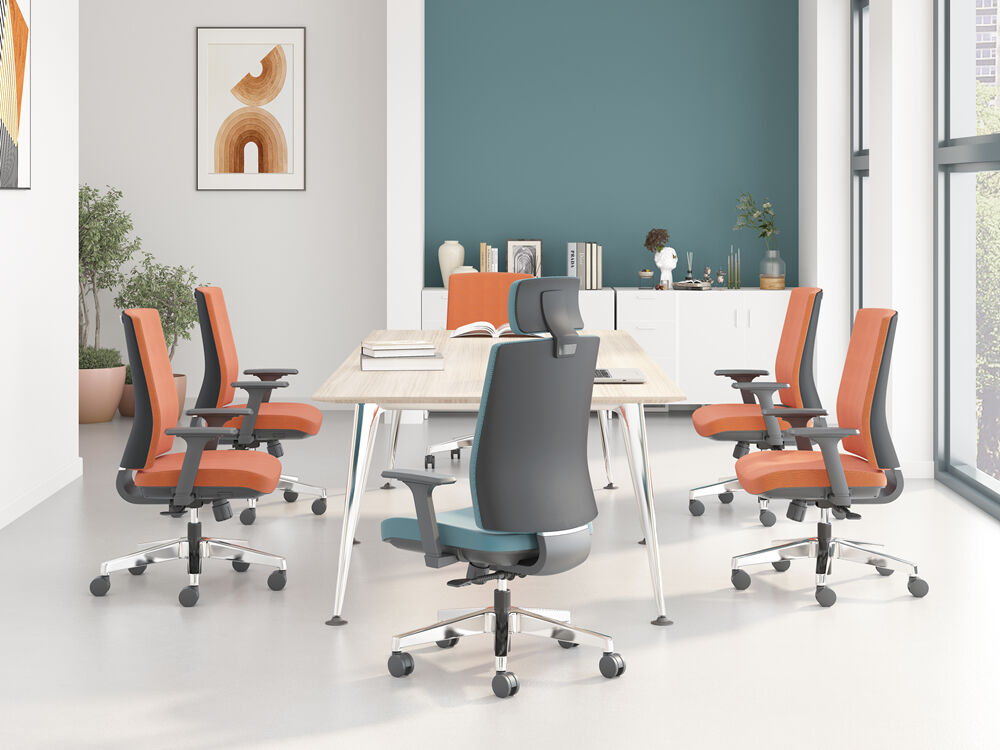
When selecting seating for a professional workspace, understanding how a leather office chair performs across durability and comfort metrics becomes essential for making an informed investment. Business professionals and procurement managers often weigh these two critical factors against each other, seeking a balance that supports both long-term value and daily user satisfaction. A leather office chair represents a significant commitment in office furniture, and its comparative performance against alternative materials directly impacts operational budgets, employee well-being, and workplace aesthetics. This comprehensive analysis examines the specific characteristics that define how leather seating solutions measure up in real-world applications, providing decision-makers with practical insights into material science, ergonomic engineering, and lifecycle economics.
The comparison between durability and comfort in a leather office chair involves examining multiple performance dimensions that extend beyond surface-level observations. Genuine leather and quality synthetic leather variants each bring distinct properties to the equation, affecting everything from temperature regulation and moisture resistance to structural integrity under sustained use. While some materials excel in specific environmental conditions, a leather office chair designed with premium materials and thoughtful construction demonstrates how these two priorities can coexist without compromise. This examination delves into the technical aspects, user experience factors, and maintenance considerations that define how leather seating performs across both durability and comfort spectrums in contemporary office environments.
Material Composition and Its Impact on Longevity
Understanding Genuine Leather Versus Synthetic Alternatives
The durability profile of a leather office chair begins with the fundamental material choice between genuine leather, bonded leather, and polyurethane synthetic variants. Genuine full-grain leather represents the highest quality tier, retaining the complete natural grain structure with inherent tensile strength that resists tearing and puncturing. This material develops a patina over years of use, actually improving in aesthetic character while maintaining structural integrity through decades of daily sitting cycles. The natural fiber density in full-grain leather distributes stress across the seating surface, preventing the concentrated wear patterns that compromise lesser materials within months of intensive use.
Top-grain leather, while slightly processed to remove surface imperfections, still offers exceptional durability for office applications. The leather office chair constructed from top-grain material balances cost efficiency with longevity, typically lasting eight to twelve years under standard commercial use before showing significant degradation. The tanning process employed in quality leather production chemically stabilizes collagen fibers, creating cross-linked molecular structures that resist biological decomposition, moisture damage, and ultraviolet degradation that rapidly destroys fabric alternatives.
Synthetic leather options, particularly high-grade polyurethane formulations, present a distinct durability equation. Advanced PU leather used in premium office seating incorporates reinforced backing materials and surface coatings engineered to resist abrasion, chemical exposure, and environmental stressors. While these materials lack the self-healing properties of genuine leather, properly manufactured synthetic variants maintain their appearance and functionality for five to seven years in demanding office environments, offering predictable performance characteristics that simplify replacement planning.
Structural Reinforcement and Frame Integration
Durability in a leather office chair extends beyond surface material to encompass the integration between upholstery and underlying frame structures. Quality construction employs reinforced attachment points where leather panels connect to seat bases and backrest frames, distributing tension forces across wider surface areas to prevent tearing at stress concentration zones. Double-stitching with industrial-grade thread, often incorporating Kevlar or polyester core materials, creates seam strength that exceeds the tear resistance of the leather itself, ensuring that connections outlast the surrounding material.
The leather office chair with superior durability characteristics incorporates padding density gradients that prevent premature compression of foam cores. High-resilience polyurethane foam maintains consistent support properties through thousands of compression cycles, while the leather exterior flexes without cracking due to proper tension calibration during manufacturing. This coordinated material system ensures that neither component becomes the premature failure point, extending overall service life beyond what isolated material quality would predict.
Frame materials directly influence how long leather upholstery remains viable, as structural instability transfers destructive forces to surface materials. Steel tube frames with welded joints and reinforced corner bracing maintain dimensional stability that preserves leather tension parameters. When frames flex or joints loosen over time, leather surfaces experience abnormal stress patterns that accelerate cracking along natural grain lines, reducing functional lifespan regardless of initial material quality. Professional-grade leather office chair designs account for this interaction through engineering approaches that treat upholstery and structure as integrated performance systems.
Ergonomic Support and Sustained Comfort Characteristics
Surface Breathability and Temperature Regulation
Comfort performance in a leather office chair fundamentally depends on how the material manages heat and moisture transfer during extended sitting sessions. Genuine leather possesses natural porosity that allows air circulation through microscopic fiber gaps, facilitating evaporative cooling that prevents the clammy sensation associated with non-breathable synthetic surfaces. This breathability becomes particularly significant in warm climates or environments without climate control, where surface temperature differential can exceed fifteen degrees between leather and vinyl alternatives after two hours of continuous contact.
The cellular structure of properly tanned leather absorbs minimal moisture while allowing water vapor transmission, creating a microclimate at the user interface that adapts to body temperature fluctuations throughout the workday. A quality leather office chair maintains relatively consistent surface temperature regardless of ambient conditions, avoiding the cold-touch sensation of early morning use and the heat buildup characteristic of afternoon sessions. This thermal stability contributes measurably to cognitive performance, as thermal discomfort diverts attention from work tasks and increases perceived fatigue during concentration-intensive activities.
Premium synthetic leather formulations incorporate perforated patterns and moisture-wicking surface treatments to approximate natural breathability, though performance gaps remain significant in extreme conditions. The leather office chair upholstered in advanced PU materials with engineered ventilation channels achieves acceptable comfort levels for climate-controlled office environments, though users in variable conditions typically report superior satisfaction with genuine leather variants. Surface texture also influences perceived comfort, with grain patterns providing subtle tactile feedback that enhances the sensory experience of prolonged sitting compared to uniform synthetic surfaces.
Cushioning Integration and Pressure Distribution
The comfort equation for a leather office chair involves complex interactions between surface material properties and underlying cushioning systems. Leather's natural flexibility allows it to conform gradually to body contours without creating pressure concentration zones that restrict circulation and cause discomfort. The material's elastic recovery properties mean it returns to original shape between sitting sessions, maintaining consistent support characteristics rather than developing permanent depressions that compromise ergonomic alignment over time.
Multi-density foam layering beneath leather surfaces creates graduated support that balances initial softness with deeper resistance, preventing the bottoming-out sensation that occurs when cushioning compresses fully under body weight. A properly engineered leather office chair incorporates firmer foam densities in weight-bearing zones while using softer materials around peripheral areas, optimizing pressure distribution across the seat pan and backrest. The leather exterior stretches slightly under load, working synergistically with foam compression to distribute forces across maximum surface area and minimize pressure peaks that exceed capillary occlusion thresholds.
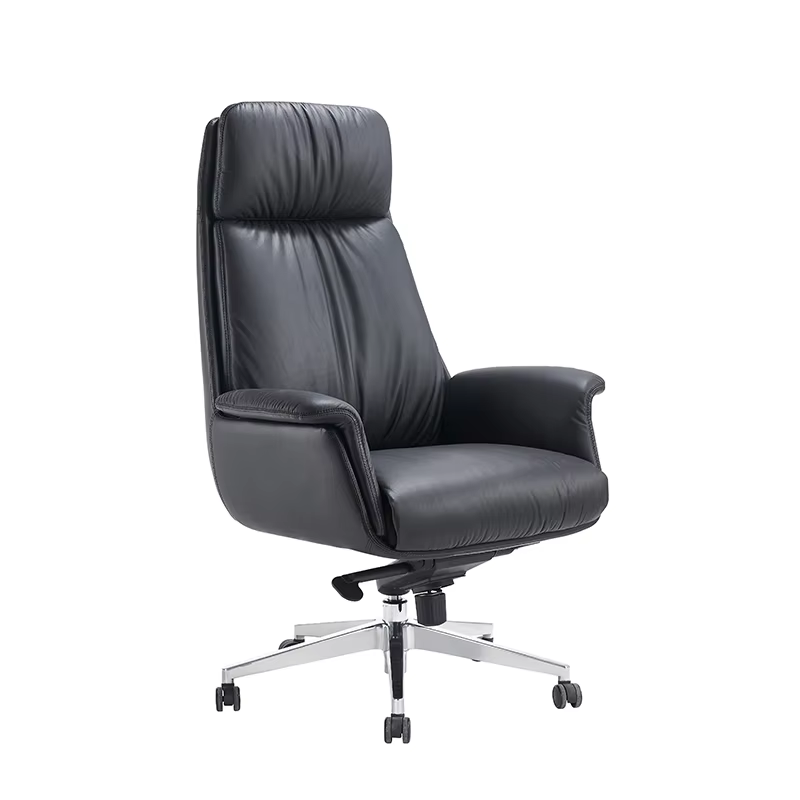
Leather thickness influences comfort dynamics, with optimal specifications ranging from 1.0 to 1.4 millimeters for seating applications. Thinner leather provides superior initial softness and faster break-in periods, conforming quickly to individual body geometries, while thicker variants offer enhanced durability at the expense of initial stiffness. The leather office chair designed for executive applications often employs thicker leather selections that prioritize longevity, accepting a break-in period of several weeks during which comfort characteristics gradually improve as natural oils migrate and fibers relax under repeated loading cycles.
Maintenance Requirements and Performance Sustainability
Cleaning Protocols and Stain Resistance
Long-term comfort and durability in a leather office chair depend significantly on maintenance practices that preserve material properties and prevent premature degradation. Genuine leather requires periodic conditioning with specialized products that replenish natural oils depleted through environmental exposure and body contact. These conditioning treatments maintain fiber flexibility that prevents surface cracking, directly impacting both aesthetic appearance and tactile comfort. Neglected leather develops brittleness that compromises durability while creating rough surfaces that detract from the premium seating experience.
Stain resistance varies considerably across leather types and protective treatments applied during manufacturing. Aniline leather, prized for its natural appearance and superior breathability, offers minimal inherent stain protection and requires immediate attention to spills to prevent permanent discoloration. Semi-aniline and pigmented leather variants incorporate surface treatments that create barrier layers resisting liquid penetration, though these protective measures slightly reduce breathability and natural texture. The leather office chair intended for high-traffic executive environments typically employs pigmented leather that balances protection with comfort, accepting minor compromises in natural feel to ensure consistent appearance despite daily use challenges.
Synthetic leather alternatives generally offer superior stain resistance through non-porous surface structures that prevent liquid absorption, simplifying maintenance requirements for users prioritizing convenience over natural material characteristics. Regular cleaning with mild soap solutions maintains appearance without specialized conditioning products, though UV protectants become necessary to prevent color fading and surface degradation in sunlight-exposed locations. The leather office chair covered in quality synthetic materials maintains consistent comfort properties with minimal intervention, though lacks the developing patina and character evolution that defines genuine leather's aesthetic journey.
Environmental Factors and Longevity Optimization
Environmental conditions dramatically influence how a leather office chair performs across both durability and comfort dimensions over its service life. Relative humidity levels between 40 and 60 percent represent optimal conditions for leather preservation, maintaining fiber flexibility without promoting mold growth or excessive drying. Environments outside this range accelerate degradation processes, with low humidity causing brittleness and cracking while high moisture levels soften adhesives and encourage biological growth that compromises structural integrity.
Direct sunlight exposure represents the most significant environmental threat to leather seating longevity, with ultraviolet radiation breaking down collagen structures and causing color fading that diminishes aesthetic value alongside material strength. Strategic furniture placement away from windows or implementation of UV-filtering window treatments extends leather office chair lifespan substantially, often doubling usable years before replacement becomes necessary due to appearance degradation. Temperature extremes similarly affect comfort characteristics, with leather surfaces becoming uncomfortably cold in winter conditions and retaining heat in summer environments lacking adequate climate control.
Regular rotation and usage distribution extend comfort consistency across leather seating surfaces by preventing localized wear concentration. The leather office chair serving multiple users through hot-desking arrangements experiences more uniform aging than dedicated personal seating, paradoxically maintaining better overall condition through distributed stress patterns. Understanding these environmental interactions enables facility managers to optimize placement, maintenance scheduling, and usage protocols that maximize both durability outcomes and sustained comfort delivery throughout the furniture lifecycle.
Cost-Benefit Analysis Across Product Lifecycles
Initial Investment Versus Long-Term Value
The economic comparison of a leather office chair requires examining total cost of ownership rather than isolated purchase price, accounting for replacement frequency, maintenance expenses, and productivity impacts from comfort-related work interruptions. Premium leather seating commands initial price points two to four times higher than fabric alternatives, yet this differential narrows considerably when amortized across realistic service lives. A genuine leather office chair lasting fifteen years represents substantially lower annual cost than fabric seating requiring replacement every four years, even before considering disposal costs and procurement time investments for multiple replacement cycles.
Maintenance cost structures differ significantly between material types, with leather requiring periodic conditioning investments offset by simplified cleaning protocols compared to fabric's susceptibility to permanent staining and need for professional upholstery cleaning services. The leather office chair generates predictable maintenance expenses that facility managers can budget accurately, while fabric alternatives present variable costs depending on usage intensity and incident frequency. Depreciation curves also favor leather investments, as quality leather seating retains resale value and maintains professional appearance throughout service life, whereas fabric chairs typically appear worn and dated well before structural failure necessitates replacement.
Productivity considerations add complexity to economic analysis, as comfort directly influences concentration capacity, fatigue accumulation, and overall work output quality. Research indicates that ergonomically superior seating reduces musculoskeletal discomfort complaints by up to 60 percent, translating to measurable decreases in absenteeism and presenteeism costs. The leather office chair delivering consistent comfort across eight-hour workdays generates value beyond furniture function, contributing to human capital optimization that justifies premium acquisition costs through employee performance improvements and retention benefits.
Sustainability Considerations and Disposal Planning
Environmental impact assessment increasingly influences procurement decisions, with leather and synthetic alternatives presenting distinct sustainability profiles. Genuine leather utilizes byproducts from food industry processing, theoretically representing resource efficiency, though tanning chemical usage raises environmental concerns depending on manufacturing practices. Modern vegetable tanning processes reduce ecological impact while producing leather with equivalent durability and superior biodegradability compared to chrome-tanned variants. The leather office chair constructed from responsibly sourced and processed leather aligns with corporate sustainability initiatives while delivering performance characteristics that extend replacement intervals and reduce cumulative material consumption.
Synthetic leather production involves petroleum-derived materials and manufacturing processes with significant carbon footprints, though recent innovations in bio-based polyurethane formulations improve sustainability metrics. End-of-life disposal presents challenges for both material categories, with leather biodegrading slowly due to tanning treatments while synthetic variants persist in landfills for decades without significant decomposition. The leather office chair designed with disassembly considerations facilitates component separation and material-specific recycling, extending environmental responsibility beyond use phase into disposal and recovery stages.
Lifecycle assessment methodologies reveal that extended product longevity represents the most impactful sustainability strategy, regardless of material selection. Maximizing the service life of a leather office chair through proper maintenance and timely repairs reduces environmental burden more effectively than material substitution alone. Organizations prioritizing sustainability should emphasize durability-focused procurement criteria, maintenance program implementation, and repair infrastructure development that keeps existing furniture in service rather than pursuing marginal gains through material optimization in shorter-lived products.
FAQ
How long does a leather office chair typically last compared to fabric alternatives?
A quality leather office chair generally provides 10 to 15 years of service life under normal commercial use conditions, with premium full-grain leather variants potentially exceeding 20 years when properly maintained. This substantially surpasses fabric alternatives that typically require replacement after 4 to 7 years due to visible wear, staining, and compression of underlying cushioning materials. The extended longevity of leather results from superior abrasion resistance, ease of cleaning that prevents permanent damage, and material properties that improve aesthetically over time rather than degrading. Synthetic leather options fall between these extremes, offering 6 to 10 years of acceptable performance depending on quality grade and usage intensity.
Does leather provide better back support and comfort for extended sitting periods?
The comfort performance of a leather office chair depends more on underlying ergonomic design and cushioning systems than surface material alone, though leather contributes specific advantages for extended sitting sessions. Leather's breathability prevents heat and moisture buildup that causes discomfort during multi-hour work periods, maintaining more consistent surface conditions compared to non-breathable synthetic materials. The natural flexibility of quality leather allows it to conform gradually to body contours while returning to original shape between uses, supporting consistent ergonomic alignment. However, back support fundamentally derives from lumbar cushioning architecture, backrest contouring, and adjustability features rather than upholstery material selection, meaning a poorly designed leather chair offers no inherent comfort advantage over a well-engineered fabric alternative.
What maintenance does a leather office chair require to preserve both durability and comfort?
Preserving optimal performance in a leather office chair requires conditioning treatments every 6 to 12 months using products specifically formulated for furniture leather, which replenish natural oils and maintain fiber flexibility essential for both longevity and comfort. Regular dusting with soft cloths removes abrasive particles that accelerate surface wear, while immediate attention to spills prevents staining and moisture damage. Avoiding direct sunlight exposure and maintaining moderate humidity levels protect against environmental degradation that compromises material properties. For synthetic leather variants, periodic cleaning with mild soap solutions and UV protectant applications suffice, though these materials generally require less maintenance while offering shorter overall lifespans. Proper maintenance extends usable life significantly while ensuring comfort characteristics remain consistent throughout the service period.
Is the higher cost of a leather office chair justified by its performance advantages?
The cost justification for a leather office chair depends on usage context, organizational priorities, and lifecycle perspective rather than simple performance comparison. For executive positions, client-facing areas, or roles involving 8-plus hour daily sitting duration, the combination of enhanced durability, superior comfort during extended use, and professional aesthetic presentation typically justifies premium pricing through reduced replacement frequency and productivity benefits. The total cost of ownership calculation often favors leather when amortized across realistic service lives, despite higher initial acquisition costs. However, for hot-desking environments, occasional-use spaces, or organizations with frequent furniture refresh cycles driven by aesthetic preferences, fabric or synthetic alternatives may provide better value alignment. The performance advantages of leather become most economically compelling when matched with usage patterns that fully utilize longevity characteristics and comfort benefits throughout extended ownership periods.
Table of Contents
- Material Composition and Its Impact on Longevity
- Ergonomic Support and Sustained Comfort Characteristics
- Maintenance Requirements and Performance Sustainability
- Cost-Benefit Analysis Across Product Lifecycles
-
FAQ
- How long does a leather office chair typically last compared to fabric alternatives?
- Does leather provide better back support and comfort for extended sitting periods?
- What maintenance does a leather office chair require to preserve both durability and comfort?
- Is the higher cost of a leather office chair justified by its performance advantages?