
 EN
EN
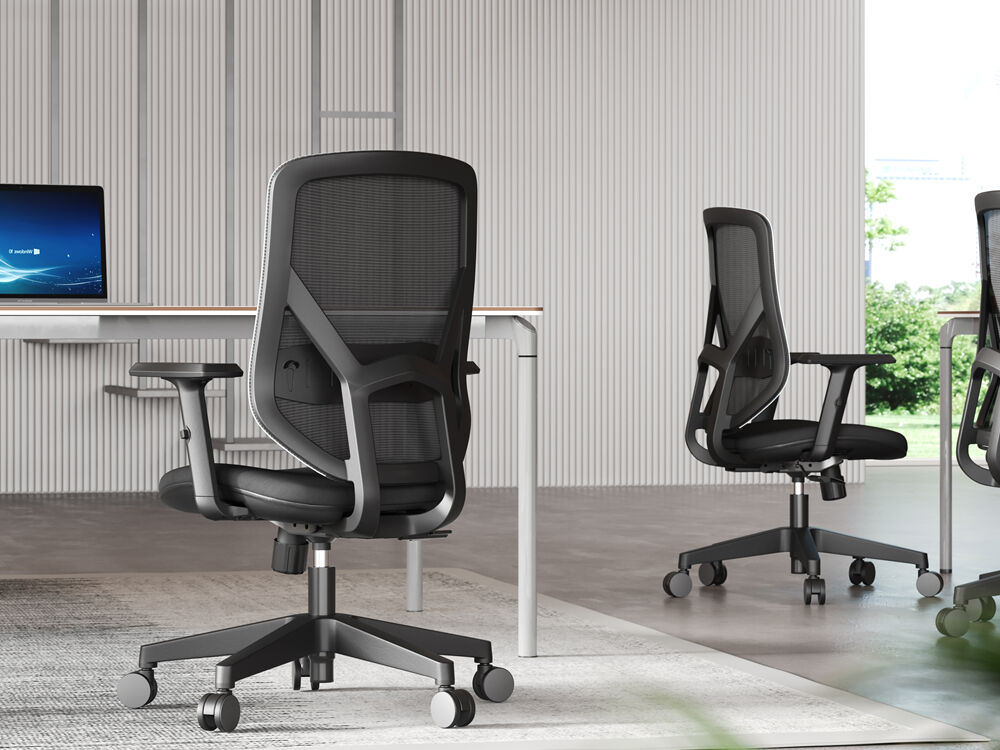
Workplace discomfort caused by excessive sweating and prolonged sitting has become a significant concern for office professionals worldwide. The physical environment in which employees work directly impacts their productivity, focus, and overall well-being. Traditional office seating with foam padding and non-breathable upholstery traps heat against the body, creating an uncomfortable microclimate that leads to perspiration, skin irritation, and reduced concentration. Understanding how seating design influences thermal comfort is essential for creating healthier work environments that support sustained performance throughout the workday.
A mesh office chair addresses these thermal discomfort issues through strategic material selection and ergonomic engineering principles. Unlike conventional seating solutions, mesh construction creates continuous airflow channels that facilitate heat dissipation and moisture evaporation. This breathing capability transforms the seating experience by maintaining a cooler surface temperature and preventing the accumulation of perspiration that commonly occurs with solid upholstery materials. The relationship between chair design and thermal regulation extends beyond simple comfort, affecting cognitive function, stress levels, and long-term musculoskeletal health in ways that directly impact workplace outcomes.
Understanding Heat Buildup and Moisture Retention in Traditional Office Seating
The Physics of Body Heat Transfer During Prolonged Sitting
When seated for extended periods, the human body continuously generates metabolic heat that must be dissipated to maintain thermal equilibrium. Traditional office chairs with foam cushions and fabric or leather upholstery create an insulating barrier that restricts heat transfer from the body to the surrounding environment. This thermal impedance forces the body to activate cooling mechanisms, primarily through perspiration, which then becomes trapped against the skin by the non-porous seating surface. The resulting cycle of heat generation, perspiration, and moisture retention creates an increasingly uncomfortable microenvironment that intensifies throughout the workday.
Research into occupational thermal comfort demonstrates that seated individuals experience localized temperature increases of three to five degrees Celsius in contact areas compared to ambient room temperature. The back, buttocks, and thighs become primary zones of heat accumulation due to continuous surface contact and restricted air circulation. A mesh office chair fundamentally alters this heat transfer dynamic by eliminating solid contact surfaces and replacing them with a porous structure that permits thermal energy to dissipate naturally through convection and evaporation processes.
Material Properties That Contribute to Sweating and Discomfort
The composition of traditional seating materials directly determines their thermal performance characteristics. Polyurethane foam, commonly used in office chair cushions, has excellent compression recovery properties but poor thermal conductivity and virtually no breathability. When covered with non-porous materials such as bonded leather, vinyl, or tightly woven synthetic fabrics, these cushions create an effective vapor barrier that prevents moisture from escaping. The accumulation of perspiration against the skin leads to a sensation of clamminess, increased friction during movement, and potential skin irritation from prolonged exposure to dampness.
Natural leather, while more breathable than synthetic alternatives, still presents significant thermal management limitations in office environments. The porous structure of genuine leather allows minimal air permeability, and its surface temperature quickly equilibrates with body heat during contact. Even premium leather upholstery cannot match the ventilation performance of properly engineered mesh materials. Understanding these material limitations explains why conventional seating solutions consistently fail to address thermal discomfort issues regardless of cushion thickness or initial sitting comfort.
Physiological Responses to Thermal Discomfort During Work Activities
The body's thermoregulatory system responds to perceived overheating through multiple physiological mechanisms that can interfere with cognitive performance and work efficiency. Increased perspiration diverts blood flow to the skin surface for cooling purposes, potentially reducing oxygen delivery to the brain and contributing to feelings of fatigue and reduced mental clarity. The discomfort associated with dampness and elevated skin temperature creates a persistent distraction that fragments attention and reduces the capacity for sustained concentration on complex tasks.
Beyond immediate discomfort, chronic thermal stress from inadequate seating can contribute to broader health concerns. Prolonged exposure to trapped moisture creates favorable conditions for bacterial and fungal growth on skin surfaces, potentially leading to dermatological issues. The combination of heat, moisture, and pressure also accelerates the breakdown of skin integrity, increasing vulnerability to pressure-related injuries. A mesh office chair mitigates these physiological stressors by maintaining a cooler, drier seating interface that supports normal thermoregulation without triggering excessive compensatory responses.
Mesh Construction Technology and Its Impact on Airflow Dynamics
Engineering Principles Behind Breathable Mesh Design
The effectiveness of a mesh office chair in reducing sweating depends fundamentally on the engineering principles applied to its construction. High-performance mesh materials utilize a three-dimensional woven structure that creates interconnected air passages throughout the seating surface. This architecture allows ambient air to circulate freely through the material, continuously replacing warm, moisture-laden air with cooler, drier air from the surrounding environment. The spacing between mesh fibers, typically measured in millimeters, must be optimized to balance structural support requirements with maximum breathability.
Advanced mesh office chair designs incorporate tension adjustment mechanisms that maintain optimal fiber spacing under load. When a user sits, the mesh stretches to conform to body contours while preserving the open structure necessary for airflow. This dynamic response differs fundamentally from foam compression, which closes cell structures and further restricts breathability. The result is a seating surface that simultaneously provides ergonomic support and thermal management throughout extended sitting periods.
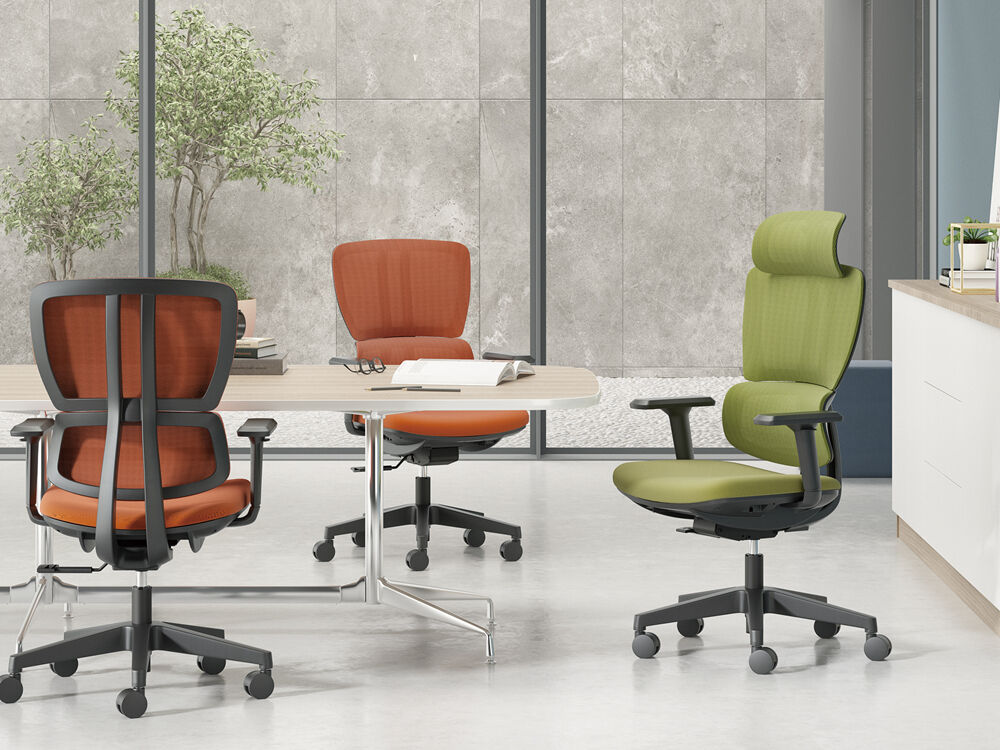
Comparative Airflow Rates Between Mesh and Traditional Materials
Quantitative testing reveals dramatic differences in air permeability between mesh construction and conventional seating materials. Standard mesh office chair materials demonstrate airflow rates ranging from two hundred to five hundred liters per square meter per second, depending on weave density and fiber diameter. In contrast, foam cushions with fabric upholstery typically measure below ten liters per square meter per second, representing a fifty-fold reduction in breathability. This substantial difference in air exchange capacity directly translates to measurable improvements in thermal comfort and moisture management.
The practical implications of enhanced airflow become evident during typical office work scenarios. Users of a properly designed mesh office chair report perceivably cooler seating surfaces within minutes of sitting, with surface temperatures remaining closer to ambient levels even after hours of continuous use. This sustained thermal performance prevents the progressive buildup of discomfort that characterizes traditional seating, maintaining consistent comfort levels throughout the entire workday rather than experiencing gradual deterioration.
Material Composition and Durability Considerations
Modern mesh office chair construction utilizes advanced polymer materials engineered specifically for commercial seating applications. High-tenacity polyester and nylon fibers provide the necessary strength to support body weight while maintaining elasticity for comfort and conformability. These synthetic materials offer inherent advantages over natural fibers, including resistance to moisture absorption, rapid drying characteristics, and dimensional stability across varying humidity conditions. The hydrophobic nature of these polymers ensures that any perspiration that does occur evaporates quickly rather than being absorbed into the material structure.
Durability concerns often arise when comparing mesh to traditional upholstery materials, but properly engineered mesh construction demonstrates excellent longevity under normal office use conditions. Quality mesh materials resist sagging, tearing, and abrasion while maintaining their breathability characteristics throughout their service life. The absence of cushioning materials that compress and degrade over time means a mesh office chair often maintains its support properties longer than foam-based alternatives, providing consistent thermal management performance year after year.
Ergonomic Integration of Mesh Technology for Maximum Comfort
Lumbar Support Systems in Breathable Mesh Designs
Effective thermal management through mesh construction must be integrated with proper ergonomic support to deliver comprehensive workplace comfort. The lower back region presents particular challenges, as it requires both firm support to maintain spinal alignment and excellent breathability to prevent perspiration accumulation. Advanced mesh office chair designs incorporate dedicated lumbar support structures that work in concert with the breathable backrest to address both requirements simultaneously.
Adjustable lumbar mechanisms in quality mesh office chair models allow users to customize support depth and height according to individual spinal curvature. This personalization ensures proper load distribution across the lower back while maintaining the open structure necessary for continuous airflow. The combination of targeted support and ventilation prevents the common scenario where users must choose between adequate postural support and thermal comfort, instead delivering both benefits through integrated design.
Seat Depth and Edge Design for Circulation and Ventilation
The seat pan design of a mesh office chair significantly influences both circulatory health and thermal comfort. Proper seat depth prevents compression of blood vessels behind the knees while ensuring adequate weight distribution across the sitting surface. When this ergonomic sizing is combined with mesh construction, users benefit from sustained circulation and continuous cooling throughout the thigh region. The absence of foam compression eliminates pressure points that restrict blood flow and contribute to feelings of numbness or discomfort during prolonged sitting.
Waterfall edge designs, commonly incorporated into quality mesh office chair seats, further enhance circulatory benefits by eliminating sharp transitions that create pressure concentrations. The gentle downward slope at the seat front, combined with mesh flexibility, allows the material to conform naturally to leg contours without creating restrictive contact. This design approach maintains open air channels even at the seat edge, ensuring comprehensive ventilation across the entire sitting surface rather than creating isolated areas of heat accumulation.
Dynamic Adjustment Features for Personalized Comfort
Individual thermal comfort preferences vary significantly based on metabolic rate, body composition, clothing choices, and personal sensitivity to temperature changes. A versatile mesh office chair accommodates this variability through multiple adjustment mechanisms that allow users to optimize their seating configuration. Height adjustment ensures proper desk alignment while positioning the body for optimal air circulation around the torso. Recline tension controls allow users to shift positions periodically, exposing different body surfaces to cooling airflow and preventing static heat buildup in any single contact area.
Armrest adjustability contributes indirectly to thermal comfort by enabling proper postural alignment that reduces muscular effort and associated heat generation. When arms are properly supported at appropriate heights and widths, shoulder and neck muscles maintain relaxed states that generate less metabolic heat. This reduction in muscle tension, combined with the direct cooling effects of mesh construction, creates a synergistic comfort enhancement that exceeds the benefits of either feature alone.
Practical Implementation Strategies for Workplace Thermal Comfort
Evaluating Office Environment Factors That Affect Seating Comfort
The performance of a mesh office chair depends partly on the broader environmental context in which it operates. Ambient temperature, humidity levels, and air circulation patterns within the workspace all influence the effectiveness of breathable seating. In environments with inadequate HVAC performance or restricted airflow, even high-quality mesh construction may provide limited relief from thermal discomfort. Conversely, in well-ventilated spaces with appropriate temperature control, a mesh office chair delivers optimal cooling performance by facilitating heat transfer to the surrounding air.
Organizations seeking to address employee comfort complaints should assess environmental conditions before attributing all discomfort to seating quality alone. Temperature measurements at desk height, humidity monitoring, and evaluation of air circulation patterns provide valuable context for understanding thermal comfort challenges. When environmental factors fall within acceptable ranges but discomfort persists, upgrading to breathable mesh office chair solutions typically yields significant improvements in reported comfort levels and reduced complaints about sweating and heat-related discomfort.
Maintenance Practices That Preserve Breathability Performance
Unlike traditional upholstered seating that accumulates dust, oils, and debris within foam structures, mesh office chair materials can be maintained effectively through straightforward cleaning procedures. Regular vacuuming removes surface particles that could potentially obstruct airflow passages between mesh fibers. Periodic cleaning with mild soap solutions and water maintains hygiene while preserving the hydrophobic properties of synthetic mesh materials. The rapid drying characteristics of quality mesh construction mean chairs return to service quickly after cleaning, minimizing disruption to workplace operations.
Proper maintenance extends beyond cleaning to include periodic inspection of tension mechanisms and structural components. Ensuring that mesh materials maintain appropriate tension prevents sagging that could reduce airflow efficiency and compromise ergonomic support. Adjustment mechanisms should move freely without excessive resistance, allowing users to optimize their seating configuration for maximum comfort. These simple maintenance practices preserve the thermal management capabilities of a mesh office chair throughout its service life, protecting the initial investment in employee comfort and productivity.
Transitioning from Traditional to Mesh Seating Solutions
Organizations implementing mesh office chair solutions should anticipate an adjustment period as employees adapt to the different feel and support characteristics of breathable seating. Users accustomed to soft foam cushioning may initially perceive mesh as firmer or less immediately comfortable, even though long-term comfort and thermal performance prove superior. Education about the thermal benefits and ergonomic advantages of mesh construction helps manage expectations and encourages employees to persist through the brief adaptation period.
Pilot programs that allow employees to test mesh office chair options before full-scale implementation can improve acceptance rates and identify any individual needs requiring specialized solutions. Gathering feedback during trial periods helps refine selection criteria and ensures chosen models address the specific thermal comfort challenges present in the organization. This measured approach to implementation maximizes the likelihood of successful adoption and sustained employee satisfaction with upgraded seating solutions.
FAQ
How quickly does a mesh office chair reduce sweating compared to traditional chairs?
Most users experience noticeable cooling within the first fifteen to twenty minutes of sitting in a quality mesh office chair, with surface temperatures stabilizing at levels three to five degrees cooler than traditional foam seating. The evaporative cooling effect becomes more pronounced during longer sitting periods, with significant reductions in perspiration accumulation typically observed after one to two hours of continuous use. Individual results vary based on ambient temperature, personal metabolism, and clothing choices, but the breathable construction consistently outperforms solid upholstery materials in thermal management testing.
Can a mesh office chair provide adequate support while maintaining breathability?
Modern mesh office chair engineering successfully integrates structural support with thermal management through advanced material science and ergonomic design principles. High-tension mesh materials distribute body weight across their woven structure while maintaining open air passages, delivering both postural support and continuous ventilation. Quality models incorporate additional support structures such as adjustable lumbar mechanisms and contoured seat pans that work in concert with breathable materials to address both ergonomic and thermal comfort requirements without compromise.
Are mesh office chairs suitable for all body types and sizes?
Well-designed mesh office chairs accommodate diverse body types through adjustable features and appropriately rated weight capacities. The elastic properties of quality mesh materials allow conformability to different body shapes while maintaining support, and adjustable components such as seat height, depth, and lumbar positioning enable personalization across a wide range of user dimensions. When selecting a mesh office chair, individuals should verify weight capacity ratings and test adjustment ranges to ensure the specific model matches their physical requirements for both support and thermal comfort.
How does mesh construction compare to perforated leather or ventilated foam alternatives?
Mesh office chair construction provides substantially superior airflow compared to perforated or ventilated alternatives to solid materials. While perforations in leather or strategic ventilation channels in foam cushions offer modest improvements over non-ventilated versions, these designs still create predominantly solid contact surfaces with limited air exchange capacity. True mesh construction eliminates solid surfaces entirely, creating an open structure that facilitates multidirectional airflow and continuous heat dissipation. Quantitative testing consistently demonstrates ten to fifty times greater air permeability in mesh materials compared to perforated alternatives, translating to measurably better thermal comfort during extended sitting periods.
Table of Contents
- Understanding Heat Buildup and Moisture Retention in Traditional Office Seating
- Mesh Construction Technology and Its Impact on Airflow Dynamics
- Ergonomic Integration of Mesh Technology for Maximum Comfort
- Practical Implementation Strategies for Workplace Thermal Comfort
-
FAQ
- How quickly does a mesh office chair reduce sweating compared to traditional chairs?
- Can a mesh office chair provide adequate support while maintaining breathability?
- Are mesh office chairs suitable for all body types and sizes?
- How does mesh construction compare to perforated leather or ventilated foam alternatives?