
 EN
EN
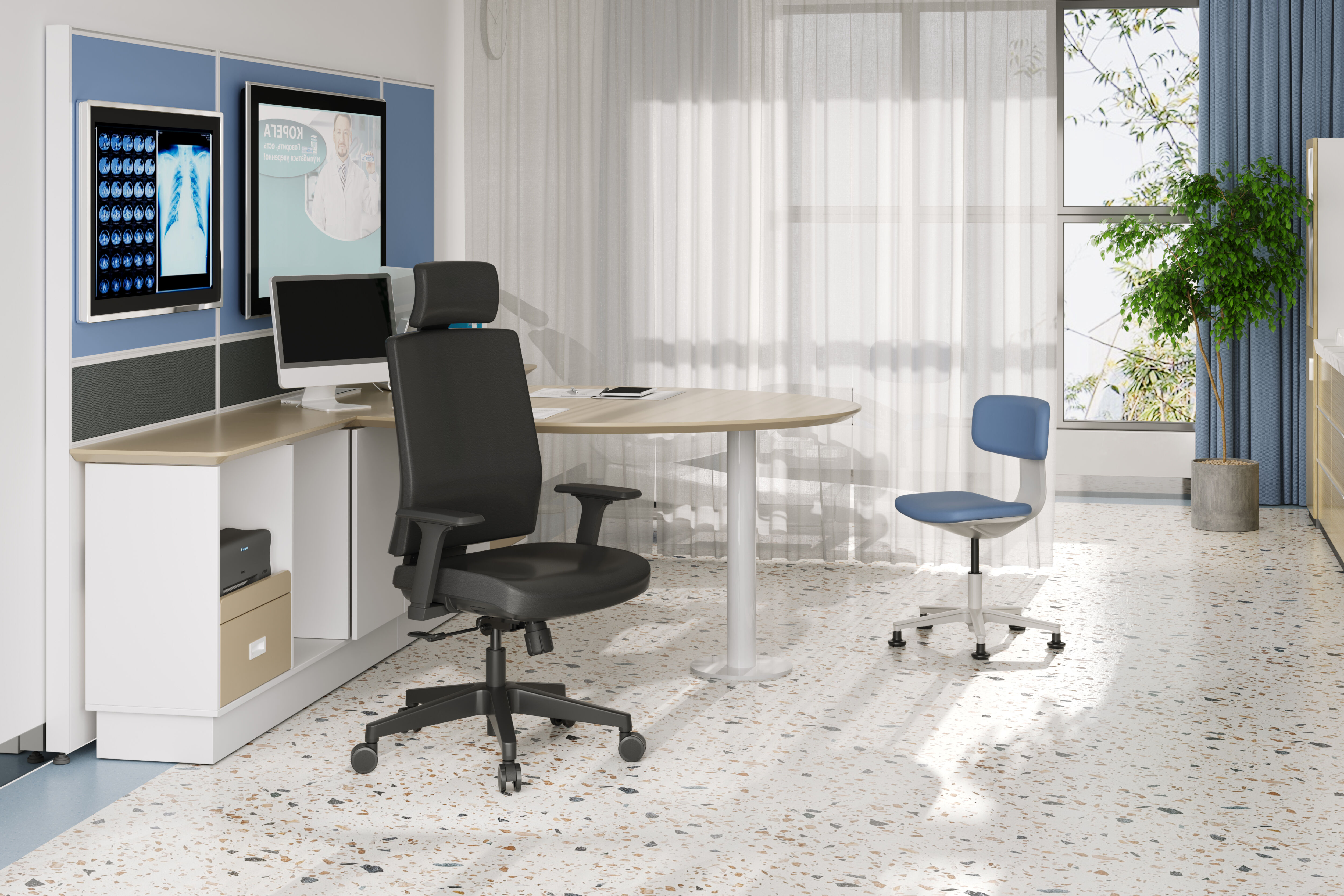
Selecting the right mesh office chair is a critical decision that directly impacts your comfort, productivity, and long-term health in the workplace. With countless options flooding the market, understanding the essential features and quality indicators becomes paramount for making an informed purchase. A well-chosen mesh office chair provides superior breathability, ergonomic support, and durability that justifies your investment over years of daily use. This comprehensive guide examines the key factors that separate exceptional mesh office chairs from mediocre alternatives, ensuring you invest in seating that truly supports your work performance and physical wellbeing.
The modern professional spends an average of eight to ten hours seated daily, making the mesh office chair more than just furniture—it becomes a critical tool for workplace success. Unlike traditional upholstered chairs, mesh designs offer unique advantages in ventilation, flexibility, and contemporary aesthetics that align with evolving office environments. However, the mesh category itself contains significant quality variations, with construction methods, material grades, and engineering sophistication differing dramatically across price points. Understanding what distinguishes premium mesh office chair construction from budget alternatives empowers you to recognize value and avoid costly mistakes that compromise comfort or necessitate premature replacement.
Mesh Quality and Construction Standards
Material Composition and Durability Indicators
The mesh material itself represents the foundational element requiring careful evaluation when choosing a mesh office chair. Premium mesh utilizes high-tenacity polyester or specialized elastomeric materials engineered specifically for prolonged tension and body weight distribution. These advanced materials maintain consistent elasticity over thousands of compression cycles without sagging, stretching, or developing permanent deformation. Look for mesh with visible density and fine weave patterns, as these characteristics indicate superior material quality and manufacturing precision. Inferior mesh often appears loosely woven with irregular patterns and feels less substantial to the touch, signaling potential durability issues.
Temperature regulation capabilities distinguish exceptional mesh from standard alternatives in practical workplace applications. High-quality mesh office chair materials incorporate airflow optimization through precise perforation sizing and spacing that maximizes ventilation without compromising structural integrity. This engineering balance ensures continuous air circulation that prevents heat accumulation and moisture buildup during extended sitting periods. When evaluating mesh samples, assess both the visual transparency and tactile resistance—premium mesh should offer firm support while remaining breathable enough to see through partially. The material should recover immediately when pressed, demonstrating the resilience necessary for maintaining support characteristics throughout years of use.
Frame Integration and Tension Systems
The method by which mesh attaches to the chair frame fundamentally affects both comfort and longevity in any mesh office chair design. Superior construction employs overmolded attachment where mesh edges integrate directly into frame components during manufacturing, creating seamless connections that eliminate stress concentration points. This approach distributes tension evenly across the entire mesh surface, preventing edge failures and maintaining consistent support distribution. Alternative attachment methods using clips, staples, or adhesives create potential failure points where repeated stress concentrations can cause premature separation or tearing. Examine edge connections carefully, looking for smooth transitions and secure integration rather than visible fasteners or gaps between mesh and frame.
Adjustable tension mechanisms represent a sophisticated feature that elevates mesh office chair functionality for diverse user preferences and body types. Premium chairs incorporate tension adjustment systems allowing users to modify mesh firmness according to personal comfort requirements and postural support needs. These systems typically function through frame geometry adjustments that alter mesh stretching degrees, providing customization without requiring tools or complex procedures. The presence of intuitive tension controls indicates engineering sophistication and manufacturer commitment to accommodating individual differences. When testing chairs, verify that tension adjustments produce noticeable firmness changes and that mechanisms operate smoothly without requiring excessive force or creating instability during adjustment processes.
Ergonomic Support Features and Adjustability
Lumbar Support Design and Positioning
Lumbar support quality stands as perhaps the most critical health-related consideration when selecting a mesh office chair for extended daily use. Effective lumbar support maintains the natural inward curve of your lower spine, preventing the posterior pelvic tilt that causes chronic back pain and disc pressure. Premium mesh chairs incorporate dedicated lumbar support structures separate from the main backrest, allowing independent adjustment of support height and depth to match individual spinal anatomy precisely. This adjustability proves essential because lumbar curve positioning varies significantly among individuals based on torso length and natural spinal curvature patterns. Chairs lacking independent lumbar adjustment force users to compromise between upper back contact and lower back support, creating uncomfortable trade-offs.
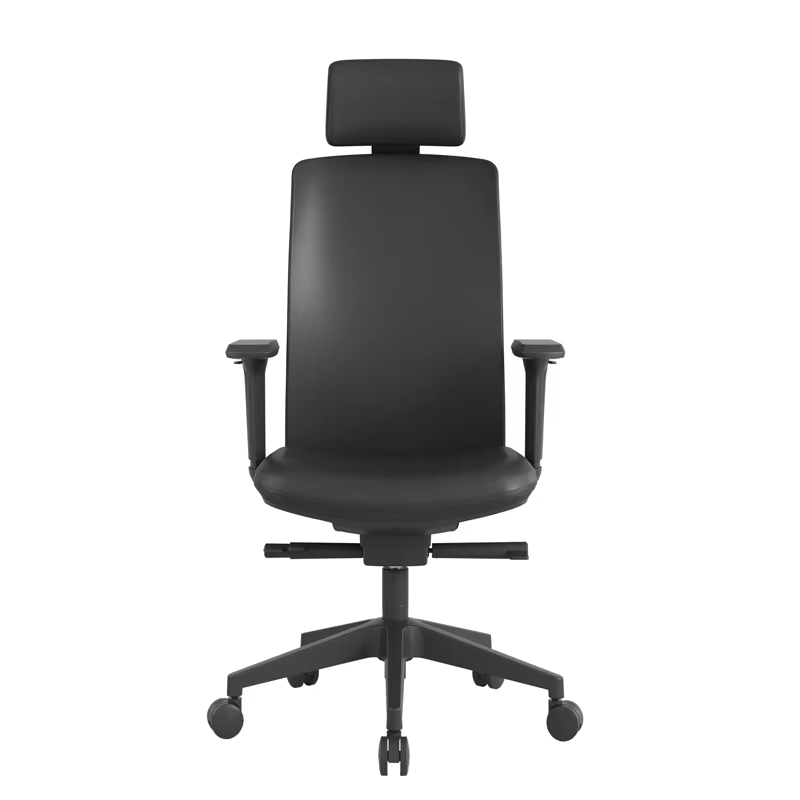
The lumbar support mechanism should offer both vertical and depth adjustment ranges spanning at least four inches in each direction to accommodate diverse body types effectively. Vertical adjustment enables positioning the support prominence exactly at your lumbar apex, typically located between the third and fifth lumbar vertebrae. Depth adjustment controls how far the support projects forward, determining pressure intensity against your lower back. When evaluating a mesh office chair, sit naturally and adjust the lumbar support until you feel gentle but definite pressure supporting your lower spine's inward curve. The support should feel present without creating uncomfortable pressure points or forcing your torso into unnatural positions. Quality lumbar systems maintain their adjusted positions reliably without drifting during use, requiring robust locking mechanisms and precision engineering.
Armrest Functionality and Range
Armrest adjustability significantly influences shoulder comfort and upper body posture in any mesh office chair configuration. Comprehensive armrest systems offer four-dimensional adjustment including height, width, depth, and pivot angle modifications that accommodate various tasks and body proportions. Height adjustment allows positioning armrests so forearms rest parallel to the floor with shoulders relaxed, preventing the elevation that causes trapezius tension and neck strain. Width adjustment accommodates different shoulder breadths and sitting positions, ensuring armrests support without forcing arms into unnatural positions. Many users overlook this feature's importance until experiencing the chronic shoulder discomfort resulting from fixed-width armrests that don't match their body structure.
Armrest surface area and padding quality deserve equal attention alongside adjustment range when selecting your mesh office chair. Larger armrest surfaces distribute forearm weight more effectively, reducing pressure concentration that causes discomfort during prolonged contact. Look for armrests measuring at least ten inches in length and three inches in width, providing adequate support for various arm positions. The padding material should offer firm support with slight compression rather than hard plastic surfaces or excessively soft foam that bottoms out quickly. Premium armrests incorporate polyurethane padding over rigid cores, combining comfort with durability and maintaining shape through years of use. Test armrests by resting forearms naturally and verifying that surfaces feel comfortable without creating pressure points at contact areas.
Mechanical Components and Operational Reliability
Base Construction and Caster Quality
The base and caster system forms the foundation of mesh office chair stability and mobility, yet often receives insufficient consideration during selection processes. Premium chairs utilize reinforced nylon or aluminum bases with at least five radial arms extending from the central hub, providing stability that prevents tipping during normal use and recline. The base diameter should measure at least 26 inches for standard office chairs, with larger diameters offering enhanced stability for chairs with aggressive recline capabilities or heavier weight capacities. Metal bases generally offer superior strength-to-weight ratios compared to plastic alternatives, though high-grade reinforced nylon performs adequately for most applications when properly engineered with appropriate wall thickness and rib structures.
Caster selection dramatically affects both floor protection and rolling ease across your specific flooring type. Hard casters suit carpeted surfaces, providing easy mobility without excessive resistance, while soft rubber casters protect hardwood and tile floors from scratches and rolling marks. Premium mesh office chair designs include caster options or universal hybrid casters that perform adequately across multiple surface types. Examine caster construction quality by checking wheel materials, bearing systems, and mounting bracket robustness. Quality casters incorporate sealed ball bearings that ensure smooth, quiet rolling throughout the chair's lifespan, while inferior designs use simple bushings that develop resistance and squeaking relatively quickly. Verify that casters lock securely into base sockets without play or wobbling, as loose caster mounting creates instability and premature wear.
Recline Mechanisms and Tilt Control
The recline mechanism determines how your mesh office chair responds to body movements and position changes throughout the workday. Standard tilt mechanisms pivot around a fixed point beneath the seat center, causing the seat front to rise as you recline and potentially creating pressure behind the knees. More sophisticated synchro-tilt mechanisms coordinate backrest and seat movement in predetermined ratios, typically reclining the backrest two to three degrees for every degree of seat tilt. This synchronized motion maintains more consistent body positioning and reduces circulation restriction compared to standard tilt designs. The highest-performing mechanisms incorporate multi-position tilt limiters allowing you to lock the chair at specific recline angles rather than only upright and free-float positions.
Tension adjustment range represents another critical tilt mechanism characteristic affecting mesh office chair usability across different body weights. Premium mechanisms incorporate easily accessible tension controls with sufficient range to accommodate users from approximately 100 to 300 pounds effectively. The tension adjustment should operate smoothly without requiring tools, allowing quick modifications as needed throughout the day. When testing recline function, verify that the mechanism operates quietly without metallic sounds or catching sensations that indicate poor manufacturing quality or inadequate lubrication. The backrest should return smoothly to upright positions without slamming or requiring manual assistance. Quality mechanisms incorporate gas springs or calibrated spring systems that maintain consistent tension characteristics through thousands of recline cycles without performance degradation.
Dimensional Specifications and Capacity Ratings
Seat Dimensions and Body Fit
Seat dimensions directly determine whether a mesh office chair accommodates your body proportions comfortably for extended periods. Seat width should provide at least two inches of clearance on each side of your hips when seated centrally, preventing pressure against the seat edges that restricts circulation and causes discomfort. Standard seats measure between 18 and 21 inches wide, with wider options available for users requiring additional space. Seat depth proves equally important, with proper sizing allowing you to sit with your back against the backrest while maintaining approximately two to four inches of clearance between the seat front edge and the back of your knees. Insufficient seat depth forces you to choose between lumbar support and leg circulation, while excessive depth creates pressure behind the knees regardless of sitting position.
The seat pan angle and front edge design significantly influence comfort in any mesh office chair during prolonged sitting. Quality seats incorporate waterfall front edges that curve downward gently, reducing pressure concentration on thigh undersides and minimizing circulation restriction. The seat should angle slightly downward from back to front, approximately three to five degrees, promoting proper pelvic positioning and reducing the tendency to slide forward during use. Some premium mesh office chair models offer seat depth adjustment, accommodating users of varying leg lengths within the same chair model. This feature proves particularly valuable in shared workspace environments or home offices used by multiple family members. When evaluating seat comfort, sit naturally and assess whether the seat feels appropriately proportioned without creating pressure points or requiring constant position adjustments.
Weight Capacity and Build Quality
Stated weight capacity provides essential information about structural integrity and expected longevity for any mesh office chair under consideration. Standard office chairs typically rate for 250 pounds, while heavy-duty alternatives accommodate 300 to 400 pounds or more through reinforced components and enhanced engineering. Select chairs with weight ratings exceeding your body weight by at least 50 pounds to ensure adequate safety margins and component longevity under normal use conditions. Higher weight capacities generally correlate with more robust construction throughout all chair systems, not merely stronger frames. This enhanced engineering translates to longer service life and better performance even for users well below maximum capacity ratings.
Component material quality throughout the mesh office chair construction indicates overall build standards and expected durability. Premium chairs utilize metal internal structures even when external surfaces appear plastic, providing strength without excessive weight. Examine connection points between major components, looking for metal-to-metal joints with substantial hardware rather than plastic clips or snap-fit assemblies. Quality chairs incorporate steel or aluminum in critical load-bearing components including seat plate structures, backrest frames, and cylinder mounting brackets. The presence of exposed metal components at stress points generally indicates superior engineering compared to entirely plastic-clad designs. When possible, review manufacturer specifications for specific materials used in major components, favoring chairs with transparent material disclosures over those lacking detailed construction information.
Warranty Coverage and Manufacturer Support
Warranty Terms and Component Coverage
Warranty terms reveal manufacturer confidence in mesh office chair construction quality and provide important protection for your investment. Comprehensive warranties cover different components for varying durations, typically offering longer coverage for structural elements and shorter terms for wear items like mesh, padding, and casters. Premium chairs often include lifetime warranties on frames, bases, and mechanical components, with three to five year coverage for mesh, armrests, and other user-contact surfaces. Carefully review warranty exclusions and limitations, noting whether coverage requires registration, proof of purchase, or specific use conditions. Some warranties apply only to original purchasers or specific use environments, potentially limiting protection if your situation changes.
The warranty claim process difficulty and manufacturer responsiveness significantly affect practical warranty value beyond stated coverage terms. Research manufacturer reputation for honoring warranty claims and providing timely support when issues arise. Companies with direct customer service operations typically resolve warranty matters more efficiently than those relying entirely on retailer intermediaries. Verify whether warranty service requires returning the entire mesh office chair or allows component replacement, as return shipping costs for complete chairs can negate warranty value for less expensive issues. Premium manufacturers often provide advance replacement for defective components, minimizing downtime and inconvenience. The presence of detailed warranty documentation and straightforward claim procedures indicates professional operations more likely to provide satisfactory support throughout the ownership period.
Replacement Parts Availability
Long-term parts availability determines whether your mesh office chair remains repairable or becomes disposable when components eventually wear or fail. Reputable manufacturers maintain parts inventories for current and discontinued models, enabling repairs that extend useful chair life significantly beyond typical replacement cycles. Before purchasing, verify that common wear items including casters, armrest pads, gas cylinders, and tilt mechanisms are available as separate replacement parts. This availability proves particularly important for higher-investment chairs where component replacement costs justify repair over replacement. Some manufacturers provide detailed parts diagrams and replacement procedures, supporting user-performed maintenance and repairs that reduce service costs.
The standardization of components across chair models indicates manufacturing sophistication and generally improves parts availability for mesh office chair maintenance. Companies using proprietary components for every model create parts inventory challenges and limit repair options compared to those utilizing standardized industry components where appropriate. Gas cylinders, casters, and tilt mechanisms frequently use industry-standard specifications, allowing substitution of generic replacements if original parts become unavailable. Armrests, mesh panels, and frame-specific components typically require original manufacturer parts. Understanding which components use standard versus proprietary specifications helps you assess long-term supportability and total ownership costs beyond initial purchase price.
FAQ
How long should a quality mesh office chair last with regular use?
A well-constructed mesh office chair should provide comfortable, reliable service for seven to ten years under normal office use conditions, with some premium models lasting fifteen years or longer. Longevity depends primarily on construction quality, weight capacity margins, and maintenance practices. Chairs used within their rated capacity and receiving periodic maintenance such as caster cleaning and mechanism lubrication typically outlast those subjected to overloading or neglect. The mesh material itself rarely fails first in quality chairs; mechanical components and structural connections usually determine practical service life. Selecting chairs with robust warranties and available replacement parts significantly extends usable lifespan through component replacement rather than complete chair disposal when individual parts wear.
What seat height range should I look for in a mesh office chair?
Your ideal mesh office chair should offer seat height adjustment ranging from approximately 16 to 21 inches from floor to seat surface, accommodating users from about five feet to six feet four inches tall. Proper seat height positions your feet flat on the floor with thighs parallel to the ground and knees at approximately 90-degree angles. Shorter individuals may require chairs with lower minimum heights, potentially down to 15 inches, while taller users benefit from maximum heights reaching 22 inches or more. When evaluating adjustment range, consider your desk height as well, ensuring the chair allows positioning at comfortable working height relative to your keyboard and monitor. Gas cylinder stroke length determines adjustment range, with longer cylinders providing greater flexibility but potentially reducing overall stability in extreme positions.
Is mesh more comfortable than traditional foam padding for office chairs?
Mesh and foam padding each offer distinct advantages, with mesh excelling in breathability and temperature regulation while quality foam provides cushioned support some users prefer. Mesh office chair designs eliminate heat buildup and moisture accumulation that affect traditional upholstered chairs during extended sitting, particularly in warm environments or for users who naturally run warm. However, foam padding distributes pressure more uniformly across seat surfaces, potentially providing superior comfort for users with lower body sensitivity or those preferring softer seating. The comfort comparison ultimately depends on individual preferences, climate conditions, and specific chair quality. Many users find premium mesh more comfortable long-term due to consistent support without the compression and heat issues affecting foam, while others prefer foam's cushioned feel despite ventilation limitations.
Can I assemble a mesh office chair myself or should I use professional assembly?
Most mesh office chair models are designed for straightforward user assembly requiring only basic tools and approximately 20 to 45 minutes for completion. Manufacturers typically provide detailed instructions and all necessary hardware, with assembly involving attaching the base, installing the gas cylinder, mounting the seat mechanism, and connecting the backrest. The process requires no specialized skills, though having a second person assist with holding components during final assembly steps can simplify the process. Professional assembly may be worthwhile for premium chairs with complex adjustment mechanisms or if you lack confidence in following assembly instructions. Proper assembly critically affects chair safety and performance, so carefully following provided instructions and verifying all connections are secure before use ensures optimal results regardless of who performs the assembly.