
 EN
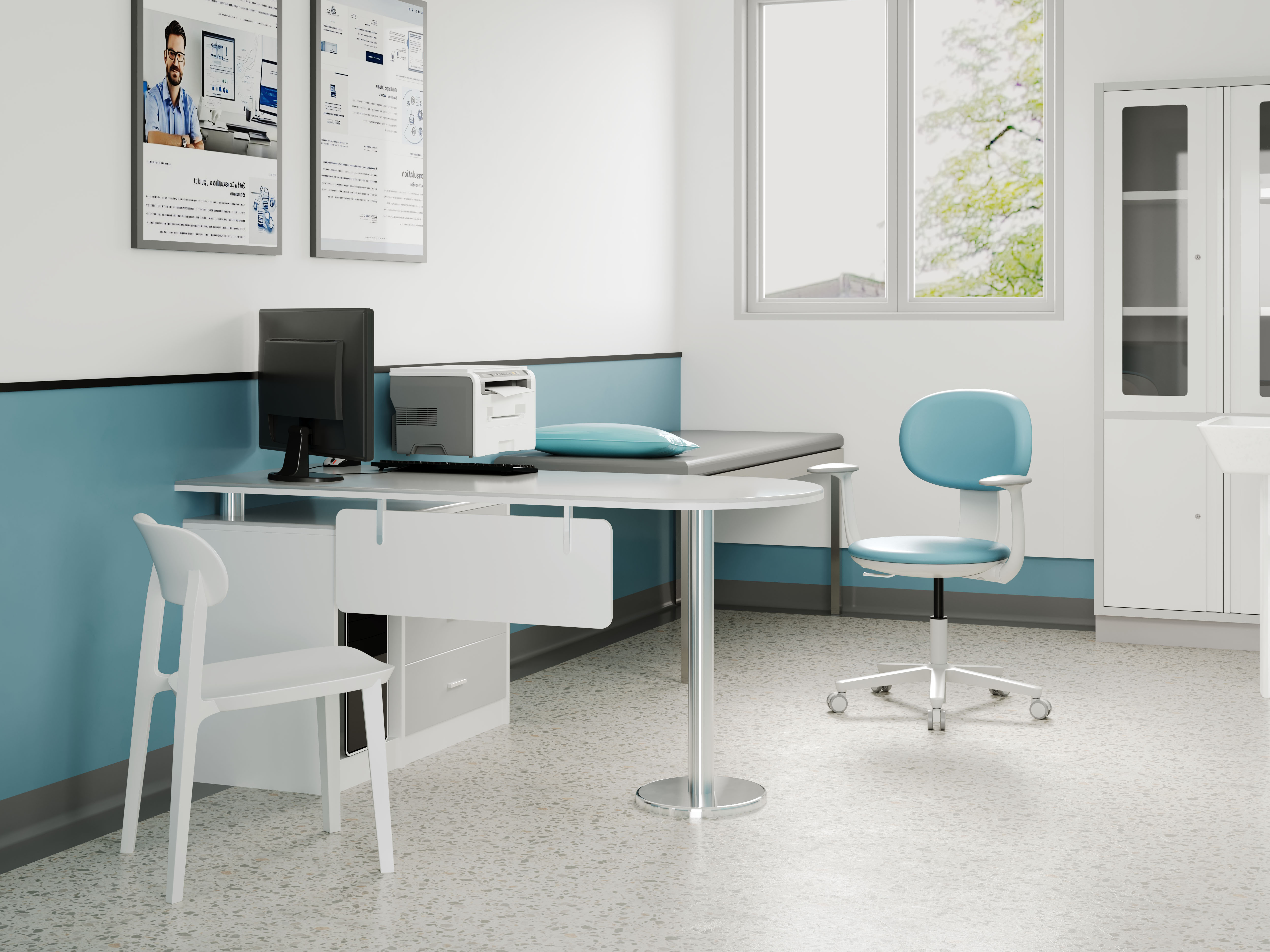
A medical chair serves as a critical piece of equipment in healthcare facilities, directly impacting patient comfort, clinical outcomes, and staff safety. Healthcare environments demand furniture that goes far beyond standard office seating, requiring a medical chair to meet rigorous regulatory standards, infection control protocols, and ergonomic principles. Understanding how a medical chair achieves compliance with strict healthcare safety standards is essential for hospital administrators, clinic managers, and procurement professionals who must ensure their facilities operate at the highest level of care delivery.

The complexity of meeting healthcare safety standards means that selecting the right medical chair requires knowledge of material composition, structural integrity, chemical resistance, and design validation. A properly certified medical chair demonstrates commitment to patient safety, reduces liability exposure, and supports clinical workflows across diverse healthcare settings including hospitals, dental offices, surgical centers, and diagnostic facilities.
Regulatory Compliance Framework for Medical Chairs
Understanding Healthcare Safety Standards
A medical chair must comply with multiple regulatory frameworks depending on its intended use and geographic location. In the United States, a medical chair typically falls under FDA oversight, requiring manufacturers to demonstrate that their product meets Class II or Class III medical device standards. The specific classification of a medical chair depends on whether it involves direct patient contact during clinical procedures and whether it poses any inherent safety risks. International markets demand that a medical chair also satisfy ISO standards, particularly ISO 14971, which addresses risk management for medical devices. European manufacturers must ensure their medical chair carries CE marking, proving alignment with the Medical Device Regulation (MDR). These layered regulatory requirements mean that a quality medical chair undergoes extensive testing before reaching clinical environments.
Material and Construction Standards
Healthcare facilities require a medical chair constructed from materials that withstand rigorous sterilization processes without degradation. The upholstery on a medical chair must be fluid-resistant, non-porous, and capable of tolerating repeated chemical disinfection using standard hospital-grade cleaners and bleach-based solutions. A medical chair frame typically uses stainless steel or medical-grade aluminum to prevent corrosion and rust formation that could compromise structural safety. The casters on a medical chair must be certified to support maximum load specifications while maintaining mobility and stability. Seals and joints on a medical chair must prevent fluid penetration, eliminating pathways where contaminants could accumulate and pose cross-contamination risks. These material standards ensure that a medical chair maintains its integrity and functionality throughout its operational lifespan in demanding healthcare environments.
Design Features Supporting Safety Compliance
Ergonomic Engineering and Stability
A safe medical chair incorporates ergonomic engineering that reduces caregiver injury and patient discomfort during procedures. The base of a medical chair must have sufficient width and weight distribution to prevent tipping when adjusted to extreme angles or when supporting maximum patient load. A medical chair with proper weight distribution maintains stability during dynamic procedures while allowing clinicians to position patients precisely for optimal procedural access. Arm design on a medical chair must be adjustable to accommodate varied patient sizes and allow clinicians to maintain proper body mechanics during treatment. The seat height adjustment range on a medical chair enables operators to work at ergonomic levels, preventing repetitive strain injuries that are common in healthcare professions. Footrest design on a medical chair provides additional stability for patients and supports proper circulation during extended procedures.
Infection Control Integration
Infection prevention represents a paramount concern for any medical chair deployed in clinical settings. A medical chair must feature seamless construction with minimal crevices where bacteria, viruses, or bodily fluids could accumulate beyond cleaning reach. Upholstery material on a medical chair should be antimicrobial-treated or inherently resistant to microbial growth. A medical chair used in surgical environments must allow for rapid sterilization between patients without compromising material integrity. Drainage considerations for a medical chair in specialty applications ensure that body fluids can be managed safely without pooling or staining materials. The removability of components on a medical chair facilitates comprehensive cleaning protocols that exceed standard surface disinfection. These infection control features transform a medical chair from basic furniture into a clinical asset that actively supports healthcare safety protocols.
Testing, Certification, and Performance Validation
Pre-Market Testing and Documentation
Before a medical chair reaches healthcare facilities, manufacturers conduct extensive pre-market testing to validate compliance with safety standards. A medical chair undergoes load testing to confirm it safely supports maximum specified patient weight under static and dynamic conditions. Structural fatigue testing on a medical chair simulates years of repeated adjustments and repositioning to identify potential failure points. Material biocompatibility testing ensures that a medical chair upholstery and components do not cause adverse reactions in patients with sensitive skin. Chemical resistance testing confirms that a medical chair withstands exposure to common hospital disinfectants and sterilization agents without degradation. A medical chair manufacturer must provide comprehensive documentation proving that testing was conducted by accredited independent laboratories following recognized protocols.
Ongoing Maintenance and Compliance Monitoring
Healthcare facilities using a medical chair must establish maintenance protocols to preserve safety compliance throughout the equipment's operational life. Regular inspection of a medical chair base, casters, and adjustment mechanisms identifies wear patterns before safety failures occur. Preventive maintenance schedules for a medical chair include lubrication of moving parts, tightening of fasteners, and assessment of upholstery integrity. Documentation of medical chair maintenance creates audit trails demonstrating institutional commitment to safety standards. Staff training on proper use of a medical chair prevents user error that could compromise stability or create patient injury risks. A medical chair that receives appropriate maintenance maintains compliance with original safety certifications throughout its service life, reducing replacement frequency and supporting budgetary efficiency.
FAQ
What specific certifications should a medical chair have for hospital use?
A medical chair intended for hospital use should carry FDA 510(k) clearance or approval, ISO 13485 certification demonstrating medical device quality management compliance, and relevant standards such as ANSI/BIFMA for ergonomic seating. For international use, CE marking confirms alignment with European medical device regulations. Additionally, a medical chair should comply with NFPA 101 life safety codes and facility-specific requirements. Healthcare procurement teams should request certificates of compliance, biocompatibility testing reports, and load capacity validation documentation before purchasing any medical chair for clinical environments.
How often should a medical chair be cleaned and sanitized?
A medical chair should be cleaned between each patient encounter using hospital-approved disinfectants suitable for the specific upholstery material. Daily terminal cleaning of all surfaces, including casters and base components, prevents contamination accumulation. Weekly deep cleaning that includes removal of adjustable components ensures comprehensive sanitization. A medical chair in high-use surgical or dental environments may require additional disinfection protocols following institutional infection control policies. Staff should verify that chosen disinfectants are compatible with the medical chair's materials to prevent degradation or damage that could compromise safety features.
Can a medical chair be repaired if it fails to meet safety standards?
Minor maintenance issues on a medical chair, such as lubrication or fastener tightening, can typically be addressed through preventive maintenance without affecting certification. However, structural damage, caster failure, or severe upholstery deterioration on a medical chair may compromise safety compliance beyond repair viability. Healthcare facilities should establish replacement policies specifying when a medical chair has reached end-of-service life. Attempting repairs that were not validated by the manufacturer may void warranty coverage and create liability exposure. Facilities should consult the medical chair manufacturer's technical support team before attempting major repairs or component replacement to maintain compliance status.


