
 EN
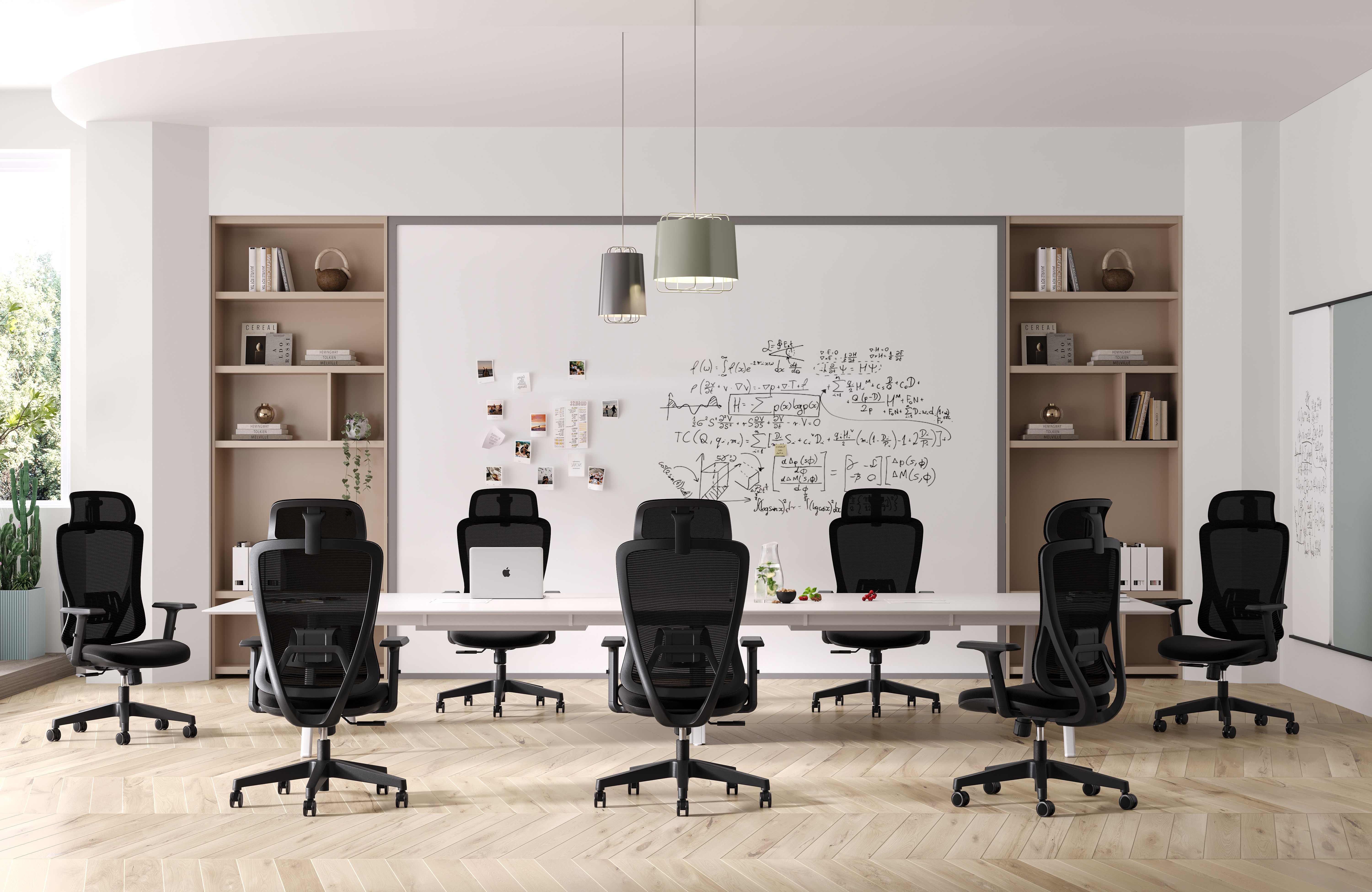
The right conference chair plays a crucial role in shaping how productive and comfortable your meetings become. When professionals gather in conference rooms, they expect seating that supports both their physical wellbeing and their ability to focus on discussions. A quality conference chair combines aesthetic appeal with functional ergonomics, ensuring that participants can concentrate on collaboration rather than discomfort. Modern office spaces demand conference chairs that align with contemporary design standards while delivering practical benefits that traditional seating cannot match.
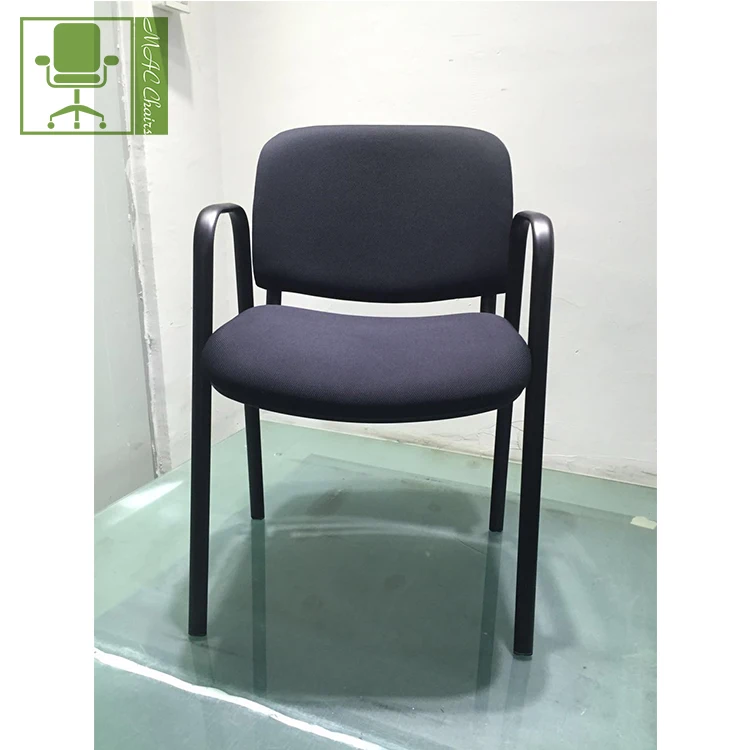
Selecting the ideal conference chair requires understanding what features truly matter in today's work environment. A conference chair must balance mobility, stability, comfort, and visual harmony with your office aesthetic. The market offers numerous options, but understanding the specific features that make a conference chair suitable for modern spaces helps you make an informed decision. Whether you are outfitting a startup, corporate office, or collaborative workspace, the conference chair you choose directly impacts meeting quality and employee satisfaction.
Ergonomic Support and Comfort Features
Lumbar Support and Spinal Alignment
A properly designed conference chair prioritizes spinal health through structured lumbar support that maintains natural curvature during extended sitting. The lumbar region of a conference chair should be adjustable or contoured to match the lower back curve, preventing slouching and strain during long meetings. Many modern conference chair models include adjustable lumbar mechanisms that allow users to customize support according to their body type. This feature transforms a basic conference chair from merely functional to therapeutically beneficial, reducing fatigue and improving focus throughout the day.
Seat Height and Armrest Functionality
An ideal conference chair offers adjustable seat height that accommodates diverse user populations and ensures proper alignment with conference tables. Armrests on a conference chair should be positioned at elbow height when arms rest naturally, reducing shoulder tension during meetings. Quality conference chair designs include cushioned, padded armrests that provide comfort without interfering with table access or note-taking. The conference chair seat cushion should be firm enough to prevent sinking yet soft enough to distribute pressure evenly across the sitting surface.
Design and Aesthetic Alignment
Visual Integration with Modern Office Aesthetics
Today's conference chair must reflect the visual identity of contemporary office environments, where minimalist design and professional appearance matter significantly. A conference chair in neutral tones such as grey, black, or navy integrates seamlessly with most modern decor while maintaining sophistication. Sleek lines and contemporary silhouettes distinguish a modern conference chair from traditional heavy office seating. The conference chair frame materials, whether mesh, leather, or fabric upholstery, should complement your office's overall design language while maintaining durability for high-use environments.
Stackability and Space Efficiency
Many organizations benefit from a conference chair that offers stackability for flexible space management. A stackable conference chair allows quick reconfiguration of meeting rooms to accommodate different event sizes and layouts. Lightweight yet sturdy conference chair construction enables staff to rearrange seating without excessive effort or risk of damage. This practical feature makes a conference chair ideal for dynamic workplaces where meeting room configurations change frequently throughout the day.
Mobility, Durability, and Functionality
Caster Performance and Maneuverability
Smooth-rolling casters distinguish a high-quality conference chair from basic alternatives, enabling participants to adjust their position without scraping floors or creating noise. The conference chair casters should glide smoothly on various floor types, from carpet to hardwood, without requiring excessive force. Hard-surface floor protectors ensure that a conference chair moves easily in professional settings without causing damage. This mobility feature enhances comfort during long meetings by allowing users to shift positions and promotes better blood circulation.
Build Quality and Warranty Considerations
A durable conference chair constructed from high-grade materials resists wear and maintains its functionality across years of daily use. The conference chair base should feature reinforced construction capable of supporting various body weights without compromising stability. Quality conference chair manufacturers often provide warranties that reflect confidence in their products' longevity. Investing in a conference chair with robust construction ultimately reduces replacement costs and maintains a professional appearance in your office environment.
Performance Metrics and Selection Criteria
Weight Capacity and User Accommodation
An ideal conference chair should accommodate a wide range of users with adequate weight capacity that exceeds average requirements. Standard conference chair models typically support weights from 250 to 300 pounds, though premium options offer higher capacities. Selecting a conference chair that accommodates diverse body types demonstrates inclusive workspace design and ensures comfort for all participants. This consideration prevents user discomfort and extends the conference chair's practical utility across your entire team.
Maintenance and Longevity Factors
A practical conference chair features upholstery materials that resist staining and support easy cleaning in busy office environments. Fabric choices on a conference chair should balance aesthetics with functionality, resisting wear while remaining professionally appropriate. Regular maintenance of a conference chair's mechanisms and casters extends its useful lifespan significantly. Organizations that prioritize conference chair care through simple cleaning and periodic inspections maintain a polished appearance and ensure consistent performance.
FAQ
What makes a conference chair different from a standard office chair?
A conference chair typically features a lighter frame for easier movement and stackability compared to executive office chairs. Conference chairs prioritize clean aesthetics and group functionality over the individualized adjustability found in task chairs. The conference chair design emphasizes portability and flexible configuration, making it ideal for meeting spaces where multiple chairs must be arranged and rearranged frequently.
How does lumbar support in a conference chair improve meeting productivity?
Proper lumbar support in a conference chair reduces physical distraction and fatigue, allowing participants to concentrate fully on discussions. When a conference chair provides adequate back support, users maintain better posture and experience less discomfort during extended meetings. This ergonomic benefit of a conference chair directly translates to improved engagement and decision-making quality during important business discussions.
Can a stackable conference chair maintain durability with frequent repositioning?
Quality stackable conference chair models are engineered to withstand repeated stacking and repositioning without structural degradation. The conference chair design incorporates reinforced connection points and durable materials specifically chosen to handle frequent movement. Selecting a premium conference chair from reputable manufacturers ensures that stackability does not compromise long-term durability or performance reliability.


