
 EN
EN
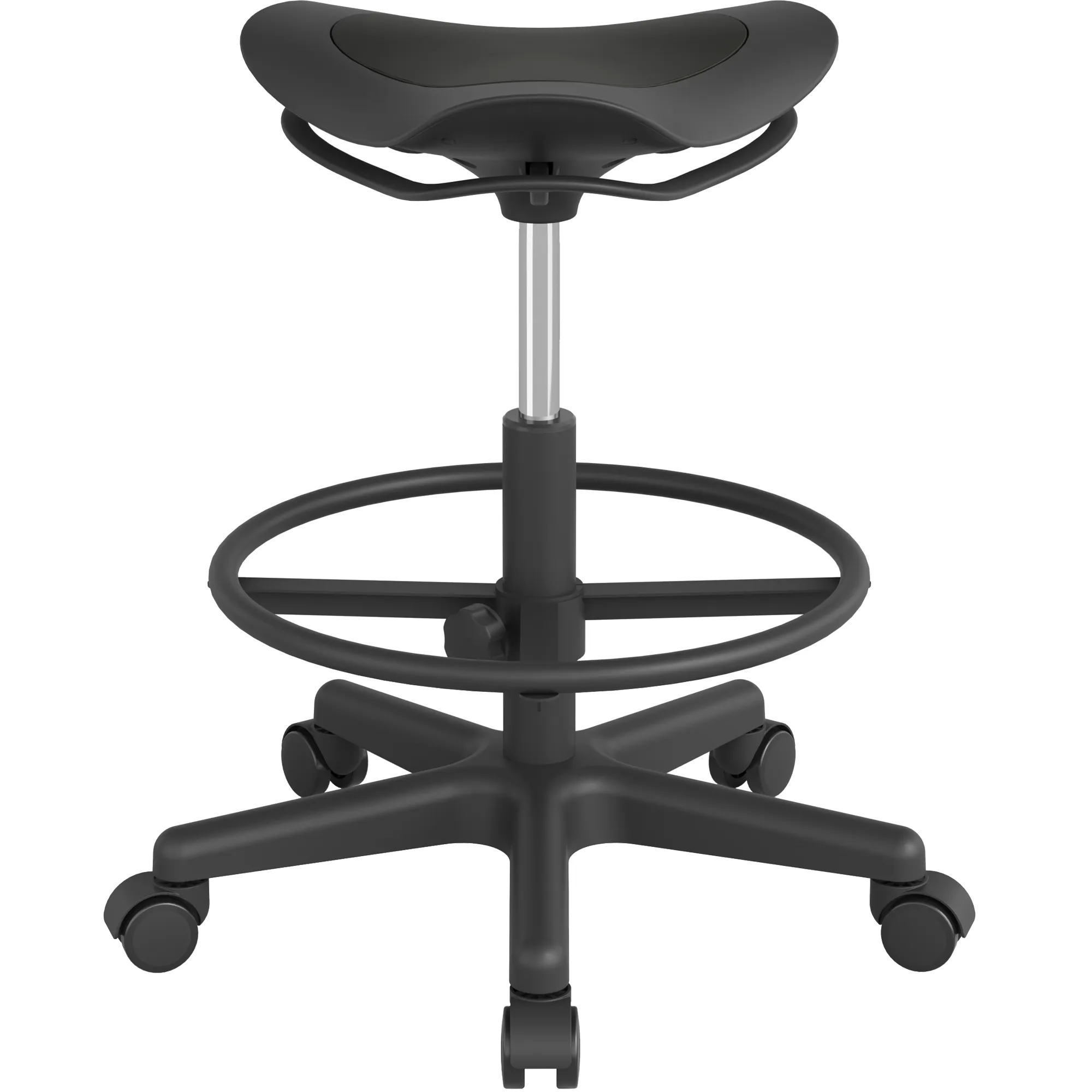
A dental stool represents one of the most critical investments a modern dental clinic can make, yet many practitioners overlook its importance when setting up their operatories. The right dental stool directly impacts clinician posture, patient care quality, and long-term practice sustainability. Unlike generic office chairs, a dental stool must meet specific ergonomic and functional demands that align with contemporary clinical workflows. Understanding what constitutes an ideal dental stool enables clinic owners and dentists to make informed purchasing decisions that support both professional excellence and team well-being.
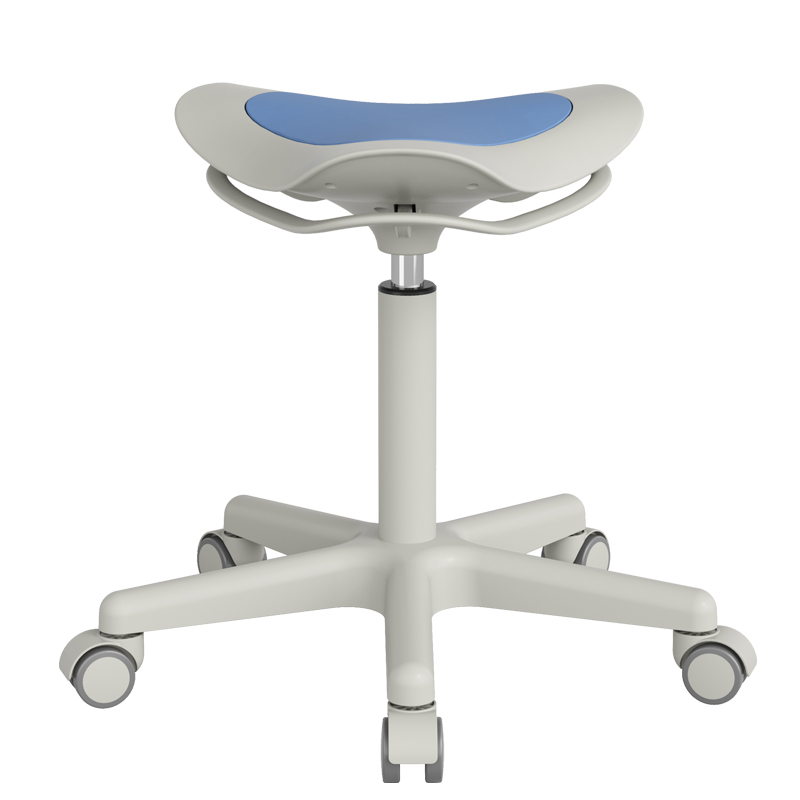
Modern dental practice demands furniture that adapts to diverse clinical scenarios and supports practitioners throughout lengthy treatment sessions. A dental stool must balance mobility, stability, and comfort while maintaining the precise positioning required for restorative, surgical, and cosmetic procedures. The evolution of clinical ergonomics has established clear benchmarks for what separates a truly ideal dental stool from conventional alternatives. This article explores the essential characteristics that define an ideal dental stool for today's dental clinics, helping you evaluate options based on practical, evidence-based criteria.
Ergonomic Design Principles for an Ideal Dental Stool
Posture Support and Spinal Alignment
An ideal dental stool prioritizes clinician posture by providing targeted lumbar support and promoting neutral spine alignment. The seat height, width, and angle must accommodate prolonged sitting without creating pressure points or muscular fatigue. Modern ergonomic research demonstrates that a dental stool featuring a contoured backrest reduces lower back strain by approximately 30 percent compared to flat surfaces. The ideal dental stool allows practitioners to maintain a forward-leaning posture at 110 to 130 degrees, which facilitates optimal visibility and instrument control during treatment delivery. Adjustability remains paramount, as each clinician possesses unique anatomical proportions that require customized positioning to prevent occupational injuries.
Height Adjustment and Foot Support
A truly ideal dental stool incorporates smooth height adjustment mechanisms that enable clinicians to achieve the exact seat level required for their specific patient and procedure. Hydraulic or pneumatic systems provide fluid height changes without jerky movements that could compromise stability. The ideal dental stool includes a foot ring or platform positioned to ensure feet rest comfortably, eliminating pressure on the thighs and promoting circulation. When a dental stool lacks adequate foot support, clinicians often experience nerve compression and fatigue within 90 minutes of continuous sitting. A well-designed ideal dental stool accommodates users from approximately 5 feet 2 inches to 6 feet 4 inches through its adjustment range, ensuring inclusivity across diverse clinic team compositions.
Mobility, Stability, and Operational Efficiency
360-Degree Mobility and Precision Control
An ideal dental stool must facilitate seamless movement around the patient while maintaining complete stability during clinical procedures. Quality casters or wheels enable rapid repositioning without requiring the clinician to stand repeatedly, which preserves energy and minimizes procedural interruptions. The ideal dental stool balances smooth movement with controlled resistance, preventing unintended drifting while the practitioner concentrates on clinical tasks. Rubber or high-quality polymer casters reduce floor damage and operate silently, maintaining a professional environment. The base width of an ideal dental stool should measure between 24 and 28 inches in diameter, providing a low center of gravity that prevents tipping during asymmetrical weight distribution or sudden movements.
Seat Design for Multi-Disciplinary Clinical Use
Modern dental clinics employ diverse specialists, from general practitioners to orthodontists and surgical specialists, each requiring slightly different positioning capabilities from their dental stool. An ideal dental stool features a compact, relatively flat seat surface that permits both upright and forward-leaning postures without restriction. The seat pan should measure approximately 16 to 18 inches in width and depth, providing sufficient support without creating pressure zones. A dental stool designed for modern clinics incorporates a tilt mechanism allowing practitioners to adjust seat angle from 0 to 15 degrees, accommodating different clinical approaches and personal preferences. This versatility transforms a single dental stool into a functional tool across multiple specialties and clinical situations.
Durability, Materials, and Maintenance Considerations
Construction Quality and Material Selection
An ideal dental stool must withstand the demanding environment of a busy dental practice, where extended daily use and regular disinfection create significant wear challenges. High-grade base materials, typically aluminum or steel, provide structural integrity that supports daily operational demands over many years. The ideal dental stool incorporates marine-grade or dental-specific upholstery materials that resist moisture, staining, and bacterial colonization without degrading under disinfectant exposure. Seat foam should maintain its supportive properties and shape retention even after consistent use and frequent cleaning cycles. The ideal dental stool manufactured with premium components typically demonstrates a service life of 7 to 10 years, representing better value than lower-cost alternatives requiring replacement every 3 to 4 years.
Easy Cleaning and Infection Control Integration
Infection control represents a non-negotiable requirement in modern dental clinics, making a dental stool's cleanability a critical evaluation criterion. An ideal dental stool incorporates seamless upholstery construction without crevices or exposed stitching where pathogenic microorganisms could accumulate. The base, casters, and mechanical components should feature minimal exposed threads or complex crevices that complicate disinfection protocols. A dental stool compatible with standard dental disinfectants enables rapid decontamination between patients without accelerating material degradation. Removable or replaceable seat covers transform a dental stool into a more adaptable asset in high-volume clinics where multiple operatories share equipment or turnover demands rapid between-patient protocols.
FAQ
What specific features distinguish an ideal dental stool from a standard office chair?
An ideal dental stool incorporates features specifically engineered for clinical dentistry, including enhanced mobility for 360-degree positioning, ergonomic support optimized for forward-leaning postures, smaller footprints suitable for compact operatories, and materials compatible with infection control protocols. A dental stool includes foot rings for proper circulation support and maintains stability during asymmetrical body positioning that occurs during treatment delivery. Standard office chairs lack these clinical specifications and often create postural problems when adapted for dental use, making a purpose-designed dental stool essential for clinician health and treatment quality.
How does seat height adjustment on a dental stool affect clinical outcomes?
Proper seat height on a dental stool directly impacts clinician visibility, hand-eye coordination, and instrument control during procedures. When a dental stool height positions the clinician's eyes 14 to 16 inches above the patient's oral plane at the correct angle, visibility and ergonomic positioning optimize simultaneously. Incorrect height forces practitioners to adopt compensatory postures that increase fatigue and reduce procedural precision. A dental stool enabling smooth height adjustment throughout the day accommodates different patient sizes and various treatment positions without interrupting workflow. Studies demonstrate that clinicians using appropriately adjusted dental stool heights report 40 percent fewer neck and shoulder complaints compared to practitioners using fixed-height alternatives.
What should clinic managers consider when selecting an ideal dental stool for their practice?
Clinic managers should evaluate a dental stool based on total cost of ownership rather than purchase price alone, considering durability, maintenance requirements, replacement frequency, and staff health-related productivity losses. An ideal dental stool should accommodate the full range of clinician heights and body types within the practice team, necessitating adequate adjustment range and customization options. Request specifications regarding upholstery material compatibility with disinfectants, caster type and noise levels, base stability dimensions, and warranty coverage. Trial periods before full-practice purchase commitments allow practitioners to experience how a specific dental stool integrates with their clinical workflow and personal ergonomic needs. Involving clinicians in the selection process ensures that the final dental stool choice reflects actual operational requirements rather than administrative assumptions.


