
 EN
EN
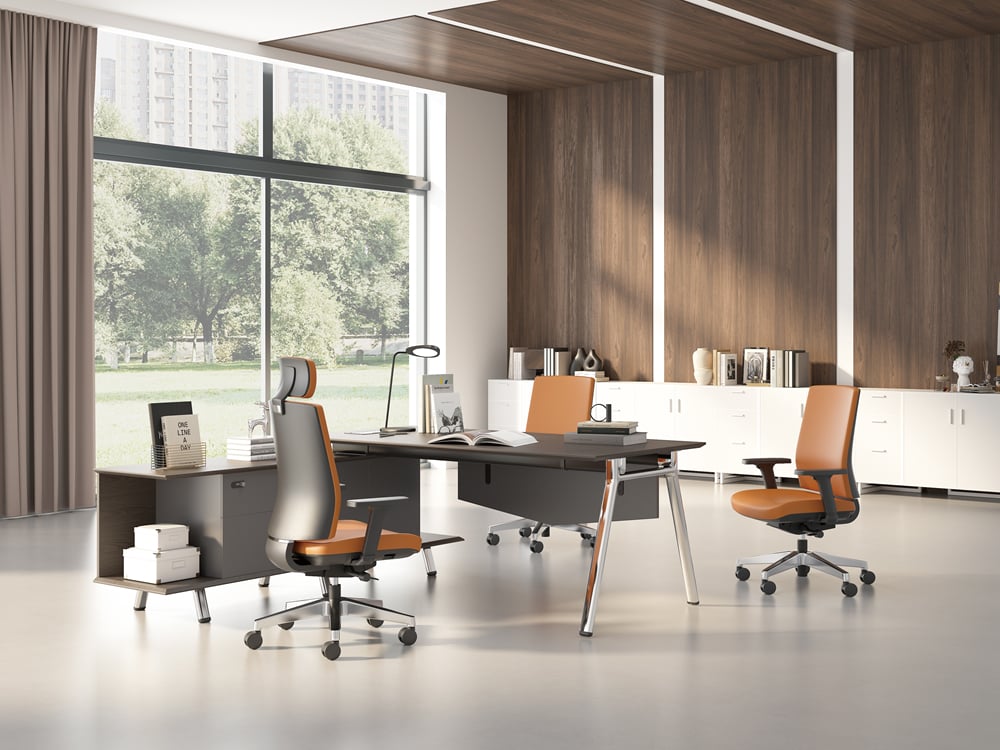
An ergonomic office chair is far more than just a place to sit during your workday. It is a carefully designed tool that directly influences your physical health, particularly your spine and overall comfort during extended periods at your desk. Modern professionals spend an average of eight to ten hours daily seated at their workstations, making the quality of their seating arrangement critically important. An ergonomic office chair supports proper spinal alignment, reduces strain on your lower back, and actively prevents the musculoskeletal problems that plague sedentary workers worldwide.
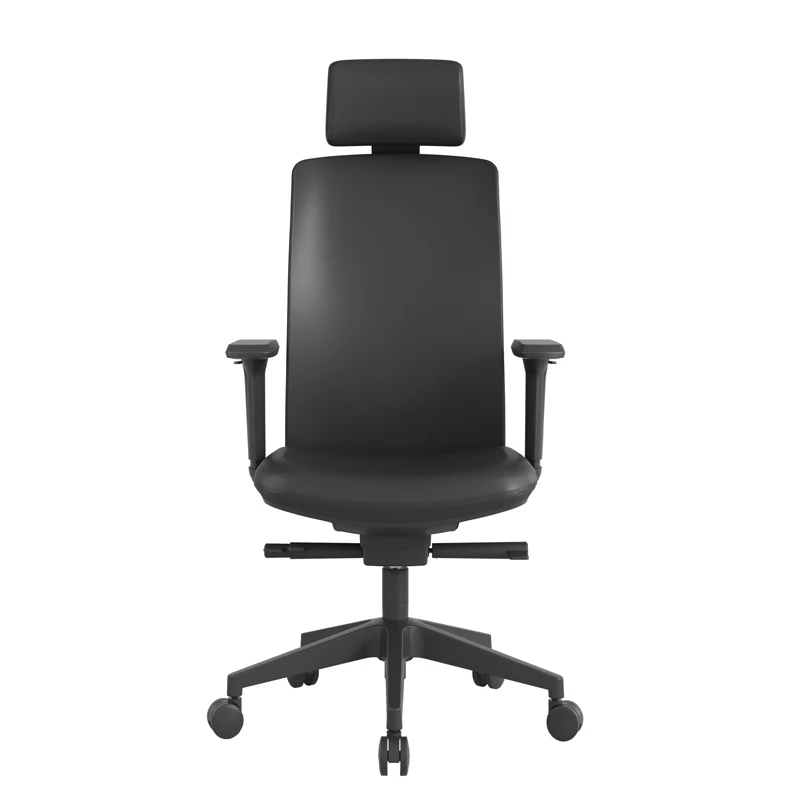
The connection between seating quality and spine health is scientifically proven and well-documented in occupational health research. When you sit in a poorly designed chair, your spine experiences uneven pressure distribution, leading to postural compensation and chronic pain. Conversely, an ergonomic office chair actively counteracts these problems by promoting neutral spine positioning and distributing your body weight evenly across the seat and backrest. Understanding how an ergonomic office chair works to support your spine is essential for anyone looking to protect their long-term health and maintain productivity at work.
Core Design Features That Support Spine Health
Lumbar Support and Lower Back Alignment
The lumbar region of your spine is the foundation of your entire spinal column and bears significant load during sitting. An ergonomic office chair includes dedicated lumbar support that curves naturally to match the inward bend of your lower spine. This curvature prevents your lumbar spine from flattening against the backrest, which occurs in standard chairs and causes disc pressure and muscle fatigue. High-quality lumbar support in an ergonomic office chair maintains the natural lordotic curve, reducing strain on intervertebral discs and supporting the ligaments that hold your spine in place.
Many modern ergonomic office chair models feature adjustable lumbar support that allows you to customize the depth and position of lumbar support to match your unique spinal curve. This personalization is crucial because spine anatomy varies significantly between individuals, and a one-size-fits-all approach cannot effectively support everyone. When you adjust your ergonomic office chair lumbar support correctly, you eliminate the compensatory postures that lead to chronic pain and muscular dysfunction.
Proper Seat Height and Thigh Support
An ergonomic office chair maintains proper hip and knee angles through precise seat height adjustment. When your seat is positioned at the correct height, your feet rest flat on the floor or footrest, your knees align at approximately ninety degrees, and your thighs remain parallel to the ground. This positioning reduces pressure on your femoral artery and prevents the circulation problems that result from prolonged leg pressure against the seat edge. An ergonomic office chair with adequate seat depth ensures your thighs receive full support without compression at the knee joint.
Seat cushioning in a quality ergonomic office chair is engineered to distribute weight evenly across your sitting surface while maintaining enough firmness to support proper posture. Memory foam and high-density cushioning materials used in premium ergonomic office chair designs conform to your body while preventing the sagging that occurs with inferior padding.
Postural Alignment and Spine Stress Reduction
Neutral Spine Positioning Throughout Your Workday
Neutral spine position is the ideal alignment where your cervical, thoracic, and lumbar regions stack vertically with minimal muscular effort required to maintain posture. An ergonomic office chair facilitates this position through its backrest angle, seat height, and support features that keep your spine in neutral alignment. When you sit in an ergonomic office chair with proper settings, your muscles work less to maintain posture, reducing fatigue and the micro-trauma that accumulates over months and years of poor positioning.
The cervical spine, consisting of seven vertebrae in your neck, is particularly vulnerable to strain from forward-head posture. An ergonomic office chair with a properly positioned backrest and supportive design prevents the forward head position that creates excessive tension in your neck and upper back. This support is essential for preventing cervical spine degeneration and the associated headaches, shoulder tension, and chronic neck pain that affect many office workers.
Reduced Intervertebral Disc Pressure
Your intervertebral discs are gel-like structures between each vertebra that absorb shock and allow spinal movement. Disc pressure increases significantly when your spine is not properly supported, and sustained pressure leads to disc herniation, bulging, and degenerative changes. An ergonomic office chair reduces intradiscal pressure by maintaining proper spinal curves and distributing compressive forces across your entire spine rather than concentrating them in specific vertebral segments. This pressure reduction is one of the most important health benefits an ergonomic office chair provides.
Sitting in an ergonomic office chair for extended periods places your discs under far less stress than sitting in standard chairs, where unsupported postures create localized pressure zones. The cumulative effect of eight hours daily in an ergonomic office chair versus a non-ergonomic alternative represents a substantial difference in long-term spine health and the prevention of age-related spinal degeneration.
Additional Comfort and Wellness Benefits
Enhanced Blood Circulation and Reduced Fatigue
Poor seating design restricts blood flow by creating pressure points that compress arteries and veins throughout your lower body and pelvis. An ergonomic office chair distributes your weight evenly across the seat, eliminating pressure points and allowing unrestricted circulation. Improved circulation means better oxygen delivery to your muscles and brain, reducing the afternoon fatigue that office workers commonly experience. This circulation benefit also reduces the risk of deep vein thrombosis and other circulatory complications associated with prolonged sitting.
Armrest Support and Shoulder Relief
An ergonomic office chair with adjustable armrests prevents shoulder and neck strain by supporting your arms at the correct height relative to your work surface. When armrests are positioned properly, your shoulders remain relaxed and neutral rather than elevated or compressed. This support reduces tension in your trapezius and other neck muscles, directly preventing the shoulder and neck problems that accompany poor seating design. Armrest height, width, and angle adjustability in a quality ergonomic office chair allow customization that matches your unique anthropometry and work setup.
The combination of lumbar support, proper seat height, adjustable armrests, and headrest options in a modern ergonomic office chair creates a comprehensive support system that actively protects your entire spine and encourages healthy posture throughout your workday.
FAQ
Can an ergonomic office chair prevent chronic back pain?
An ergonomic office chair significantly reduces your risk of developing chronic back pain by supporting proper spinal alignment and distributing pressure evenly across your spine. While it cannot reverse existing spinal damage, an ergonomic office chair prevents the progressive strain and microtrauma that lead to pain development. Combined with proper posture habits and regular movement breaks, an ergonomic office chair is one of the most effective preventive tools for office workers.
How long does it take to feel the benefits of an ergonomic office chair?
Most users begin noticing reduced muscle tension and improved comfort within the first week of using an ergonomic office chair with proper adjustment. However, the full benefits of an ergonomic office chair—including reduced pain, improved posture habits, and spinal stress reduction—typically develop over four to eight weeks as your muscles adapt to healthier positioning and your body discovers comfort in neutral spine alignment.
What adjustments are most important in an ergonomic office chair?
The most critical adjustments in an ergonomic office chair are seat height, lumbar support depth, and lumbar support height. These three settings directly control spinal alignment and pressure distribution. Secondary adjustments include armrest height, backrest recline angle, and seat depth. An ergonomic office chair requires individual customization to provide maximum benefit, as each person's spine anatomy and work environment differs significantly.


