
 EN
EN
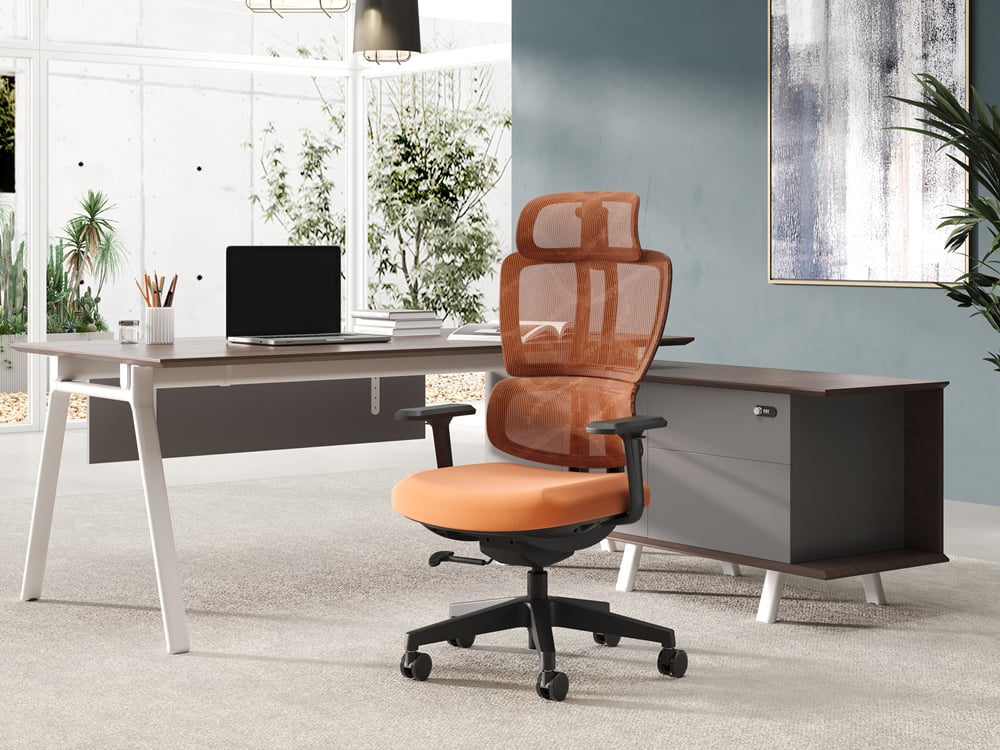
The choice of office chairs significantly impacts how employees experience their workday, affecting everything from physical comfort to mental clarity and productivity. When organizations overlook the importance of proper seating, they risk exposing their workforce to chronic pain, reduced focus, and diminished output. Understanding how office chairs impact employee health and daily performance is essential for creating a workplace environment that supports both wellbeing and business success. The relationship between seating quality and worker outcomes extends far beyond simple comfort—it touches on ergonomics, injury prevention, psychological engagement, and long-term organizational health.
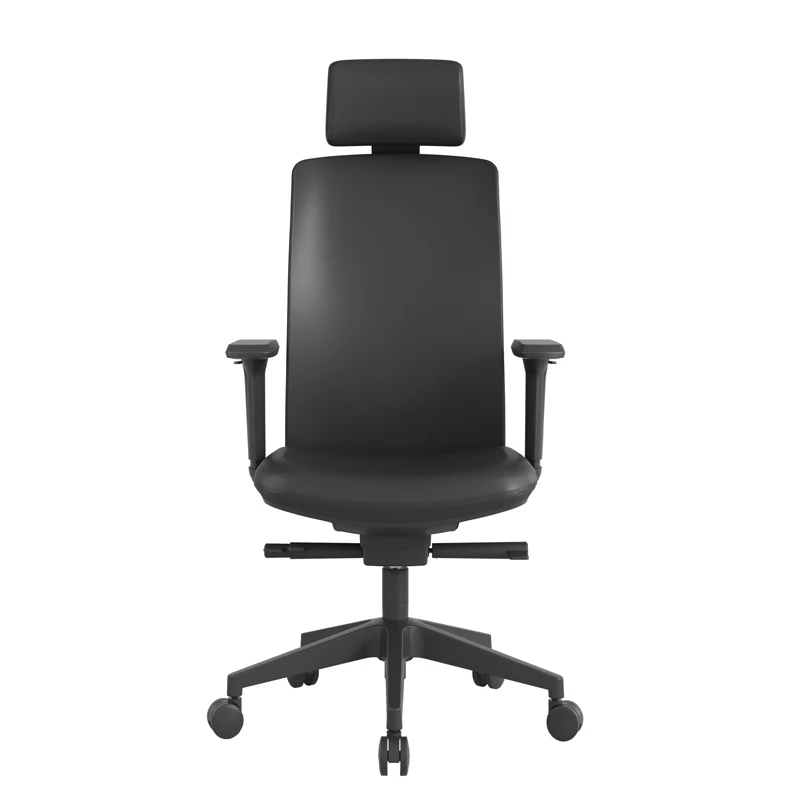
Poor seating choices lead to documented health consequences that ripple through organizations. Employees sitting in unsupportive chairs develop postural strain, back pain, and neck tension that accumulate over weeks and months. These physical discomforts trigger a cascade of negative effects: reduced concentration, slower task completion, increased error rates, and higher absenteeism. By contrast, workplaces that prioritize how office chairs impact employee wellbeing report measurable improvements in attendance, engagement, and output quality. The financial argument alone justifies investing in proper seating solutions, as the costs of poor health outcomes far exceed the investment in quality office chairs.
Physical Health Benefits of Proper Office Chair Selection
Spinal Alignment and Posture Support
The foundation of healthy seating lies in how office chairs impact spinal alignment and posture throughout the workday. Chairs with proper lumbar support maintain the natural curve of the spine, preventing the slouching and rounding that leads to intervertebral disc stress. When an office chairs impact supports neutral spine positioning, employees experience reduced strain on ligaments, muscles, and connective tissues in the back and neck. This alignment is not a luxury—it is essential for preventing chronic conditions that develop from years of misalignment. High-quality office chairs impact joint loading patterns, distributing pressure evenly across the seat and reducing concentrated stress points that cause pain and injury.
Proper postural support also enhances breathing efficiency and circulation. When the spine is aligned correctly, the diaphragm functions optimally, improving oxygen intake and blood flow throughout the body. Employees working in chairs that support good posture maintain better alertness, clearer thinking, and sustained energy levels compared to those fighting against poor seating geometry. The way office chairs impact breathing and cardiovascular function is often overlooked, yet it directly influences cognitive performance and endurance throughout the workday.
Prevention of Repetitive Strain Injuries
Repetitive strain injuries develop when workers maintain static positions in poorly designed seating for extended periods. How office chairs impact wrist, shoulder, elbow, and hip positioning determines whether employees develop conditions like carpal tunnel syndrome, thoracic outlet syndrome, or piriformis syndrome. Chairs with adjustable armrests, seat depth, and tilt mechanisms allow workers to customize their positioning and vary their posture throughout the day. This adaptability is critical because how office chairs impact injury prevention depends on the ability to move, adjust, and change positioning regularly rather than remaining locked in one ergonomic position.
Preventive seating also reduces the inflammation and tissue damage that accumulates from sustained pressure and repetitive motion. When organizations address how office chairs impact injury risk through proper selection and adjustment, they experience dramatic reductions in workers' compensation claims, insurance premiums, and lost productivity from health-related absences. The cumulative benefit across a workforce of even fifty employees represents substantial financial savings and improved organizational stability.
Cognitive Performance and Mental Wellbeing Connection
Focus, Concentration, and Task Efficiency
How office chairs impact cognitive function is a direct relationship that extends far beyond physical comfort. When employees experience pain, discomfort, or physical distraction from poor seating, their prefrontal cortex diverts cognitive resources toward managing that discomfort rather than solving complex problems. Research in occupational health confirms that how office chairs impact employee focus manifests in measurable differences in task completion times, error rates, and creative problem-solving performance. Workers in supportive seating demonstrate improved concentration duration, faster decision-making, and higher-quality output compared to those struggling with uncomfortable positioning.
The psychological effect of how office chairs impact wellbeing also includes reduced stress and anxiety. Physical discomfort triggers the nervous system's stress response, elevating cortisol levels and creating a state of tension that persists throughout the day. By contrast, proper seating allows the nervous system to remain calm and regulated, supporting emotional resilience and interpersonal effectiveness. Employees feeling physically comfortable report better mood, higher engagement, and greater job satisfaction—all measurable outcomes that organizations can track and validate.
Energy Levels and Sustained Performance
How office chairs impact energy expenditure matters significantly for afternoon performance slumps and end-of-day productivity. Poor seating forces muscles to work continuously to maintain posture against inadequate support, leading to muscle fatigue and reduced energy availability for actual work tasks. Quality office chairs impact energy conservation by allowing passive postural support, meaning muscles engage less intensively to maintain position. This preserved energy translates directly into sustained performance during critical afternoon work windows when focus typically declines.
The long-term energy sustainability of office chairs impact also relates to sleep quality and recovery. Employees who experience pain or strain during work hours often struggle with sleep disturbance and incomplete recovery, arriving the next day already depleted. When organizations improve how office chairs impact daytime comfort and posture, employees report better sleep quality, faster recovery, and more consistent energy levels across the week. This compounding benefit creates a positive feedback loop where improved seating leads to better recovery, which supports sustained high performance across projects and deadlines.
Organizational Impact and Workplace Culture
Absenteeism Reduction and Attendance Improvement
How office chairs impact employee health translates directly into quantifiable attendance metrics that affect organizational operations. Chronic pain and discomfort-related conditions drive absenteeism rates, with back pain being one of the leading causes of work absences across industries. When workplaces address how office chairs impact injury risk and discomfort through proper ergonomic selection, absence rates decline measurably. Employees who feel physically supported and free from pain are more likely to come to work, stay engaged throughout their shift, and maintain consistent productivity.
Beyond reducing negative absences, how office chairs impact presence also includes improved on-time arrival and reduced early departures. When employees dread arriving at their workspace due to anticipated discomfort, they tend toward tardiness or leaving early. Quality seating transforms the office environment from a place of dread into a space where employees feel supported and comfortable, shifting arrival and departure patterns toward organizational expectations. This seemingly small behavioral change aggregates into substantial productivity gains when multiplied across a workforce.
Employee Retention and Organizational Reputation
How office chairs impact employee retention operates through both direct and indirect mechanisms. Employees experiencing chronic pain and health issues from poor seating become increasingly likely to seek employment elsewhere, creating turnover that disrupts team stability and increases replacement costs. Organizations that visibly prioritize how office chairs impact employee wellbeing send a powerful message that they value worker health and comfort, strengthening retention among engaged performers. This cultural signal extends recruiting effectiveness, as job candidates increasingly evaluate workplace wellness investments as indicators of organizational values.
The reputation effect of how office chairs impact workplace culture also influences customer and partner perceptions. Organizations known for investing in employee health and wellbeing attract higher-quality talent, stronger business partnerships, and improved customer loyalty. When office workers feel supported and comfortable, they project more positive energy, deliver better customer service, and create a workplace atmosphere that attracts quality relationships externally. How office chairs impact the entire organizational ecosystem extends well beyond the individual worker's physical health to shape competitive positioning and market perception.
FAQ
How do ergonomic office chairs specifically impact lower back health?
Ergonomic office chairs impact lower back health primarily through lumbar support that maintains the natural inward curve of the lumbar spine. Chairs designed with adjustable lumbar support allow workers to customize the depth and firmness of support, preventing the posterior disc bulging that occurs when sitting slouched. Quality office chairs impact disc pressure by distributing load evenly across the seat surface rather than concentrating pressure on the tailbone and lower back. When lumbar support aligns properly, employees experience reduced disc stress, decreased muscle tension, and prevention of the degenerative changes that develop from years of unsupported sitting.
What is the connection between office chair quality and sick leave duration?
Office chairs impact sick leave duration through both prevention and recovery support mechanisms. Employees working in poor chairs develop pain conditions that require medical treatment and recovery time, extending sick leave absences compared to workers in supportive seating. Additionally, how office chairs impact recovery speed after injury or illness—workers in comfortable chairs with proper support recover more quickly from health episodes than those in unsupportive seating. Organizations investing in quality office chairs experience not only fewer health-related absences but also shorter duration of individual sick leave episodes, creating compounding productivity benefits across the workforce.
Can office chairs impact employee mental health and job satisfaction?
Yes, office chairs impact mental health and job satisfaction through multiple pathways. Chronic physical discomfort triggers stress responses that elevate anxiety and contribute to depression and burnout. Quality office chairs impact psychological wellbeing by reducing pain-related stress, allowing the nervous system to remain in a calm state throughout the workday. Additionally, how office chairs impact the physical work environment influences overall job satisfaction—employees perceiving that their organization invests in their comfort report higher engagement, stronger team cohesion, and greater commitment to organizational goals. The mental health benefits of proper seating extend beyond pain reduction to encompass emotional resilience, stress management, and psychological wellbeing.


