
 EN
EN
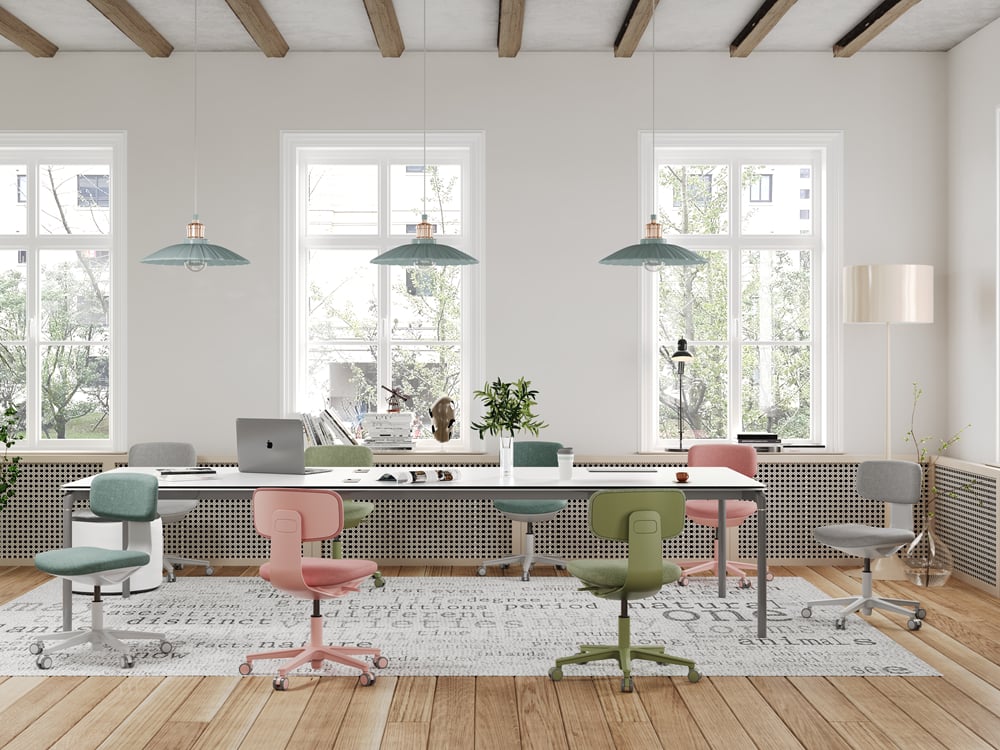
Modern offices face an unprecedented challenge: employees spend eight or more hours daily seated at desks, often in poorly designed chairs that compromise their health and productivity. Ergonomic office chair designs have become essential not as a luxury but as a fundamental business requirement. Companies that invest in proper seating solutions witness measurable improvements in employee wellness, reduced absenteeism, and enhanced work output. Understanding why ergonomic office chair designs matter is the first step toward creating a workplace that supports human well-being while driving organizational success.
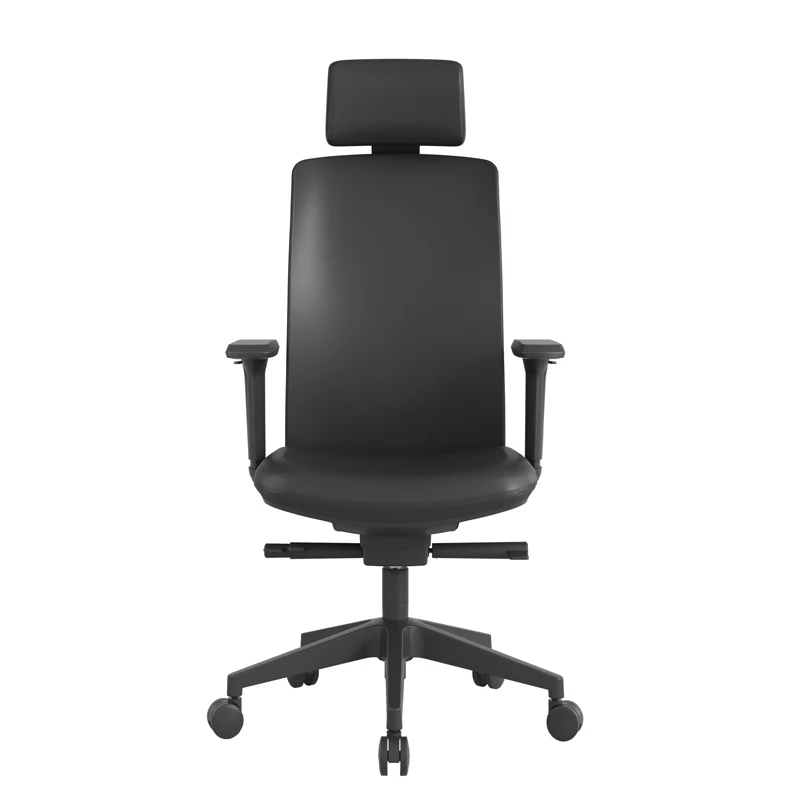
The evolution of workplace seating reflects a deeper understanding of occupational health and human ergonomics. Traditional office chairs were designed primarily for aesthetics and cost efficiency, with minimal consideration for spinal support, lumbar alignment, or postural comfort. Today's ergonomic office chair designs incorporate advanced features such as adjustable lumbar support, breathable mesh materials, dynamic armrests, and tilt mechanisms that accommodate individual body types and working styles. This shift represents a fundamental recognition that workplace furniture directly impacts employee health outcomes, job satisfaction, and organizational productivity metrics.
The Health Impact of Proper Seating
Reducing Musculoskeletal Disorders
Poor seating posture contributes significantly to work-related musculoskeletal disorders, including lower back pain, cervical strain, and repetitive stress injuries. Ergonomic office chair designs address these issues through scientifically informed features. The lumbar region receives dedicated support that maintains the natural curve of the spine, preventing the slouching that typically occurs in standard office chairs. Adjustable seat height ensures that feet rest flat on the floor while knees maintain a ninety-degree angle, reducing pressure on the lower back. Properly engineered armrests support the shoulders and reduce neck strain by allowing employees to maintain neutral arm positions during keyboard and mouse work.
Long-Term Health Benefits
Investing in ergonomic office chair designs produces long-term health advantages that extend beyond the workplace. Employees who spend their workday in chairs supporting proper spinal alignment experience reduced chronic pain, fewer headaches, and improved circulation. These benefits accumulate over years, creating a measurable difference in overall employee health status and quality of life. Ergonomic office chair designs also promote better posture habits, training employees' bodies to maintain healthier positions even outside work hours. Organizations that prioritize seating ergonomics report lower workers' compensation claims, reduced healthcare costs, and improved employee retention rates directly linked to workplace comfort improvements.
Productivity and Performance Enhancement
Focus and Concentration
Discomfort is a primary distraction in modern offices. When employees sit in poorly designed chairs, their minds continuously register pain signals, dividing attention between work tasks and physical discomfort. Ergonomic office chair designs eliminate this cognitive drain by providing consistent spinal support and pressure relief. Employees remain focused on complex tasks, creative problem-solving, and strategic thinking rather than shifting positions to relieve pain. This cognitive benefit translates directly into measurable productivity gains. Studies show that employees using ergonomic office chair designs complete tasks faster, produce higher-quality work, and demonstrate improved decision-making capabilities compared to counterparts using standard seating.
Sustained Energy Levels
Poor posture and inadequate seating support accelerate fatigue by forcing muscles to work harder to maintain stability and balance. Ergonomic office chair designs reduce muscular effort required for seated stability, preserving physical energy throughout the workday. Features like breathable mesh upholstery prevent the heat accumulation and moisture buildup that contribute to afternoon energy crashes. Adjustable tilt mechanisms allow employees to shift positions without leaving their workspace, promoting better circulation and preventing stiffness. Employees in properly designed ergonomic office chair designs report sustained energy levels from morning through end of shift, enabling consistent performance across all hours of operation.
Creating a Competitive Workplace Culture
Employee Satisfaction and Retention
Talent acquisition and retention remain critical challenges for modern organizations. Ergonomic office chair designs signal organizational commitment to employee welfare and comfort, directly influencing recruitment and retention outcomes. Job candidates increasingly evaluate workplace ergonomics as part of their decision-making process, viewing proper seating as evidence of employer investment in worker health. Employees who benefit from ergonomic office chair designs demonstrate higher job satisfaction scores, increased loyalty, and stronger organizational commitment. The presence of quality ergonomic seating becomes a distinguishing factor in competitive labor markets where top talent has multiple employment options. Organizations that implement comprehensive ergonomic office chair designs often experience noticeable improvements in employee tenure and reduced costly turnover.
Organizational Health Culture
Ergonomic office chair designs represent tangible evidence of a company's health-conscious culture. When organizations invest in proper seating, they communicate that employee well-being matters and receives priority alongside business objectives. This investment often inspires complementary wellness initiatives, including standing desk options, ergonomic assessments, and movement break programs. The presence of ergonomic office chair designs establishes a baseline expectation for workplace health standards that extends across organizational practices. Employees recognize this commitment and reciprocate with increased engagement, collaborative energy, and loyalty. Forward-thinking companies view ergonomic office chair designs not as expense line items but as strategic investments in organizational culture that attract talent, improve retention, and enhance competitive positioning in their industries.
FAQ
What specific features should quality ergonomic office chair designs include?
Essential features of effective ergonomic office chair designs encompass adjustable lumbar support that conforms to individual spine curvatures, breathable mesh or high-quality fabric materials, pneumatic height adjustment with smooth gas cylinder mechanisms, armrests that adjust both height and width, and a tilt mechanism that allows the backrest to recline while maintaining spinal support. Additional beneficial features include seat depth adjustment to accommodate different leg lengths, swivel bases for efficient workspace access, and caster wheels suited to different floor types. The highest-performing ergonomic office chair designs combine these elements with premium construction that ensures durability and maintains support quality throughout the product's lifespan. Organizations should verify that any ergonomic office chair designs meet established ergonomic standards and include adjustability options that accommodate the full range of employee body types and preferences.
How does ergonomic office chair designs impact return on investment for organizations?
Ergonomic office chair designs generate measurable financial returns through multiple channels. Reduced healthcare costs and workers' compensation claims directly offset seating investments, typically yielding positive returns within two to three years. Productivity improvements resulting from better focus and reduced fatigue create output gains that benefit organizational profitability. Lower employee turnover reduces expensive replacement and training costs while preserving institutional knowledge and team continuity. Decreased absenteeism due to fewer pain-related sick days maintains consistent workforce capacity and project momentum. Organizations that implement ergonomic office chair designs across their workforces often discover that total cost of ownership is lower than initially anticipated when calculating these cumulative benefits. The investment in quality ergonomic office chair designs becomes a financially justified decision with clear positive ROI.
Can ergonomic office chair designs prevent workplace injuries completely?
While ergonomic office chair designs significantly reduce injury risk and support better health outcomes, they function as one component within comprehensive workplace safety strategies. Quality ergonomic office chair designs prevent many common office-related musculoskeletal disorders when combined with proper desk heights, monitor positioning, keyboard placement, and employee awareness about posture and movement. However, injury prevention also requires regular movement breaks, stretching programs, awareness training, and attention to overall workplace ergonomics beyond seating alone. Ergonomic office chair designs provide the critical foundation upon which other workplace health practices build. Organizations that combine proper ergonomic office chair designs with comprehensive ergonomic practices, employee education, and movement encouragement achieve the most successful injury prevention outcomes and demonstrate genuine commitment to occupational health standards.


