
 EN
EN
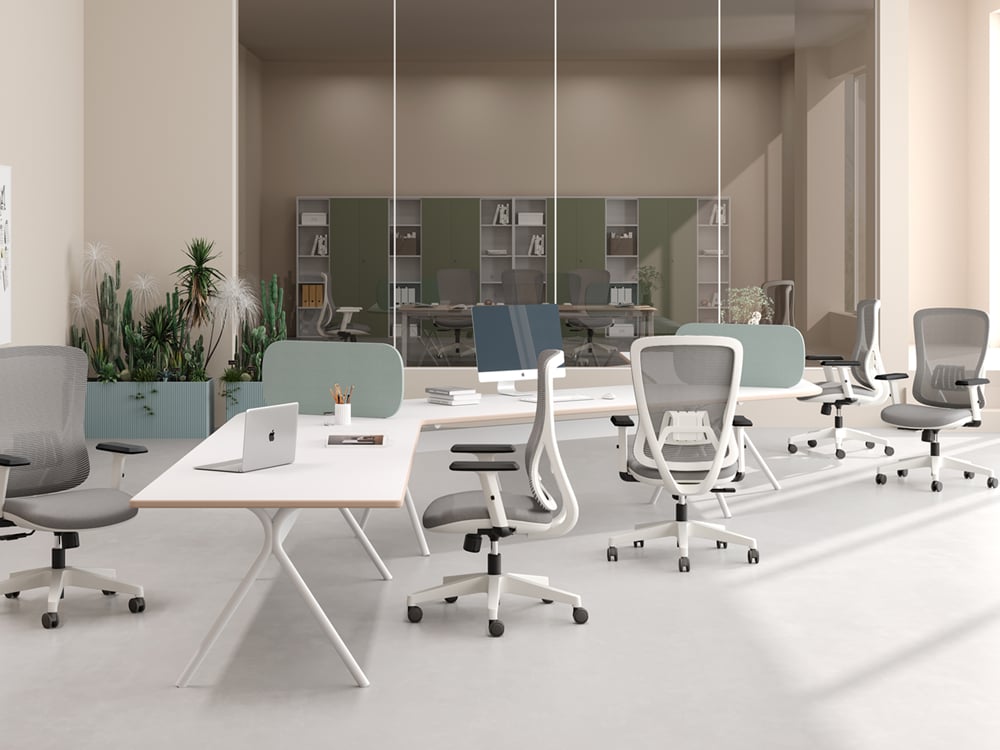
Workplace fatigue remains one of the most common yet preventable challenges affecting employee productivity and health. An ergonomic office chair serves as the foundation for combating this widespread issue by aligning your spine, distributing body weight evenly, and reducing muscular strain throughout the workday. When employees spend eight or more hours seated, the quality of their chair directly impacts their energy levels, focus, and long-term musculoskeletal health. The right ergonomic office chair is not simply a luxury but a critical investment in workplace wellness and sustained performance.
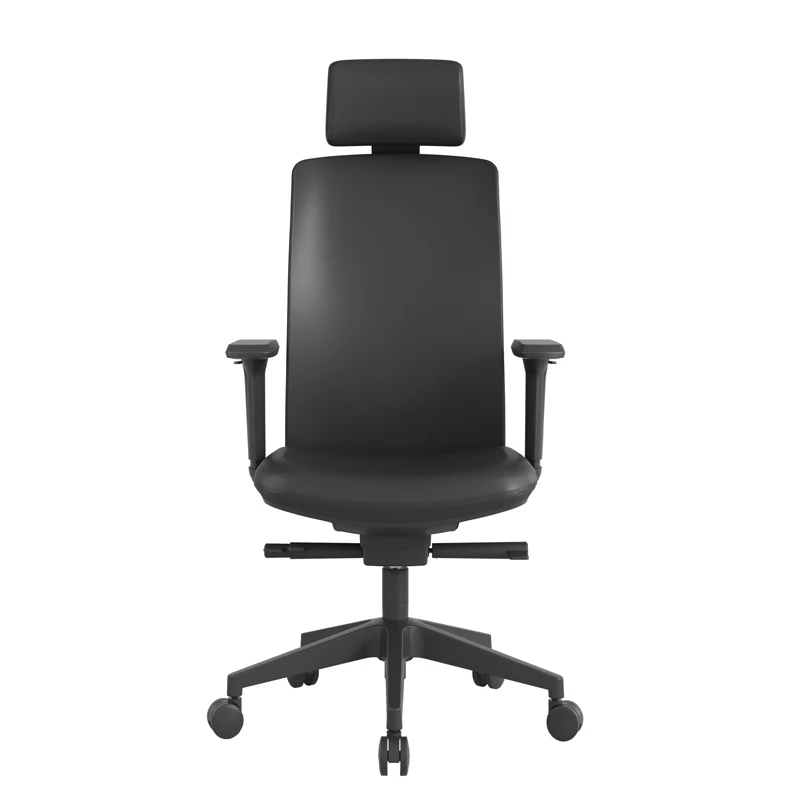
The connection between seating quality and fatigue is scientifically established. An ergonomic office chair reduces fatigue by supporting your body in positions that minimize muscle activation and joint compression. Poor seating forces your body to compensate for misalignment, creating tension in the neck, shoulders, lower back, and hips. This compensation mechanism exhausts muscles that should remain relatively passive during seated work. By contrast, an ergonomic office chair designed with proper lumbar support, adjustable armrests, and dynamic seat tension cradles your body efficiently, allowing muscles to relax and recover throughout your shift.
Understanding Fatigue-Reducing Features in an Ergonomic Office Chair
Lumbar Support and Spine Alignment
The lumbar region of your spine requires targeted support to prevent fatigue and chronic pain. An ergonomic office chair with built-in lumbar support maintains the natural curvature of your lower back, preventing the slouching posture that leads to muscle fatigue and disc compression. When lumbar support is absent, your erector spinae muscles must work constantly to stabilize your spine, creating fatigue by mid-morning. A quality ergonomic office chair features adjustable lumbar support that can be customized to match your unique spinal contours, ensuring your lower back remains supported without excessive pressure.
Adjustability and Customization Options
An ergonomic office chair that lacks adjustability cannot effectively reduce fatigue across diverse body types and work preferences. Seat height adjustment allows your feet to rest flat on the floor with knees at a 90-degree angle, preventing circulation restrictions that accelerate fatigue. An ergonomic office chair with adjustable armrests supports your forearms evenly, reducing shoulder strain that accumulates during typing or mouse use. Tilt tension and recline mechanisms allow you to shift positions throughout the day, preventing the static pressure that fatigues muscles and restricts blood flow. Backrest height adjustment ensures your shoulder blades remain supported regardless of your torso length.
How Proper Posture Reduces Workplace Fatigue
Biomechanical Efficiency and Muscle Activation
Fatigue emerges when muscles work against poor positioning rather than with it. An ergonomic office chair promotes neutral spine posture, where your ears align with your shoulders and your shoulders align with your hips. In this neutral position, your core muscles engage naturally without overexertion, and your skeletal structure bears most of your body weight. This biomechanical efficiency means fewer muscle fibers need to activate to maintain your position, dramatically reducing the energy expenditure that causes fatigue. An ordinary chair forces you into compromised postures where muscles must continuously stabilize misaligned joints, exhausting them by afternoon.
Enhanced Blood Circulation and Oxygen Delivery
Poor seating compresses blood vessels and restricts circulation, starving muscles of oxygen and accelerating metabolic fatigue. An ergonomic office chair designed with a contoured seat pan distributes pressure evenly across your thighs and buttocks, preventing the concentrated pressure points that cut off blood flow to your legs. Improved circulation delivers more oxygen to working muscles and removes metabolic waste products that accumulate during physical exertion and mental focus. Employees using an ergonomic office chair report sustained energy levels throughout the day because their muscles receive consistent oxygen supply and waste removal. This physiological advantage translates directly into reduced fatigue and improved afternoon productivity.
Practical Workplace Fatigue Reduction Through Chair Selection
Industry-Specific Fatigue Challenges
Different work environments create distinct fatigue patterns requiring specific features in an ergonomic office chair. Data entry professionals experience shoulder and neck fatigue from repetitive arm positioning, necessitating an ergonomic office chair with adjustable armrests and fixed-height support. Customer service representatives endure prolonged static posture, requiring an ergonomic office chair with excellent lumbar support and dynamic recline functionality. Creative professionals who shift between typing and design work need an ergonomic office chair with exceptional adjustability to accommodate frequent position changes. An ergonomic office chair selected without understanding your specific work patterns may fail to address the fatigue sources most relevant to your role.
Long-Term Health Benefits Beyond Fatigue Reduction
Investing in an ergonomic office chair reduces not only immediate workplace fatigue but also prevents chronic pain conditions that emerge over years. Sustained poor posture supported by inadequate seating leads to cervical spondylosis, lumbar disc herniation, and thoracic outlet syndrome—conditions that cause persistent fatigue beyond normal work-related tiredness. An ergonomic office chair preserves spinal disc integrity, maintains healthy muscle tone, and supports ligament strength by preventing repetitive strain. Employees who transition to an ergonomic office chair often report recovery from existing fatigue symptoms within two to three weeks as their muscles adapt to proper biomechanical positioning and their nervous system downregulates chronic pain responses.
FAQ
What specific features should I prioritize in an ergonomic office chair to minimize fatigue?
Prioritize lumbar support adjustment, seat height adjustability, adjustable armrests, and tilt tension control. An ergonomic office chair with these core features addresses the primary fatigue sources: spinal misalignment, improper leg circulation, shoulder strain, and static positioning. Additionally, ensure the seat pan depth matches your thigh length and the backrest height supports your entire torso. Material breathability prevents heat accumulation that increases perceived fatigue during long work sessions.
How long does it take to experience fatigue reduction after switching to an ergonomic office chair?
Most employees notice initial comfort improvements within the first week of using an ergonomic office chair, with significant fatigue reduction appearing within two to four weeks. Your body requires time to adapt to proper posture and for fatigued muscles to recover from years of compensation patterns. Some people experience temporary mild discomfort as muscles adjust to correct positioning—this is normal and typically resolves within ten days. Full benefits of an ergonomic office chair emerge after four to eight weeks as your postural muscles strengthen and your nervous system recognizes proper alignment as the baseline.
Can an ergonomic office chair completely eliminate workplace fatigue?
An ergonomic office chair substantially reduces fatigue caused by poor seating but cannot eliminate fatigue from other sources like mental stress, inadequate sleep, or excessive workload. However, proper seating removes one of the three largest fatigue contributors in office environments, potentially cutting work-related exhaustion by forty to sixty percent. Combining an ergonomic office chair with regular movement breaks, proper desk height, and adequate hydration creates a comprehensive fatigue-reduction strategy. The right ergonomic office chair provides the physical foundation that allows your body to conserve energy for cognitive work rather than muscular stabilization.


