
 EN
EN
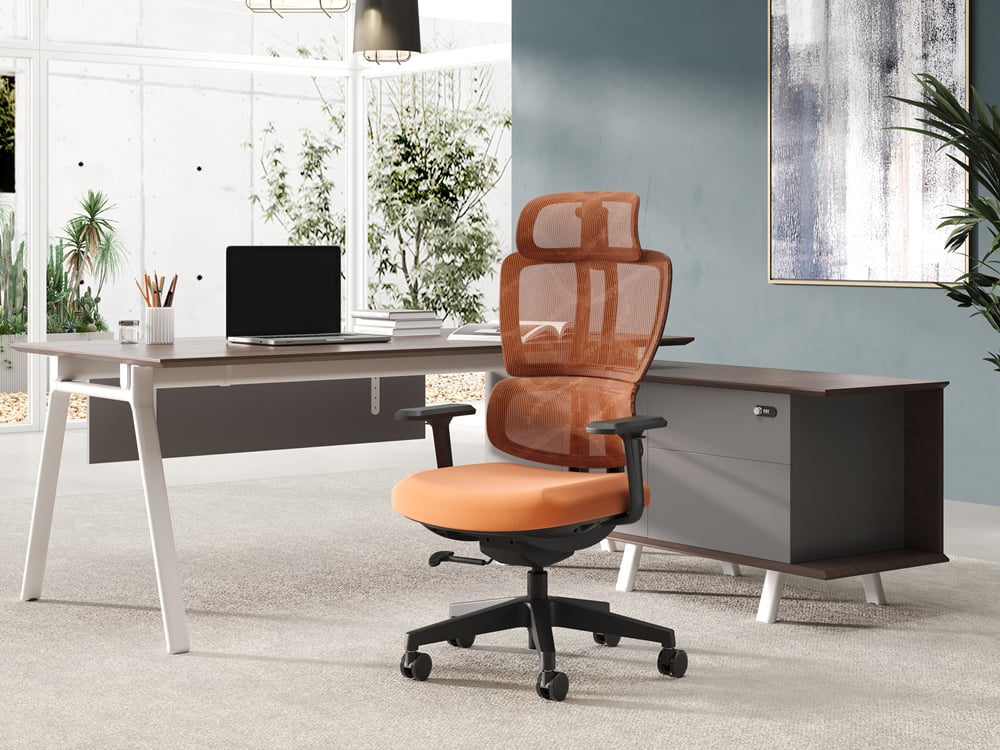
Choosing the right seating for a workplace is far more consequential than most buyers initially realize. When businesses evaluate an ergonomic office chair against standard office seating, the differences extend well beyond aesthetics or price. The comparison touches on physical health, daily productivity, long-term operational costs, and the overall quality of the work environment. Understanding these distinctions clearly helps procurement managers, HR professionals, and business owners make genuinely informed decisions.
A standard office chair is typically designed around a fixed structure with minimal adjustability. It may offer a basic seat pan, a simple backrest, and armrests that do not adapt to individual body proportions. An ergonomic office chair, by contrast, is engineered specifically to accommodate the natural curvature of the human spine, reduce muscular tension, and support varied sitting postures throughout a full working day. The gap between these two categories is significant and measurable in real workplace outcomes.
Design Differences That Define Comfort
Structural Engineering and Adjustability
The most immediate distinction between an ergonomic office chair and a standard chair lies in adjustability. A well-designed ergonomic office chair typically features seat height adjustment, lumbar support positioning, armrest height and width control, seat depth adjustment, and backrest recline tension settings. Each of these elements allows the user to configure the ergonomic office chair to match their unique body dimensions. A standard chair, in most cases, offers only basic seat height adjustment, leaving most users in a posture that does not align with their spine or hip angle.
The lumbar support in an ergonomic office chair is especially critical. Standard seating often has a flat or gently curved backrest that fails to support the natural inward curve of the lower back. An ergonomic office chair incorporates a contoured or adjustable lumbar support system that maintains the correct spinal alignment, reducing the compression that accumulates over hours of seated work. This design feature alone distinguishes the ergonomic office chair as a fundamentally different tool for the workplace.
Material Quality and Breathability
An ergonomic office chair is commonly constructed with breathable mesh panels, high-density foam padding, and durable structural frames rated for extended daily use. The breathability of an ergonomic office chair helps regulate body temperature during long sessions, which directly affects comfort and concentration. Standard chairs frequently use solid foam or basic fabric coverings that trap heat and degrade faster under continuous use. When comparing materials, the ergonomic office chair consistently demonstrates superior long-term performance.
Health and Posture Outcomes Over Time
Spinal Health and Musculoskeletal Risk Reduction
One of the most compelling arguments for choosing an ergonomic office chair over standard seating is its measurable impact on musculoskeletal health. Workers who spend eight or more hours daily in a poorly designed chair accumulate stress in the lumbar vertebrae, hip flexors, and cervical spine. An ergonomic office chair addresses these risk zones by promoting a neutral sitting posture where the spine is supported, the hips are level, and the shoulders remain relaxed. Over weeks and months, the ergonomic office chair contributes to a meaningful reduction in back pain complaints and postural dysfunction.
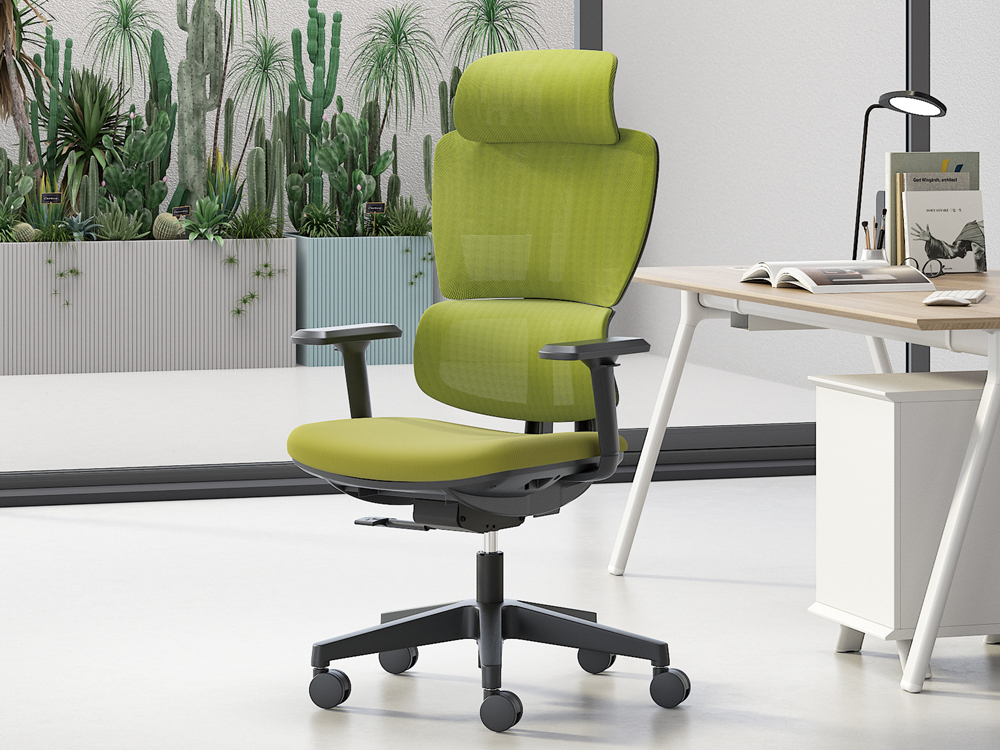
Standard office seating, even when it appears comfortable initially, lacks the structural design to sustain healthy posture over a full workday. Users tend to slump forward or shift laterally to compensate for inadequate support. An ergonomic office chair removes the need for these compensatory movements by providing consistent structural guidance. The result is that workers using an ergonomic office chair report fewer physical discomforts and maintain better focus throughout their tasks.
Fatigue, Focus, and Workplace Productivity
Physical fatigue from poor seating directly reduces cognitive performance. When the body is struggling to maintain posture in a standard chair, energy that would otherwise support concentration is redirected toward managing discomfort. An ergonomic office chair reduces this physical load significantly. Workers seated in an ergonomic office chair sustain higher levels of alertness because their bodies are properly supported rather than working against the chair. This connection between the ergonomic office chair and productivity is particularly relevant in roles that involve extended screen time, data analysis, writing, or complex decision-making.
Cost, Value, and Long-Term Business Considerations
Initial Investment vs Ongoing Operational Impact
A common hesitation when selecting an ergonomic office chair is the higher upfront cost compared to standard seating. However, this comparison becomes more favorable to the ergonomic office chair when the full cost picture is considered. Standard chairs that cause discomfort contribute to increased absenteeism, reduced performance, and higher staff turnover rates. An ergonomic office chair, when properly specified and maintained, has a significantly longer usable lifespan and reduces the indirect costs associated with workplace injury claims and productivity loss.
For businesses equipping large open-plan offices or shared workspaces, deploying an ergonomic office chair across the entire floor communicates a tangible investment in employee wellbeing. This positively influences staff retention and recruitment. The ergonomic office chair is no longer a luxury reserved for executive suites — it has become a standard expectation in competitive employers' office environments. Viewing the ergonomic office chair as an operational investment rather than a furniture purchase changes the entire cost-benefit calculation.
Durability and Maintenance Expectations
The mechanical complexity of an ergonomic office chair, including its multiple adjustment mechanisms, does require a modest level of periodic maintenance. However, reputable ergonomic office chair models are built with commercial-grade components designed for years of daily use. Standard chairs, while simpler in construction, often wear out faster under heavy use and require more frequent replacement. When total cost of ownership is measured over a three-to-five-year period, the ergonomic office chair typically delivers better value per unit than multiple standard chair replacements.
FAQ
Is an ergonomic office chair suitable for all body types?
Yes. The primary advantage of an ergonomic office chair is its broad adjustability. Features like seat depth, lumbar height, and armrest positioning allow the ergonomic office chair to be configured for a wide range of body heights and proportions, making it suitable for most users in a shared or individual workspace.
How long does it take to notice benefits from an ergonomic office chair?
Most users notice reduced discomfort within one to two weeks of switching to a properly adjusted ergonomic office chair. Full postural benefits from consistent use of an ergonomic office chair typically become apparent over one to three months, particularly in terms of lower back tension and end-of-day fatigue levels.
Can an ergonomic office chair replace other workplace wellness measures?
An ergonomic office chair is one important component of a broader workplace wellness strategy. It works best when combined with proper monitor height, keyboard positioning, and regular movement breaks. The ergonomic office chair significantly reduces seating-related strain, but it is most effective as part of a comprehensive ergonomic workspace setup.


