
 EN
EN
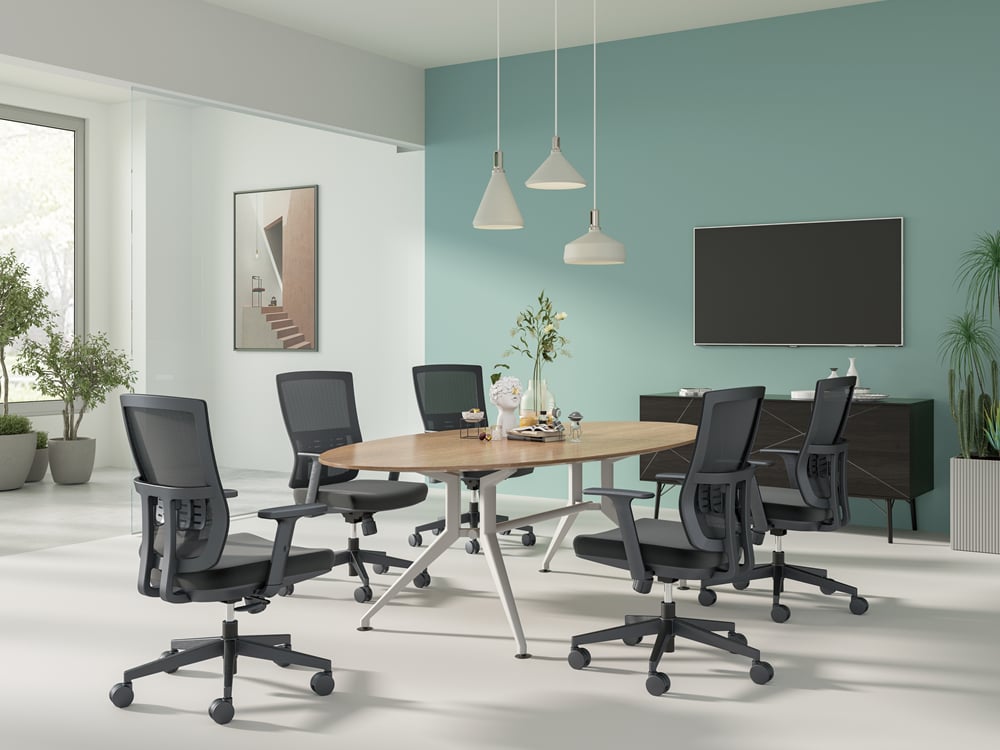
If you spend long hours at a desk, the chair you sit in directly affects your health, focus, and productivity. A standard chair may seem sufficient at first glance, but it rarely delivers the structural and ergonomic advantages that a dedicated executive office chair is specifically engineered to provide. Understanding this difference is essential for anyone making informed decisions about workplace seating.
An executive office chair is purpose-built for extended use, combining premium materials, advanced lumbar systems, and adjustable components that standard chairs simply lack. Whether you are managing a team, handling client negotiations, or working through complex analytical tasks, an executive office chair gives your body the support it needs to stay comfortable and alert throughout the entire workday. This article explores exactly why an executive office chair outperforms standard seating in every meaningful dimension.
Ergonomic Architecture of an Executive Office Chair
Lumbar and Spinal Support Design
One of the most significant reasons an executive office chair outperforms a standard chair is its dedicated lumbar support structure. The lower back is particularly vulnerable during prolonged sitting, and an executive office chair addresses this by incorporating adjustable lumbar pads or built-in contoured backrest systems. These features align the spine in its natural curve, reducing the compressive stress that builds up during hours of sedentary work. A standard chair, by contrast, typically uses a flat or minimally shaped backrest that offers little meaningful spinal reinforcement.
The backrest of an executive office chair is also taller and wider than that of a standard chair, covering the full length of the spine from the lumbar region up to the shoulders and sometimes the neck. This full-coverage design allows the executive office chair to distribute body weight more evenly, minimizing pressure points that cause discomfort and fatigue. When your back is properly supported, your muscles do less compensatory work, and concentration improves as a result.
Seat Depth, Cushioning, and Posture Alignment
An executive office chair typically features a deeper, wider seat pan with high-density foam cushioning designed to retain its shape under sustained pressure. Standard chairs often use thinner padding that compresses quickly, leading to discomfort within an hour or two of use. The seat depth adjustment available on many executive office chair models allows users to position themselves so the front edge of the seat does not press into the back of the knees, which is a common cause of circulation problems in standard seating environments.
Proper seat pan depth on an executive office chair ensures that the thighs are fully supported without restricting blood flow to the lower legs. This detail alone makes a substantial difference for professionals who remain seated for six to eight hours per shift. The executive office chair effectively supports the entire body chain from pelvis to shoulders, creating a seating posture that reduces the risk of musculoskeletal strain over time.
Adjustability and Personalized Comfort
Multi-Point Adjustment Mechanisms
A defining quality of the executive office chair is its range of adjustable features. While a standard chair might offer only basic seat height adjustment, an executive office chair typically provides control over armrest height and width, recline tension, tilt lock positions, headrest angle, and lumbar depth. This multi-point adjustability means the executive office chair can be configured precisely to the dimensions and preferences of the individual user, rather than forcing the user to adapt to the chair.
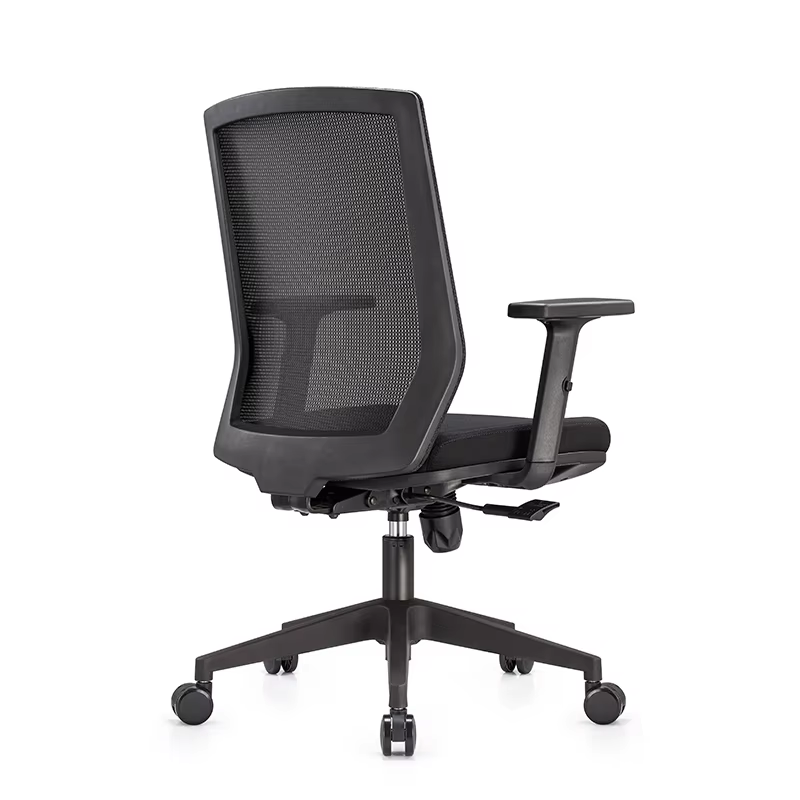
In a professional environment where staff may vary significantly in height, weight, and posture habits, an executive office chair delivers a critical advantage. When employees or executives can customize their seating configuration, they are more likely to maintain healthy posture throughout the day. The executive office chair becomes a personalized ergonomic tool rather than a generic piece of furniture, and this distinction has measurable effects on long-term physical wellbeing.
Armrest and Headrest Integration
The armrests of an executive office chair are typically padded, height-adjustable, and sometimes pivot-adjustable to match the natural position of the forearms. This prevents shoulder elevation and neck tension, which are common complaints among people using standard chairs with fixed or absent armrests. A well-positioned armrest on an executive office chair allows the shoulders to remain relaxed while typing or reviewing documents.
Many executive office chair designs also include a padded headrest that supports the cervical spine during moments of recline or rest. This feature is rarely found in standard chairs and makes the executive office chair especially beneficial for professionals who handle intensive cognitive work, long calls, or meetings that require sustained attention. Neck support from an executive office chair helps prevent cervical strain and reduces tension headaches associated with forward head posture.
Build Quality, Materials, and Professional Presence
Structural Durability and Long-Term Value
An executive office chair is constructed with heavier-duty components than a standard chair. The base is typically a five-point reinforced aluminum or heavy-duty nylon star base, and the gas lift cylinder is rated for higher weight capacities and more frequent recline cycles. The executive office chair frame is engineered to maintain its structural integrity through years of daily use, whereas standard chairs often show wear in their mechanisms within months of regular use.
When evaluating total cost of ownership, an executive office chair delivers better long-term value despite its higher initial price. The durability of an executive office chair means fewer replacements and less downtime from failed seating components. For organizations equipping offices for senior staff, the executive office chair is a cost-effective investment when measured across a realistic use period of five to ten years.
Material Quality and Office Aesthetics
The upholstery of an executive office chair commonly uses genuine leather, bonded leather, or premium mesh fabric that projects professionalism in client-facing environments. Standard chairs frequently use basic fabric or thin vinyl that shows wear quickly and does not maintain the same visual standard. The executive office chair contributes to the overall aesthetic of an office, reinforcing the impression of quality and authority that executive spaces are designed to communicate.
FAQ
What makes an executive office chair different from a standard office chair?
An executive office chair differs from a standard office chair primarily in its ergonomic depth, adjustability range, material quality, and structural build. The executive office chair offers more lumbar support, a taller backrest, deeper cushioning, and a wider set of adjustment options, all of which contribute to superior comfort and health benefits during extended use.
Is an executive office chair suitable for people of different body sizes?
Yes. Most executive office chair models are designed with multi-point adjustability that accommodates a broad range of body sizes and proportions. Seat height, lumbar depth, armrest position, and recline tension on an executive office chair can all be tuned to match the user's specific dimensions, making the executive office chair a versatile choice for diverse workplaces.
How long does an executive office chair typically last compared to a standard chair?
An executive office chair is built with more robust materials and mechanisms than a standard chair, and with proper care it can last between five and ten years in a professional setting. Standard chairs tend to degrade more quickly under daily use. The longer service life of an executive office chair makes it a practical and economical choice for businesses that prioritize seating quality.


